Why Do Hair Transplants Fail?
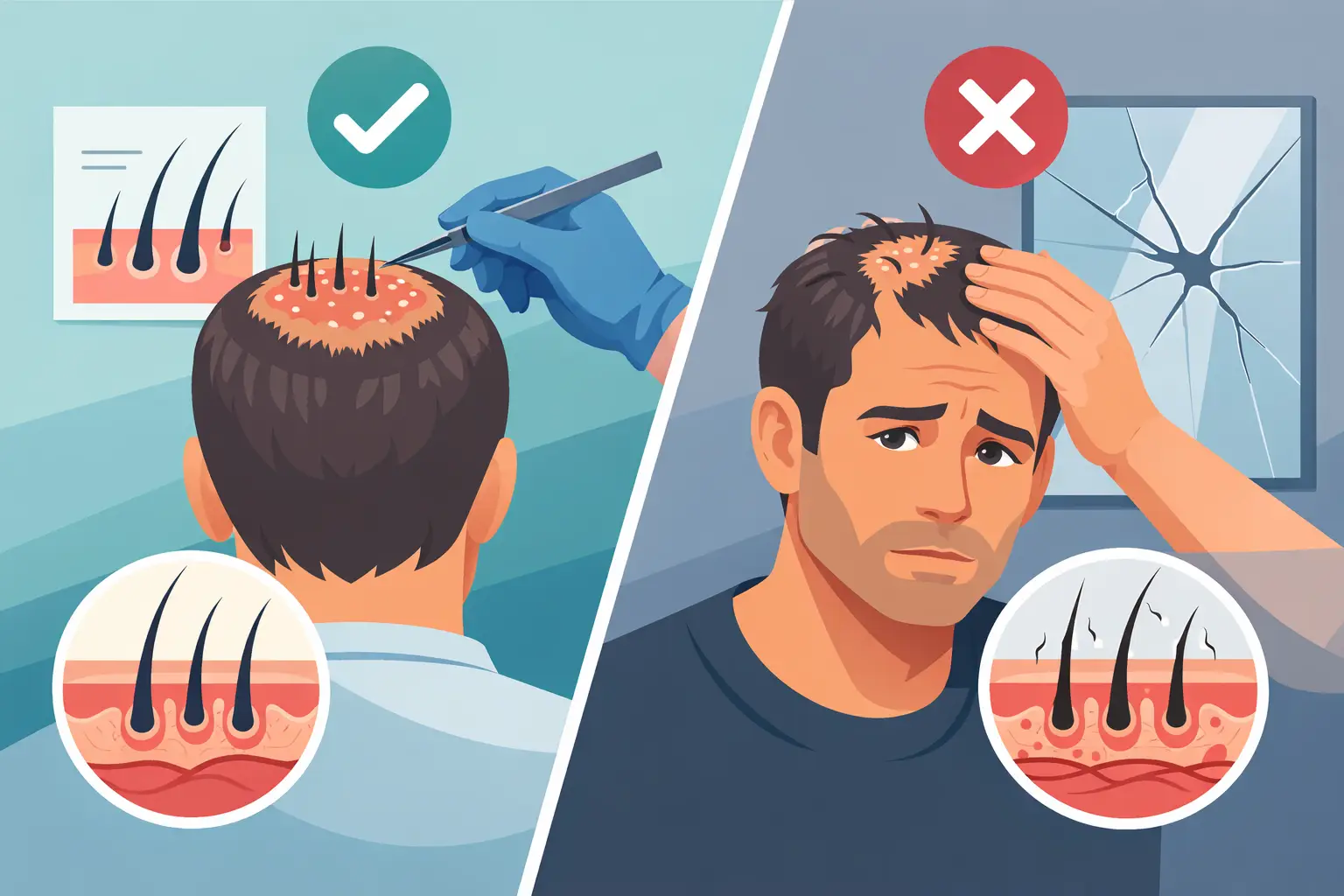
A failed hair transplant usually does not look dramatic in the operating room. It shows up months later, when the hairline looks unnatural, the density never arrives, or new grafts shed and do not return the way the patient expected. That is why so many people ask, why do hair transplants fail, after they have already spent time, money, and emotional energy on the procedure.
The short answer is that hair transplantation can fail for several different reasons, and not all of them are surgical mistakes. Some problems start with poor candidate selection. Others come down to graft handling, unrealistic planning, weak donor supply, or skipping the medical treatment needed to protect existing hair. In many cases, the transplant itself is only one part of a larger hair loss plan.
Why do hair transplants fail in the first place?
A hair transplant is not just about moving follicles from one area to another. It is about choosing the right patient, designing the right hairline, protecting grafts during placement, and understanding how future hair loss will change the overall appearance. If one of those pieces is off, the final result can disappoint the patient even if the surgery was technically completed.
This is where experience matters. FUE and robotic-assisted FUE can produce natural, confidence-restoring results, but they are still medical procedures that require judgment. Hair restoration is part artistry and part long-term planning.
Poor candidate selection is a major reason hair transplants fail
Not everyone with thinning hair is ready for surgery. A patient may be too early in the hair loss process, may not have a stable donor area, or may have a condition causing active shedding that needs treatment first. If surgery is performed before the underlying issue is understood, the result can age poorly or fail to meet expectations.
For example, someone with diffuse thinning may appear to have enough donor hair, but the donor region may also be weakening. In that case, harvesting too aggressively can create thin spots in the back or sides of the scalp while still not providing enough density where it matters most. Patients with certain inflammatory scalp disorders or untreated medical causes of hair loss may also be poor surgical candidates until those issues are addressed.
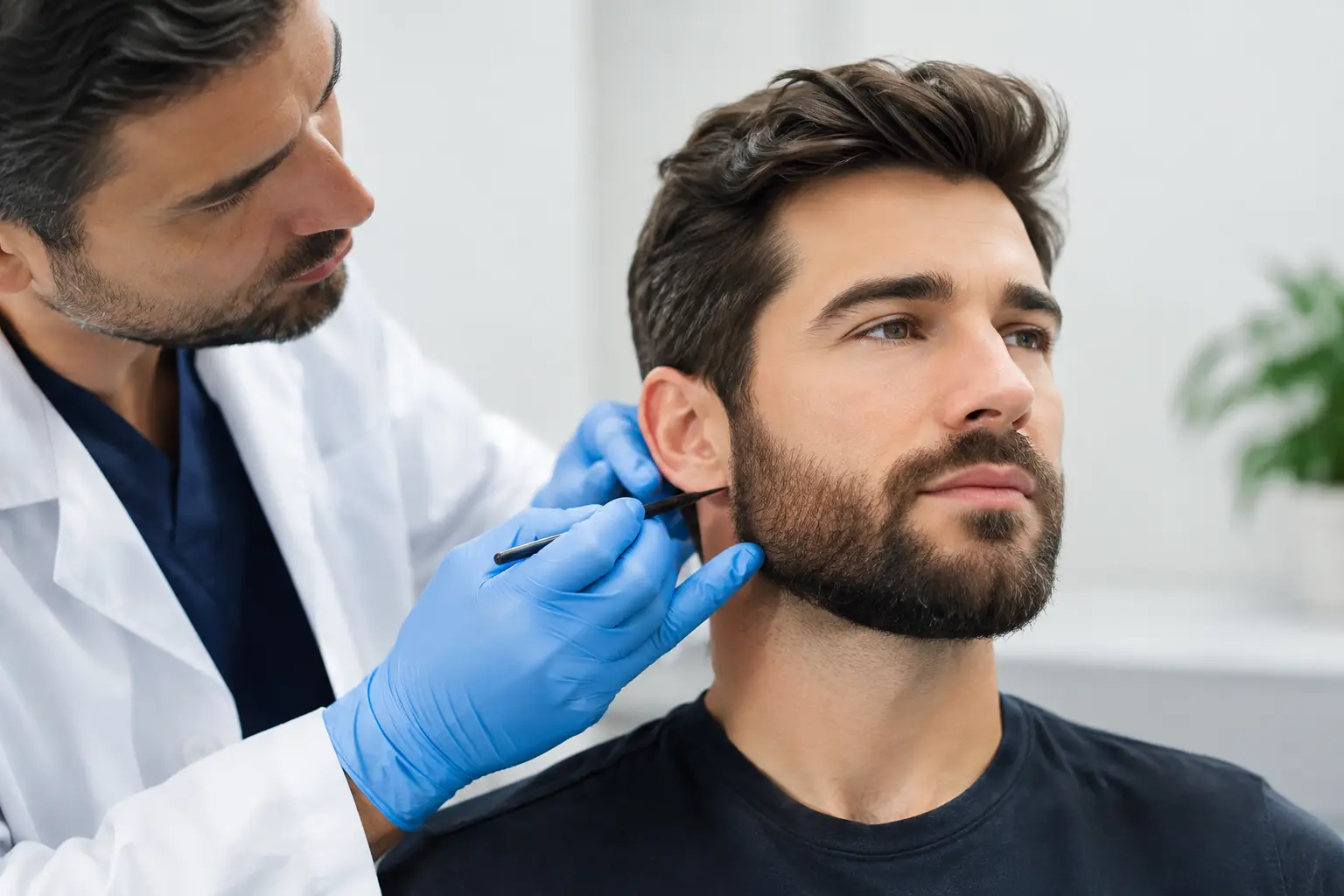
A careful evaluation should look beyond the obvious bald area. It should assess the pattern of loss, donor quality, scalp health, family history, age, and likely progression over time.
Weak surgical planning can lead to unnatural results
Sometimes the grafts survive, but the result still feels like a failure. That often happens when the plan was wrong from the start.
An aggressively low hairline may look appealing on paper, but it can use too many grafts too early and leave too little donor hair for future needs. A hairline that is too straight, too dense in the wrong places, or poorly matched to a person’s facial structure can look artificial. The same applies to beard and eyebrow restoration, where angle, direction, and density need to be especially precise.
Good planning balances what the patient wants now with what will still look natural years from now. That is one reason ethical surgeons sometimes recommend a more conservative design than the patient initially expected.
Graft damage during the procedure matters more than most people realize
Hair follicles are living tissue. Once they are extracted, they need careful handling, proper hydration, and timely placement. If grafts are crushed, dried out, transected, or left outside the body too long, survival rates can drop.
This is one of the biggest technical reasons a transplant underperforms. The patient may hear that a certain number of grafts were moved, but the number placed is not the same as the number that successfully grows. Technique, team training, and physician oversight all affect that outcome.
With FUE in particular, precision during extraction is essential. Taking grafts too deeply, too shallowly, or with poor alignment can injure follicles before they are even implanted.
Overharvesting can create a second cosmetic problem
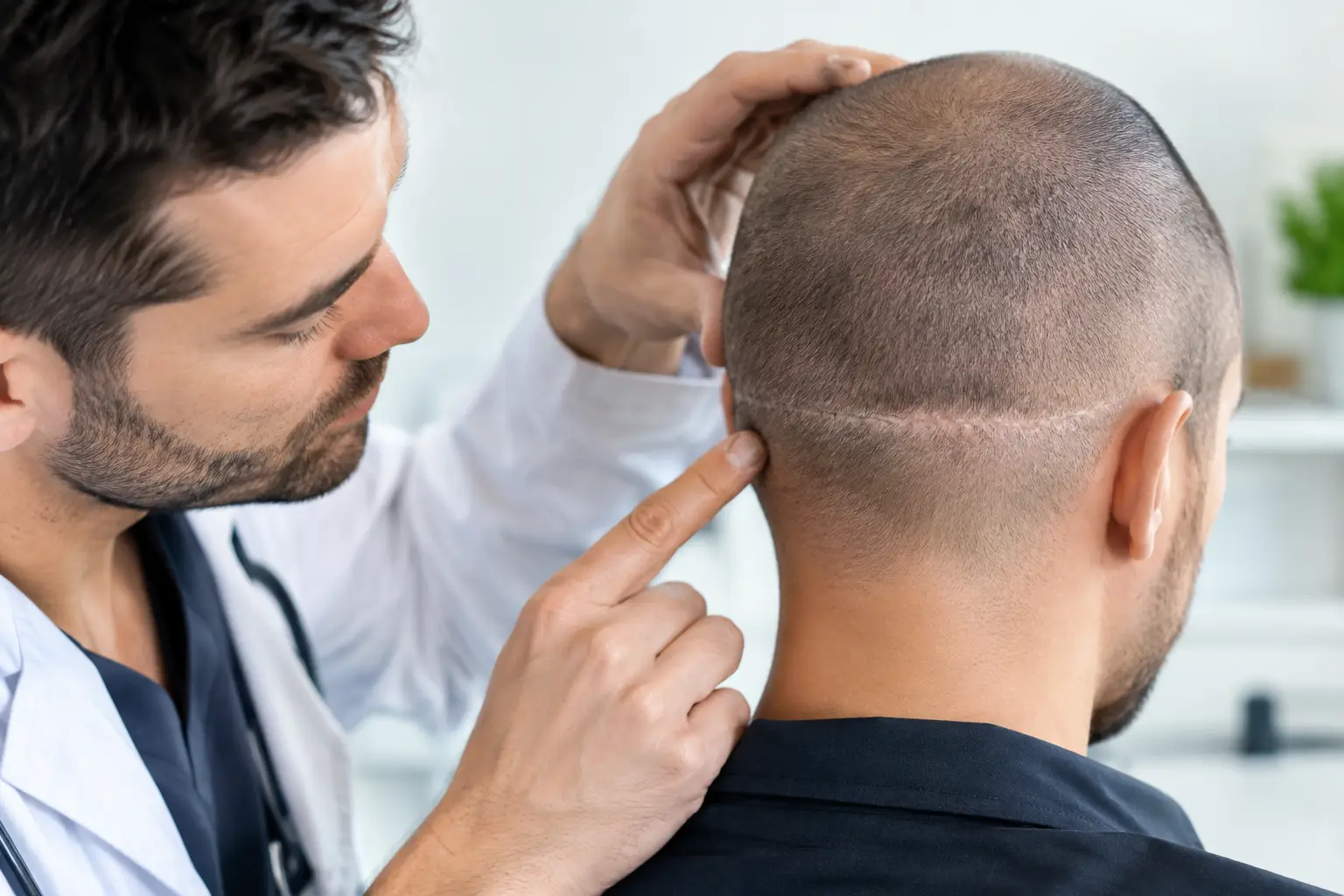
When too many grafts are removed from the donor area, the back or sides of the scalp can look patchy, moth-eaten, or visibly depleted. This is especially concerning in patients who wear their hair short.
Overharvesting does not just change how the donor area looks today. It can also limit future repair options. Hair loss is progressive for many patients, so preserving donor reserves is part of responsible planning.
Aftercare problems can affect graft survival
Patients are often surprised by how much the healing period matters. The first days after surgery are critical because the newly placed grafts are still vulnerable. Rubbing the scalp, intense sweating, smoking, heavy alcohol use, sun exposure, or returning to strenuous activity too soon can interfere with healing.
That does not mean every less-than-perfect result is the patient’s fault. It does mean aftercare instructions are there for a reason. A well-executed procedure still needs a smooth recovery period to give grafts the best chance to take hold.
The same applies to follow-up. If there are signs of infection, prolonged inflammation, or unusual shedding, early communication with the clinic matters.
Progressive hair loss can make a transplant look like it failed
This is one of the most misunderstood issues in hair restoration. The transplanted follicles may grow well, but the surrounding native hair may continue to thin. When that happens, patients can end up with islands of transplanted hair surrounded by new recession or diffuse loss.
From the patient’s perspective, it may feel like the transplant failed. In reality, the procedure worked on the grafts that were moved, but the overall plan did not fully address future hair loss.
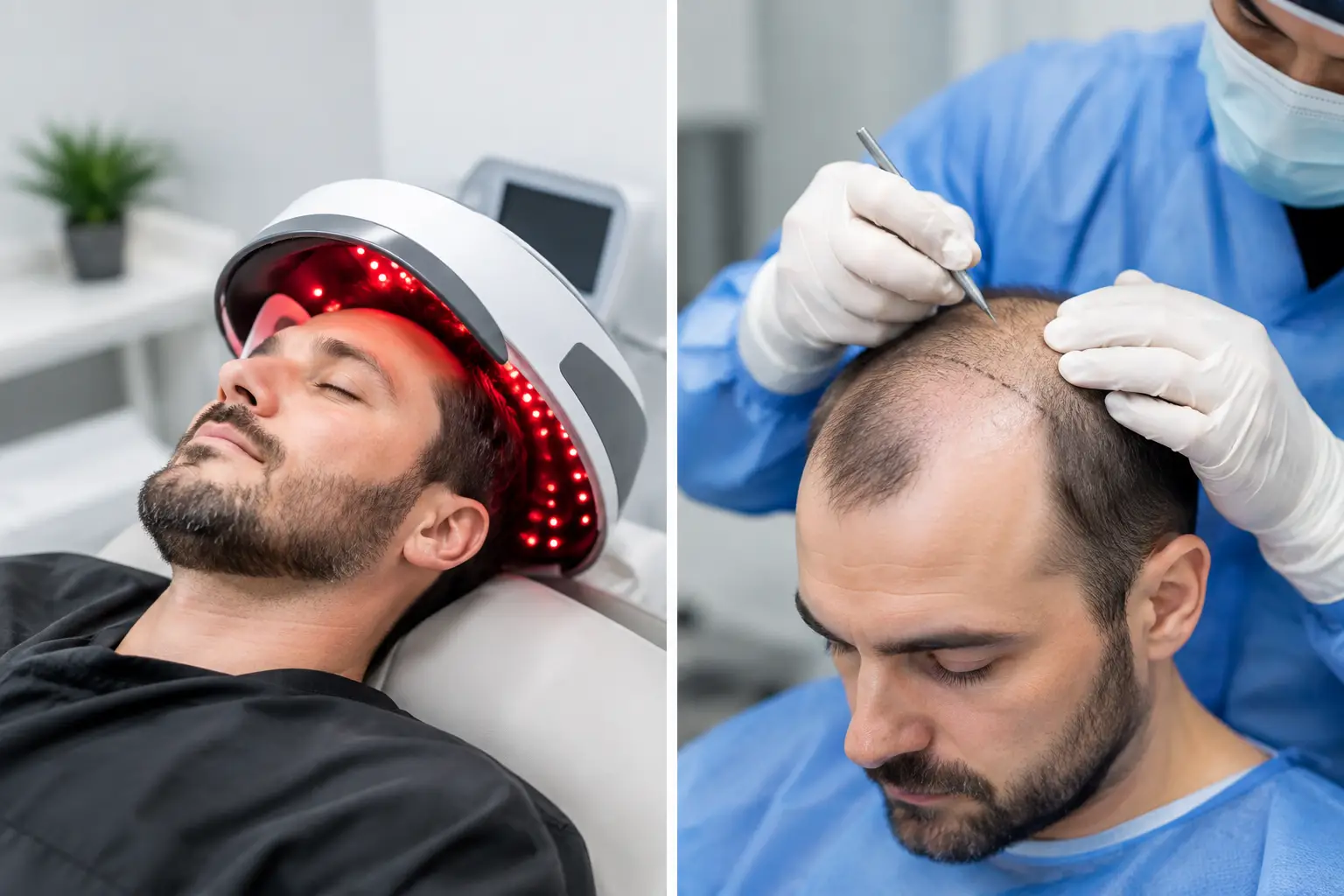
That is why many patients benefit from a broader treatment strategy that may include medications, regenerative therapies, low-level laser therapy, or other non-surgical support. Surgery often works best when it is not treated as a stand-alone fix.
Unrealistic expectations can turn a decent result into a disappointing one
A transplant can improve hair density and reshape a hairline, but it cannot recreate the exact hair volume a person had at 18. Donor supply is finite. Hair characteristics such as curl, color contrast, caliber, and scalp laxity all affect how full the result appears.
Patients with very fine hair, advanced baldness, or limited donor density may still get worthwhile improvement, but the plan has to match reality. A trustworthy consultation should explain what is achievable, how many sessions may be needed, and whether adjunctive treatment would improve the final result.
If a patient expects one procedure to completely reverse decades of loss, disappointment becomes more likely even when the surgery is competently done.
Why do hair transplants fail more often at low-cost clinics?
Price alone does not determine quality, but bargain-driven decisions can increase risk. High-volume clinics may delegate too much of the procedure, rush graft placement, use technicians beyond appropriate limits, or focus on graft counts instead of long-term aesthetics.
That can lead to poor growth, an unnatural hairline, donor damage, or all three. Hair transplantation is not a commodity service. It is a medical and cosmetic procedure where details matter.
Patients should know who is evaluating them, who is designing the hairline, who is performing extraction, and how closely the physician is involved throughout the day. Those questions matter just as much as the technology being advertised.
Can a failed hair transplant be fixed?
Often, yes, but repair work is usually more complex than doing it right the first time. A corrective plan may involve softening or redesigning the hairline, adding density, concealing scarring, or improving the donor area as much as possible. The options depend on how much donor hair remains and what went wrong originally.
Repair cases require patience. Sometimes the best first step is not another surgery at all, but stabilizing ongoing loss and letting the scalp fully recover before making the next move.
At a specialized practice such as Austin Hair Clinic, this kind of planning starts with a close look at donor quality, scalp condition, previous work, and realistic goals. The right answer is not always more grafts. Sometimes it is a smarter overall strategy.
How to reduce the risk of a failed transplant
The safest approach is to choose a clinic that treats hair restoration as a personalized medical process, not a one-day transaction. A strong consultation should cover diagnosis, candidacy, donor management, hairline design, future loss, and whether non-surgical treatment belongs in the plan.
Patients also protect themselves by being honest about their goals and medical history, following aftercare closely, and thinking long term. The best results usually come from restraint and precision, not from chasing the lowest price or the most aggressive promise.
If you are researching your options, the right question is not just why do hair transplants fail. It is how do you make sure yours is planned well enough to succeed and still look natural years from now.