What Causes Transplant Shock Loss After FUE?
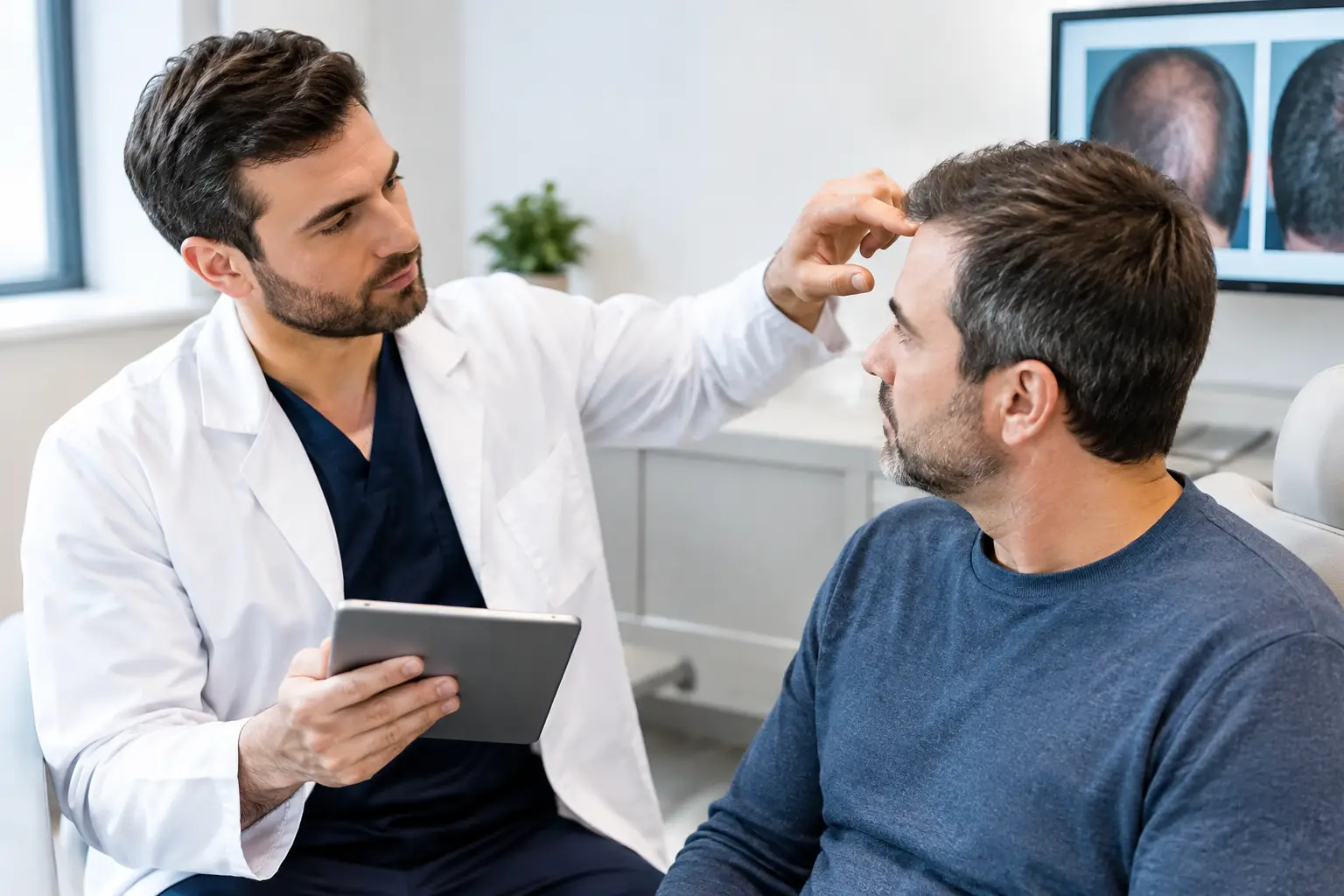
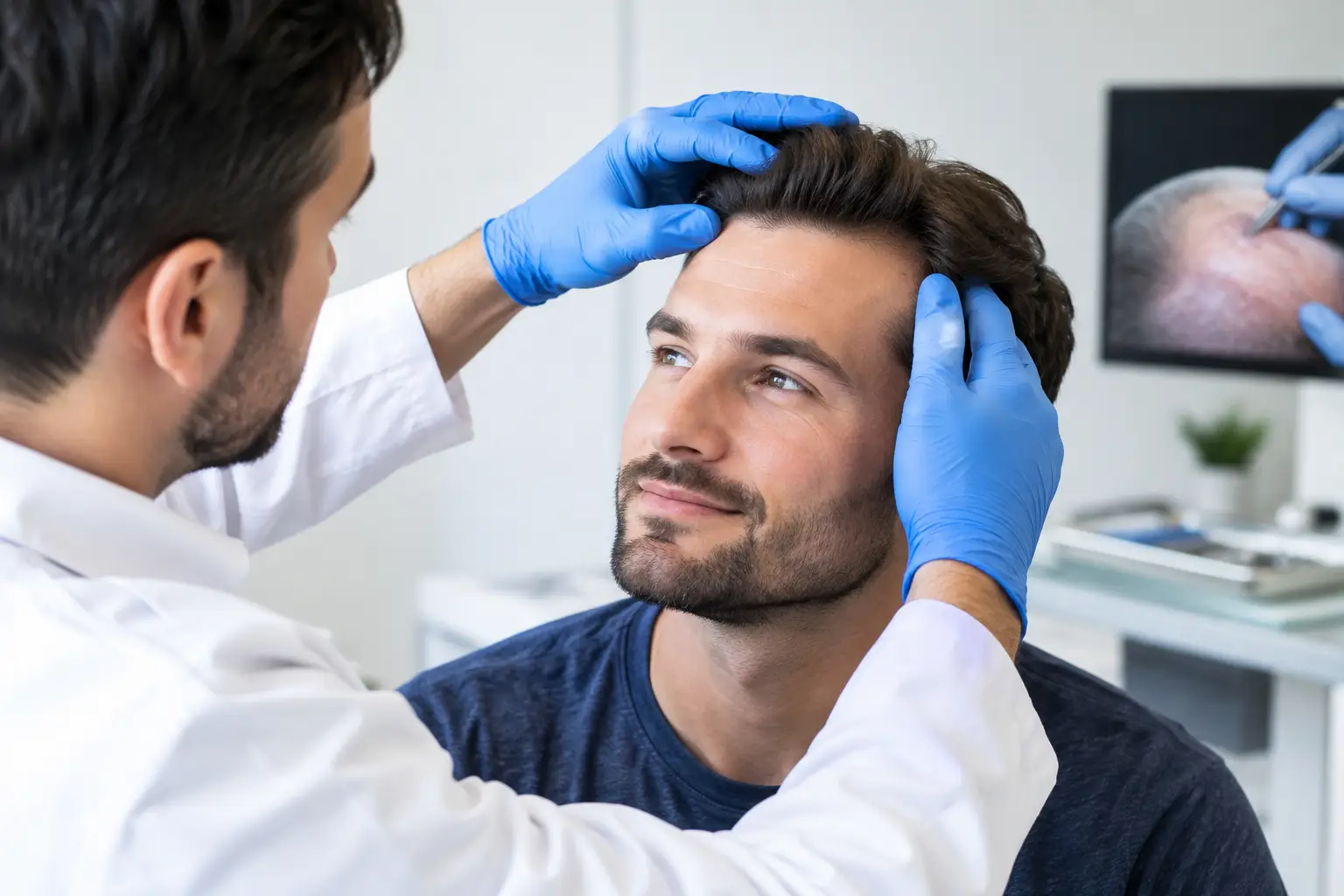
A patient may look in the mirror a few weeks after an FUE procedure and notice more shedding than expected. It can feel alarming, especially after making a meaningful investment in restoring a stronger hairline or fuller coverage. Understanding what causes transplant shock loss can put this temporary phase into perspective and help you recognize when reassurance is appropriate versus when you should contact your medical team.
Shock loss is a known possibility after hair restoration surgery, but it is not a sign that the procedure has failed. In many cases, it reflects the way vulnerable existing follicles respond to the stress of surgery. A thoughtful plan, precise graft placement, and proper follow-up can all help reduce the likelihood and severity of this reaction.
What Is Transplant Shock Loss?
Transplant shock loss, sometimes called postoperative shedding, is the temporary shedding of existing native hair after a hair transplant. It most often occurs in or near the recipient area, where grafts are placed among your natural hairs. The follicles may enter a resting phase after being exposed to surgical stress, then shed the visible hair shaft.
This is different from the normal shedding of transplanted graft hairs. Transplanted follicles commonly shed their hair shafts during the first several weeks after surgery. The grafts themselves generally remain in place beneath the skin and begin new growth over the following months. Shock loss involves hair that was already present before surgery, although it can occur alongside normal graft shedding.
For many patients, shocked hairs regrow. The key variable is the health of the original follicle. A strong, healthy follicle is more likely to resume growth after its resting phase. A severely miniaturized follicle affected by progressive pattern hair loss may not fully recover.
What Causes Transplant Shock Loss?
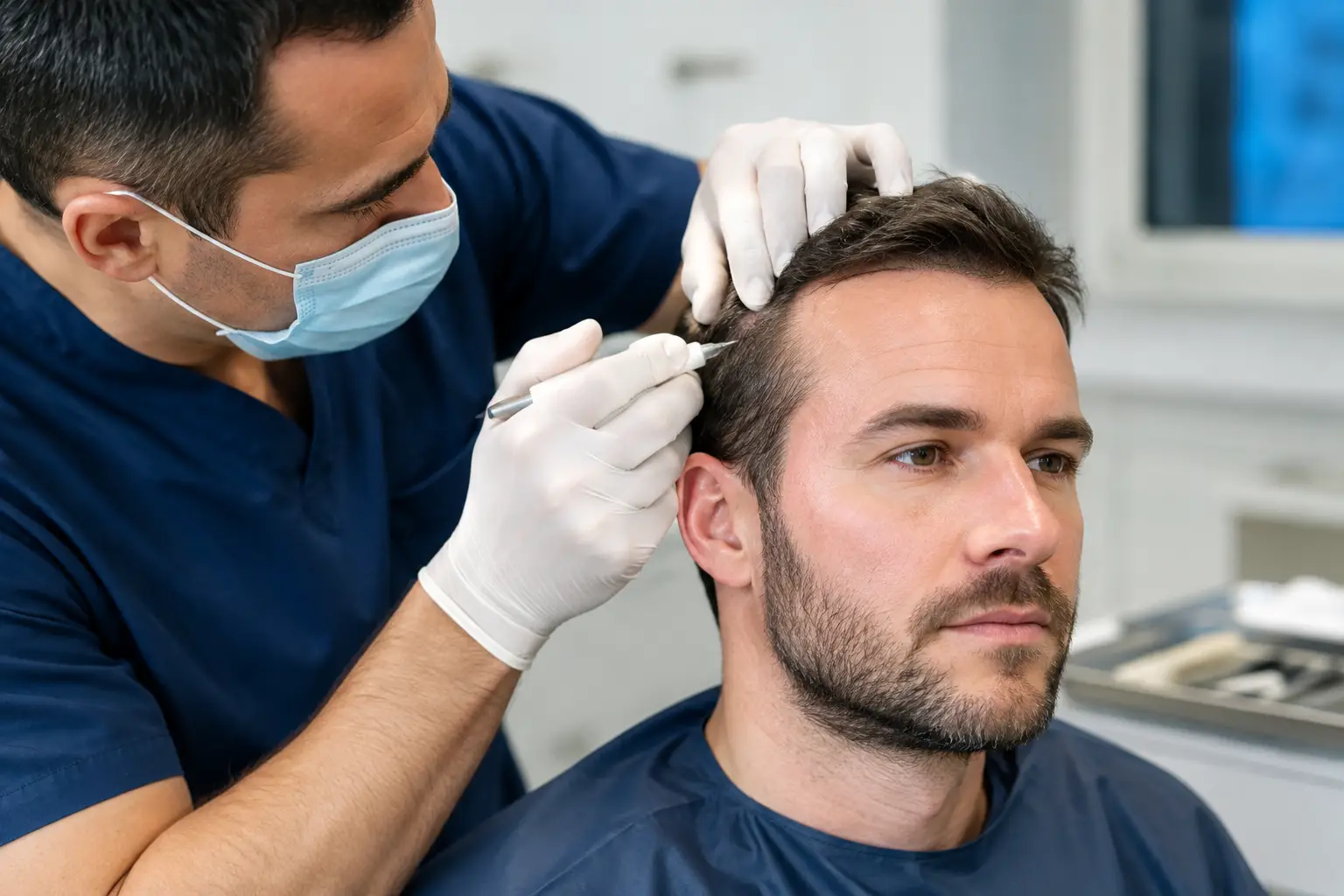
The most direct cause is surgical trauma to the scalp and the follicles already growing there. During FUE, tiny recipient sites are made to place individual follicular units with natural angle, direction, and density. Even when this is done with excellent technique, the surrounding scalp experiences inflammation, temporary changes in blood flow, and mechanical stress.
Hair follicles are living structures with a growth cycle. When the area around them is disturbed, some follicles respond by shifting from the active growing phase into the resting phase. The visible strand is then released. This can happen two to eight weeks after surgery, which is why patients may be surprised to see shedding after their initial recovery seemed to be going smoothly.
Several factors can increase the chance of noticeable shock loss.
Existing Hair Is Already Weak or Miniaturized
The most significant risk factor is having a large number of thinning, genetically sensitive hairs in the recipient zone. These hairs may still provide coverage before surgery, but they are more fragile than they appear. A receding hairline, diffuse thinning through the front, or thinning at the crown can all contain follicles that are already nearing the end of their productive lifespan.
When grafts are placed between these weakened hairs, the additional stress may prompt shedding. This does not mean the transplant harmed healthy hair. Often, it reveals the underlying progression of androgenetic alopecia that was already affecting the area.
Dense Packing in a Limited Area
Creating natural-looking density requires skill and judgment. Grafts must be placed closely enough to improve coverage while respecting the blood supply of the scalp and the condition of the existing hair. Aggressive density in an area with substantial native hair can raise the risk of trauma or temporary circulation changes around those follicles.
That does not mean dense packing is always inappropriate. It depends on scalp characteristics, hair caliber, the number of available grafts, the degree of existing thinning, and the long-term design of the restoration. An experienced physician plans for both immediate cosmetic improvement and the hair you may continue to lose over time.
Inflammation, Swelling, and Healing Stress
Every surgical procedure triggers a healing response. Redness, tenderness, swelling, and mild crusting are common during early recovery. For some patients, more pronounced inflammation can contribute to temporary shedding in the treated region.
Following postoperative instructions matters here. Picking at scabs, scratching, using unapproved topical products, exposing the scalp to excessive sun, or returning to strenuous activity too soon can irritate healing tissue. These actions do not automatically cause permanent damage, but they can complicate recovery and should be avoided.
An Unstable Pattern of Hair Loss
Hair transplantation redistributes permanent donor follicles. It does not stop future loss in untreated native hair. If hair loss is actively progressing before surgery, the contrast between newly growing grafts and thinning surrounding hair can become more visible after the procedure.
This is one reason a physician may recommend medical therapy, regenerative treatment, low-level laser therapy, or a period of observation before proceeding with transplantation. For the right patient, stabilizing the existing hair can protect the overall result and reduce the risk of a patchy appearance as native hairs continue to thin.
Individual Biology and Medical Factors
Healing varies from person to person. Smoking or nicotine exposure can affect circulation and wound healing. Poorly controlled health conditions, nutritional deficiencies, scalp disorders, recent illness, and high physiologic stress may also influence shedding and regrowth.
Medications and supplements should be reviewed before surgery rather than stopped or started on your own. Your hair restoration provider can identify factors that may affect bleeding, healing, or the treatment plan. This individualized review is especially valuable for patients with diffuse thinning, prior procedures, or a history of scalp sensitivity.
Is Shock Loss Permanent?
Often, no. When a healthy follicle sheds due to postoperative stress, it may return to growth over several months. Recovery is gradual because hair grows in cycles, not all at once. The scalp can look thinner before it looks fuller.
Permanent loss is more likely when the shed native hairs were already significantly miniaturized. In that situation, surgery may have accelerated the visible loss of hairs that were unlikely to remain long term. This possibility should be discussed honestly before a transplant, particularly in patients with active thinning or lower-density areas.
The positive news is that transplanted donor follicles are selected from areas that are typically more resistant to pattern hair loss. As those grafts mature, they can provide lasting coverage and a more stable foundation for the hairline or thinning zone.
How Careful Planning Helps Reduce Risk
No ethical provider can promise zero shock loss. However, a personalized surgical plan can lower avoidable risk. This starts with evaluating whether your hair loss is stable, determining the quality of your donor supply, examining the amount of miniaturized hair in the recipient area, and setting a realistic density goal.
At Austin Hair Clinic, this planning is guided by physician oversight and a focus on natural-looking, long-term results rather than simply placing the highest possible number of grafts in one session. FUE technique, recipient-site design, graft distribution, and supportive treatment recommendations should all reflect your current hair pattern and likely future loss.
Protecting native hair may include using appropriate medical treatment before or after surgery when clinically suitable. For some patients, this may mean medication to help slow pattern hair loss. For others, laser therapy or regenerative options may be considered as part of a broader strategy. The right approach depends on your goals, medical history, and the degree of ongoing thinning.
What You Can Do During Recovery
Your role after surgery is straightforward but meaningful: protect the grafts, minimize scalp irritation, and give the healing process time. Use only the washing routine and products approved by your provider. Avoid smoking or nicotine if advised, limit direct sun exposure, and wait for clearance before resuming strenuous exercise, swimming, or headwear that could rub the recipient area.
Take progress photos in consistent lighting rather than judging changes day by day. Early shedding can make the timeline feel discouraging, but visible growth commonly begins around three to four months, with continued improvement for up to a year or longer. Hairline growth and crown density can mature at different speeds.
Contact your surgical team promptly if you develop increasing pain, spreading redness, drainage, fever, sudden severe swelling, or concerns about an unusual pattern of shedding. A postoperative review can distinguish normal recovery from an issue that needs attention.
A Temporary Setback Does Not Define Your Result
Shock loss can test a patient’s patience because it happens during the period when confidence is understandably highest and expectations are focused on new growth. But temporary shedding is part of the recovery story for many hair transplant patients, not the final outcome.
The most reassuring next step is a personalized evaluation of your existing hair, the stability of your loss pattern, and the treatment options that can support both your grafts and the hair you want to keep. A carefully designed plan gives your restoration the best opportunity to look natural now and remain believable as the years go on.