Best Hair Loss Treatment for Men Explained
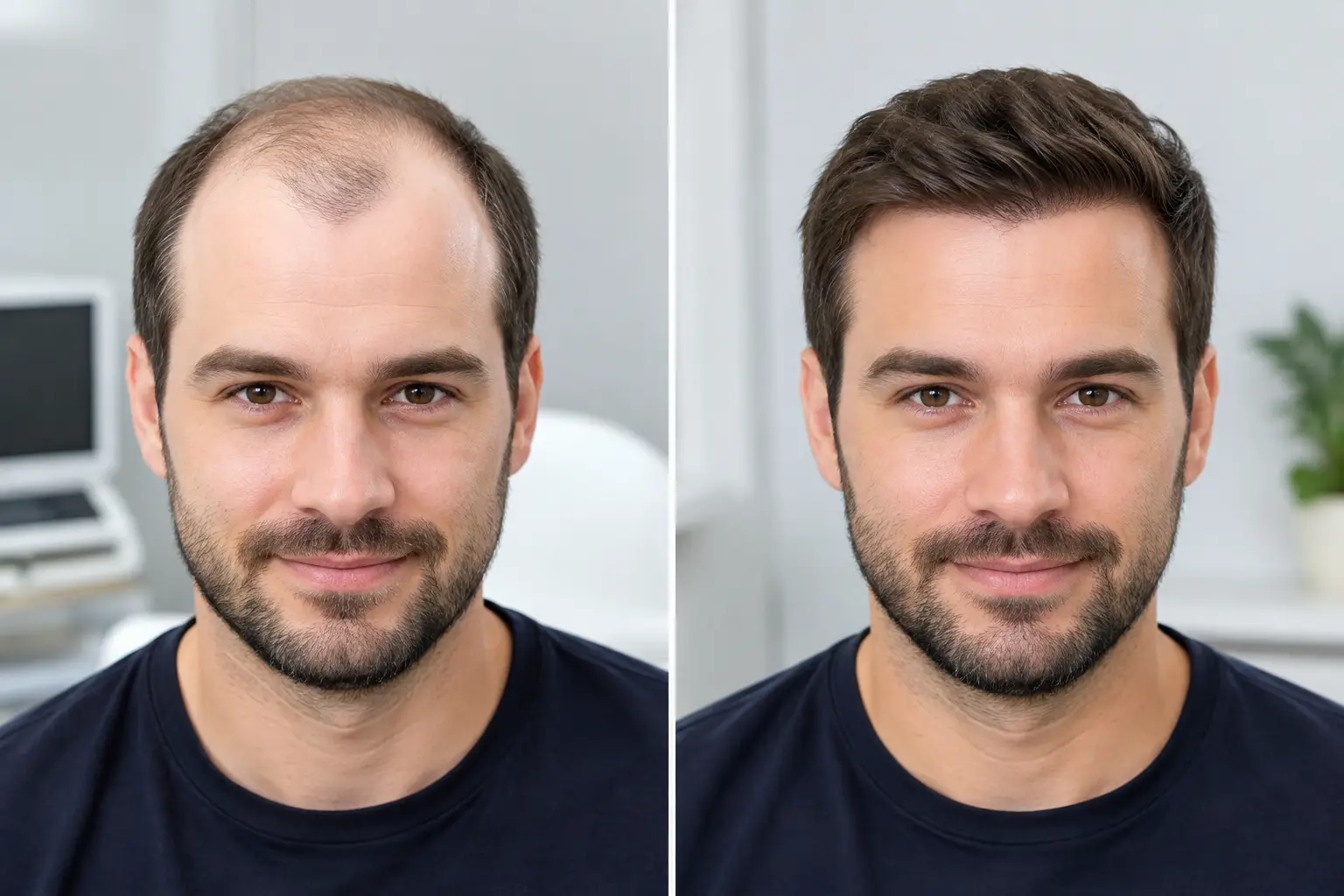
Most men do not notice hair loss all at once. It usually starts with more scalp showing in bright light, a hairline that keeps inching back in photos, or a crown that looks thinner than it used to. When that shift starts affecting how you feel about your appearance, the search for the best hair loss treatment for men becomes less about curiosity and more about getting real answers.
The right answer depends on one thing many ads ignore – what kind of hair loss you have, how far it has progressed, and whether you want to slow loss, thicken what remains, or restore areas that are already bare. There is no single treatment that is best for every man. There are, however, effective treatments, and the best results often come from choosing the right combination early.
What is the best hair loss treatment for men?
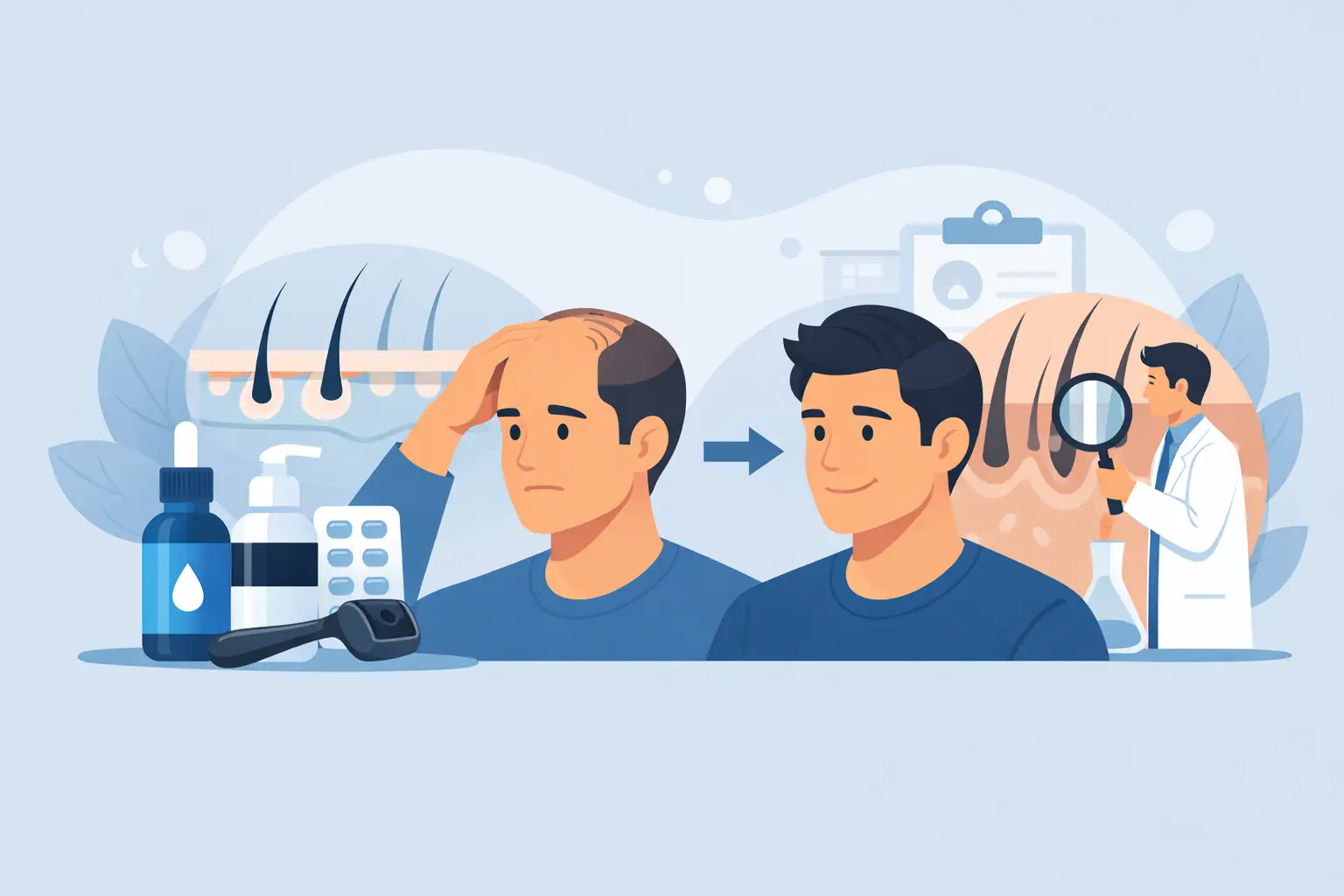
For most men with male pattern baldness, the best approach is not one treatment in isolation. It is a personalized plan that may include medication to slow ongoing loss, regenerative or supportive therapies to improve hair quality, and hair transplantation when follicles have stopped growing in certain areas.
If you are in the earlier stages of thinning, medical treatment may be enough to preserve and strengthen your existing hair. If you have recession at the temples, a thinning crown, or visible scalp that has not responded to conservative treatment, a transplant may offer the most meaningful cosmetic improvement. The key is matching the treatment to the stage of loss rather than chasing whatever sounds newest.
The main treatment options men should know
Hair loss medications
Medication is often the first line of treatment because it can address the underlying process behind male pattern hair loss. Some medications are designed to reduce the hormone activity that shrinks follicles over time. Others are used to stimulate growth and extend the life of existing hairs.
This option makes sense for men who still have active follicles in thinning areas. It is less useful for slick bald spots where follicles are no longer producing visible hair. Medication also requires consistency. If you stop treatment, the benefit usually fades, which is one of the biggest trade-offs men should understand from the start.
Regenerative hair loss injections
Regenerative treatments are used to support scalp health and encourage stronger growth in weakened follicles. These therapies are appealing to men who want a non-surgical option or who want to improve results alongside medication or transplantation.
They are not a replacement for surgery when hair is completely gone, but they can play a valuable role in early to moderate thinning. For the right candidate, they may improve density, texture, and overall hair quality. Results vary, and they tend to work best as part of a broader treatment plan rather than a standalone miracle fix.
Low-level laser therapy
Laser therapy is another non-surgical option commonly used for thinning hair. It is intended to support follicle function and improve the environment for hair growth. Men often like it because it is easy to add to a routine and does not involve downtime.
That said, laser therapy is usually a supporting treatment, not the centerpiece. It may help preserve and strengthen hair, but expectations should stay realistic. If your hairline has significantly receded or your crown has large areas of loss, laser therapy alone is unlikely to deliver the kind of visible change most men want.
Hair transplant surgery
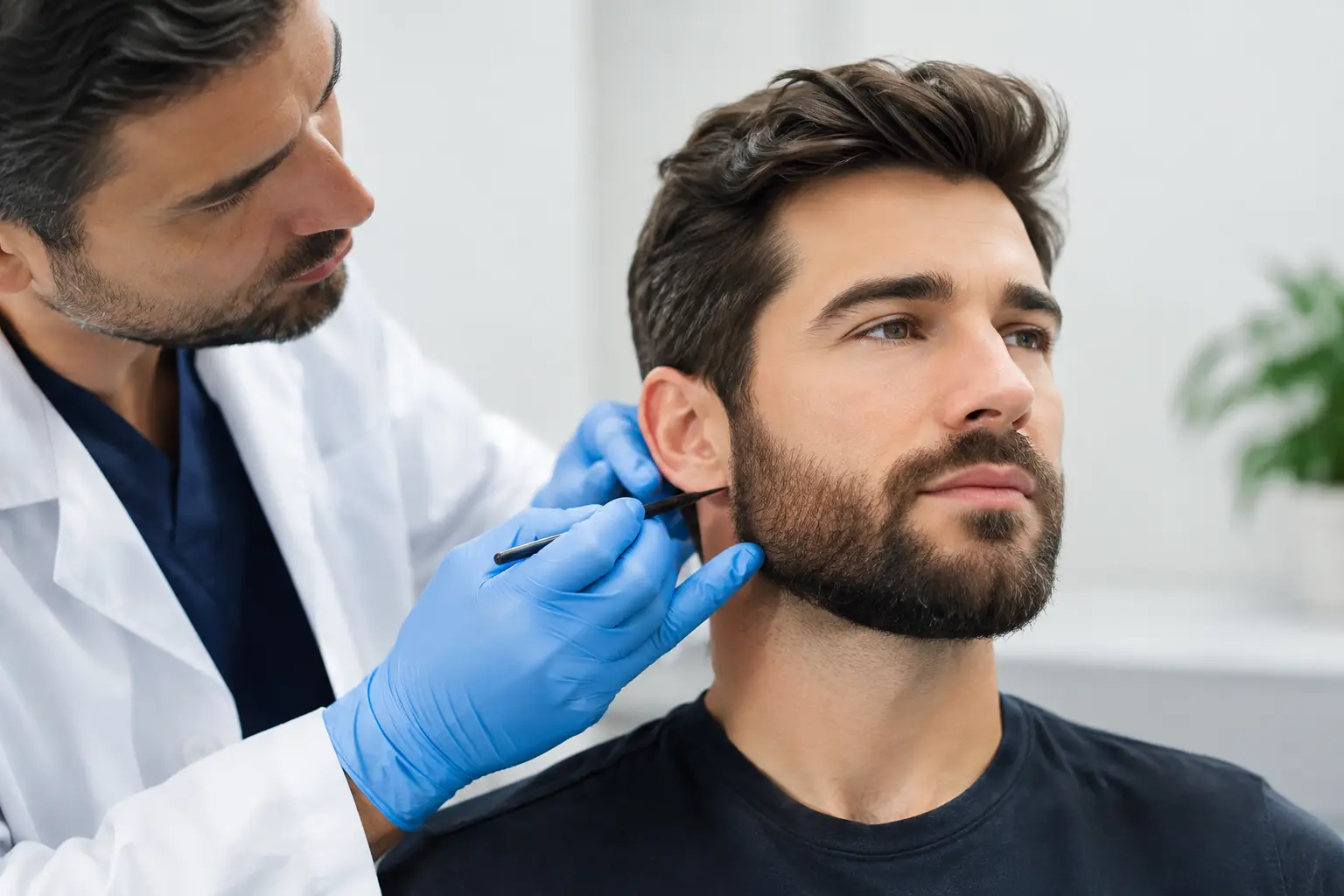
For men with permanent pattern loss, follicular unit extraction, or FUE, is often the most effective long-term solution. This procedure moves healthy follicles from donor areas, usually the back and sides of the scalp, into areas that have thinned or gone bald. Because the transplanted follicles are selected from hair that is genetically more resistant to loss, the results can be lasting and natural-looking when the procedure is planned well.
This is where experience matters. A transplant is not just about placing grafts. It is about designing a hairline that fits your age, face, and future loss pattern, while preserving donor supply for the long term. Done well, FUE can restore density in a way that looks natural even up close. Done poorly, it can look artificial or create problems that are difficult to correct.
Robotic FUE and advanced planning
Some men are especially interested in robotic-assisted FUE because it adds precision and consistency to parts of the extraction process. This technology can be helpful, but the machine itself is not the outcome. The real value still comes from physician oversight, aesthetic judgment, and a treatment plan tailored to your pattern of loss.
In other words, advanced technology matters, but it works best in skilled hands. If you are comparing clinics, look beyond equipment lists and focus on whether the practice offers individualized planning and realistic recommendations.
How to choose the best hair loss treatment for men at your stage
If your hair is thinning but still present across the affected area, treatment usually starts with preservation. That often means medical therapy, supportive in-office treatment, or both. The goal is to protect what you still have and improve density before loss progresses.
If your hairline has clearly receded or your crown has become visibly sparse, a transplant may become the better option for restoring shape and fullness. Even then, surgery often works best when paired with medical management, because transplanting hair does not stop native hair from continuing to thin.
If your loss is advanced, planning becomes even more important. Not every area can or should be densely packed in a single session. The best result may involve prioritizing the frontal hairline and mid-scalp first, then addressing other areas based on donor availability and long-term goals.
What men often get wrong about treatment
One common mistake is waiting too long while spending money on products that cannot realistically help. Shampoos and supplements may support hair health, but they are not usually enough to reverse established male pattern baldness on their own.
Another mistake is assuming surgery is only for severe baldness. In reality, some of the most natural transplant results happen when men address recession or thinning before the contrast becomes dramatic. Early intervention gives more flexibility and often leads to a more balanced, age-appropriate result.
The third mistake is choosing based on price alone. Hair restoration is highly technique-dependent. A low price can be tempting, but if grafts are overharvested, poorly placed, or designed without a long-term strategy, the cost of correcting the result can be much higher.
Why a personalized plan matters
Two men can have similar-looking hair loss and still need different solutions. Age, family history, donor quality, scalp characteristics, medical history, and styling goals all influence what makes sense. A man in his early 30s with active thinning needs a different strategy than a man in his 50s with a stable pattern and strong donor hair.
That is why a proper scalp analysis matters. It helps separate temporary shedding from true pattern baldness, shows where miniaturization is happening, and clarifies whether your goal should be prevention, restoration, or both. At a specialized practice like Austin Hair Clinic, that kind of evaluation is what turns a general search into a treatment plan with a clear direction.
What results should you realistically expect?
The best hair loss treatment for men should produce improvement that looks believable, not obvious. With non-surgical treatment, the goal is often to slow shedding, strengthen existing strands, and create the appearance of fuller coverage over time. With transplantation, the goal is to restore density and shape in a way that blends naturally with your existing hair.
Results also take patience. Medications and supportive therapies often need several months before progress becomes visible. Transplant results come in stages, with new growth typically developing gradually after the initial healing period. Men who understand the timeline tend to feel more confident in the process and less likely to abandon a treatment that is actually working.
Hair loss can feel personal, but choosing a treatment should be practical. The best next step is not guessing between trends. It is getting a professional evaluation that tells you what is happening, what can be preserved, and what can be restored so you can move forward with confidence.