Regenerative Injections for Hair Loss
Hair thinning rarely happens all at once. More often, it shows up in the mirror a little differently each month – a wider part, more scalp at the temples, less density under bright bathroom lights. That is usually the point when patients start asking about regenerative injections for hair loss and whether they can actually help.
The short answer is yes, for the right patient. These treatments can be a valuable part of a medical hair restoration plan, especially for men and women in the earlier stages of thinning who still have working follicles to support. They are not a replacement for every other hair loss treatment, and they are not magic. But when chosen carefully and performed as part of a personalized strategy, they can improve hair quality, help slow progression, and support stronger growth.
What are regenerative injections for hair loss?
Regenerative injections for hair loss are non-surgical treatments designed to stimulate weakened hair follicles and improve the scalp environment where hair grows. Depending on the treatment plan, this may involve platelet-rich plasma, often called PRP, or other biologic approaches that use concentrated growth factors to encourage healthier follicle activity.
The goal is not to create brand-new follicles where none exist. The goal is to help miniaturizing follicles function better for longer and, in some cases, produce thicker, stronger hair. That distinction matters. Patients with early to moderate thinning usually have more to gain than someone with a completely smooth, long-bald area.
This is one reason a proper evaluation matters so much. Hair loss can come from pattern baldness, hormone shifts, stress, inflammation, nutritional issues, or a combination of factors. An effective treatment plan starts by identifying what is actually driving the change.
How regenerative hair injections work
Hair follicles are small, but they are biologically active structures. When they begin to weaken, the growth cycle shortens, the hair shaft becomes finer, and density gradually drops. Regenerative injections aim to interrupt that process by delivering concentrated healing signals directly into the scalp.
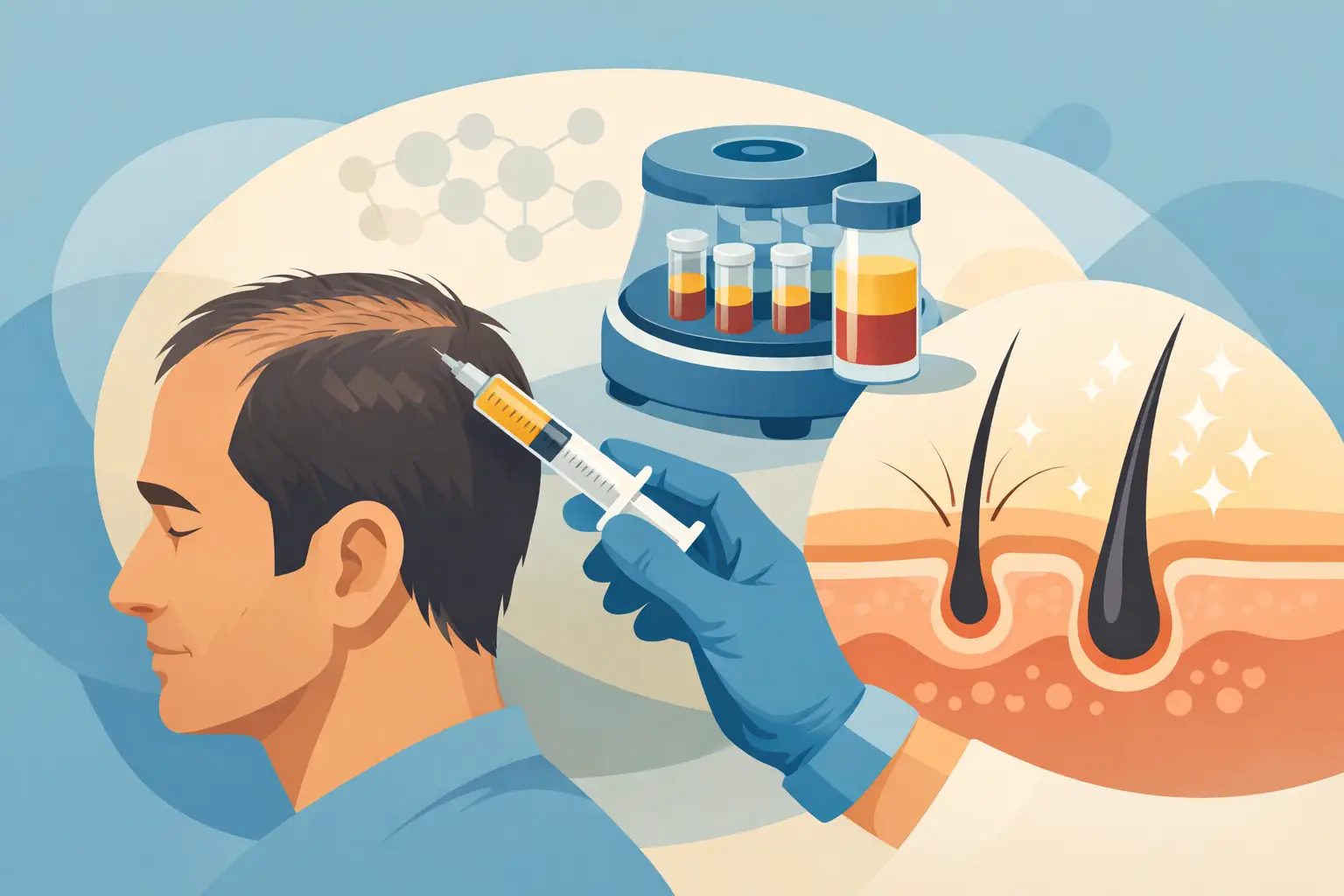
With PRP-based therapy, a small sample of the patient’s blood is processed to isolate platelets and growth factors. That concentrated material is then injected into areas of thinning. The theory and the clinical use are straightforward: support circulation, promote a healthier follicle environment, and encourage follicles that are still alive but underperforming to produce better hair.
The treatment itself is typically done in the office and does not require surgery or a long recovery. Most patients return to normal activity quickly. Some tenderness or mild scalp sensitivity can happen afterward, but downtime is minimal.
Who is a good candidate for regenerative injections for hair loss?
The best candidates are usually men and women with thinning hair rather than complete baldness. If you still have follicles present, even if the hair has become finer, there may be an opportunity to improve density and quality. Patients with androgenetic alopecia, also known as male or female pattern hair loss, often fall into this category.
These injections can also make sense for patients who want a non-surgical starting point or who are not ready for a hair transplant. For others, they are used alongside medications, laser therapy, or after a transplant to support the health of native hair and improve overall cosmetic fullness.
It depends on the pattern and severity of hair loss. Someone with recent thinning and visible miniaturized hairs may respond better than someone with long-standing bald areas where follicles are no longer active. Expectations also matter. This treatment may improve thickness and shedding control, but it usually does not recreate a teenage hairline.
What to expect during treatment
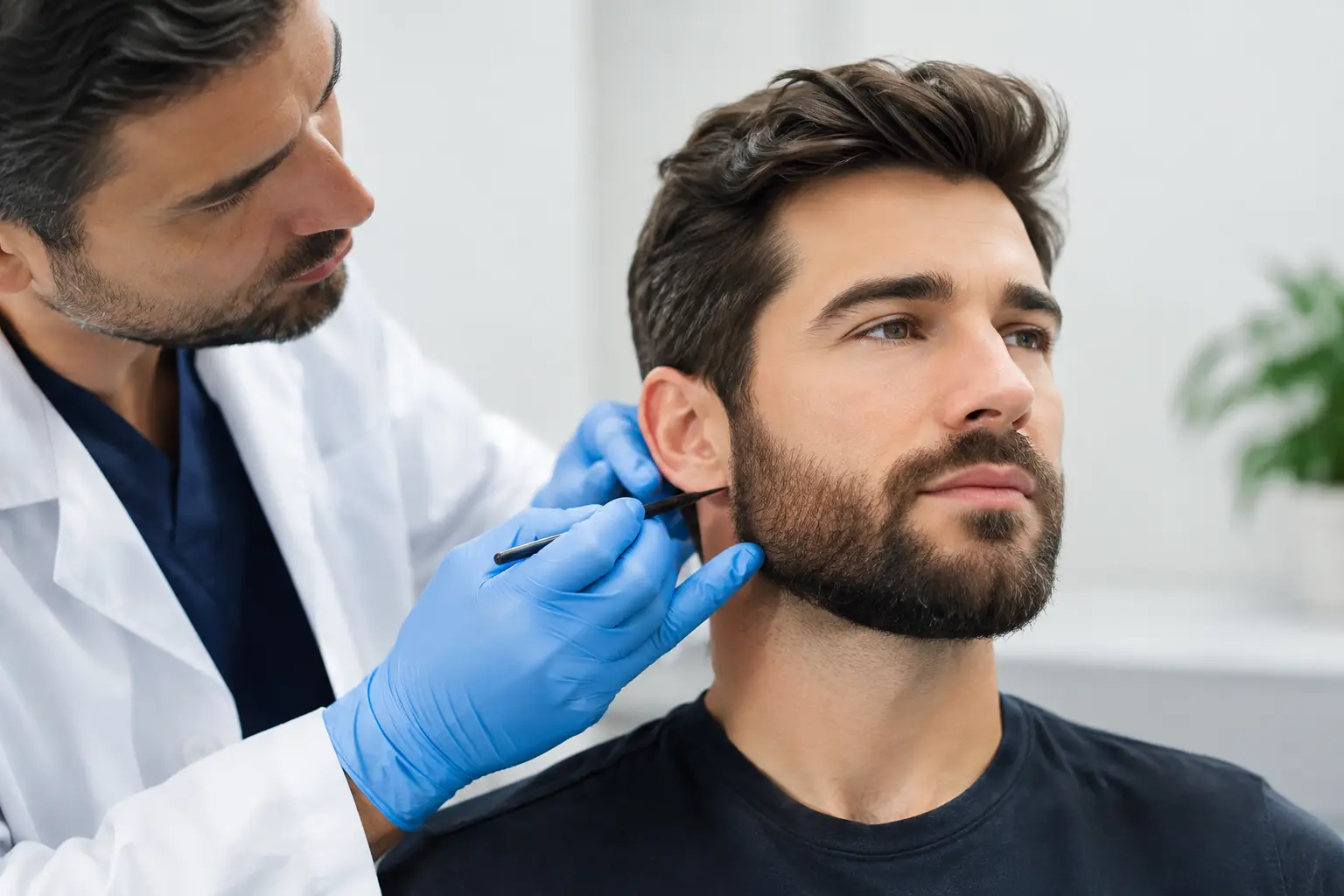
The process is relatively simple, but the planning behind it should be personalized. A consultation should include scalp analysis, review of your hair loss history, family history, medical factors, and a close look at whether your follicles are still viable.
On treatment day, the scalp is cleaned and the regenerative material is prepared. In PRP treatment, this begins with a blood draw. The concentrated solution is then injected into targeted areas of thinning across the scalp. The appointment is generally brief, and while injections are not completely painless, most patients tolerate them well.
A series of sessions is often recommended instead of a single visit. That is because hair growth is slow, and follicles respond over time rather than overnight. Maintenance treatments may also be advised depending on your hair loss pattern and how your scalp responds.
When results show up and what they look like
This is where patience matters. Hair grows in cycles, so visible change usually takes a few months. Some patients notice reduced shedding first. Others begin to see better texture, stronger strands, or modest density improvement as time goes on.
The most realistic expectation is improvement, not instant transformation. Regenerative treatments may help hair look healthier, fuller, and more resilient. For patients with advanced loss, however, injections alone may not be enough to produce the coverage they want. In those cases, a transplant or combination plan may be the better path.
That does not make injections less useful. In fact, they often work best as part of a broader strategy rather than as a standalone fix for every stage of hair loss.
Regenerative injections vs. other hair loss treatments
Patients often ask where these treatments fit compared with medication, laser therapy, and FUE transplantation. The answer depends on the amount of loss, how fast it is progressing, and what kind of result you want.
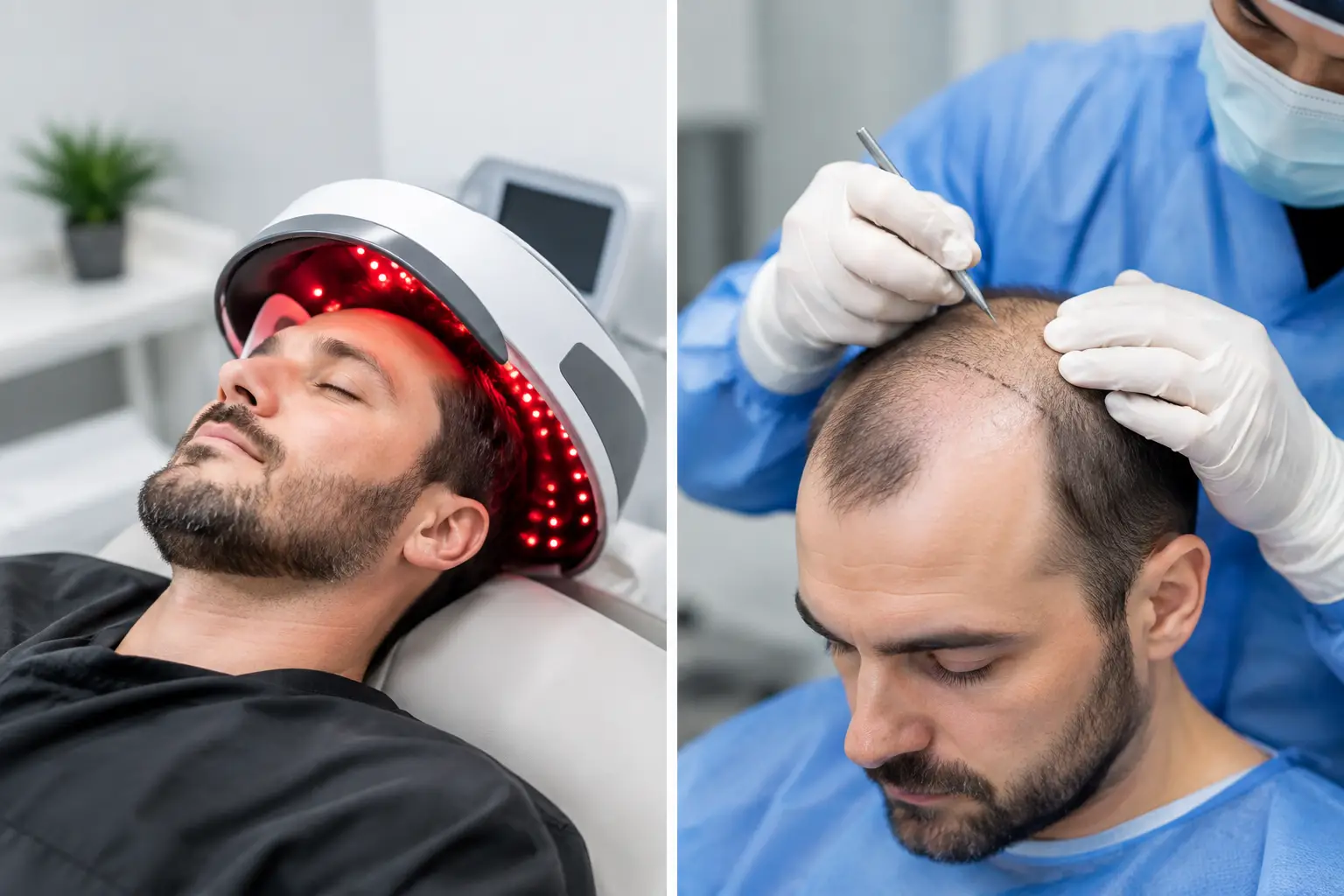
Medications can help slow ongoing hair loss and are often used to preserve existing hair. Low-level laser therapy may support scalp health and hair quality in some patients. Regenerative injections can complement both by adding a localized biologic stimulus to thinning areas.
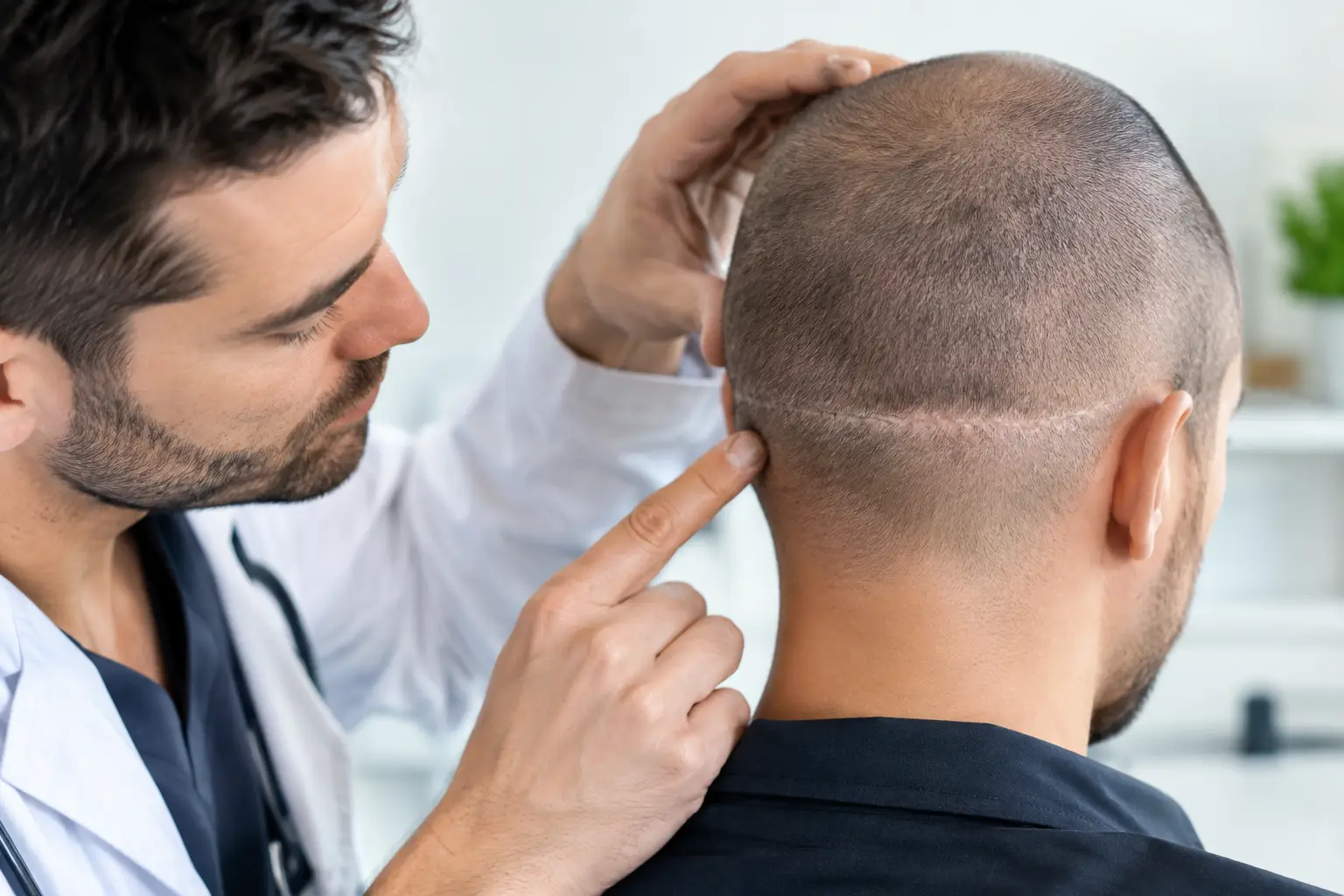
Hair transplantation is different. It physically redistributes healthy follicles into areas that need coverage. If a region is already significantly bald, injections may not be enough on their own because there may be too few functioning follicles left to stimulate. That is why a clinic offering both surgical and non-surgical options is often better positioned to recommend the right next step rather than forcing every patient into the same treatment.
Why personalization matters
Hair loss treatment gets disappointing when it is handled like a menu item instead of a medical decision. Two patients can have similar-looking thinning but need very different plans. One may be an excellent candidate for regenerative treatment with medication support. Another may need FUE for the hairline and injections to protect surrounding native hair. A third may need diagnostic work before any cosmetic treatment makes sense.
That is why physician oversight matters. The treatment itself may be quick, but determining whether it should be done, when it should be done, and what should accompany it is where expertise makes a real difference.
At Austin Hair Clinic, regenerative therapies are considered within the bigger picture of long-term hair restoration, not as a one-size-fits-all promise. That approach helps patients make decisions based on realistic outcomes rather than marketing claims.
Questions to ask before moving forward
Before choosing regenerative injections for hair loss, ask a few practical questions. What type of hair loss do I have? Do I still have active follicles in the thinning area? How many sessions are recommended? What kind of improvement is realistic for my stage of loss? Should this be combined with medication, laser therapy, or a transplant plan?
Good treatment decisions come from clear answers, not pressure. If a provider cannot explain why you are a candidate or what the limits are, that is a problem. Hair restoration works best when expectations are specific and the plan is built around your actual scalp condition.
For many patients, regenerative injections are a smart next step because they offer a minimally invasive way to treat thinning early and support existing hair. They are especially appealing to people who want visible improvement without surgery, or who want to strengthen their results as part of a more comprehensive plan.
If your hair looks thinner than it used to, that does not automatically mean transplant or nothing. Sometimes the best move is to act before thinning becomes more advanced. A thoughtful evaluation can tell you whether regenerative treatment makes sense now, whether another option fits better, or whether combining therapies gives you the best chance at stronger, more confident results.
The best time to address hair loss is usually earlier than you think, while there is still hair worth saving.