Is Laser Therapy for Thinning Hair Worth It?
Hair loss rarely starts with a dramatic moment. More often, it shows up in bathroom lighting, in photos, or when your usual hairstyle suddenly takes more effort. That is why laser therapy for thinning hair gets so much attention – it offers a non-surgical option for people who want to act early, support existing hair, and feel more in control before thinning becomes harder to hide.
What laser therapy for thinning hair actually does
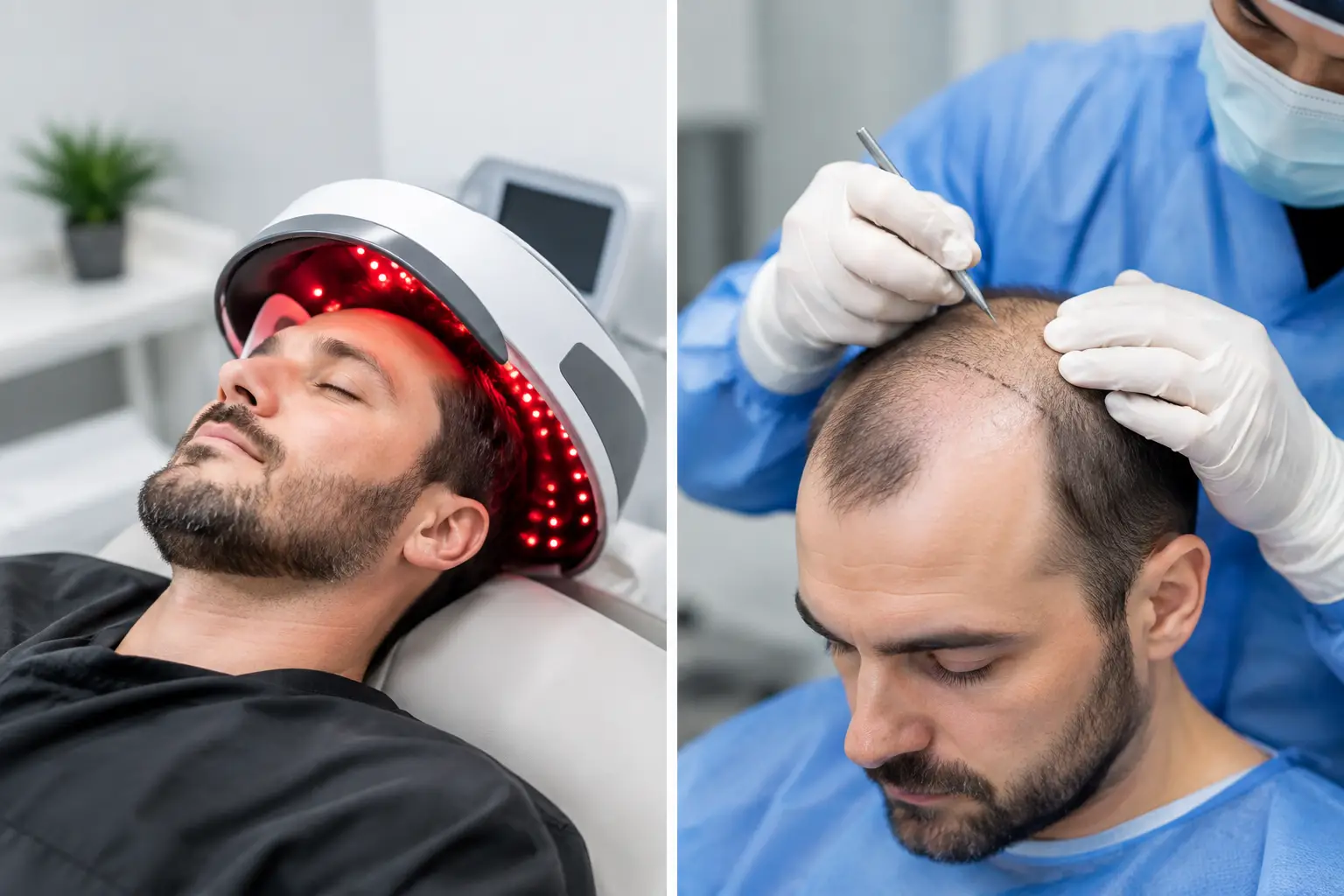
Laser therapy for thinning hair usually refers to low-level laser therapy, often shortened to LLLT. This is not the kind of laser used to cut, resurface skin, or remove hair. It uses low-intensity light at specific wavelengths to stimulate the scalp in a gentle, noninvasive way.
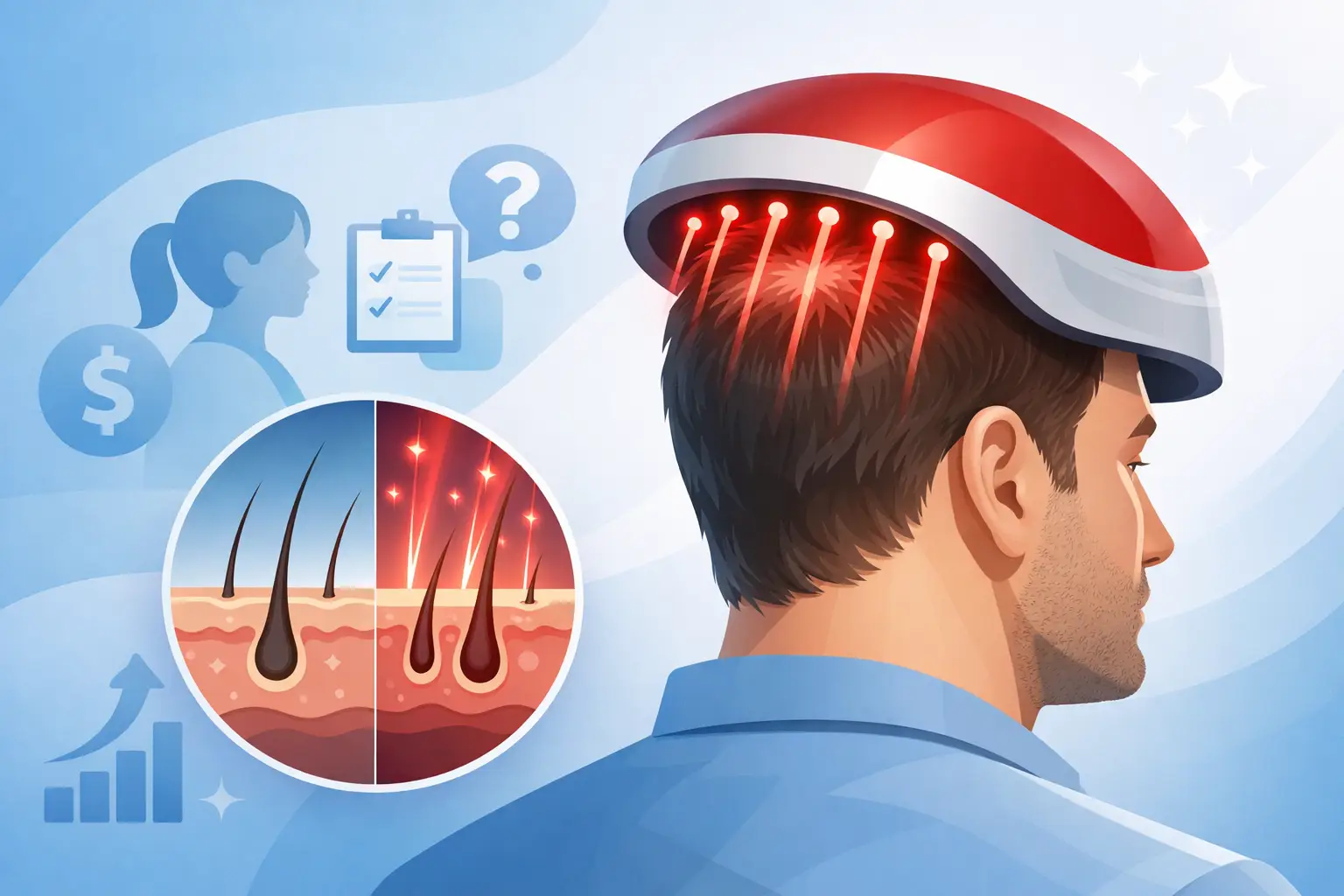
The goal is to support hair follicles that are still alive but underperforming. In people with pattern hair loss or diffuse thinning, some follicles gradually shrink over time. They start producing finer, shorter hairs before eventually stopping visible growth. Low-level laser therapy is designed to improve the environment around those follicles so they can function better.
Researchers believe this light energy may help increase cellular activity, improve circulation around the follicle, and prolong the growth phase of the hair cycle. That does not mean it can revive every dormant follicle. It works best when there is still hair to strengthen.
Who tends to see the best results
This treatment is usually a better fit for people in the earlier stages of hair loss than for someone with large slick bald areas. If your part is widening, your crown looks thinner, or your hairline seems less dense than it used to be, you may be in the range where laser therapy is worth considering.
Men and women can both be candidates. It is commonly used for androgenetic alopecia, also called male or female pattern hair loss. It may also be recommended as part of a broader plan for people with generalized thinning, especially when stress, hormonal changes, genetics, or age are contributing factors.
The key point is expectations. Laser therapy can help support existing follicles, reduce miniaturization in some patients, and improve the look of hair density over time. It is not usually the right answer if you are looking for immediate fullness or if the follicles in an area are no longer viable.
What treatment feels like
Most patients are surprised by how straightforward it is. Low-level laser therapy is painless. There is no anesthesia, no incision, and no downtime. Depending on the device and treatment plan, sessions are typically done in a clinic setting or with a medically selected home device.
During treatment, laser light is delivered to the scalp for a set amount of time. You do not feel heat in the way people often expect from the word laser. At most, some patients notice mild warmth or tingling, but many feel nothing at all.
Consistency matters more than intensity. Results depend on regular use over a period of months, not on one or two sessions. That is one reason medical guidance matters. The right protocol needs to match your level of thinning, your diagnosis, and the rest of your treatment plan.
How long it takes to notice change
Hair restoration is rarely fast, and laser therapy is no exception. Most people need several months of consistent treatment before they can fairly judge whether it is helping. Hair grows in cycles, and follicles need time to respond.
Some patients first notice reduced shedding. Others notice that hair feels stronger, styles more easily, or looks less see-through under bright light. Visible improvement in density, when it occurs, usually develops gradually.
This can be frustrating if you are hoping for a quick fix. But gradual change does not mean the treatment is ineffective. It means the biology of hair growth moves on its own timeline.
Where laser therapy fits in a real treatment plan
One of the biggest misconceptions about hair loss treatment is that there is one best option for everyone. In reality, the most effective plan often combines therapies.
Laser therapy can be useful as a standalone option for mild thinning, but it is often more valuable as part of a broader strategy. Depending on the cause and stage of your hair loss, that may include prescription medication, physician-guided supplements, regenerative treatments, or hair transplantation when loss has advanced beyond what non-surgical options can realistically restore.
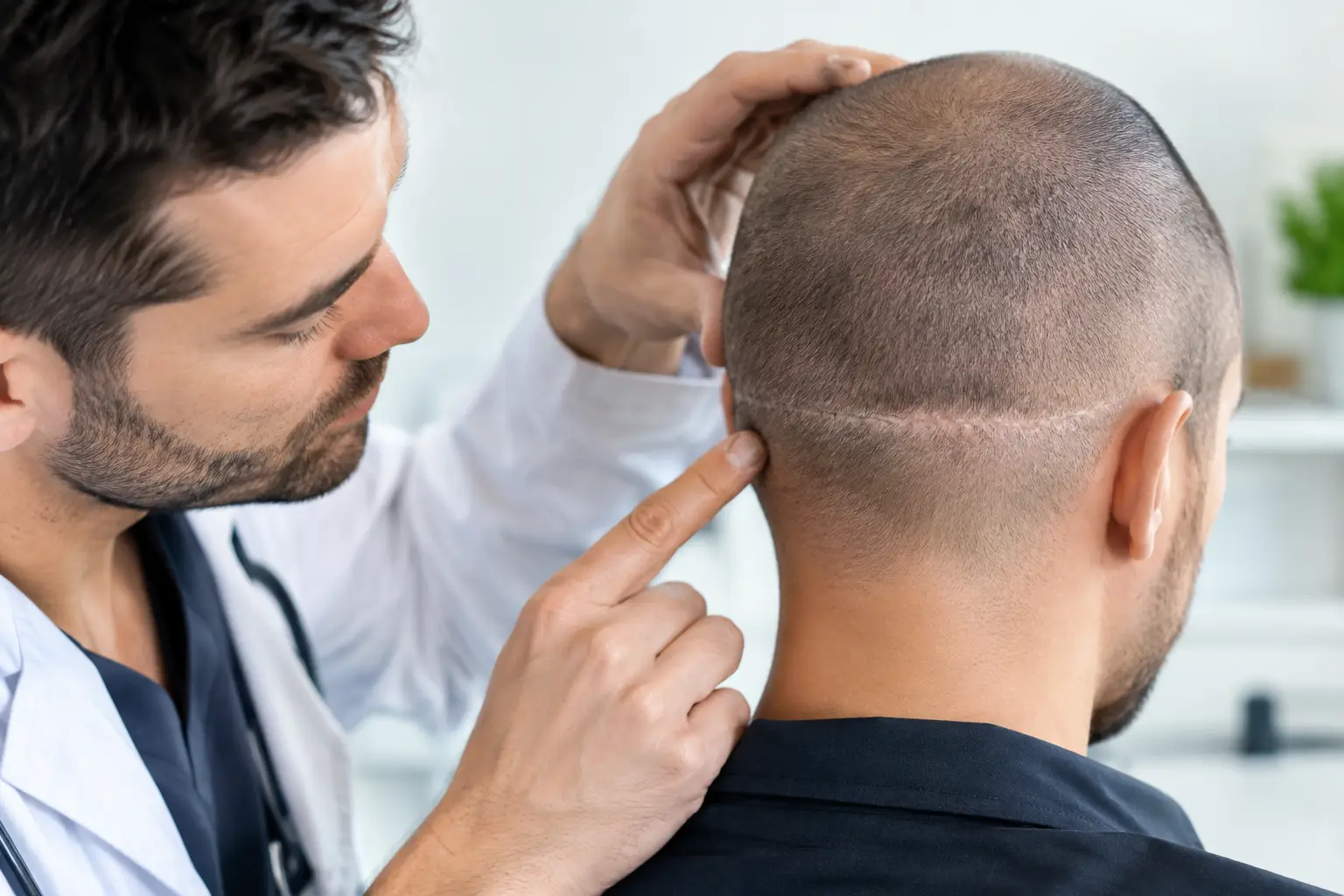
This is where a personalized evaluation matters. If your follicles are miniaturizing but still active, laser therapy may help support them. If you have significant recession or areas where follicles are no longer producing hair, a transplant may be the more effective route for rebuilding density, while laser therapy helps support the surrounding native hair.
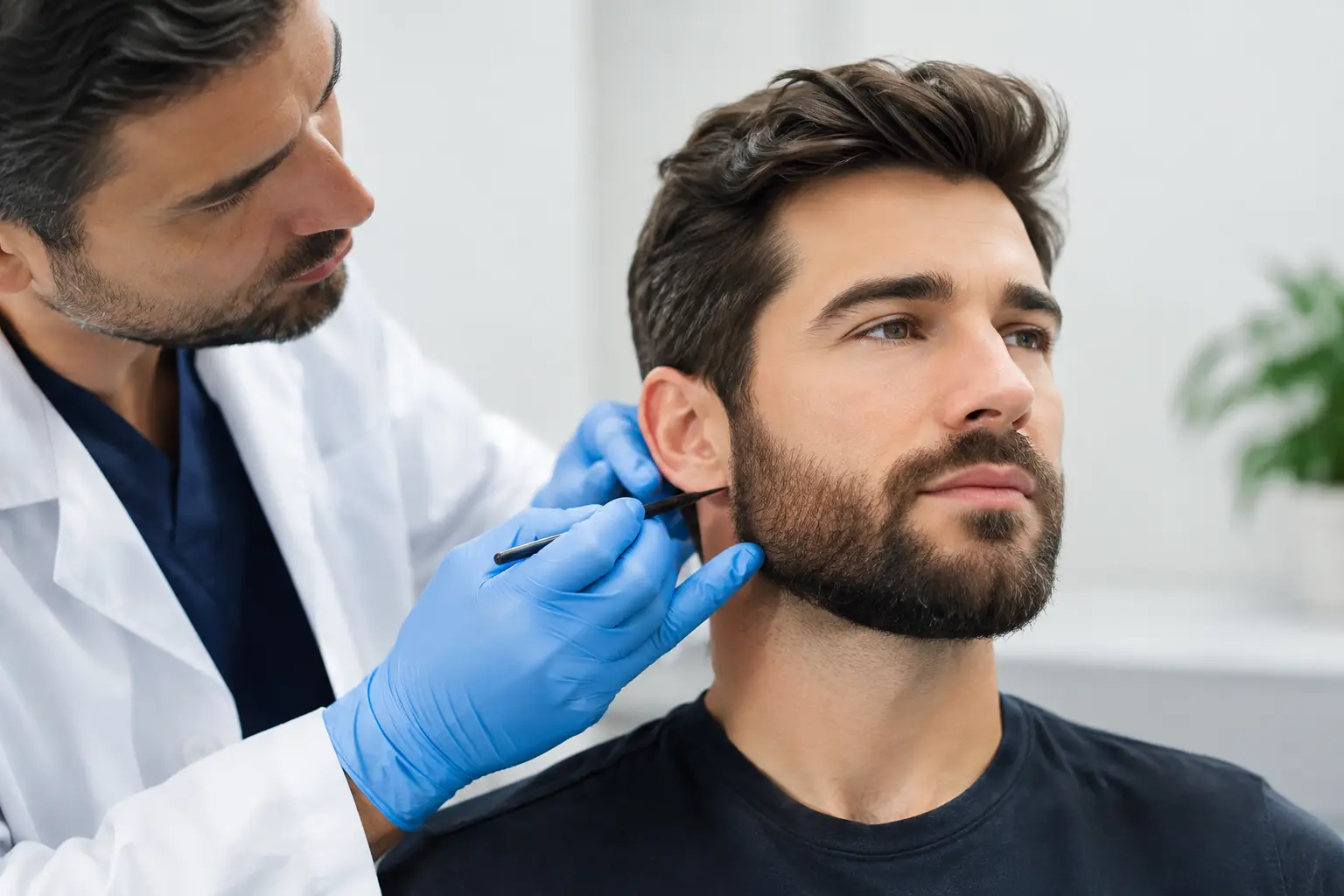
At a medical practice like Austin Hair Clinic, that distinction matters because the goal is not simply to offer a device. It is to match the treatment to the pattern of hair loss and the result you actually want.
The advantages of laser therapy for thinning hair
The appeal is easy to understand. It is non-surgical, comfortable, and easy to integrate into a long-term maintenance plan. For patients who are not ready for surgery or who want to preserve the hair they still have, it can be a practical next step.
Another advantage is that it generally carries a low risk profile when used appropriately. There is no recovery period, and treatment does not interfere with work or social plans. For busy professionals and parents, that convenience matters.
It can also play a supportive role after other treatments. Patients who have undergone hair restoration procedures or who are using medical therapies may use laser treatment to help create a healthier scalp environment and support overall hair quality.
The limits patients should understand
This is the part many articles gloss over, but it matters. Laser therapy is not magic, and it is not equally effective for every form of hair loss.
If thinning is caused by an untreated medical issue, severe nutritional deficiency, active scalp inflammation, or a type of scarring alopecia, laser therapy alone may not address the actual problem. If the scalp has large areas where follicles are gone, light stimulation cannot create new follicles.
Results also vary. Some patients see noticeable cosmetic improvement. Others get more subtle benefits, like slowed progression or better texture in existing hair. That still has value, but it is different from dramatic regrowth.
This is why honest diagnosis comes first. The right question is not whether laser therapy works in a general sense. It is whether it is likely to work for your specific pattern of hair loss.
How to tell if you are a good candidate
A good candidate is usually someone with active thinning rather than complete baldness, realistic expectations, and a willingness to stay consistent. It also helps if you want a noninvasive option or a treatment that pairs well with a broader restoration plan.
You may be a stronger candidate if you have early crown thinning, diffuse shedding with visible miniaturization, or family history of pattern hair loss that is beginning to show more clearly. You may be a weaker candidate if your hair loss is advanced, your scalp condition has not been diagnosed, or you want a one-time treatment with immediate transformation.
That does not mean non-surgical care is off the table. It simply means the plan may need to be more comprehensive.
Questions worth asking before you start
Before beginning laser therapy, ask what type of hair loss you have, how progress will be measured, and whether the treatment should be paired with medication or regenerative therapy. You should also ask how often treatment is needed and what timeline is realistic in your case.
These questions do more than clarify logistics. They help separate a medically guided recommendation from a generic sales pitch.
What matters most: diagnosis, timing, and consistency
Laser therapy for thinning hair can be a smart option for the right patient at the right stage. Its biggest strength is not that it replaces every other treatment. Its value is that it offers a low-commitment, non-surgical way to support struggling follicles and become proactive about hair loss before it progresses further.
If your hair is getting thinner and you are unsure whether to wait, medicate, or consider a procedure, that uncertainty is usually the signal to get evaluated. The earlier you understand what is happening, the more choices you tend to have – and the more likely you are to protect the hair you still have.