How Does FUE Hair Transplant Work?
If you have started noticing more scalp in the mirror, a wider part, or a hairline that seems to move back a little every year, you have probably asked the same question many patients ask first: how does FUE hair transplant work? The short answer is that FUE moves healthy hair follicles from areas genetically resistant to thinning into areas where hair has become sparse. The more useful answer is what that actually looks like in real life – from evaluation and graft selection to healing and growth.
How does FUE hair transplant work in simple terms?
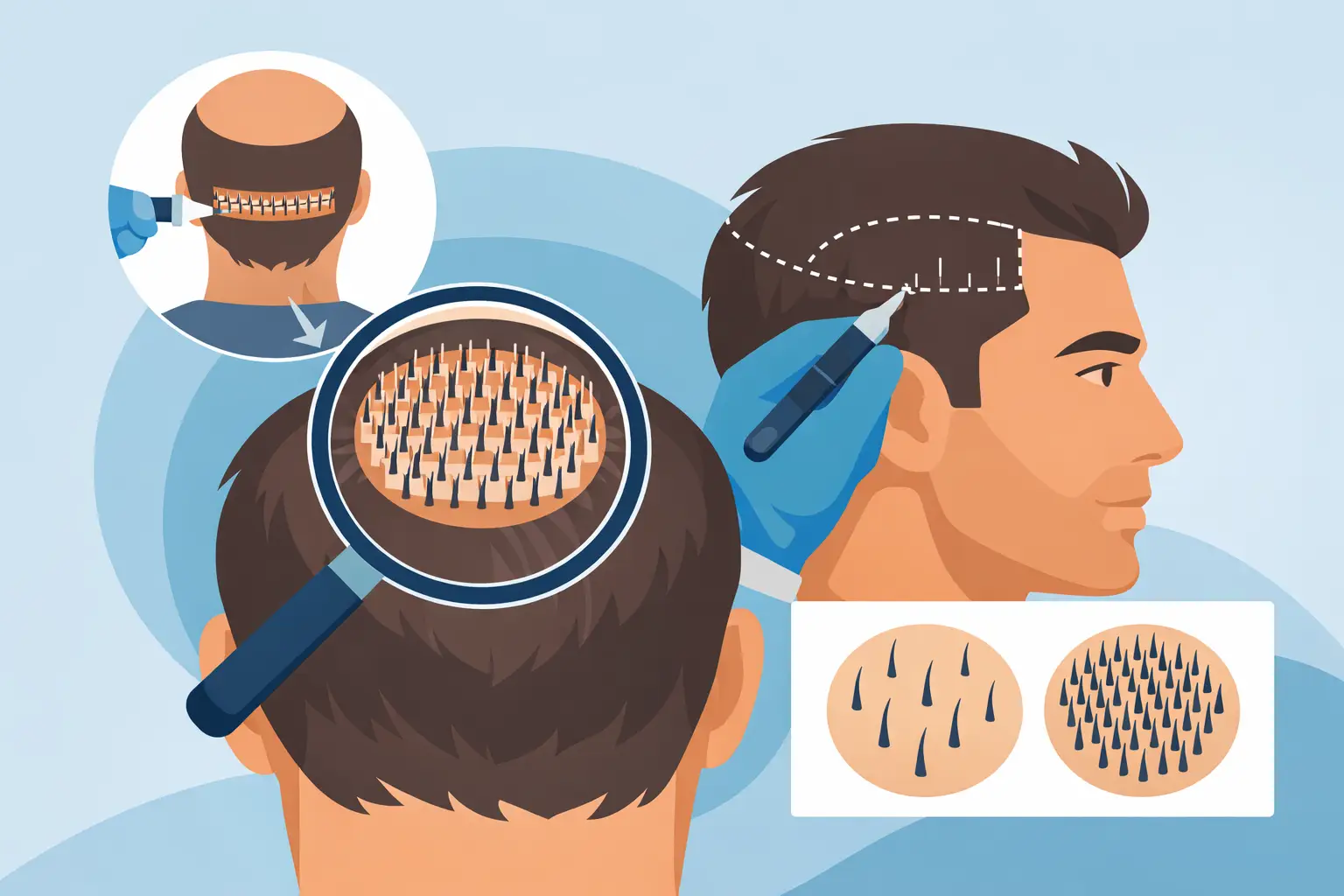
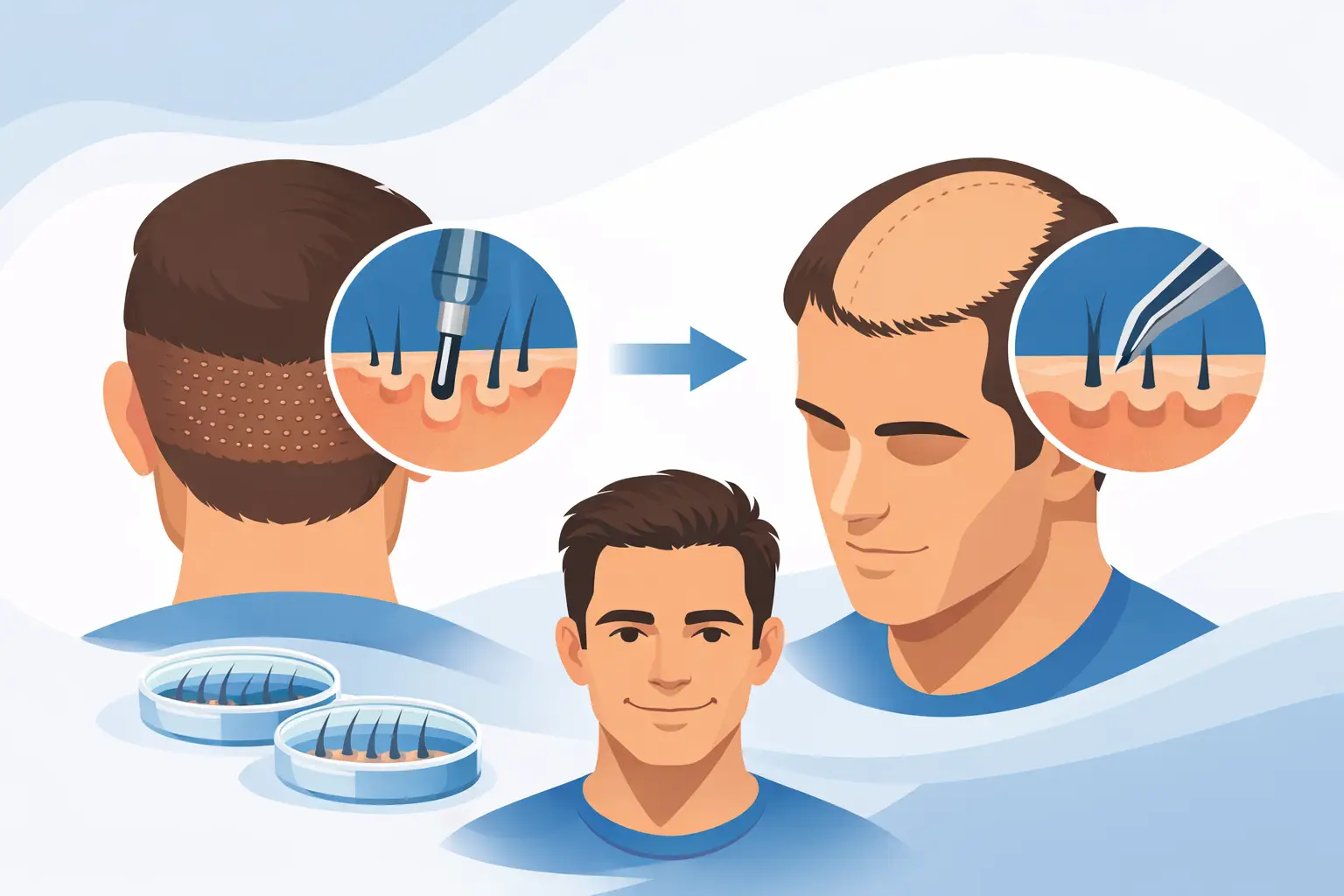
FUE stands for Follicular Unit Extraction. A follicular unit is a naturally occurring group of one to four hairs. During an FUE procedure, those follicular units are removed one at a time from a donor area, usually the back or sides of the scalp, and then carefully implanted into the areas that need more density.
Because the follicles are extracted individually, FUE does not require the linear strip removal used in older strip surgery techniques. That is one reason many patients prefer it. There is typically less visible scarring, healing is often easier, and the procedure is well suited for people who like shorter hairstyles.
The goal is not simply to add hair. It is to place each graft at the right angle, direction, and density so the final result looks natural when the hair grows in.
The first step is determining whether you are a good candidate
A good FUE result starts long before the procedure day. Hair restoration is not one-size-fits-all. Some patients have strong donor density and clearly defined areas of loss, which makes them ideal candidates. Others may still be losing hair rapidly, have limited donor supply, or need a combination of treatments rather than surgery alone.
That is why a proper consultation matters. A physician will examine your scalp, assess the pattern and cause of hair loss, review your medical history, and talk with you about goals. This step helps answer practical questions such as how many grafts may be needed, whether the donor area can support the plan, and what kind of hairline design will fit your age and facial structure.
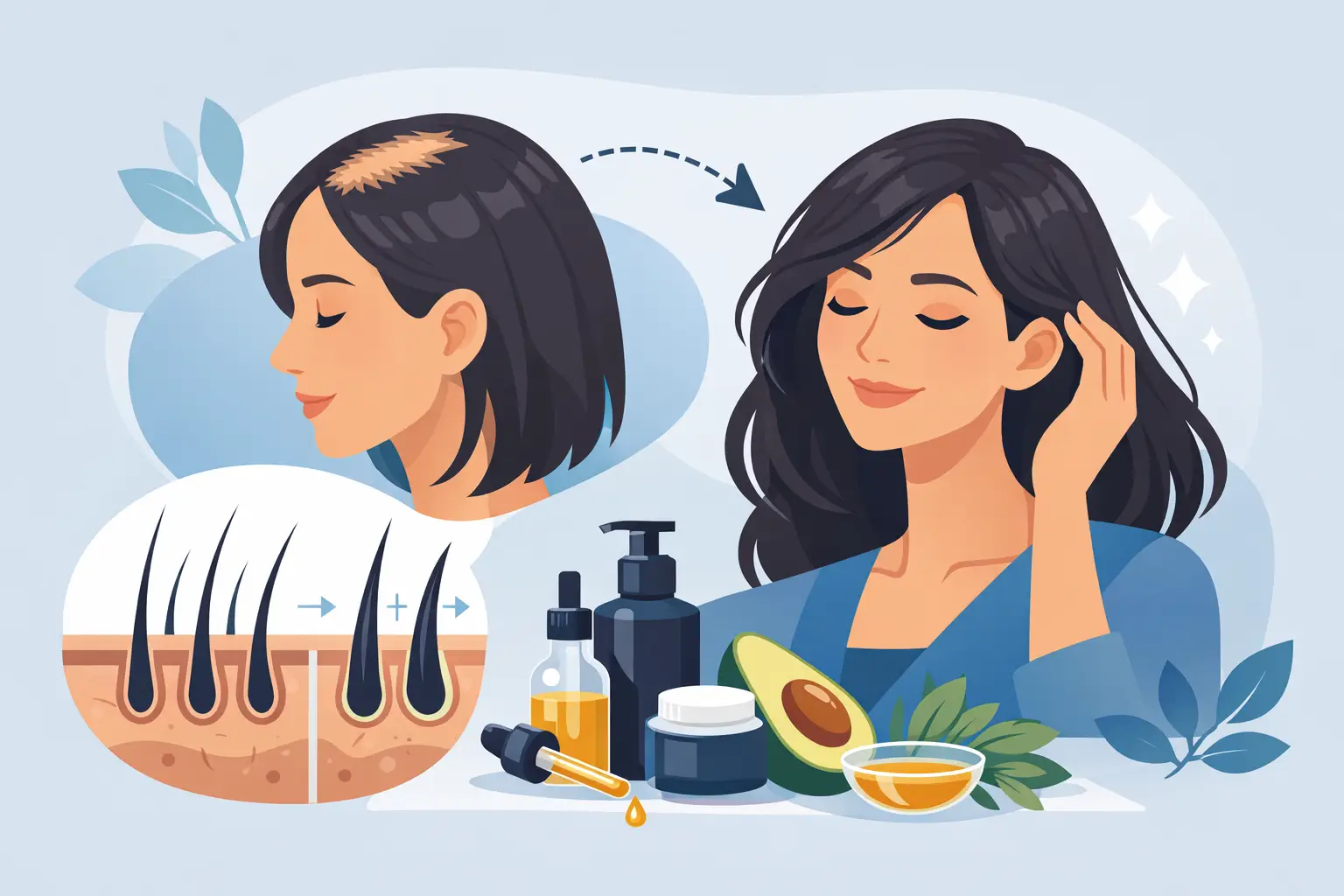
In many cases, the best treatment plan is broader than surgery alone. Some patients benefit from medication, low-level laser therapy, or regenerative hair loss treatments to support existing hair and protect long-term results.
What happens during the FUE procedure?
On procedure day, the donor and recipient areas are prepared first. Hair may be trimmed in the donor area to allow precise extraction. Local anesthesia is then used so the scalp is numb and comfortable.
The extraction phase comes next. Using a specialized manual or motorized punch tool, the surgical team removes individual follicular units from the donor area. This is done with great care because each graft needs to remain healthy and intact for successful transplantation.
Once the grafts are collected, they are sorted and protected before placement. Tiny recipient sites are then created in the thinning or balding areas. This stage is where artistry matters as much as technique. The angle, spacing, and distribution of grafts determine whether the result looks soft and natural or obviously surgical.
Finally, the follicles are placed into those sites. Single-hair grafts may be used at the frontal hairline for a softer look, while multi-hair grafts may be placed behind the hairline to build fullness. The entire process is meticulous. It can take several hours, and larger sessions may take most of the day.
How the transplanted hair survives and grows
A common concern is whether the moved hair will fall out again. The reason FUE works is that donor hairs are typically taken from areas that are genetically more resistant to pattern hair loss. When those follicles are relocated, they usually keep that resistance.
That does not mean every hair on your head is protected forever. The transplanted follicles are generally durable, but the native non-transplanted hair around them may continue to thin over time. This is why long-term planning is so important. A natural result today should still make sense years from now.
After placement, the grafts enter a healing phase. It is normal for the transplanted hairs to shed in the first few weeks. This can be surprising if you are not expecting it, but it is part of the process. The follicles remain in place under the skin and gradually begin producing new hair.
Most patients start seeing early growth around three to four months, with noticeable improvement developing over several more months. Full maturation often takes closer to 12 months, and sometimes longer depending on the area treated.
Recovery after FUE
One reason patients ask how does FUE hair transplant work is that they want to know how disruptive it will be. In most cases, recovery is manageable. Because FUE is minimally invasive, downtime is often shorter than with strip surgery.
You can expect some redness, mild swelling, and small scabs where grafts were placed and extracted. Detailed aftercare instructions are important because the first several days help protect the grafts while they anchor. That usually means gentle washing, avoiding strenuous exercise for a period of time, and being careful not to rub or disturb the scalp.
Most of the visible signs of treatment improve within days to a couple of weeks. The exact timeline depends on your skin, healing response, and the size of the session. Patients with public-facing jobs often want to plan their procedure around work or social events, and that is a reasonable conversation to have during consultation.
FUE vs. FUT: why the difference matters
Many people comparing transplant options want to understand the difference between FUE and FUT. FUT removes a strip of scalp from the donor region and then dissects it into grafts. FUE extracts the grafts individually.
FUE is often preferred by patients who want less obvious scarring and more flexibility with shorter haircuts. It can also feel like a more modern, less invasive approach. FUT may still be appropriate in some cases, especially when a high number of grafts is needed and donor characteristics support that route.
This is one of those areas where it depends. The best procedure is the one that matches your hair loss pattern, donor supply, hairstyle goals, and long-term plan. A quality consultation should explain why one approach makes more sense for you instead of pushing a single answer for everyone.
What about robotic FUE?
Some clinics also offer robotic-assisted FUE, including ARTAS technology. In robotic FUE, imaging and automation help identify and harvest follicular units with consistency and precision. That can improve efficiency in the right patient and support careful graft selection.
Still, technology does not replace judgment. Hairline design, graft placement, aesthetic balance, and overall treatment planning remain human decisions. The strongest outcomes usually come from combining advanced tools with experienced physician oversight.
What results should you realistically expect?
FUE can create a major cosmetic improvement, but realistic expectations matter. A transplant redistributes existing hair. It does not create unlimited new donor supply, and it does not always restore the density you had as a teenager.
The best results look believable, age-appropriate, and balanced. For some patients, that means rebuilding a receding hairline. For others, it means improving a thinning crown or filling in overall density. In facial hair restoration, it may mean shaping a fuller beard or restoring eyebrow definition.
Hair characteristics also influence the final look. Curl, caliber, color contrast, and donor density all affect perceived fullness. Thick, coarse hair often creates more coverage than fine hair. A skilled team accounts for those details when building your treatment plan.
Why medical planning matters as much as the procedure
A good FUE transplant is not just a technical event. It is part of a bigger strategy for managing hair loss. If your native hair continues to thin and there is no plan to stabilize it, even a well-done transplant can look less balanced over time.
That is why many patients do best with a combination approach. Medical therapies and supportive treatments can help preserve surrounding hair while the transplant restores areas that have already lost density. This kind of planning is especially important for younger patients and those with progressive hair loss.
At a specialized practice such as Austin Hair Clinic, the value is not only in performing the procedure. It is in building a personalized plan that considers your donor supply, future hair loss, appearance goals, and comfort level with maintenance.
When is the right time to consider FUE?
If hair loss is affecting how you feel about your appearance, if styling tricks are covering less than they used to, or if you are tired of temporary solutions, it may be time to look at surgical restoration more seriously. That does not mean everyone should rush into a procedure. It means getting expert guidance before the problem progresses further.
The right time is usually when hair loss has become established enough to plan intelligently, but not so advanced that donor options are unnecessarily limited. That balance is different for every patient.
The most helpful next step is often not making a decision on the spot. It is getting a proper scalp evaluation, understanding your options clearly, and seeing what is actually possible for your hair, your goals, and your future.