How to Thicken Thinning Hair: What Works
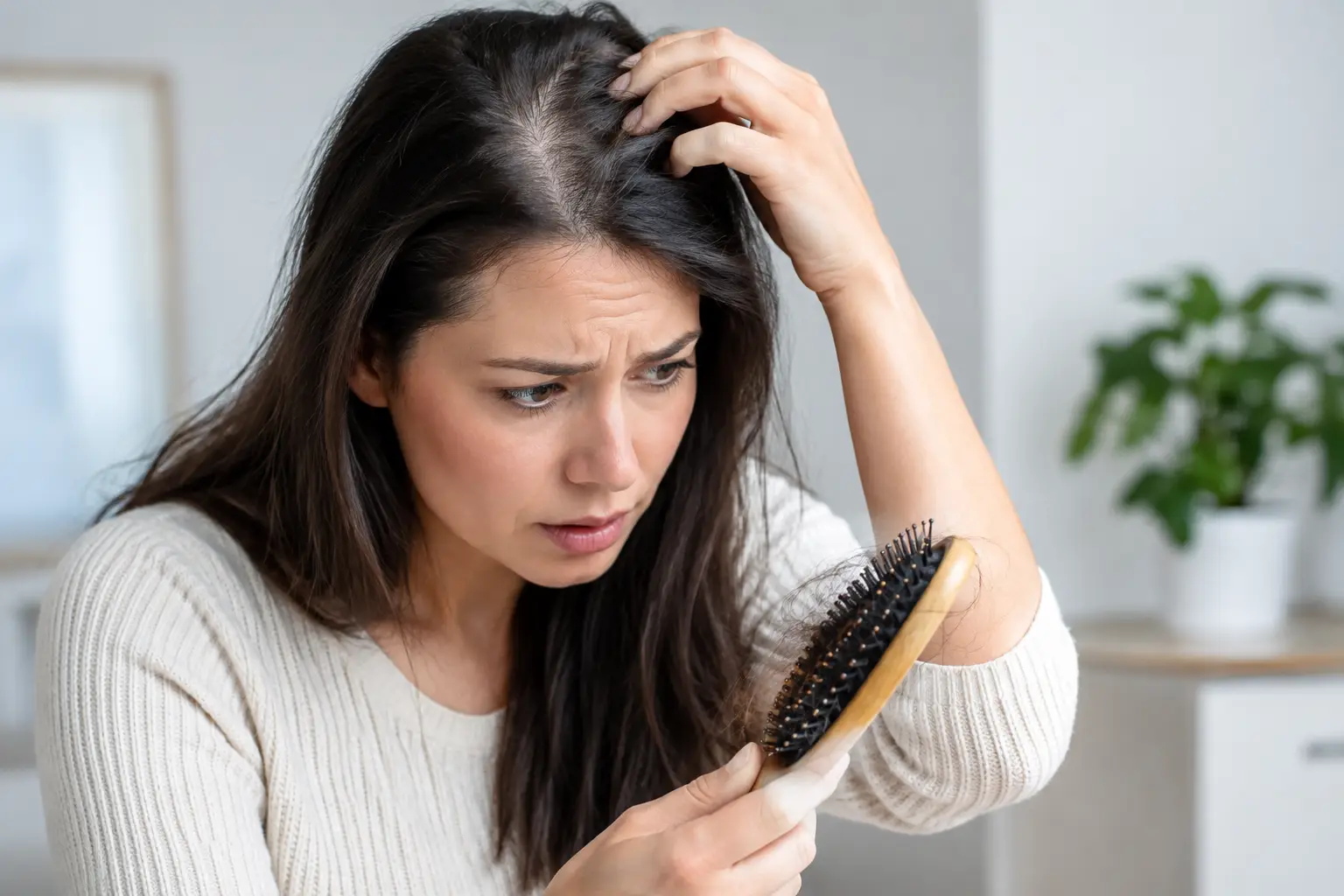
A widening part, more scalp under bright office lighting, or a ponytail that suddenly feels smaller can be hard to ignore. If you are researching how to thicken thinning hair, the most useful answer is not a single shampoo or quick fix. It is identifying why density has changed, protecting the hair you still have, and choosing treatments that match the stage and pattern of your hair loss.
Hair can look thinner for different reasons. Some people are experiencing early hereditary pattern hair loss. Others have shedding after illness, stress, rapid weight change, surgery, childbirth, or a medication change. Hormonal shifts, nutritional deficiencies, scalp inflammation, and hairstyles that place repeated tension on the hair can also play a role. The right solution depends on the cause, which is why a personalized medical evaluation can save time, money, and frustration.
How to Thicken Thinning Hair With a Clear Diagnosis
Before buying another product, look at the pattern. Gradual thinning through the crown or a receding hairline in men often points to androgenetic alopecia, commonly called male or female pattern hair loss. In women, this may appear as a broader part and reduced density at the top of the scalp. In men, it often starts at the temples, hairline, or crown.
Diffuse shedding that begins abruptly can be different. Telogen effluvium, for example, causes more hairs than usual to move into the shedding phase after a physical or emotional stressor. It can improve as the trigger resolves, but it is still wise to rule out contributing issues such as iron deficiency, thyroid concerns, or medication effects.
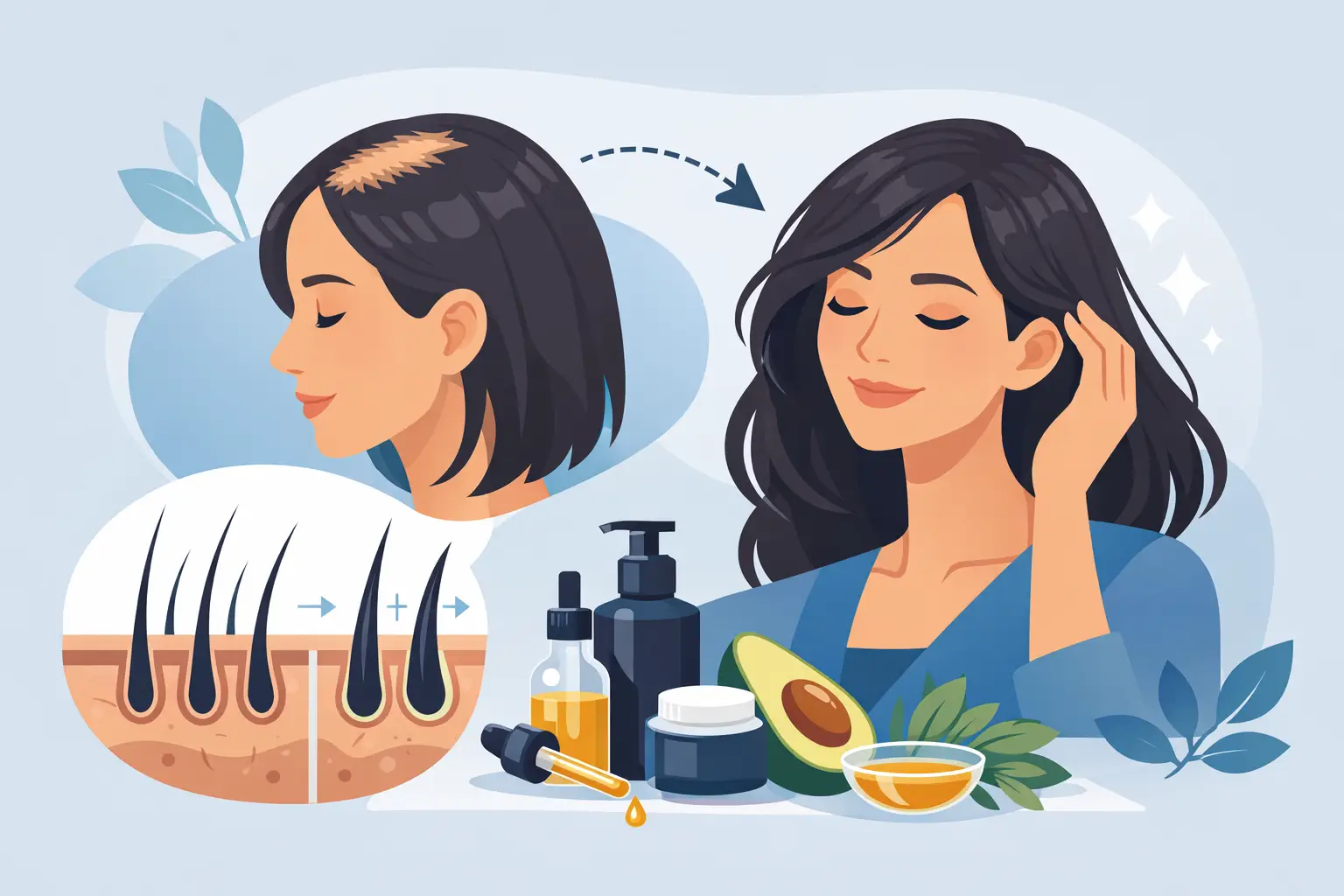
A scalp analysis and consultation can help distinguish active shedding from miniaturization, the process in which genetically sensitive follicles produce progressively finer, shorter hairs. This distinction matters. A person with temporary shedding may need reassurance and targeted medical guidance, while someone with ongoing follicle miniaturization often benefits from treatment designed to slow progression.
Protect Existing Hair First
The fastest path to a fuller appearance is often preserving the hair that remains. Once a follicle stops producing hair for a prolonged period, regrowth becomes less predictable. Early intervention gives you more options and can make a meaningful difference in long-term coverage.
For hereditary thinning, physician-guided medications may help reduce shedding and support thicker-looking growth over time. Minoxidil is a commonly used option for eligible men and women. It can help extend the growth phase of the hair cycle, but it requires consistency. Many people need several months before they can fairly assess changes, and early shedding can occur as follicles transition into a new cycle.
Some patients may also be candidates for prescription medications that address the hormonal component of pattern hair loss. These options are not appropriate for everyone, particularly certain women who are pregnant, may become pregnant, or have specific medical considerations. A qualified physician can review expected benefits, possible side effects, and whether medication fits your goals.
Do not stop a successful maintenance treatment simply because your hair looks better. In many cases, continued use is necessary to preserve gains. Think of medical hair loss treatment as ongoing care rather than a one-time reset.
Support Growth With Scalp-Focused Treatments
A healthy scalp is not a cure for genetic hair loss, but it creates a better environment for the hair you have and may support a broader treatment plan. Persistent itching, flaking, redness, or painful bumps deserve attention. Inflammation and untreated scalp conditions can worsen shedding or make topical treatment difficult to tolerate.
Low-level laser therapy is a noninvasive option used by some people with early thinning. It uses specific wavelengths of light intended to stimulate follicular activity. Results vary, and it is typically most effective as part of a consistent, physician-guided plan rather than as a stand-alone answer for advanced hair loss.
Regenerative hair loss injections may also be considered for appropriate candidates. These treatments are designed to support follicle health and can be paired with medication, laser therapy, or surgical restoration depending on the individual. They are not a substitute for donor hair when an area has become fully bald, but they may have a role in preserving and strengthening miniaturizing hair.
Supplements can be useful when a true nutritional need exists or when a clinician recommends them as part of a comprehensive plan. They should not be mistaken for a guaranteed treatment for pattern baldness. More biotin is not automatically better, and high-dose supplements can interfere with certain lab tests. A thoughtful approach is more valuable than a crowded bathroom shelf.
Make Hair Look Fuller While Treatment Takes Effect
Medical treatments work on the hair cycle, not overnight. While you wait for results, the right styling choices can improve visible density without damaging fragile strands.
Choose a cut that works with your current density. Shorter, textured styles can reduce the contrast between hair and scalp for many men. For women, strategic layers, a slightly shorter length, and a part that does not expose the thinnest area can create more movement and coverage. An experienced stylist can be a valuable part of the process.
Use lightweight volumizing products rather than heavy oils, waxes, or thick conditioners near the roots. Root-lifting mousse, dry texture spray, and hair fibers can provide an immediate cosmetic improvement for a special event, work presentation, or everyday confidence. Hair fibers are not a treatment, but they can make a significant visual difference when applied carefully to dry hair and set with a light holding spray.
Avoid habits that add unnecessary traction or breakage. Tight braids, extensions, slicked-back styles, aggressive brushing, and frequent high-heat styling can all make thin hair look worse. Use a wide-tooth comb on wet hair, keep heat settings moderate, and avoid harsh chemical processing when your hair is already fragile.
When a Hair Transplant May Be the Right Next Step
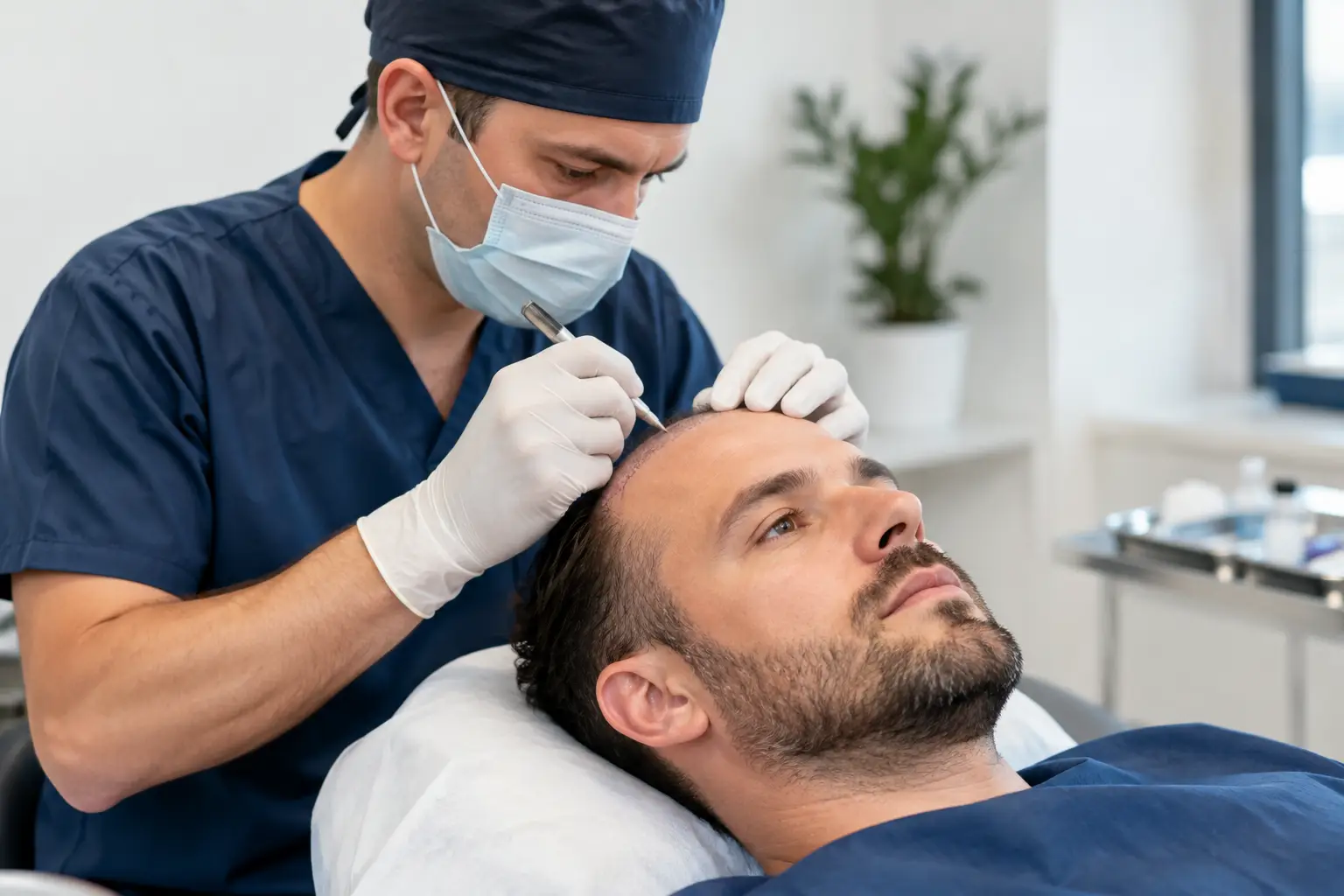
If thinning has progressed to visibly bare or sparsely covered areas, a hair transplant can provide the most durable improvement in density. Follicular Unit Extraction, or FUE, moves naturally growing follicular units from a stable donor area, usually the back and sides of the scalp, to the thinning hairline, temples, or crown.
FUE is not simply about placing the most grafts possible. Natural-looking results depend on donor management, hairline design, graft angle, spacing, and an honest assessment of what your available donor hair can achieve. The goal is believable coverage that suits your facial features, age, and likely future hair loss pattern.
A transplant works best when hair loss is reasonably stable and the patient has adequate donor density. It is often paired with non-surgical treatment to protect surrounding native hair. Without maintenance, untreated existing hair may continue to thin behind or around transplanted grafts, changing the overall appearance over time.
Advanced options such as robotic FUE can assist with selected parts of graft harvesting, while physician-led planning remains essential to the aesthetic result. For patients with facial hair concerns, beard and eyebrow transplantation may also create fuller, natural-looking definition when donor hair and expectations are appropriate.
Be Careful With Promises That Sound Too Easy
Products that claim to regrow a full head of hair in days are usually selling hope, not a realistic outcome. Shampoos can improve scalp comfort and make strands feel smoother or more voluminous, but they do not reverse advanced follicle miniaturization on their own. Likewise, a single treatment session rarely changes a long-term hair loss pattern.
Progress is usually measured in reduced shedding, stronger-caliber hairs, improved styling coverage, and gradual photographic changes. Taking consistent photos every few months in the same lighting and angle is more reliable than judging your hair day to day. Hair growth is slow, and normal fluctuations can make a mirror feel more discouraging than the actual trend.
When should you see a hair loss specialist?
Schedule an evaluation if shedding is sudden, patchy, painful, or accompanied by scalp symptoms. You should also seek guidance if thinning is affecting your confidence, you have a strong family history of hair loss, or over-the-counter efforts have not produced results. Earlier assessment often means more opportunities to preserve density.
Can thinning hair become thick again?
It depends on the cause and how long follicles have been miniaturizing. Temporarily shed hair may recover when the underlying trigger is addressed. Miniaturizing follicles can sometimes produce thicker hairs with early treatment. Areas where follicles are no longer active may require surgical restoration for meaningful coverage.
How long does it take to see thicker hair?
Most evidence-based options require patience. Initial changes may appear after three to six months, while a fuller assessment can take nine to 12 months. A transplant follows its own timeline, with new growth beginning gradually and maturing over many months.
Thinning hair does not require you to settle for vague advice or a one-size-fits-all product. At Austin Hair Clinic, a thorough consultation can clarify what is happening, what can realistically improve, and which path supports the natural-looking confidence you want to see in the mirror.