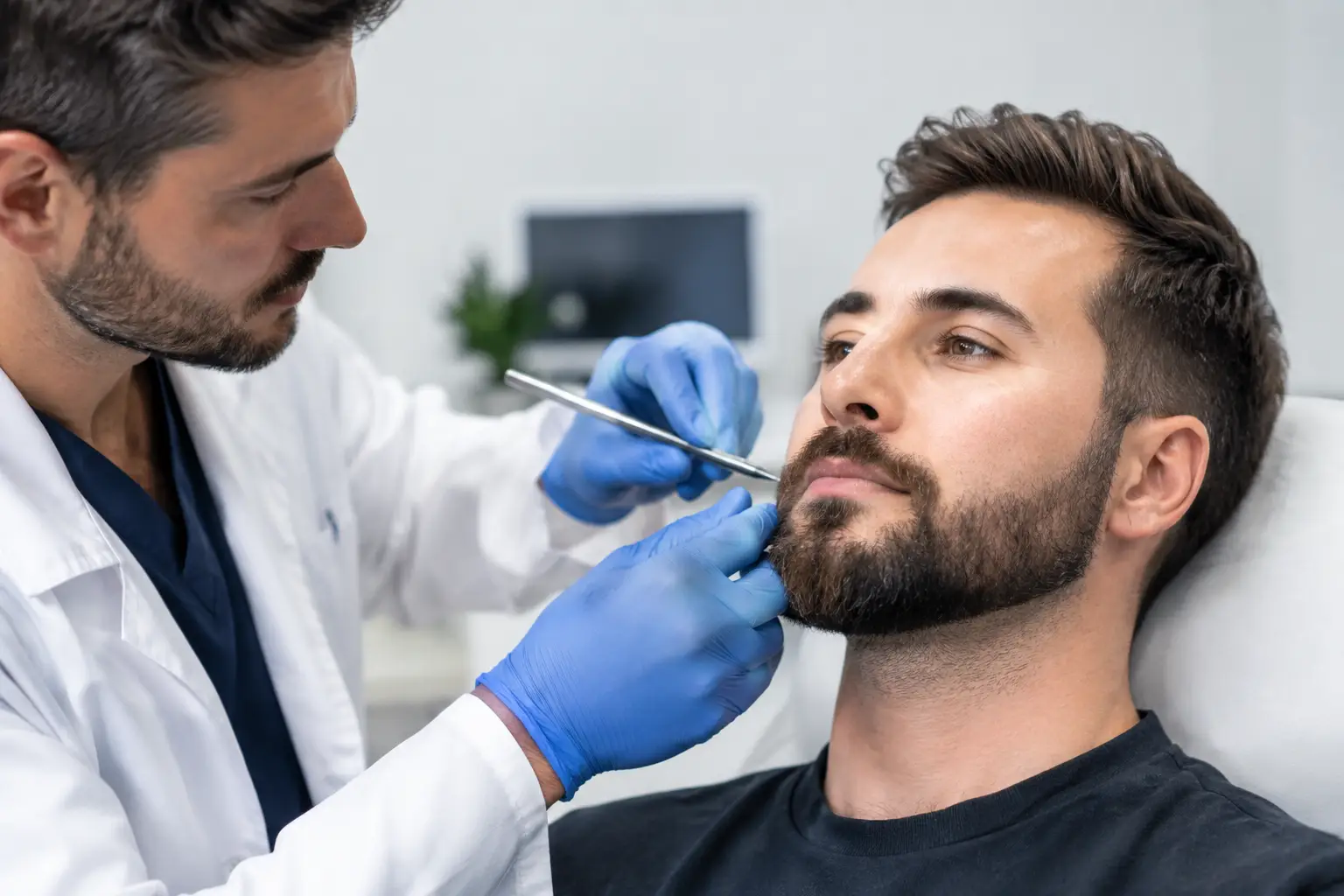
What Causes Sudden Hair Thinning? Key Reasons
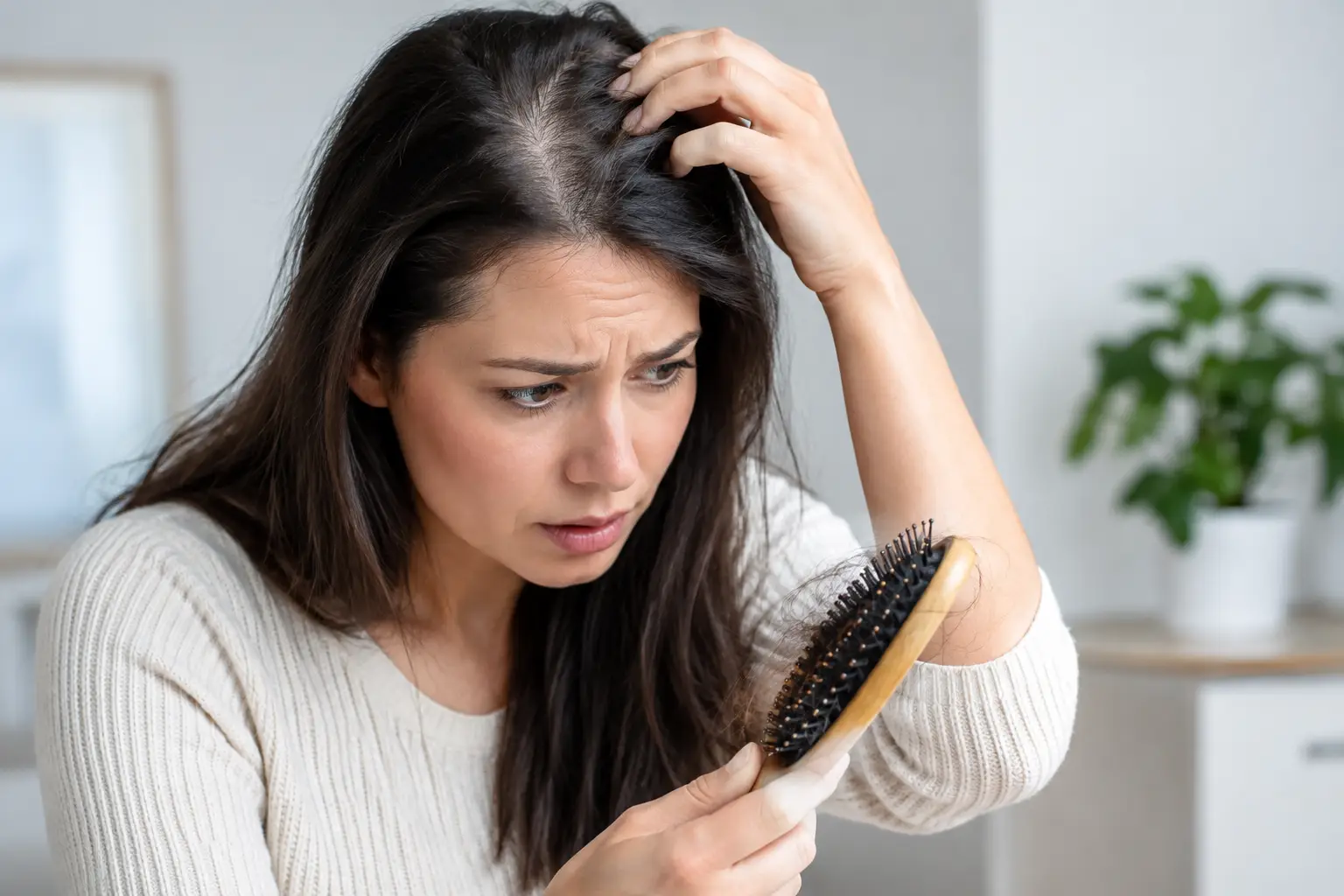
A noticeably wider part, more hair around the shower drain, or a scalp that suddenly shows through can feel alarming. If you are asking what causes sudden hair thinning, the answer is often more complex than one bad hair day or a new shampoo. Sudden changes can reflect temporary shedding, an underlying medical issue, or a genetic hair loss pattern that has become more visible.
The good news is that many causes can be identified and treated. The first step is understanding whether you are shedding more hairs than usual, losing density in a particular pattern, or dealing with breakage that only looks like hair loss.
What Causes Sudden Hair Thinning?
Hair naturally moves through growth, transition, and resting phases. Most of the time, this cycle is balanced enough that shed hairs are replaced without a visible change in density. Sudden thinning can occur when a larger-than-normal number of follicles shift into the resting phase at once, when follicles gradually miniaturize, or when the hair shaft breaks before it reaches its usual length.
Timing matters. A stressful event from two or three months ago may be connected to shedding you notice today. Pattern hair loss, on the other hand, may seem sudden because a person reaches the point where decreased density becomes visible in certain lighting, photos, or at the hairline.
Stress, illness, and major body changes
A common explanation for diffuse shedding is telogen effluvium. This occurs when physical or emotional stress prompts more follicles to enter a resting phase prematurely. The shedding often begins several weeks to a few months after the trigger, rather than immediately afterward.
Potential triggers include a high fever, surgery, hospitalization, a significant infection, rapid weight loss, intense emotional stress, childbirth, or stopping certain hormonal medications. Many people first notice hair on their pillow, in the shower, or when brushing. The thinning is usually spread across the scalp rather than limited to one distinct bald patch.
Telogen effluvium can be temporary, but recovery is not instant. Once the trigger is addressed, new growth still needs time to emerge and gain length. If shedding persists or density continues to decline, a medical evaluation can help determine whether another type of hair loss is also present.
Hormonal shifts and genetic pattern hair loss
Androgenetic alopecia, commonly called male or female pattern hair loss, is driven by genetics and hormone sensitivity. In men, it often appears as recession at the temples, a thinning crown, or both. In women, it frequently presents as a widening part or reduced density over the top of the scalp while the frontal hairline remains relatively preserved.
This condition is progressive, but it can become noticeable quickly after a hormonal change, a stressful period, or a change in hairstyle. Pregnancy, postpartum changes, perimenopause, menopause, thyroid disorders, and conditions associated with hormone imbalance can all affect the hair growth cycle.
Genetic hair loss does not always mean a person needs surgery. Medication, low-level laser therapy, regenerative treatments, and targeted nutritional support may help preserve existing hair when appropriate. For patients with stable hair loss and adequate donor density, FUE hair transplantation can restore strategically lost density with natural-looking placement.
Nutrition, weight changes, and medication effects
Hair follicles require consistent energy and nutrients to produce strong hair. Restrictive dieting, rapid weight loss, low protein intake, iron deficiency, and other nutritional deficiencies can contribute to shedding or fragile hair. Supplements are not a substitute for identifying the actual cause, and taking high doses of nutrients without guidance can create its own problems.
Some medications may also contribute to shedding. The relationship depends on the medication, the dose, your health history, and when the hair changes began. Do not stop a prescribed medication on your own. Instead, discuss the concern with the clinician who manages it and ask whether timing, alternatives, or laboratory testing should be considered.
Scalp conditions, autoimmune loss, and hair breakage
Inflammation on the scalp can affect both comfort and hair retention. Persistent itching, scaling, redness, pain, or thick buildup may point to a scalp condition that deserves attention. In other cases, autoimmune hair loss can create smooth, round patches that are different from diffuse shedding or gradual pattern thinning.
Not every apparent loss of volume starts at the follicle. Bleaching, frequent heat styling, chemical processing, tight braids or extensions, and aggressive brushing can damage the hair shaft. Breakage may leave shorter hairs and uneven density, particularly around the hairline and temples. Reducing traction and chemical stress can protect remaining hair, although broken strands cannot be reattached.
When Sudden Thinning Needs Medical Attention
Hair shedding after a stressful event is common, but it should not be dismissed automatically. A professional assessment is especially valuable when hair loss is rapid, patchy, painful, associated with scalp symptoms, or accompanied by fatigue, unexpected weight change, menstrual changes, or other health concerns.
A thorough evaluation begins with your history. When did the thinning start? Was there an illness, surgery, dietary change, new medication, pregnancy, or major stressor in the preceding months? Your clinician may examine the scalp and hair shafts, review family history, and recommend laboratory testing when symptoms suggest a nutritional, thyroid, hormonal, or other medical contributor.
Photos can also be useful. Pictures taken in the same lighting and angle every month can show whether shedding is settling, whether density is improving, or whether pattern loss is progressing. This is far more reliable than judging your hair after a single shower or a difficult styling day.
A Personalized Plan Protects More Than Hair
The right treatment depends on the diagnosis, your goals, and the quality of your existing donor hair. Treating temporary shedding is different from managing long-term genetic thinning. If inflammation or a health issue is involved, that concern needs to be addressed before cosmetic restoration becomes the focus.
For early pattern loss, the priority is often slowing miniaturization and protecting the hair you still have. A customized plan may include physician-guided medication, low-level laser therapy, regenerative hair loss injections, or clinically selected supplements. Results vary, and consistency matters. Hair growth treatments generally require months, not weeks, to show meaningful changes.
For more established areas of loss, a hair transplant may be part of the conversation. FUE removes individual follicular units from a donor area and places them into thinning or bald regions with careful attention to angle, density, and hairline design. It can provide a durable cosmetic improvement, but it does not stop future loss in untreated native hair. That is why long-term planning matters as much as the procedure itself.
At Austin Hair Clinic, a scalp analysis and physician-led consultation can help separate temporary shedding from progressive hair loss and create a plan that fits your hair, health history, and confidence goals.
Do Not Let Guesswork Delay Care
It is understandable to reach for a new shampoo or supplement when your hair suddenly feels thinner. Those choices may make hair look or feel better, but they cannot replace an accurate diagnosis. Early attention can be particularly valuable when follicles are still producing finer hairs rather than having stopped growth altogether.
Be gentle with your hair while you seek answers. Avoid tight styles and harsh chemical processing, prioritize adequate protein and balanced nutrition, and keep a record of recent health changes. Most of all, give yourself permission to ask for professional guidance. A clear explanation of what is happening can replace uncertainty with a practical path forward.