Best Non Surgical Hair Regrowth Treatment
Hair loss usually does not start with a dramatic moment. It shows up in bright bathroom lighting, in photos, or when your usual haircut suddenly looks thinner. If you are searching for the best non surgical hair regrowth treatment, you are probably looking for something practical – something that works, fits your lifestyle, and helps you feel like yourself again.
The honest answer is that there is no single treatment that is best for everyone. Hair loss has different causes, different patterns, and different timelines. What helps a man with early crown thinning may not be the right choice for a woman with diffuse shedding, and neither approach is identical to what works for someone with a receding hairline. The best plan is the one that matches the type of hair loss, the stage of progression, and the level of regrowth that is realistically possible.
What makes the best non surgical hair regrowth treatment?
A good treatment does more than sound promising. It should be medically appropriate, supported by evidence, and realistic about what it can and cannot do. Non-surgical options can often slow active loss, strengthen miniaturizing follicles, and improve density in thinning areas. They usually work best when there are still functioning follicles present. If an area has been slick bald for years, non-surgical treatment may help protect surrounding hair, but it is less likely to bring back substantial coverage there.
That is why early action matters. The sooner thinning is evaluated, the more options tend to be available.
The leading non-surgical hair regrowth treatments
Hair loss medications
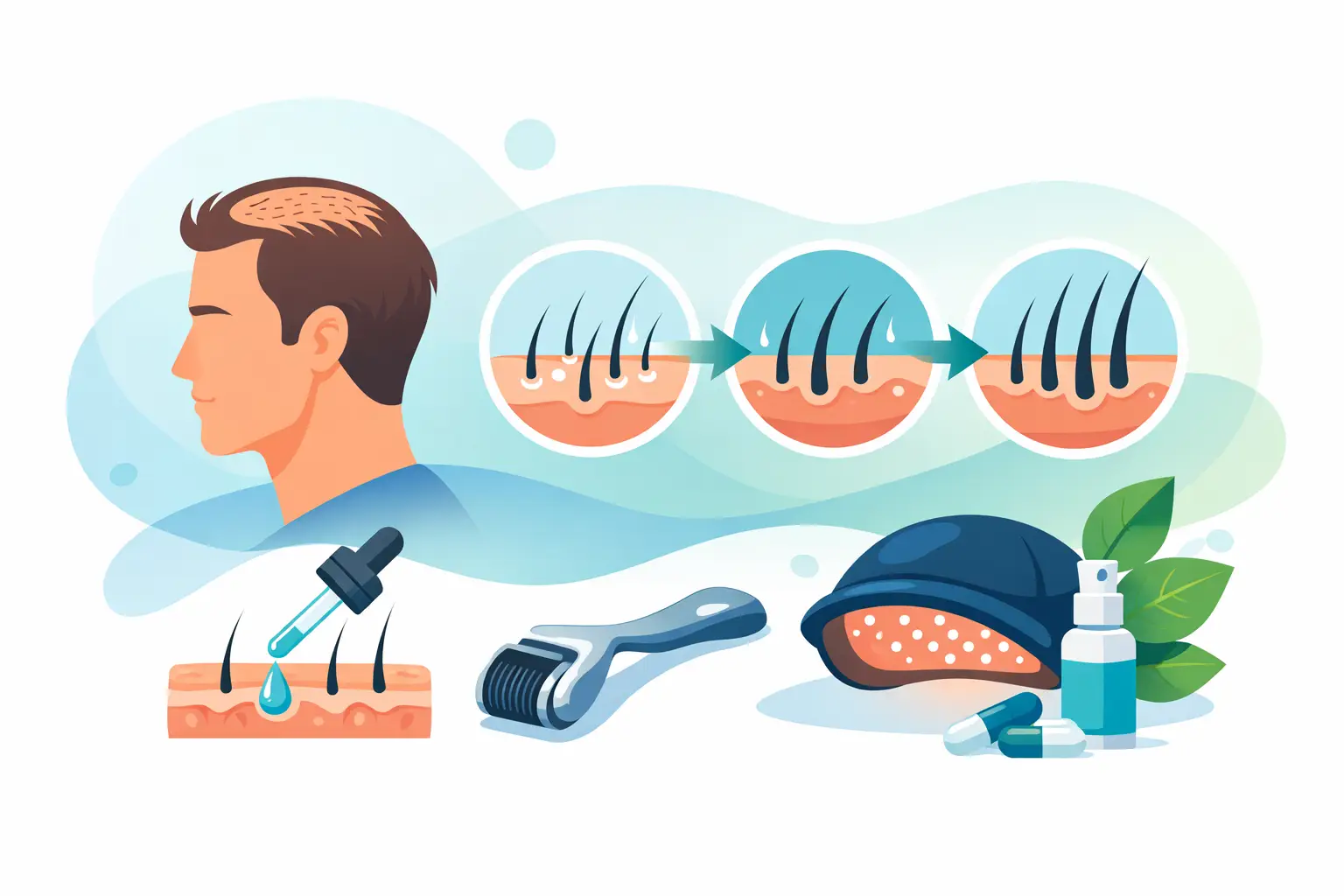
For many patients, medication is the foundation of treatment. These options are often the first line because they are convenient, accessible, and supported by long-term clinical use.
Minoxidil is one of the most widely used treatments for both men and women. It is available in topical form and is designed to help extend the growth phase of the hair cycle. Some patients notice reduced shedding first, then improved thickness over several months. It requires consistency, and stopping treatment often means the benefits gradually fade.
Finasteride is another major option, typically used in men with androgenetic hair loss. It works by reducing the hormone activity that contributes to follicle miniaturization. For the right candidate, it can slow progression and support fuller growth. The trade-off is that it is not appropriate for everyone, and any medication decision should be based on a proper medical review of health history, goals, and risk tolerance.
For women, treatment may involve minoxidil, hormone-related evaluation, or other physician-guided strategies depending on the cause of thinning. This is where personalized diagnosis matters more than guesswork.
Regenerative hair loss injections
Regenerative injections have become a popular option for patients who want a non-surgical treatment that goes beyond at-home products. These therapies are designed to support the scalp environment and stimulate weakened follicles.
They are often used for people with early to moderate thinning who still have existing hair in the target area. Results can vary, and they are usually best understood as part of a broader treatment plan rather than a one-time fix. Some patients respond very well, especially when injections are paired with medication or laser therapy. Others may see more modest improvement. That does not make the treatment ineffective – it means biology is personal.
Low-level laser therapy
Low-level laser therapy, often called LLLT, is another strong contender when discussing the best non surgical hair regrowth treatment. It uses light energy to stimulate follicles and support hair growth activity. This approach is appealing because it is noninvasive and generally easy to tolerate.
LLLT tends to work best for ongoing thinning rather than advanced baldness. It is also not instant. Most patients need regular use over months before judging results. The upside is that it can fit well into a maintenance strategy, especially for people who want to support regrowth without downtime.
Prescription supplements and nutraceuticals
Not every case of thinning is driven only by genetics. Nutritional status, stress, hormonal shifts, and inflammatory factors can all affect hair quality. In those situations, physician-guided supplements may help support healthier growth.
Products like Nutrafol are often used as part of a broader regimen. They are not a replacement for diagnosis, and they are not the strongest tool for advanced pattern loss. Still, for the right patient, they can play a useful supporting role. Think of them as part of the framework, not the entire house.
Best non surgical hair regrowth treatment by patient type
The best treatment depends heavily on who is being treated and what kind of loss is happening.
For men with early male pattern hair loss, medication often provides the strongest first step. If there is visible thinning but plenty of existing hair, adding regenerative injections or low-level laser therapy can improve the overall response.
For women with diffuse thinning, the first priority is identifying the cause. Pattern hair loss, stress shedding, thyroid issues, low iron, and hormonal changes can look similar at first. Once the reason is clear, treatment becomes much more precise. A combination of topical therapy, supplements, and in-office treatment may be appropriate.
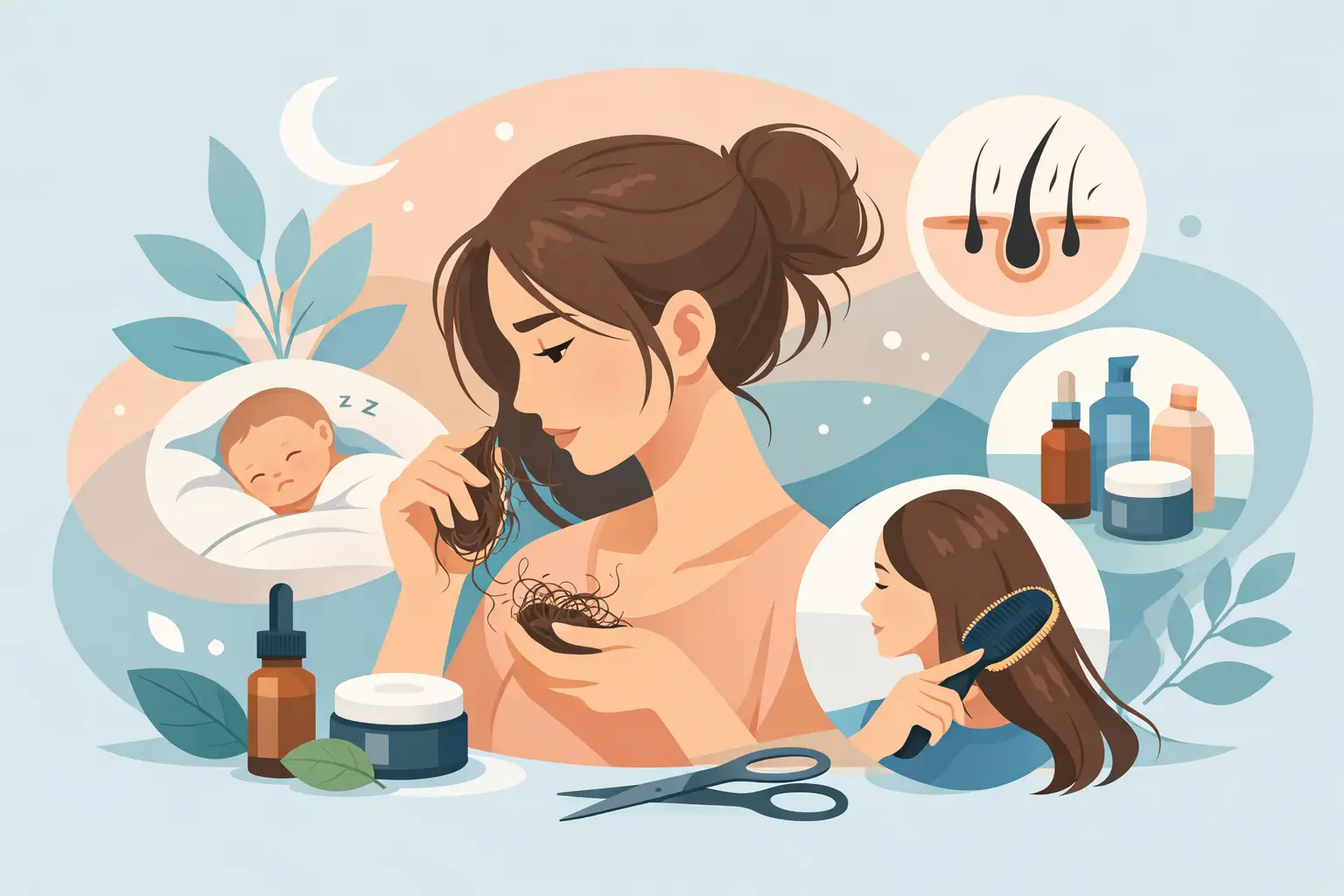
For patients with postpartum shedding or temporary stress-related hair loss, aggressive long-term intervention may not always be necessary. In those cases, the goal may be scalp support, monitoring, and recovery rather than permanent medical treatment.
For someone with longstanding recession or a very sparse crown, non-surgical options may still help preserve and improve existing hair, but expectations need to stay grounded. Sometimes the best non-surgical plan is a bridge – stabilizing loss now while keeping future options open.
Why combination treatment often works better
The most effective hair restoration plans are often layered. That is because hair loss is not caused by one single issue. Hormones, genetics, blood supply, inflammation, follicle sensitivity, and growth cycle disruption can all play a part.
A patient may use medication to slow the underlying pattern, low-level laser therapy to stimulate activity, and regenerative injections to support thicker growth. Another may combine supplements with targeted medical treatment after diagnostic testing. When treatment is personalized, the goal is not to throw everything at the problem. It is to build a plan where each part has a clear purpose.
This is also why online advice can be frustrating. A treatment that someone else swears by may have worked because of their diagnosis, age, stage of loss, and consistency. That same treatment may underperform for someone with a different cause of thinning.
How to tell if a treatment is actually working
Hair regrowth takes patience. Most non-surgical treatments need several months before meaningful changes are visible. In the early phase, reduced shedding can be a positive sign even before fullness improves.
The best way to track progress is with consistent photos, scalp evaluation, and expert follow-up. Day-to-day mirror checks are unreliable. Hair can look different based on lighting, styling, hair length, and even scalp dryness. Objective comparison matters.
It is also worth remembering that success does not always mean restoring a teenage hairline. Sometimes success means slowing the rate of loss, making thin areas less visible, improving hair caliber, or maintaining enough density to delay surgery. Those outcomes are valuable, especially when hair loss has been steadily progressing.
When to seek professional guidance
If you have been trying over-the-counter products for months without clarity, that is usually the point to get a proper evaluation. The same goes for sudden shedding, widening parts, rapid recession, patchy loss, or scalp symptoms like itching and irritation.
A medical consultation can help answer the question most patients actually care about: what is the best non surgical hair regrowth treatment for me, specifically? That answer may involve medications, regenerative treatment, laser therapy, or a tailored combination based on your scalp analysis and goals. In a specialized practice such as Austin Hair Clinic, that process is designed to be practical and personalized, not overwhelming.
The right treatment plan should leave you feeling informed, not pressured. You should understand what is causing the loss, what results are realistic, how long treatment takes, and what maintenance is required to keep progress going.
Hair loss can feel personal because it is personal. It affects how people see themselves at work, in relationships, and in everyday life. The good news is that non-surgical treatment has come a long way, and many patients have more real options than they realize. The best next step is not chasing the loudest promise. It is choosing a plan that matches your hair, your timeline, and the outcome you actually want.