Are Hair Transplants Painful? What to Expect
Most people considering a procedure are not worried about the tiny grafts. They are worried about the moment the numbing medicine wears off, whether they can tolerate the procedure, and how they will look and feel at work a few days later. So, are hair transplants painful? For most patients, an FUE hair transplant is more uncomfortable than painful. Local anesthesia keeps you comfortable during treatment, and any soreness afterward is usually temporary and manageable.
That does not mean every moment feels completely sensation-free. A thoughtful answer should be honest about the brief discomfort involved, what affects it, and how an experienced medical team helps keep the experience calm from beginning to recovery.
Are Hair Transplants Painful During the Procedure?
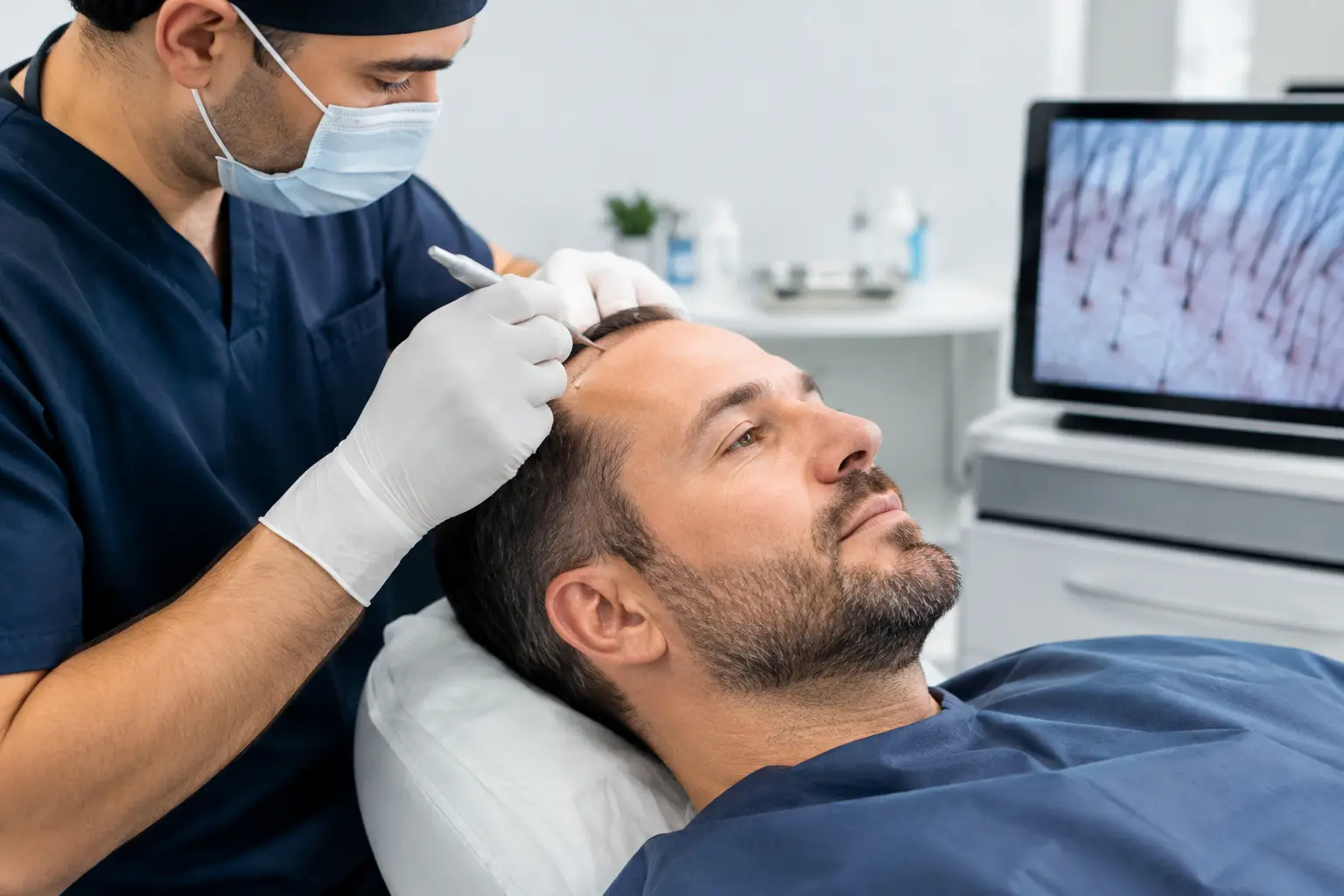
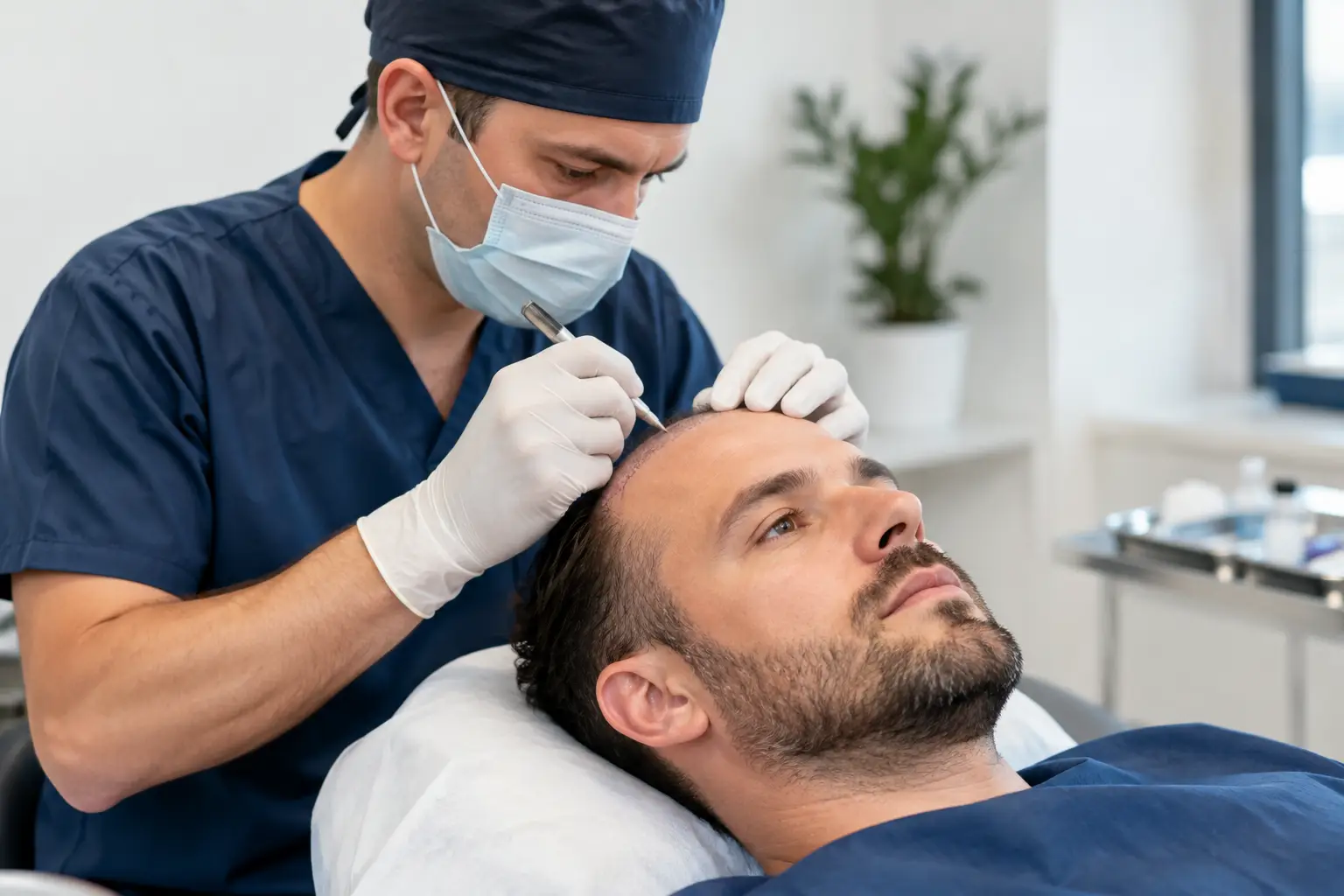
FUE, or Follicular Unit Extraction, is performed using local anesthesia. You remain awake, but the scalp is numbed before follicles are removed from the donor area and placed into thinning or balding areas. Once the anesthesia is working, patients generally feel pressure, gentle movement, or vibration rather than sharp pain.
The part patients are most likely to notice is the numbing process itself. Local anesthetic injections can cause a quick pinching or stinging sensation. It is brief, and the care team works methodically to make this stage as comfortable as possible. After that, the treatment area should be adequately numb before graft extraction or placement begins.
A longer session can create a different kind of discomfort: staying in one position for several hours. You may feel stiffness in your neck, shoulders, or back, particularly if you already have tension in those areas. Scheduled breaks, supportive positioning, and clear communication during the procedure make a meaningful difference.
What Does FUE Recovery Feel Like?
The first few days after an FUE procedure are when mild tenderness is most common. The donor area, typically the back and sides of the scalp, can feel tight, sore, or sensitive. The recipient area may feel tender as well, although many patients describe it more as awareness or mild sensitivity than pain.
Most discomfort improves significantly within several days. Your physician may recommend or prescribe medication based on your treatment plan and medical history. Many patients find that any needed pain relief is limited to the first day or two, but recovery is individual. Following your post-procedure instructions carefully can help reduce unnecessary discomfort and protect your newly placed grafts.
Swelling is another concern patients sometimes mistake for pain. Mild forehead swelling can occur after a hair transplant and usually resolves within a few days. Sleeping with your head elevated, avoiding strenuous activity when directed, and using the recommended aftercare measures can help.
Itching is often more noticeable than pain as the scalp heals. This can be a normal part of recovery, especially as small scabs form around transplanted follicles. The key is not to scratch, pick, or rub the treated area. Doing so can irritate the scalp and, early in healing, potentially disturb grafts.
The Areas That Can Feel Most Sensitive
Pain tolerance varies, but the experience is not identical across every area of the scalp or face. Donor extraction may leave the scalp feeling tender because hundreds or thousands of follicles are removed one at a time. With FUE, these extraction sites are very small and typically heal without the linear scar associated with FUT strip surgery.
Recipient-site placement can create temporary tenderness and redness, especially along a reconstructed hairline. However, this area is carefully numbed during the procedure. For beard and eyebrow restoration, the face can be more sensitive than the scalp, so precise anesthesia and a conservative, aesthetic approach matter even more.
ARTAS robotic FUE can support consistency during follicle harvesting, but it does not eliminate the need for local anesthesia or change the fundamental healing process. Comfort still depends on the treatment plan, the number of grafts, your anatomy, and attentive medical oversight.
What Can Make a Hair Transplant Feel More Uncomfortable?
A patient with a smaller procedure and a healthy scalp may have a very easy recovery. Someone having extensive hairline restoration, crown coverage, or facial hair transplantation may experience more soreness simply because more areas have been treated. That is not necessarily a sign that anything is wrong.
Several factors can influence comfort:
- The size and length of the procedure
- Your personal sensitivity to injections and pressure
- Existing scalp inflammation, irritation, or skin conditions
- Anxiety about medical procedures or needles
- How closely aftercare instructions are followed
Anxiety deserves special attention. When you are anticipating pain, normal pressure or movement can feel more intense. A consultation should give you room to discuss concerns openly, including past experiences with dental work, injections, or outpatient procedures. A professional team can explain what will happen before it happens, check on your comfort throughout the day, and tailor the experience to your needs.
FUE vs. FUT: Is One More Painful?
Both FUE and FUT are performed with local anesthesia, so neither procedure should be sharply painful while it is being performed. The main difference often appears in recovery.
FUT involves removing a strip of scalp from the donor area and closing it with sutures or staples. Because it creates a linear incision, some patients experience more tightness or tenderness in the donor area during healing. FUE removes individual follicular units through tiny circular extractions, which often results in less donor-area tightness and a faster return to normal activities.
That does not make FUE the right choice for every patient. Hair characteristics, donor density, hair-loss pattern, prior procedures, and long-term goals all shape the best recommendation. The least uncomfortable procedure is not automatically the procedure that will deliver the best aesthetic result for your situation.
How to Make Recovery More Comfortable
Good aftercare is not complicated, but it does require discipline during the first week. Take medications exactly as directed, protect the scalp from friction, and avoid exercise, sweating, swimming, and sun exposure until your physician clears you. Do not wear tight hats or helmets too early, and avoid sleeping directly on the newly transplanted area.
You will also receive guidance on washing. Gentle cleansing helps keep the scalp clean without dislodging grafts. Many patients feel reassured once they understand that scabbing, temporary redness, and shedding of the transplanted hairs are expected parts of the process. The follicles remain beneath the skin and begin their new growth cycle over the following months.
Call your medical team if pain becomes severe, worsens instead of improving, or occurs with significant swelling, drainage, fever, or spreading redness. Those symptoms are not typical recovery discomfort and deserve prompt clinical attention.
A Comfortable Experience Starts With the Right Plan
No ethical clinic should promise that a hair transplant involves zero discomfort. There are numbing injections, a recovery period, and a few days when your scalp needs extra care. Yet for many patients, the reality is far more manageable than the fear they carried into their consultation.
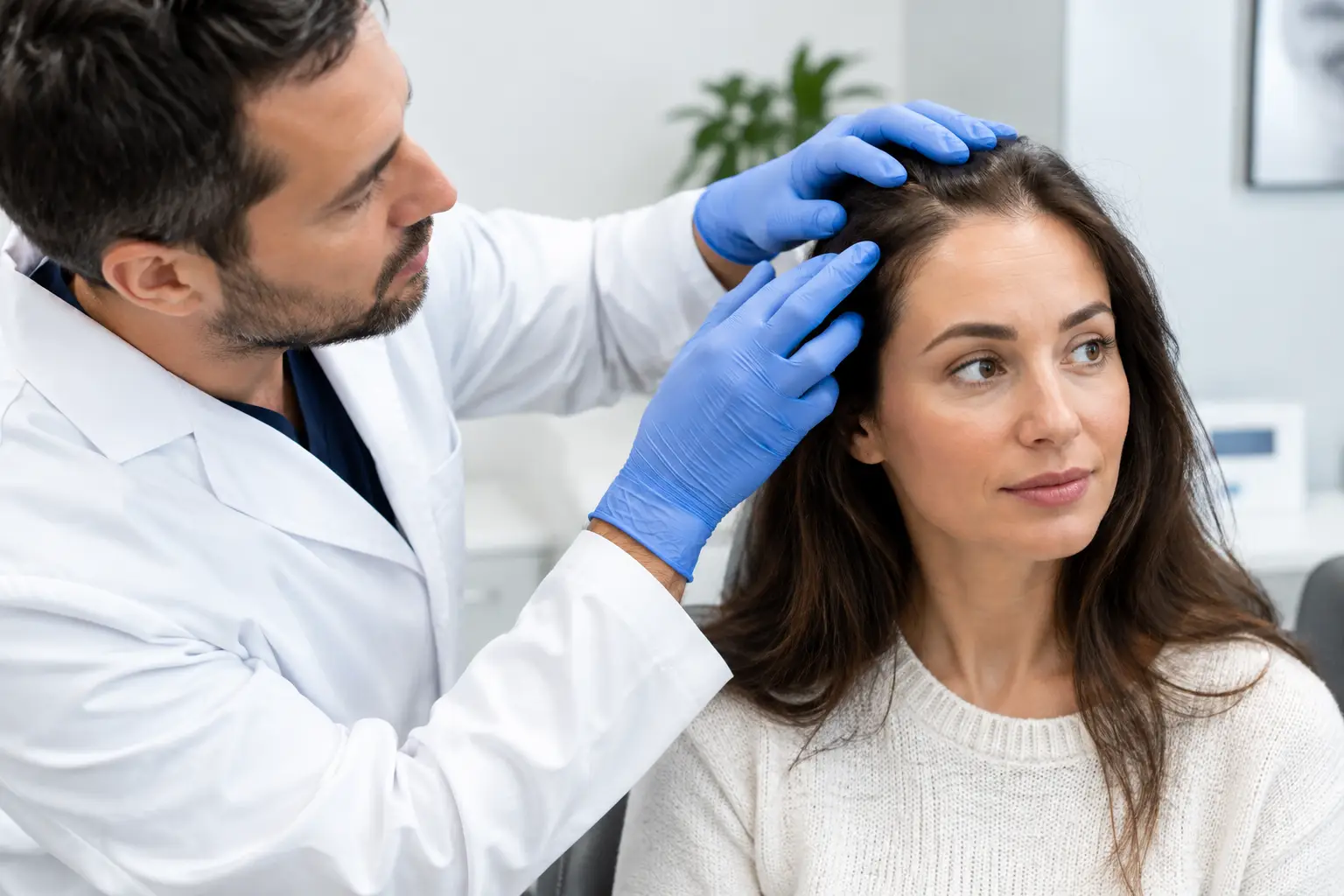
At Austin Hair Clinic, treatment planning begins with an evaluation of your hair loss, donor supply, goals, and medical history. Dr. Sanjeev Dubey and the clinical team can explain whether FUE, robotic FUE, medication, regenerative injections, laser therapy, or a combination approach is appropriate for you. That clarity helps you make a decision based on realistic expectations, not anxiety.
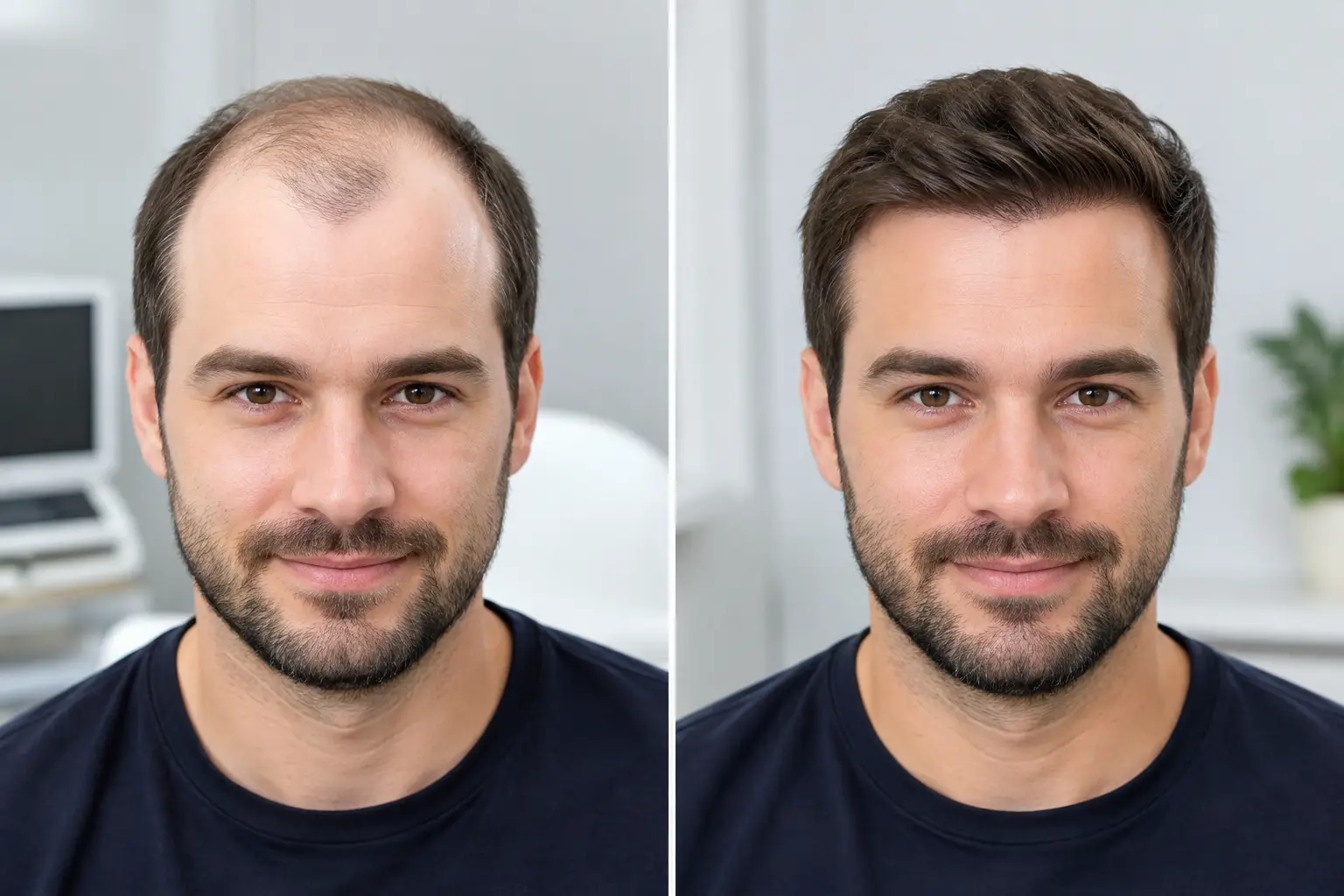
If thinning hair or a receding hairline is affecting how you feel when you see yourself in the mirror, do not let the fear of pain make the decision for you. A personalized consultation can replace uncertainty with a clear, medically guided path toward natural-looking restoration and renewed confidence.