How to Restore Beard Density With Lasting Results
A thin or patchy beard can change more than your appearance. It can make styling frustrating, limit the beard shapes you want to wear, and affect how confident you feel in professional and social settings. If you are researching how to restore beard density, the right solution depends on why your facial hair is thin in the first place – and whether you want to improve what you have or create density in areas where hair no longer grows.
Beard restoration is not a one-size-fits-all process. Some men benefit from treating an underlying cause of shedding or supporting existing follicles. Others are candidates for a facial hair transplant that places healthy, permanent follicles precisely where they are needed. A qualified medical evaluation can help you choose a path based on your goals, facial features, donor hair supply, and timeline.
Why Beard Density Can Change
Beard growth is strongly influenced by genetics and hormones. Some men naturally grow full facial hair early in adulthood, while others have lighter coverage, uneven cheeks, sparse sideburns, or gaps in the mustache and chin. Genetics often determine the number and distribution of beard follicles, so topical products and grooming techniques have limits when follicles are absent.
Density can also decline after the beard was once fuller. Common contributors include hormonal shifts, stress-related shedding, nutritional deficiencies, skin inflammation, certain medications, and autoimmune conditions such as alopecia areata. Scarring from burns, surgery, acne, or injury may permanently damage follicles in a specific area.
That distinction matters. A temporary shedding issue may improve when the underlying trigger is identified and addressed. An area that has never grown hair, or has lost follicles because of scarring, usually requires a different approach if the goal is visible, lasting coverage.
How to Restore Beard Density: Start With a Diagnosis
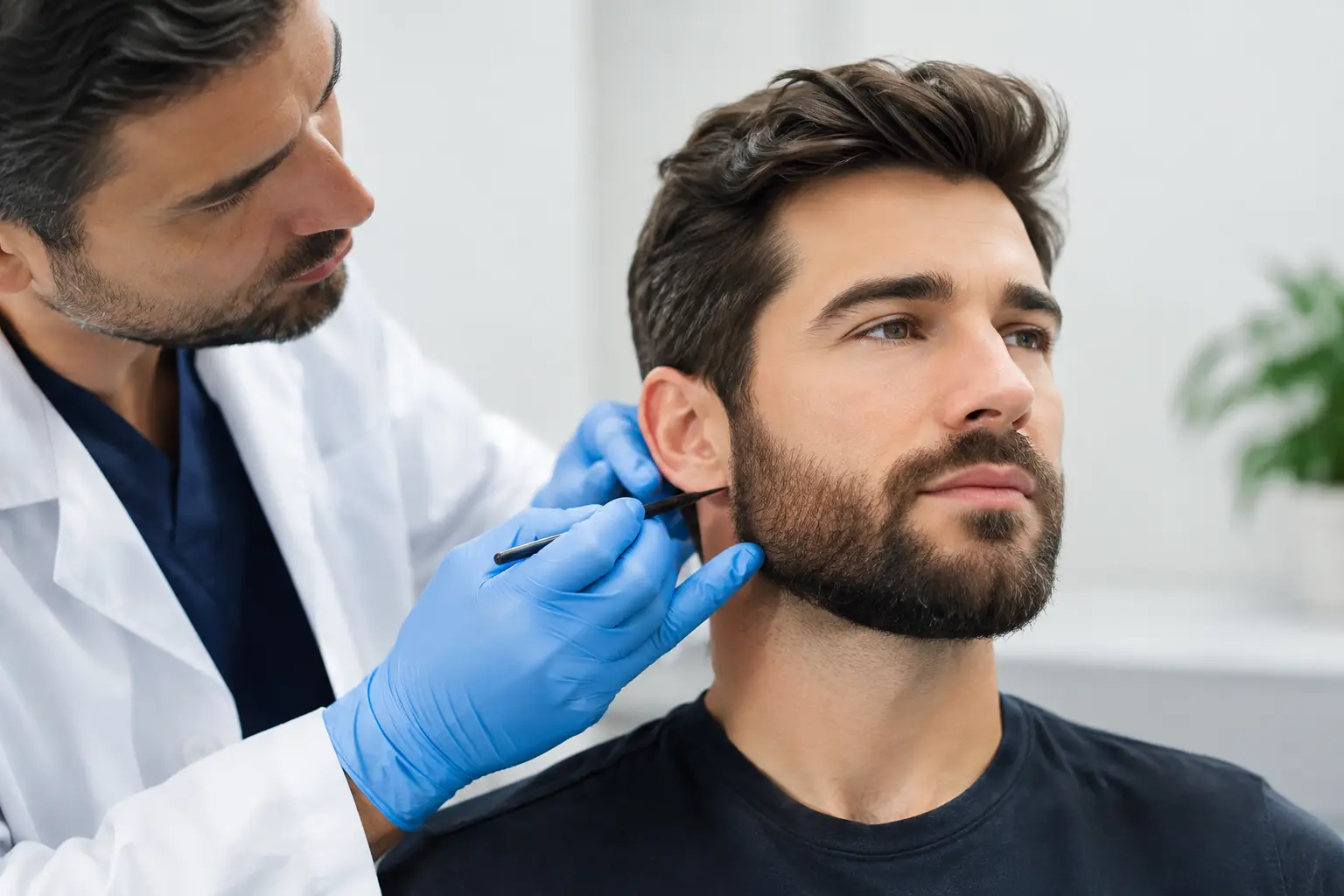
Before investing in treatments or transplant surgery, have your beard and scalp evaluated by an experienced medical hair restoration provider. The consultation should go beyond a quick look in the mirror. Your provider may review your health history, medications, family pattern of hair growth, skin condition, and the changes you have noticed over time.
If hair loss is sudden, circular, itchy, inflamed, or accompanied by hair loss elsewhere on the body, medical evaluation is especially important. Treating the cause comes first. Transplanting into active inflammation or untreated autoimmune hair loss may not produce the reliable result you want.
For men with long-standing patchiness and otherwise healthy skin, the conversation often turns to expectations. Do you want heavier cheek coverage? A more defined beard line? Better connection between the mustache and beard? More density through the goatee? Clear goals help create a treatment plan that looks natural rather than overly sharp or artificially uniform.
Non-Surgical Options for Thinning Facial Hair
When follicles are present but producing finer or weaker hairs, non-surgical options may be worth considering. Results vary significantly, and they are generally most useful for supporting existing growth rather than creating new follicles where none exist.
Medical Treatment and Underlying Health
A physician may recommend lab work or further assessment when symptoms suggest a nutritional, thyroid, hormonal, or inflammatory concern. Correcting a documented deficiency or treating a skin condition can support healthier hair growth, but supplements are not a substitute for diagnosing the source of loss.
Some patients ask about medications or topical treatments used for hair growth. These may be appropriate in select cases, but facial use should be discussed with a medical professional. Potential side effects, skin sensitivity, and the fact that ongoing use may be needed all deserve consideration. A medication that works well for scalp hair is not automatically the right choice for every beard concern.
Regenerative and Supportive Therapies
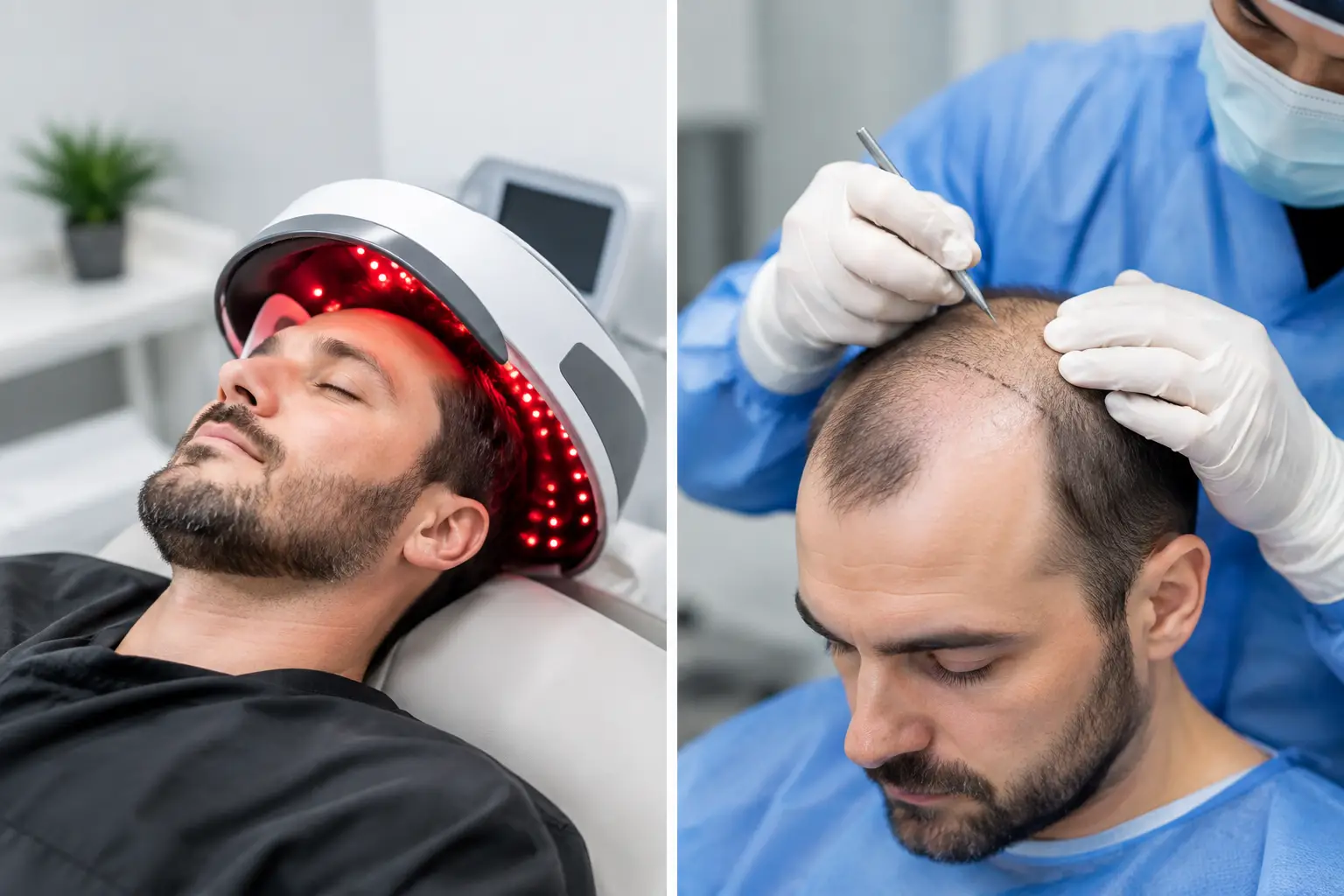
Regenerative hair loss injections and low-level laser therapy may be included in a broader treatment plan for suitable patients. These therapies are designed to support follicle health and can be considered when thinning is early or when preserving existing hair is a priority.
They do not replace follicles that are permanently absent, and they should not be presented as a guaranteed cure for genetic patchiness. The advantage is that they can be minimally invasive and may complement other strategies. The trade-off is that improvement can be gradual, outcomes vary, and maintenance may be recommended.
Grooming for the Appearance of Fullness
Grooming will not change follicle count, but it can improve the way your beard reads from a normal conversational distance. Letting the beard grow slightly longer can help surrounding hairs cover minor sparse areas. Strategic shaping also matters: a softer cheek line, a fuller chin, or a balanced mustache can draw attention toward your strongest growth.
Avoid over-trimming thin areas in an attempt to make them catch up. Shaving does not make hair grow back thicker. It simply creates a blunt hair tip that can feel coarser during regrowth.
Beard Transplant Surgery for Permanent Density
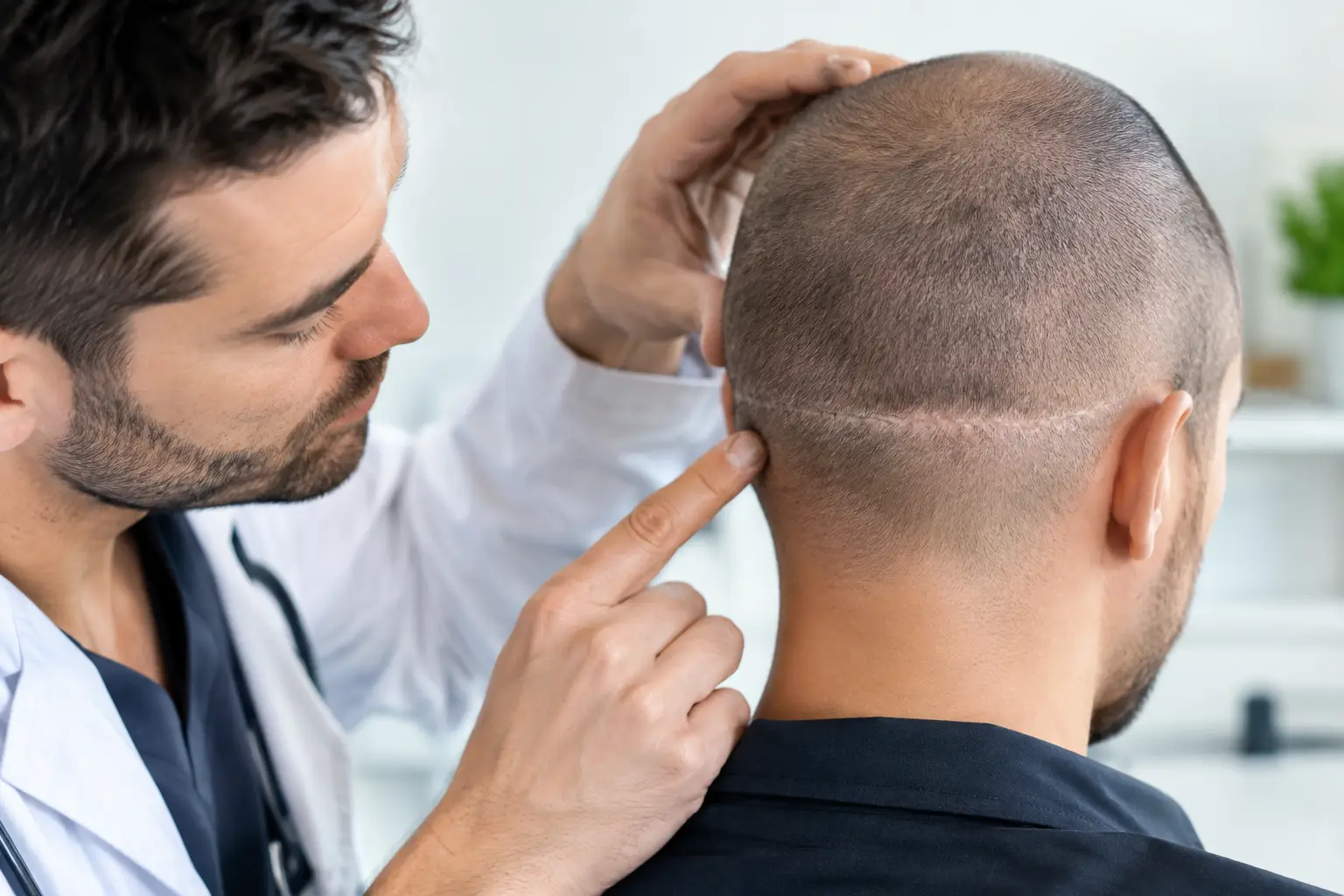
For men who want to fill established gaps, rebuild facial hair after a scar, or create a fuller beard pattern, an FUE beard transplant can offer the most direct and durable solution. FUE, or Follicular Unit Extraction, involves harvesting individual follicular units, usually from the back or sides of the scalp, and placing them into carefully designed recipient sites on the face.
The artistry is as important as the extraction. Beard hair grows at different angles across the cheeks, jawline, mustache, and chin. Each graft must be placed at the proper direction, angle, and density to blend with your existing facial hair. An experienced physician plans the hairline and distribution around your facial proportions, preferred grooming style, and available donor hair.
A transplant does not have to mean an extremely dense, highly sculpted beard. For many patients, the most convincing result comes from adding enough coverage to remove obvious gaps while preserving a natural variation in density. Your surgeon can also design a more defined beard if that is your preference, but the design should still suit your age, skin tone, and facial structure.
What the Procedure and Recovery Are Like
Beard FUE is typically performed with local anesthesia. The treatment area is designed, donor follicles are harvested, and grafts are placed one by one. The number of grafts depends on the size of the area, the density goal, the quality of donor hair, and whether you are filling a small scar or building substantial cheek coverage.
After the procedure, tiny scabs are expected around the grafts. Most patients can return to work relatively quickly, although they should follow detailed aftercare instructions and avoid rubbing, shaving, strenuous activity, and sun exposure for the period recommended by their physician. Transplanted hairs commonly shed in the first few weeks. This is a normal part of the growth cycle, not a sign that the procedure failed.
New growth often begins gradually after several months. Because beard hair grows in cycles, meaningful cosmetic improvement takes patience, with fuller maturation continuing over the following months. The transplanted follicles are permanent, but your existing beard can still change with age, hormones, and health factors.
Choosing a Provider for Beard Restoration
Facial hair restoration is a medical and aesthetic procedure. Look for a practice that can explain the cause of thinning, discuss both surgical and non-surgical options, and show how it approaches natural-looking design. Ask who performs the critical parts of the procedure, how donor hair is evaluated, and what results are realistic for your individual beard pattern.
At Austin Hair Clinic, beard restoration planning is centered on physician-guided care, advanced FUE techniques, and a result that fits the patient rather than a template. A personal consultation allows you to discuss density goals, examine donor hair, and understand the expected timeline before making a decision.
A fuller beard is not about copying someone else’s facial hair. It is about creating a look that feels proportionate, natural, and confidently your own. With a clear diagnosis and a personalized plan, restoring beard density can be a practical step toward feeling more comfortable every time you look in the mirror.