Hair Transplant Versus Hair System Compared
A receding hairline can change how you approach a meeting, a photo, or even a haircut. When comparing a hair transplant versus hair system, the real question is not which option is universally better. It is which solution fits your goals, lifestyle, budget, and comfort with ongoing maintenance.
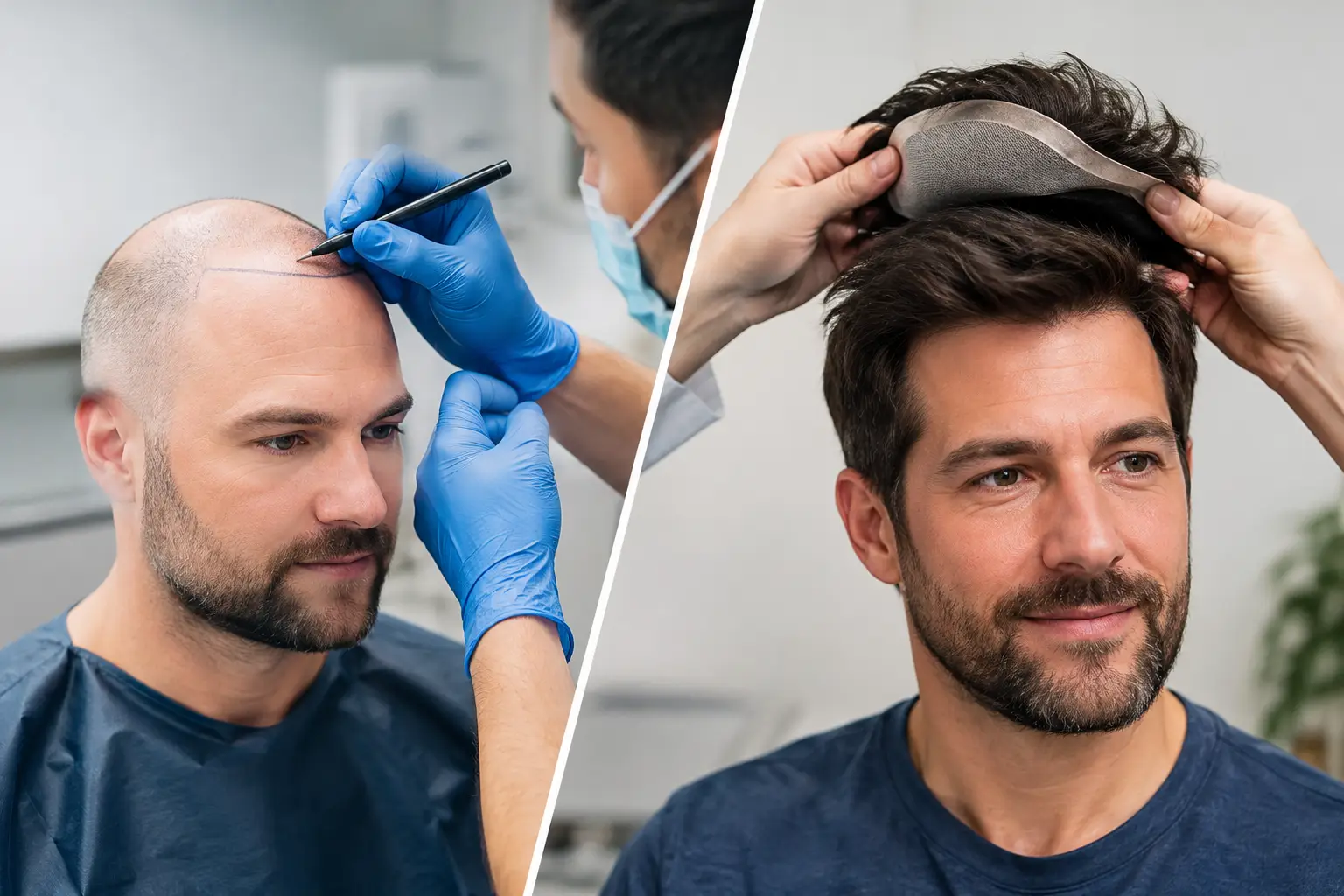
Both can create a fuller-looking head of hair. The difference is how they get there. A hair transplant redistributes your own growing hair through a medical procedure. A hair system is a custom-made hairpiece that is attached to the scalp to create immediate density. Understanding that distinction can make an overwhelming decision much clearer.
Hair Transplant Versus Hair System: The Core Difference
A hair transplant is a surgical hair restoration procedure. With Follicular Unit Extraction, or FUE, individual follicular units are taken from a donor area, typically the back and sides of the scalp, and placed into thinning or bald areas. Once transplanted hairs establish themselves, they grow naturally and can be cut, styled, washed, and colored like the rest of your hair.
A hair system is not growing hair. It is a prosthetic solution made with human or synthetic hair attached to a base that sits against the scalp. Modern systems can look remarkably realistic, especially when they are properly fitted, cut, and blended. They do not require donor hair or surgery, but they do require regular replacement, cleaning, reattachment, and professional upkeep.
For someone who wants an immediate change without a procedure, a system may be appealing. For someone seeking a permanent, natural-growing solution, FUE hair transplantation may be the better long-term path.
Results: Immediate Coverage or Natural Growth?
A hair system delivers visible density the same day it is fitted. This can be a major advantage for someone with extensive hair loss who has an important event, a demanding public-facing career, or no interest in waiting for transplanted hair to grow.
The trade-off is that the result depends on the system remaining properly attached and maintained. High-quality systems can be exceptionally convincing, but the hairline, density, color match, and base material must be chosen carefully. Sweat, humidity, swimming, workouts, and normal scalp oils can all affect how the system wears between maintenance appointments.
A transplant requires patience. After an FUE procedure, transplanted hairs commonly shed before entering a new growth cycle. Early growth may begin around three to four months, while more meaningful improvement develops over six to 12 months. Final maturation can take longer.
That timeline is not a drawback for every patient. The benefit is that successful transplanted follicles become part of your scalp. The hair moves naturally in the wind, grows through the skin, and does not need to be removed and reattached. A carefully designed transplant can restore a hairline with the subtle irregularity and density pattern that helps it look believable at close range.
Cost Is More Than the Upfront Price
At first glance, a hair system may appear less expensive because it does not involve surgery. However, the initial purchase is only one part of the financial picture. Systems need recurring maintenance, adhesives or tapes, cleaning products, professional servicing, and periodic replacement. Depending on the type of system and your lifestyle, those recurring costs can add up year after year.
A hair transplant has a higher upfront investment because it is a personalized medical procedure performed by a trained team. Pricing depends on the extent of hair loss, the number of grafts needed, the desired hairline design, and the method used. Financing options can help make that investment more manageable for qualified patients.
The best comparison is not simply procedure cost versus hairpiece cost. Consider what you expect to spend over five or 10 years, as well as the value you place on convenience, permanence, and freedom from recurring appointments. A transplant is often more cost-effective over the long term for an appropriate candidate, while a hair system may make sense for someone who wants flexibility or cannot undergo transplantation.
Lifestyle and Maintenance Matter
Hair systems can support an active lifestyle, but they require planning. Adhesive bonds may need attention every few weeks, and some people prefer professional removal and reinstallation to protect their scalp and preserve the system. Exposure to chlorine, saltwater, intense heat, or heavy perspiration can shorten the life of a bond or affect the hair quality.
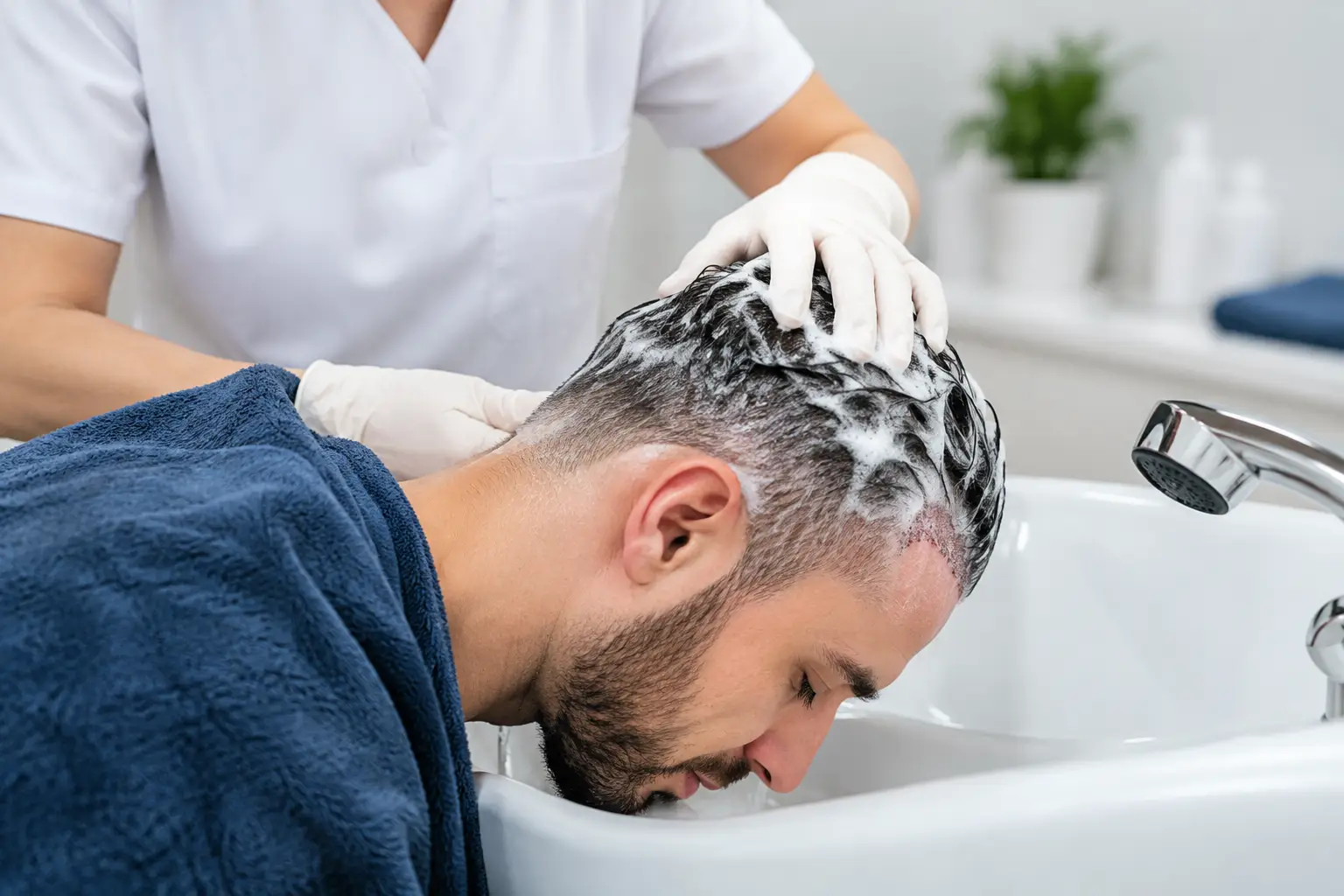
A transplant has a short recovery period with specific post-procedure instructions. Patients generally need to avoid strenuous activity, direct sun exposure, and friction on the grafts during early healing. Once the grafts are secure and new hair has grown in, daily maintenance becomes much simpler. You care for transplanted hair as you would your natural hair.
This is often a deciding factor for professionals and active adults in Texas. If you want to work out, travel, swim, and wear your hair without thinking about adhesives or reattachment schedules, a transplant may offer greater day-to-day ease after the initial recovery and growth period.
Who Is a Good Candidate for Each Option?
A strong hair transplant candidate usually has a stable enough donor area, realistic expectations, and a pattern of loss that can be addressed without overharvesting. Donor supply matters. Even advanced technologies cannot create unlimited grafts, which is why a medically guided plan is essential, particularly for younger patients whose hair loss may continue.
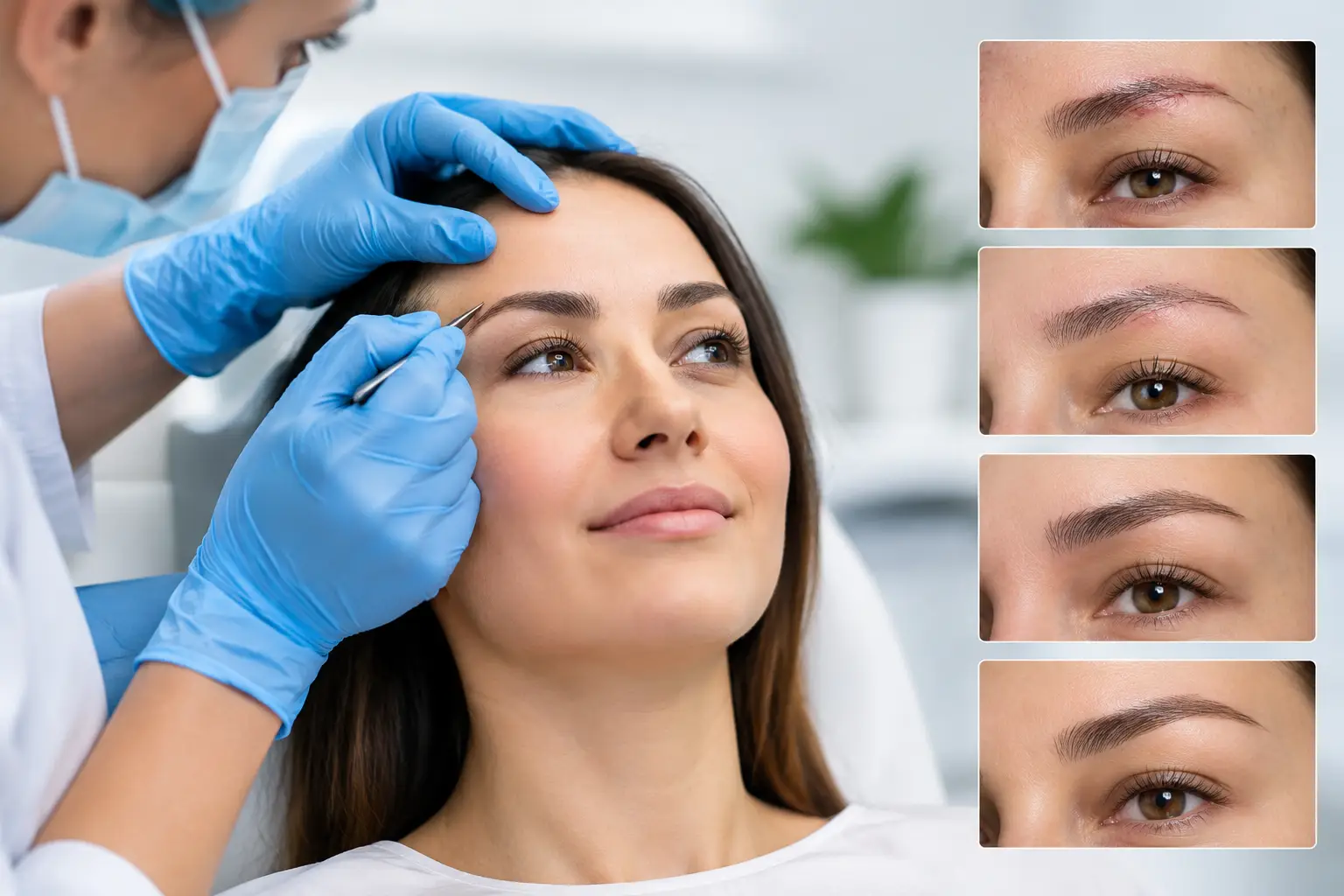
FUE can be used for more than scalp restoration. It may also help restore beard density, refine a patchy beard, or rebuild eyebrows when donor hair and health history support treatment. The goal is not simply to add hair. It is to create a design that looks appropriate for your facial features, age, and future hair-loss pattern.
A hair system can be a practical choice if you have limited donor hair, very advanced hair loss, certain scalp conditions, or a desire for instant coverage without surgery. It can also work as a temporary solution while you explore medical treatments or decide whether a transplant is right for you.
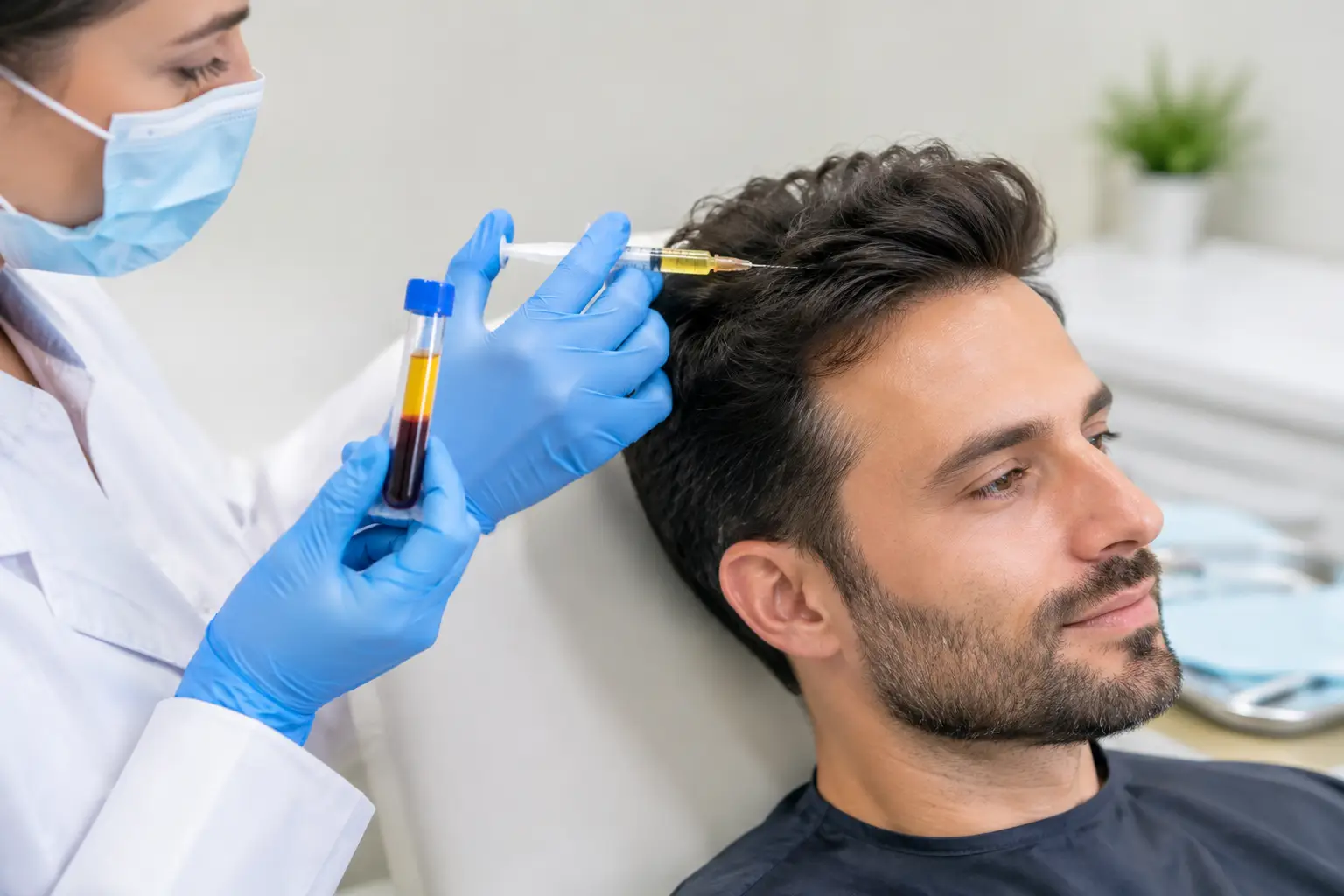
There is also a middle ground. Some patients use medications, low-level laser therapy, or regenerative hair loss injections to preserve existing hair before or after a transplant. Protecting native hair can improve the overall appearance of a restoration and may reduce the need for future procedures.
Natural Appearance Depends on Planning
Neither option is automatically natural-looking. A poorly designed transplant can place a hairline too low, too straight, or too dense for a person’s age and facial structure. Likewise, a hair system with an unnatural hairline, excessive density, or poor color match can draw attention for the wrong reasons.
With transplantation, artistic judgment and medical skill work together. The physician must evaluate donor quality, graft placement angles, follicle distribution, and the likelihood of future loss. Conservative, age-appropriate planning often produces the most credible result because it preserves donor resources while avoiding a hairline that may look out of place years later.
With a system, the quality of customization and consistent maintenance are central. It can look excellent, but it remains an external solution that needs ongoing care.
How to Decide With Confidence
Ask yourself whether you want immediate coverage or permanent growing hair. Consider your tolerance for surgery and recovery, your available donor hair, your willingness to maintain a system, and how hair loss may progress over time. Be honest about your budget beyond the first year.
A consultation should not pressure you toward one answer. It should assess your scalp, hair-loss pattern, medical history, and personal goals, then explain what is realistically achievable. At Austin Hair Clinic, that conversation can include a scalp analysis and a personalized discussion of surgical and non-surgical options under physician guidance.
The right choice is the one that lets you feel more like yourself without creating a routine or expectation you do not want to carry. A thoughtful plan can restore more than hair coverage – it can give you a clearer, more confident way forward.