Platelet Rich Fibrin Hair Treatment: Is It Right?
Hair thinning rarely feels like a small change when you are the one seeing more scalp in photos, a widening part, or a hairline that no longer frames your face the way it once did. Platelet rich fibrin hair treatment is a minimally invasive option that uses components of your own blood to support a healthier scalp environment and may help preserve and improve thinning hair.
For the right patient, PRF can be a valuable part of a broader hair restoration plan. It is not a replacement for every proven treatment, and it cannot create unlimited density in areas where follicles have been inactive for years. But when it is recommended thoughtfully, it can offer a natural, physician-guided way to address early or progressive thinning.
What Is Platelet Rich Fibrin for Hair?
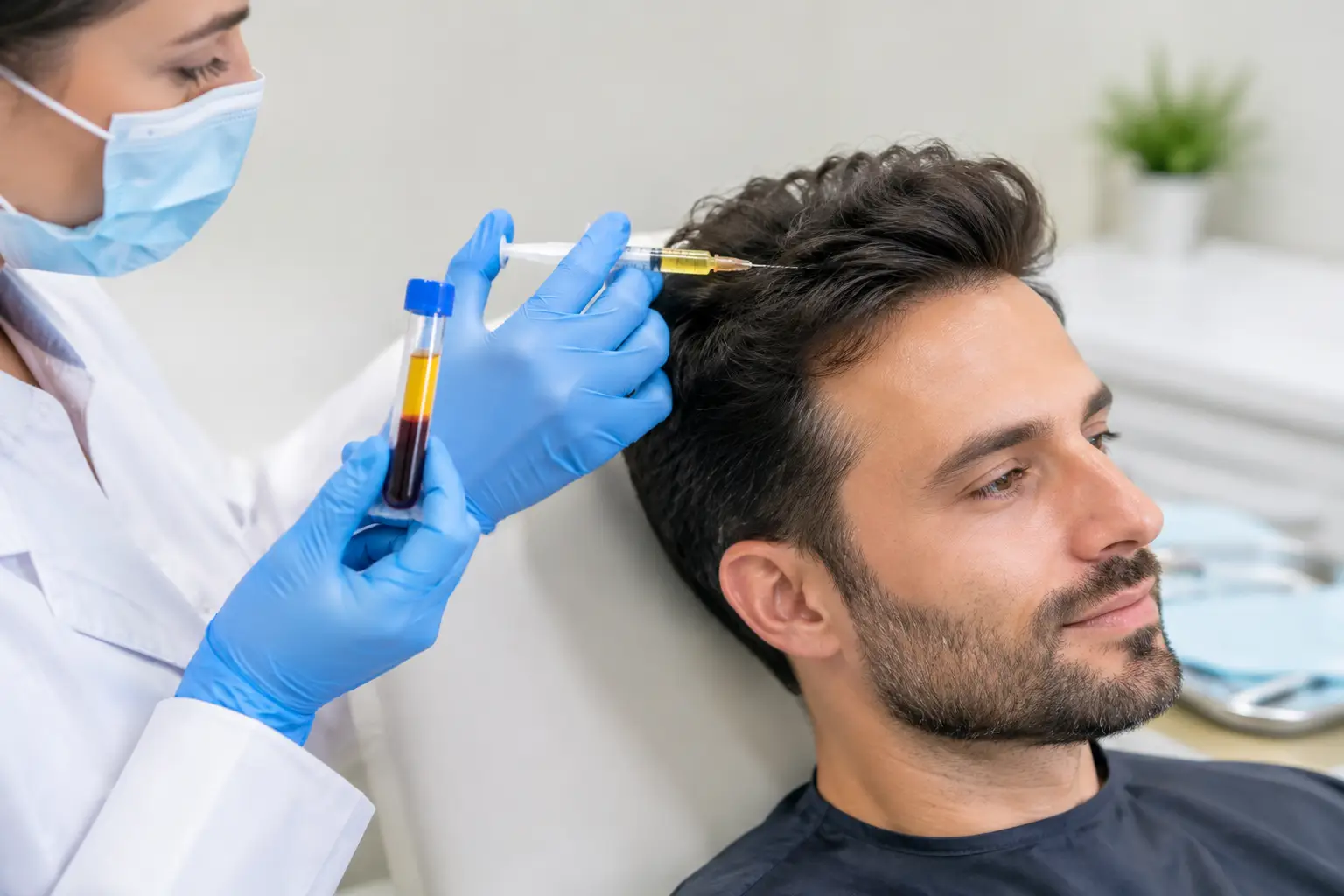
Platelet-rich fibrin, often called PRF, is a regenerative treatment prepared from a small sample of your blood. The sample is processed in a centrifuge to concentrate platelets, white blood cells, fibrin, and naturally occurring growth factors. The resulting preparation is then carefully injected into targeted areas of the scalp.
Platelets are best known for their role in healing, but they also release signaling proteins involved in tissue repair. Fibrin forms a natural framework that may allow those growth factors to release more gradually than they do in some platelet-rich plasma, or PRP, preparations. In hair restoration, the goal is to support weakened follicles, encourage healthier follicle activity, and potentially improve hair caliber and coverage over time.
PRF does not transplant new follicles. It works with the follicles you still have. That distinction matters when setting realistic expectations. A patient with early thinning near the crown may be a stronger candidate than someone with a long-standing, completely smooth area of scalp.
How PRF Hair Treatment Differs From PRP
PRP and PRF are related treatments, and both use your own blood. The key difference is how the blood is processed and what remains in the final injectable product.
PRP is typically prepared with anticoagulant and is designed to concentrate platelets in plasma. PRF is commonly produced without an anticoagulant, allowing fibrin to develop naturally. Because of that fibrin matrix and the cellular makeup of the preparation, PRF may provide a more sustained release of growth factors. It also may contain more white blood cells, which can play a role in the body’s normal repair response.
That does not automatically make PRF the best choice for every person. Results can depend on the processing protocol, the severity and cause of hair loss, your overall health, and whether regenerative injections are paired with treatments that address the underlying pattern of loss. A personalized medical assessment is more useful than choosing a treatment based on a label alone.
Who May Be a Good Candidate for PRF?
PRF is often considered for men and women with early-stage thinning, androgenetic alopecia, diffuse shedding, or reduced density around the hairline, temples, or crown. It may be especially appealing to patients who want a non-surgical treatment that does not require daily medication or significant downtime.
The best candidates generally still have miniaturized hairs in the treatment area. These hairs are finer and shorter than they used to be, but their follicles remain active enough to potentially respond to stimulation. PRF may also be used to support the scalp before or after hair transplant surgery as part of a carefully designed plan.
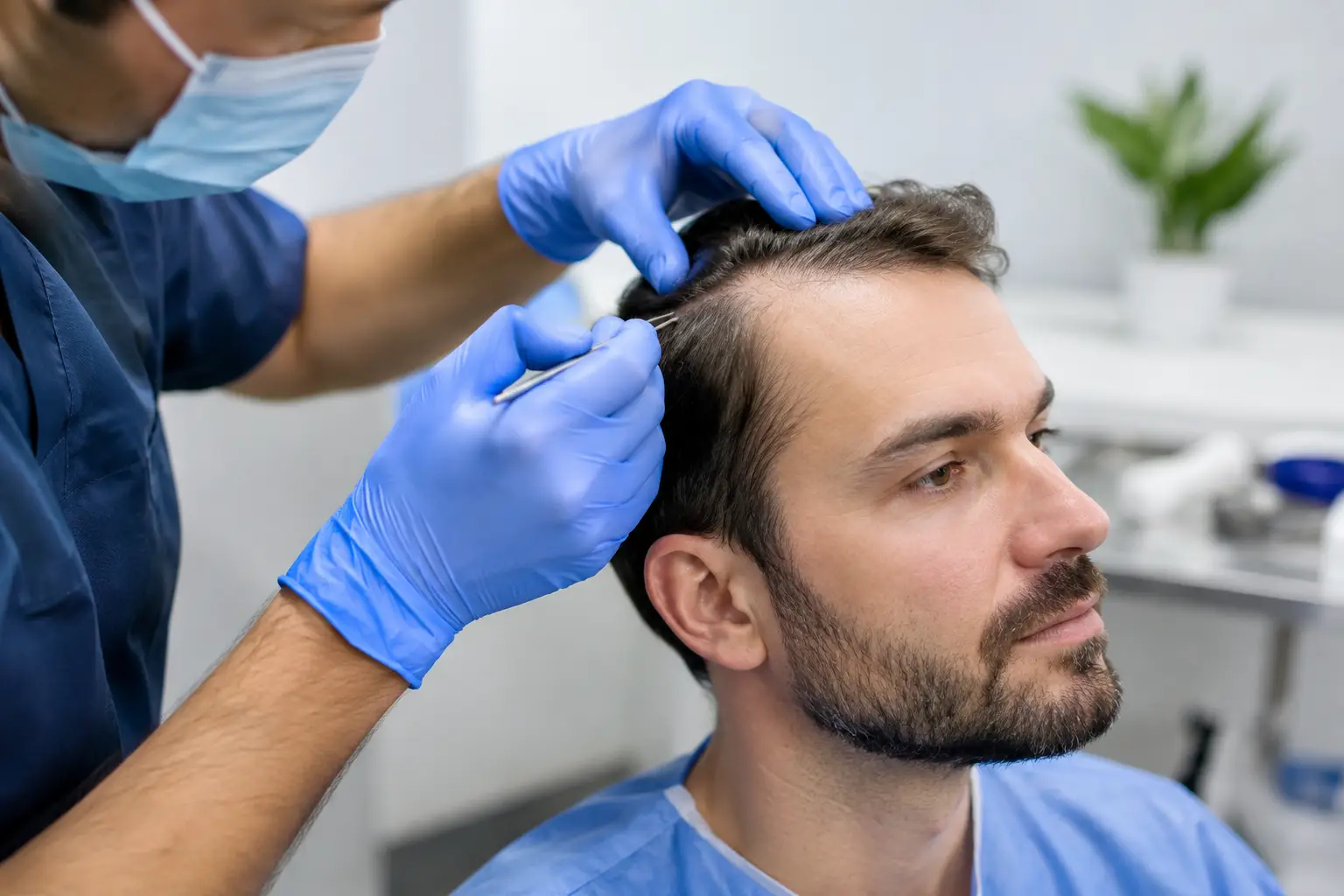
A medical evaluation is essential because not all hair loss has the same cause. Iron deficiency, thyroid changes, hormonal shifts, nutritional concerns, autoimmune conditions, traction, and certain medications can all contribute to shedding or thinning. Treating the visible symptom without understanding the cause can delay the treatment that would be most helpful.
What Happens During a Platelet Rich Fibrin Hair Appointment?
A PRF appointment begins with a blood draw, similar to routine lab work. Your blood is placed in a specialized centrifuge, where it is processed to create the platelet-rich fibrin preparation. While the PRF is being prepared, the provider reviews the areas of concern and plans the injection pattern.
The scalp may be cleansed and numbed to improve comfort. PRF is then injected in small amounts across the thinning areas. The actual injection portion is relatively brief, although treatment time varies based on the size of the area being addressed.
Most patients return to normal activities the same day. Mild tenderness, pinpoint redness, tightness, or temporary swelling can occur at the injection sites. These effects are typically short-lived. Your provider will give you specific aftercare instructions, which may include avoiding vigorous exercise, excessive heat, or washing the scalp for a limited period.
Because PRF comes from your own blood, the risk of an allergic reaction is low. Still, any injection-based procedure carries potential risks, including bruising, discomfort, infection, and temporary inflammation. Treatment should be performed in a clinical setting with appropriate medical oversight and sterile technique.
When Will You See PRF Hair Results?
Hair grows slowly, so PRF is not an overnight solution. Patients may first notice reduced shedding or a healthier feel to the hair over the first several months. Changes in thickness, density, and styling coverage generally take longer to evaluate. A meaningful assessment often requires consistent photography and several months of follow-up.
Many treatment plans begin with a series of sessions spaced several weeks apart, followed by maintenance visits based on your response and hair loss pattern. The ideal schedule varies. Someone with early diffuse thinning may benefit from a different approach than a patient managing a receding hairline after a transplant.
Results also vary. Some patients see noticeable improvement in hair caliber and overall coverage, while others experience more modest stabilization. A responsible provider will not promise a specific number of new hairs or guarantee that PRF will stop genetic hair loss on its own.
Why a Combined Hair Restoration Plan Often Works Better
Pattern hair loss is progressive, which is why a single treatment is not always enough. PRF can complement a plan that may also include physician-directed medications, low-level laser therapy, nutritional support when appropriate, or surgical restoration for areas that no longer have viable follicles.
For example, a patient with a stable donor area and significant frontal recession may need FUE hair transplantation to rebuild the hairline, while PRF and medical therapy help protect surrounding native hair. A patient with early crown thinning may be able to focus first on non-surgical treatments and monitoring. The right plan depends on your goals, your hair characteristics, your family history, and how quickly your thinning is progressing.
At Austin Hair Clinic, treatment planning starts with a close look at the scalp and a candid discussion about what can realistically improve. That includes talking about the benefits of regenerative therapies, their limitations, and whether another option is likely to provide a stronger return for your goals.
Questions to Ask Before Choosing PRF
Before committing to platelet rich fibrin hair treatment, ask who will perform the procedure, how your hair loss is being diagnosed, and how progress will be measured. You should also understand the recommended number of sessions, anticipated maintenance, total cost, and how PRF fits with any medications or procedures you are considering.
It is equally reasonable to ask what happens if your response is limited. A trustworthy treatment plan should have room to adapt. Hair restoration is not about selling a single procedure. It is about protecting the hair you have, restoring areas that matter most to you, and making choices that support confidence over the long term.
If thinning hair is changing how you feel when you look in the mirror, the next useful step is a professional evaluation before the loss becomes more advanced. Early action can preserve more options, and a personalized plan can help you move forward with clarity rather than guesswork.