Combining Therapies for Hair Regrowth
Hair loss rarely follows a simple script. One person notices widening at the part, another sees a receding hairline, and someone else feels like their hair has slowly lost density everywhere. That is why combining therapies for hair regrowth often makes more sense than relying on a single treatment and hoping for the best.
For many patients, the real question is not which one treatment is best. It is which combination fits their pattern of loss, stage of thinning, medical history, and cosmetic goals. A well-built plan can support existing follicles, encourage stronger growth, and, when needed, restore areas where hair is no longer coming back on its own.
Why combining therapies for hair regrowth works
Hair loss has more than one cause, and hair restoration often needs more than one solution. Genetics may be the main driver, but inflammation, hormonal shifts, stress, nutrition, scalp health, and age can all influence what you see in the mirror. A transplant addresses missing hair in a targeted area, but it does not stop ongoing miniaturization in surrounding native hair. Medication may help slow that process, but it cannot create density where follicles are already gone.
This is where combination treatment becomes practical, not excessive. Different therapies can do different jobs at the same time. One may help preserve existing hair, another may improve scalp conditions for better growth, and another may add density in areas that have already thinned too far.
The key is coordination. Layering treatments without a diagnosis can waste time and money. Layering them strategically, under physician guidance, can create a more complete and more natural-looking result.
The main treatments and what each one contributes
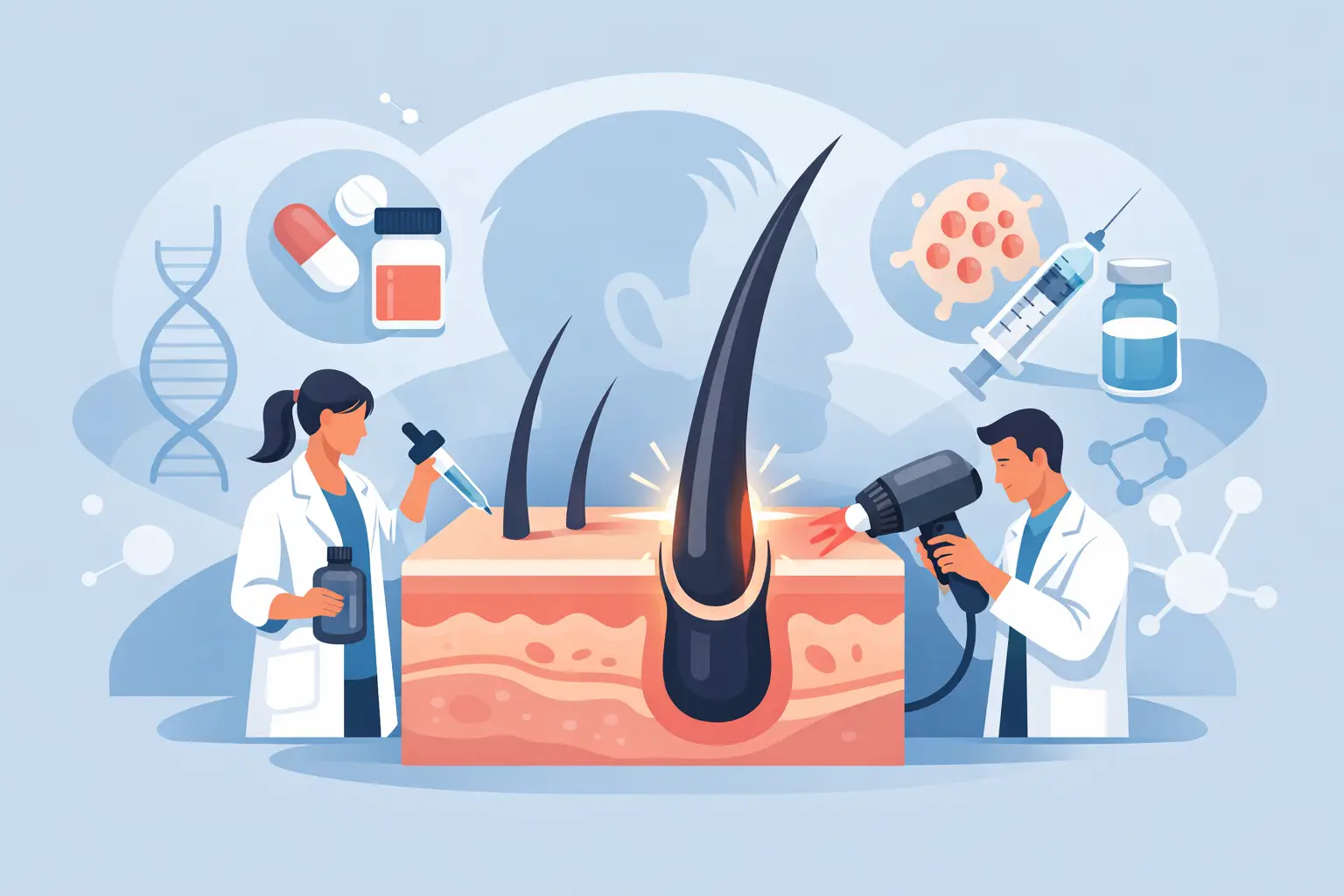
Hair restoration is not one lane anymore. Modern treatment plans may include medication, regenerative options, laser therapy, supplements, and surgical restoration. Each has a role, but none is ideal for every patient.
Medications help protect what you still have
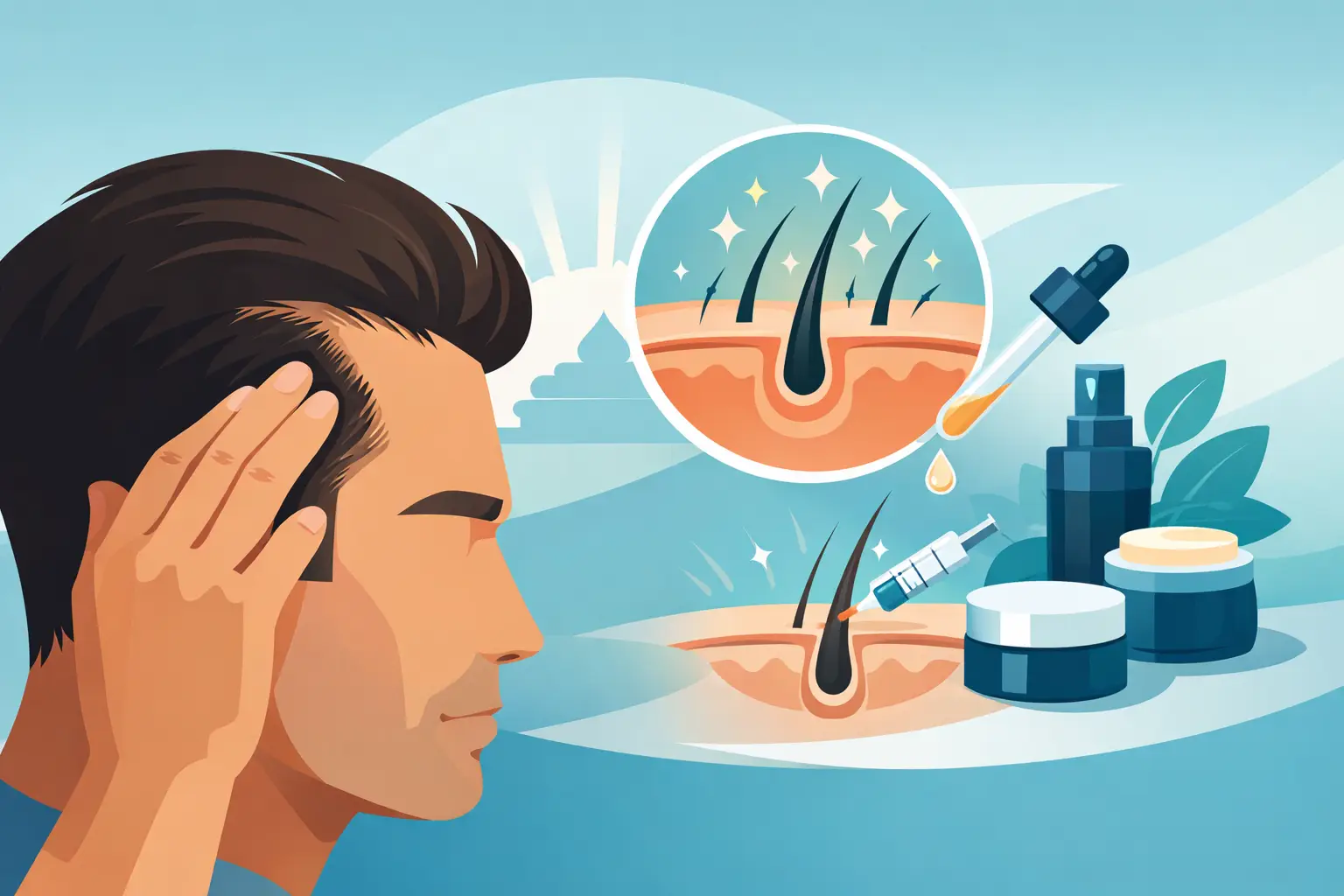
For men and women with pattern hair loss, medication is often the foundation. Depending on the patient, this may include oral or topical therapy designed to slow shedding and help preserve miniaturizing follicles. The biggest benefit is often stabilization. If hair loss is still active, keeping the surrounding hair stronger can protect the appearance of density over time.
That said, medication requires consistency. Results are gradual, and not everyone is a candidate for every option. Some patients prefer to avoid systemic treatment, while others are comfortable with it once they understand the benefits and possible side effects.
Regenerative injections may support thinning hair
Regenerative hair loss injections can be useful for patients who still have weakened follicles that are capable of responding. These treatments are often used to support hair quality, strengthen miniaturized strands, and complement other non-surgical therapies.
They are not a replacement for transplant surgery when follicles are no longer active. They are best thought of as a support treatment for salvageable hair, not a magic fix for advanced baldness.
Low-level laser therapy adds another non-surgical tool
Low-level laser therapy is popular because it is noninvasive and easy to integrate into a broader plan. It may help improve scalp circulation and support healthier growth cycles in some patients. The upside is convenience and minimal downtime. The trade-off is that it tends to be more helpful for mild to moderate thinning than for fully bald areas.
Used alone, laser therapy can feel modest. Used as part of a layered plan, it may help reinforce progress.
Supplements can help when there is a nutritional component
Not every case of thinning is caused by poor nutrition, but nutrition still matters. Physician-recommended supplements can be appropriate when diet, stress, hormonal changes, or underlying deficiencies may be affecting hair quality. They are usually best used as support, not as the centerpiece of treatment.
Patients often overestimate what supplements can do on their own. They may improve hair strength and overall quality, but they do not replace medical treatment for androgenetic hair loss.
FUE restores density where hair is already gone
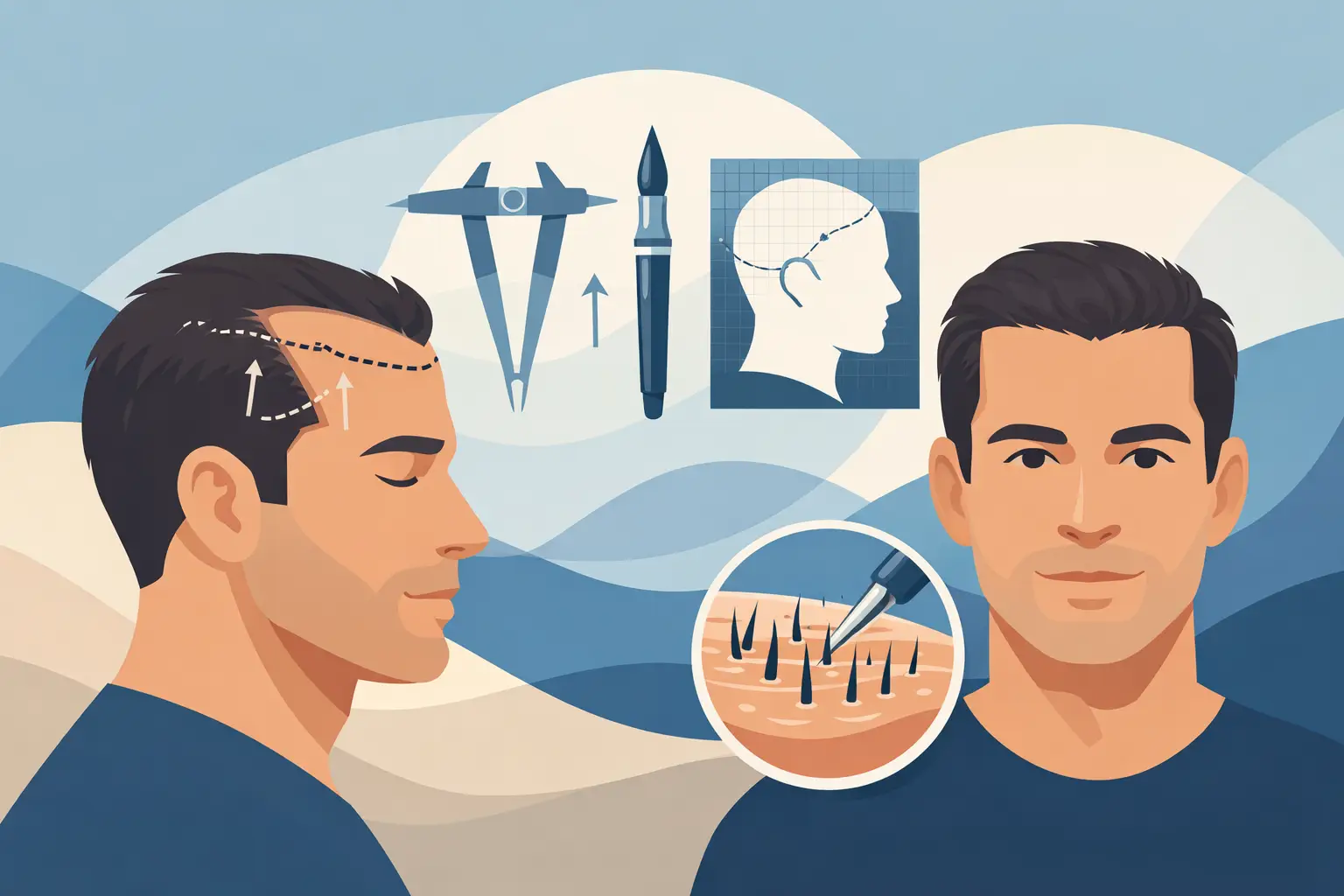
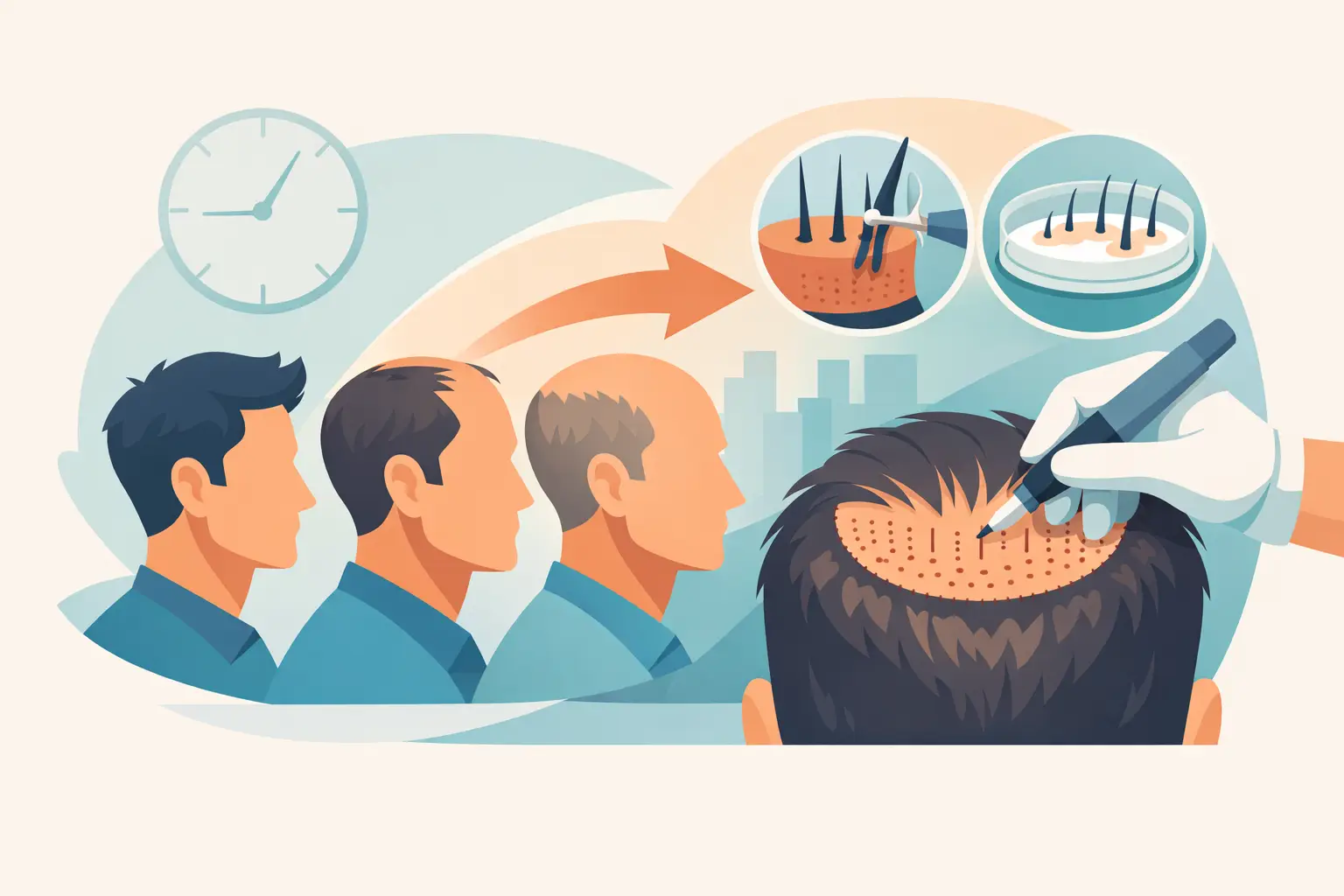
When an area has lost too much hair to recover with non-surgical treatment alone, FUE hair transplantation can offer the most direct path to visible density. By relocating healthy follicles from a donor area to thinning or bald areas, FUE can rebuild the hairline, add fullness, and create a more defined shape.
This is especially important for patients who want a lasting cosmetic improvement rather than ongoing maintenance alone. The best surgical results happen when the procedure is part of a bigger plan. Protecting native hair before and after surgery often matters just as much as the graft placement itself.
What a smart combination plan can look like
The right plan depends on timing. A 32-year-old man with an early recession has different needs than a 55-year-old woman with diffuse thinning, and both are different from someone seeking beard or eyebrow restoration.
A patient with early pattern hair loss may start with medication, laser therapy, and regenerative support to stabilize shedding and improve hair caliber. If that patient later wants more definition at the temples or front hairline, FUE can be added with a stronger chance of blending naturally into preserved native hair.
A patient with moderate to advanced loss may need a more direct restoration plan. In that case, FUE addresses the visible gaps, while medication or other supportive therapies help maintain the surrounding hair so the overall look stays consistent as the years go on.
For women, the approach often requires even more customization. Female hair loss can be diffuse, hormonally influenced, and sometimes related to more than one factor at once. A thorough evaluation is essential before deciding whether surgery, non-surgical care, or a combination is the best path.
When more treatment is not necessarily better
Patients sometimes assume that adding every available therapy will automatically produce better outcomes. Usually, that is not how good medicine works. More treatment only makes sense if each component solves a real problem.
There are trade-offs. Medications require long-term use. Laser therapy takes patience and regular use. Regenerative options may need repeat sessions. Surgery gives visible change, but it also requires planning, healing time, and realistic expectations about donor hair supply.
A combination plan should feel purposeful, not crowded. If two treatments do essentially the same thing, one may be enough. If a follicle is gone, scalp support alone will not bring it back. If loss is progressing quickly, surgery without medical maintenance may lead to an uneven look later.
This is why diagnosis comes first. A good plan respects both biology and budget.
The role of scalp analysis and personalized planning
The most effective hair restoration plans start with close evaluation, not guessing. Scalp analysis, medical history, family history, and pattern assessment help identify what kind of hair loss is happening and whether it is stable, progressive, inflammatory, or multifactorial.
In some cases, advanced diagnostic tools can add another layer of personalization. Genetic testing may help guide which non-surgical therapies are more likely to make sense for a specific patient. That kind of precision matters because it can reduce trial and error and make the treatment plan easier to commit to.
At Austin Hair Clinic, this personalized approach is a major advantage. Patients are not pushed toward one procedure by default. They are guided toward a plan that matches the stage of loss, available donor hair, lifestyle, and desired outcome.
What patients should expect from combined treatment
The biggest advantage of a combined approach is that it treats hair loss like an ongoing process rather than a one-time event. It can help preserve existing hair, improve the condition of thinning follicles, and restore areas that need more than maintenance.
The biggest challenge is patience. Hair grows slowly. Even when a plan is working, visible improvement takes time. Non-surgical treatments may take several months to show meaningful changes, and transplant results unfold gradually as grafts grow in and mature.
The emotional side matters too. Many patients come in frustrated because they have already tried shampoos, vitamins, or online products that promised too much. A medically guided combination plan offers something different – realistic expectations, a clear timeline, and treatments chosen for a reason.
If you are weighing your options, the goal is not to chase every trend. It is to build a plan that protects your confidence as well as your hair. The best results usually come from treating the problem from more than one angle, with a strategy that fits you now and still makes sense later.