Best Age for Hair Transplant Surgery
A lot of people ask the wrong version of this question. They ask for a number – 25, 30, 40 – as if the best age for hair transplant is the same for everyone. In real practice, it rarely works that way. The better question is whether your hair loss pattern is developed enough, your donor hair is strong enough, and your long-term plan is clear enough to make surgery worth doing now.
That matters because a hair transplant is not just about filling in a thinning area today. It is about creating a result that still looks natural years from now. If the timing is off, even technically good surgery can age poorly.
What is the best age for hair transplant?
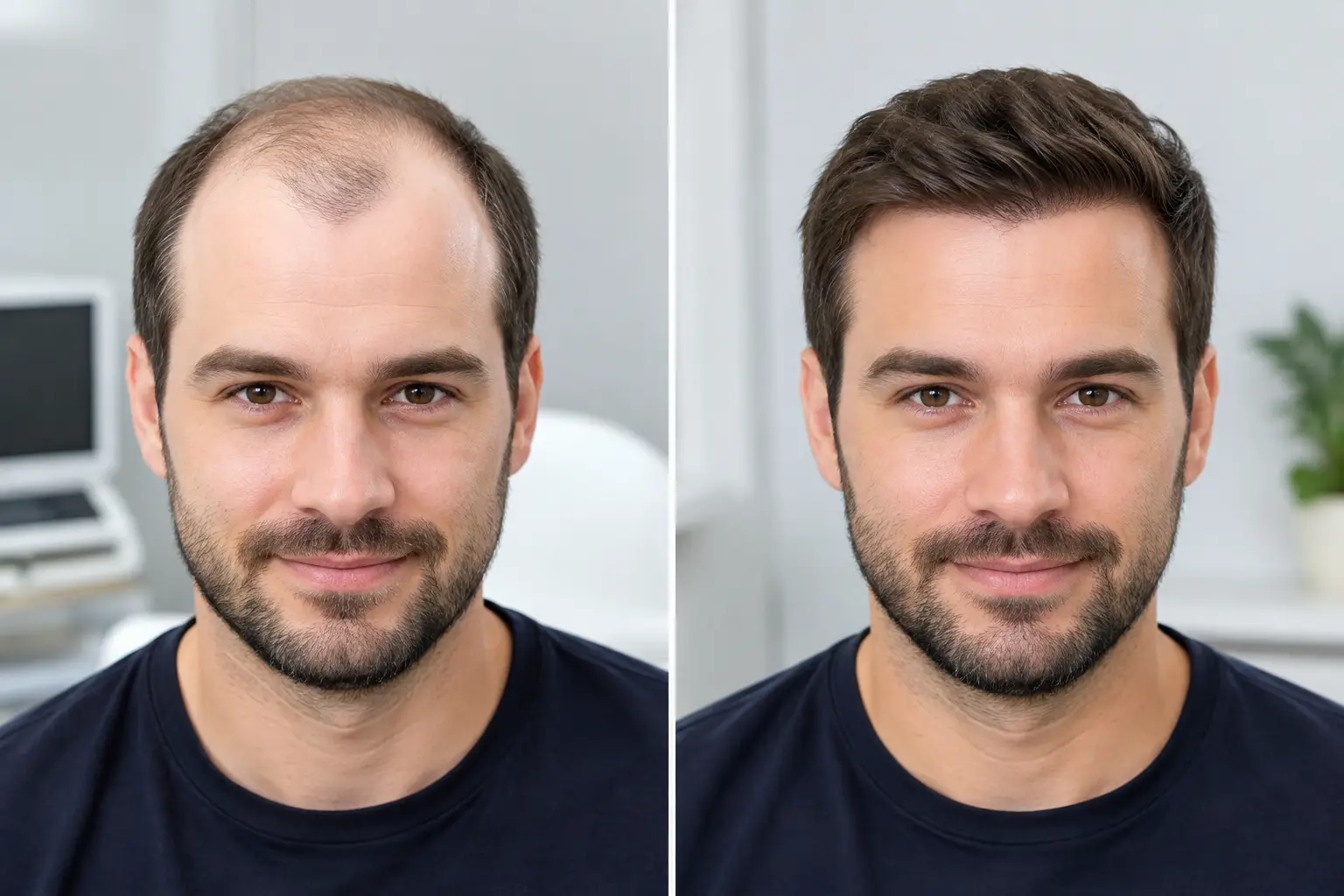
For many patients, the best age for hair transplant surgery is somewhere between the late 20s and 40s. That range is common because hair loss patterns are often easier to evaluate by then, and patients usually have enough donor hair to support a strong cosmetic improvement.
Still, age alone is not the deciding factor. A healthy 26-year-old with a stable hairline and realistic expectations may be a better candidate than a 38-year-old with rapid ongoing shedding and limited donor supply. The goal is not to hit a perfect birthday. The goal is to choose the right window for a natural, sustainable result.
Why younger is not always better
Many men start noticing recession in their late teens or early 20s. Women may also notice widening parts or reduced density surprisingly early. When hair loss feels sudden and personal, it is natural to want the fastest permanent fix.
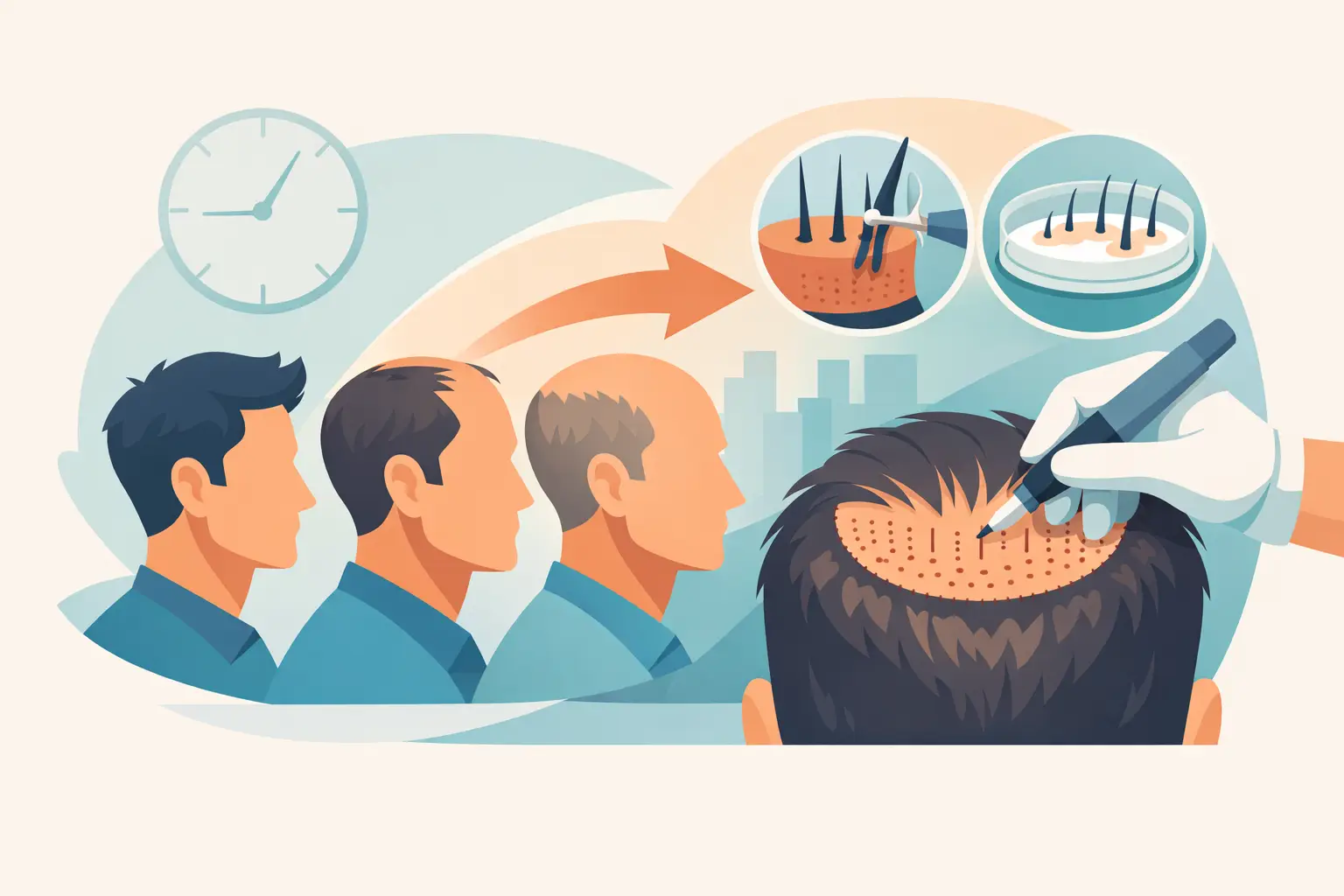
The challenge is that early hair loss can be unpredictable. A surgeon can rebuild a youthful hairline, but if native hair continues to disappear quickly around it, the result may look unnatural over time. You could end up chasing ongoing loss with more grafts than you originally expected.
This is why surgeons are often cautious with patients under 25. It is not because younger patients cannot have excellent outcomes. It is because the long-term pattern may not be clear yet. A conservative plan, combined with medical therapy or non-surgical support, is often the smarter first step.
In your early 20s
Patients in their early 20s are usually evaluated very carefully. If hair loss is aggressive, surgery may be postponed in favor of stabilizing treatments such as medication, regenerative therapies, or low-level laser support. That gives the hair loss pattern time to declare itself.
There are exceptions. Some younger patients have mature hairline recession rather than active, fast-moving balding. Others have specific concerns such as eyebrow loss, beard gaps, or a localized scar where transplantation may make sense sooner. The key is whether the problem is stable enough to treat surgically.
Why the late 20s to 40s is often the sweet spot
By the late 20s and into the 30s, the picture is often clearer. Hair loss patterns are easier to map. Donor density can be assessed more accurately. A physician can also design a hairline that fits your face now and still makes sense later.
This is one reason so many strong FUE candidates fall into this range. Patients are often young enough to enjoy the cosmetic benefit for decades, but mature enough that the treatment plan can be built around a more predictable pattern of loss.
For professionals, this timing also tends to line up with lifestyle priorities. They want natural-looking improvement, minimal downtime, and a result that restores confidence in meetings, photos, dating, or daily life without looking obvious. A well-planned FUE procedure can fit that goal very well.
In your 30s
Your 30s are often an excellent time for surgery if your hair loss has slowed or stabilized. At this stage, many patients have enough visible thinning to justify the procedure, but still enough donor reserves to achieve meaningful density.
This is also the decade when many people stop hoping the issue will reverse on its own. They want a real plan. That usually means evaluating not just surgery, but whether medication, regenerative treatment, or maintenance therapy should be part of protecting the result.
In your 40s and beyond
There is no hard cutoff. Plenty of patients in their 40s, 50s, and even 60s can be great candidates for hair transplantation. In fact, older patients sometimes benefit from a more established pattern of hair loss, which makes planning easier.
The main questions shift from age to overall health, donor quality, scalp condition, and goals. Some patients want a subtle refinement of the hairline. Others want to restore density through the front and crown. If expectations are realistic and the donor area is strong, age by itself is rarely the problem.
The real factors that matter more than age
When surgeons assess candidacy, they are looking at much more than your birth year. The most important factor is the stability of your hair loss. If the pattern is still changing rapidly, a transplant may need to wait or be paired with a broader treatment strategy.
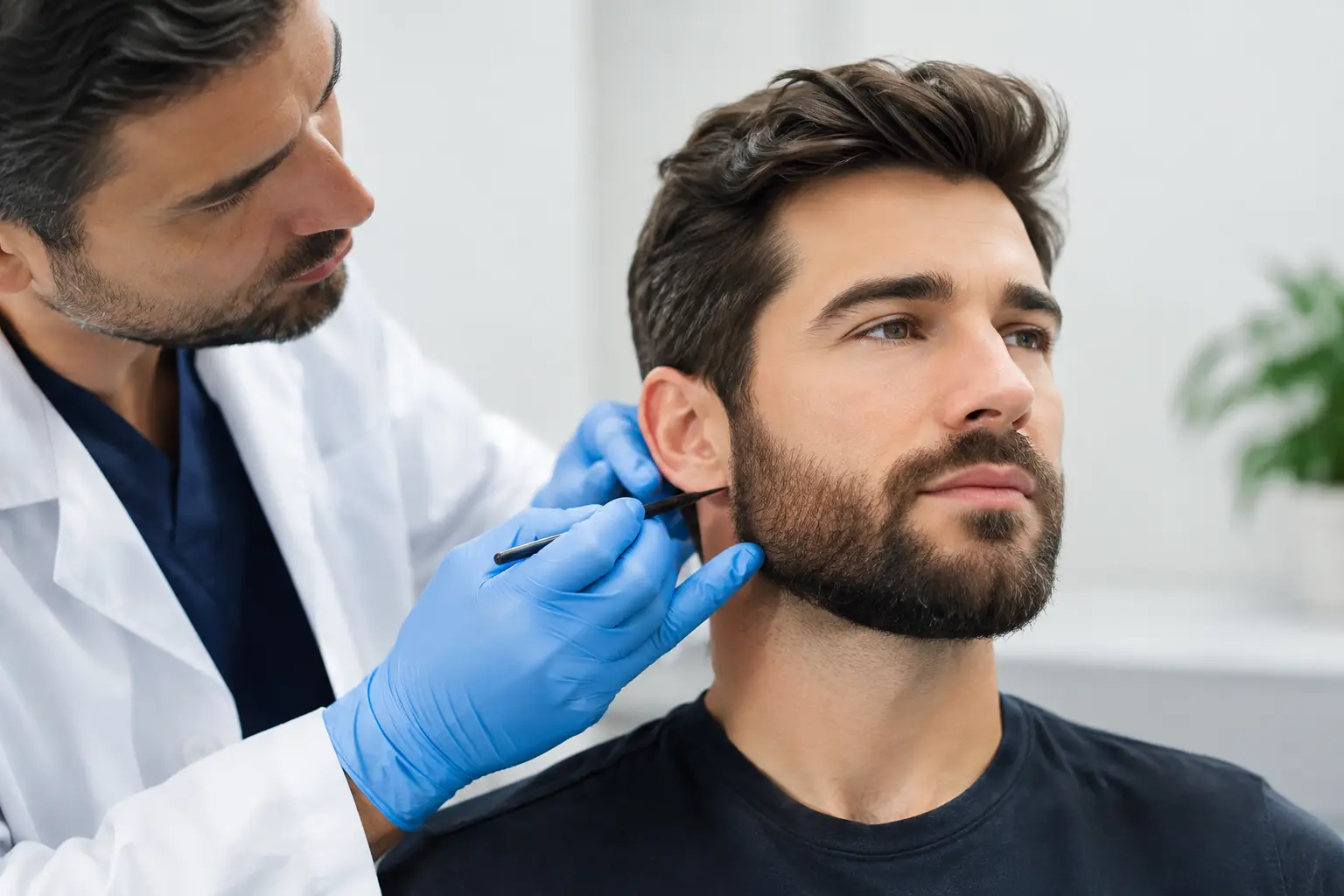
Donor supply is just as important. Hair transplants move follicles from a permanent zone, usually the back and sides of the scalp, into thinner areas. If that donor area is weak, overharvested, or naturally low in density, it limits what surgery can accomplish.
Hair characteristics matter too. Coarser hair often creates the appearance of fuller coverage. Curl, color contrast, and scalp laxity can also influence the visual result. So can the size of the area being treated. A small hairline refinement is very different from restoring a large crown and frontal zone.
Then there is the issue of expectations. The best candidates understand that transplantation redistributes existing hair. It does not create unlimited density. A natural result usually comes from strategic design, not from trying to recreate the hairline you had at 17.
Best age for hair transplant in women
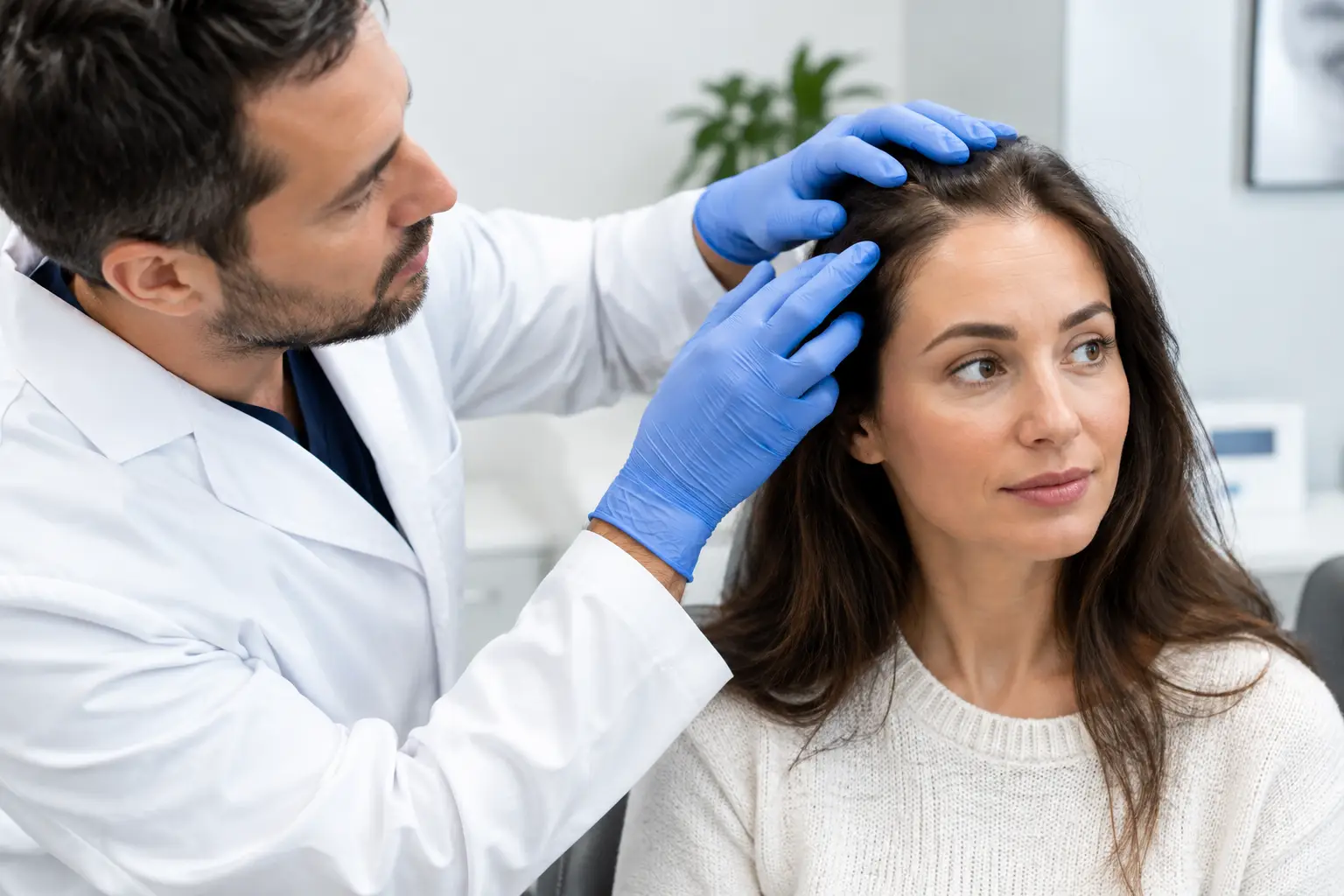
For women, the answer can be more nuanced. Female hair loss does not always follow the same predictable pattern seen in male pattern baldness. Diffuse thinning, hormonal changes, postpartum shedding, thyroid issues, and nutritional deficiencies can all affect timing and candidacy.
That is why women need a careful diagnosis before discussing surgery. If the thinning is diffuse across the scalp, transplantation may not be the first recommendation. If the issue is more localized – such as traction alopecia, eyebrow thinning, or a stable area of loss – surgery may be a strong option at different ages.
A thorough scalp analysis helps determine whether the underlying cause is stable, whether donor hair is sufficient, and whether non-surgical treatment should come first.
When waiting is actually the smarter move
Some patients are disappointed to hear that they should not rush into surgery. But a delay is not a rejection. It can be the decision that protects your long-term outcome.
Waiting may be the better choice if you are shedding heavily, your family history suggests aggressive progression, your donor density is borderline, or your goals are based on a very low juvenile hairline. In these cases, the smartest plan may be to stabilize first, monitor changes, and then proceed when the design can be done more safely.
That kind of restraint often leads to better cosmetic results and fewer regrets.
Why a personalized plan matters
The best hair transplant results come from planning beyond the procedure itself. That includes deciding how conservative the hairline should be, how many grafts should be used now versus saved for later, and whether medical maintenance is needed to protect surrounding native hair.
At a specialized practice such as Austin Hair Clinic, that conversation may include FUE, ARTAS robotic FUE, medications, regenerative injections, and other supportive treatments depending on the pattern and stage of loss. That broader view matters because not every patient needs the same path, even when they ask the same question.
A 29-year-old with a receding hairline, a 42-year-old with crown thinning, and a woman with eyebrow loss may all be candidates for transplantation, but the right timing and design will be very different.
So, how do you know if now is the right time?
If your hair loss has become a daily concern, the next step is not guessing your ideal age from the internet. It is getting a professional assessment of your pattern, donor area, and future risk. That is how you find out whether now is the right time, whether you should start with non-surgical treatment, or whether a staged plan makes more sense.
The best age for hair transplant is the age when your hair loss can be treated responsibly, your goals are realistic, and the result can still look natural years from now. For some people that is 27. For others it is 37 or 57. What matters most is not being early or late. It is being ready.