Female Hair Restoration Guide for Real Results

Hair loss in women rarely starts with a dramatic moment. More often, it shows up in photos, under bright bathroom lighting, or in the mirror when your part looks wider than it used to. A good female hair restoration guide should start there – with the reality that thinning hair can feel personal, frustrating, and hard to talk about, even though it is very common.
The next step is knowing that female hair loss is not one problem with one fix. Some women are dealing with inherited pattern thinning. Others notice shedding after stress, illness, hormonal changes, weight loss, menopause, or certain medications. That difference matters because the right treatment plan depends on why your hair is changing, how long it has been happening, and whether the follicles are still active.
What this female hair restoration guide should help you answer
Most women are not looking for abstract information. They want to know what is causing the thinning, whether it can be reversed, and what will actually make a visible difference. Those are the right questions.
In practice, hair restoration usually falls into two broad categories: preserving and improving existing hair, or restoring density in areas where thinning has become more established. Some patients need one path. Many do best with a combination approach.
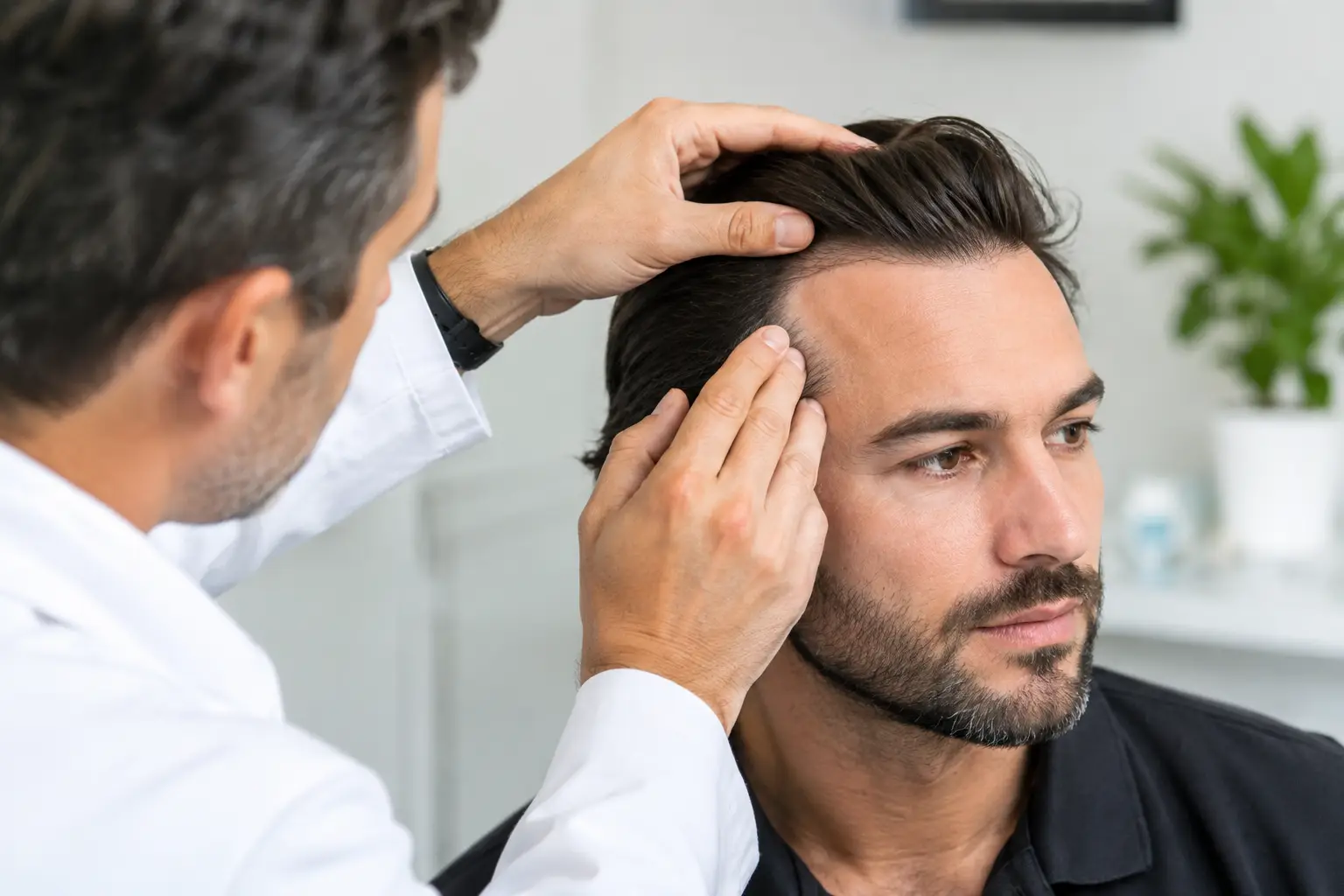
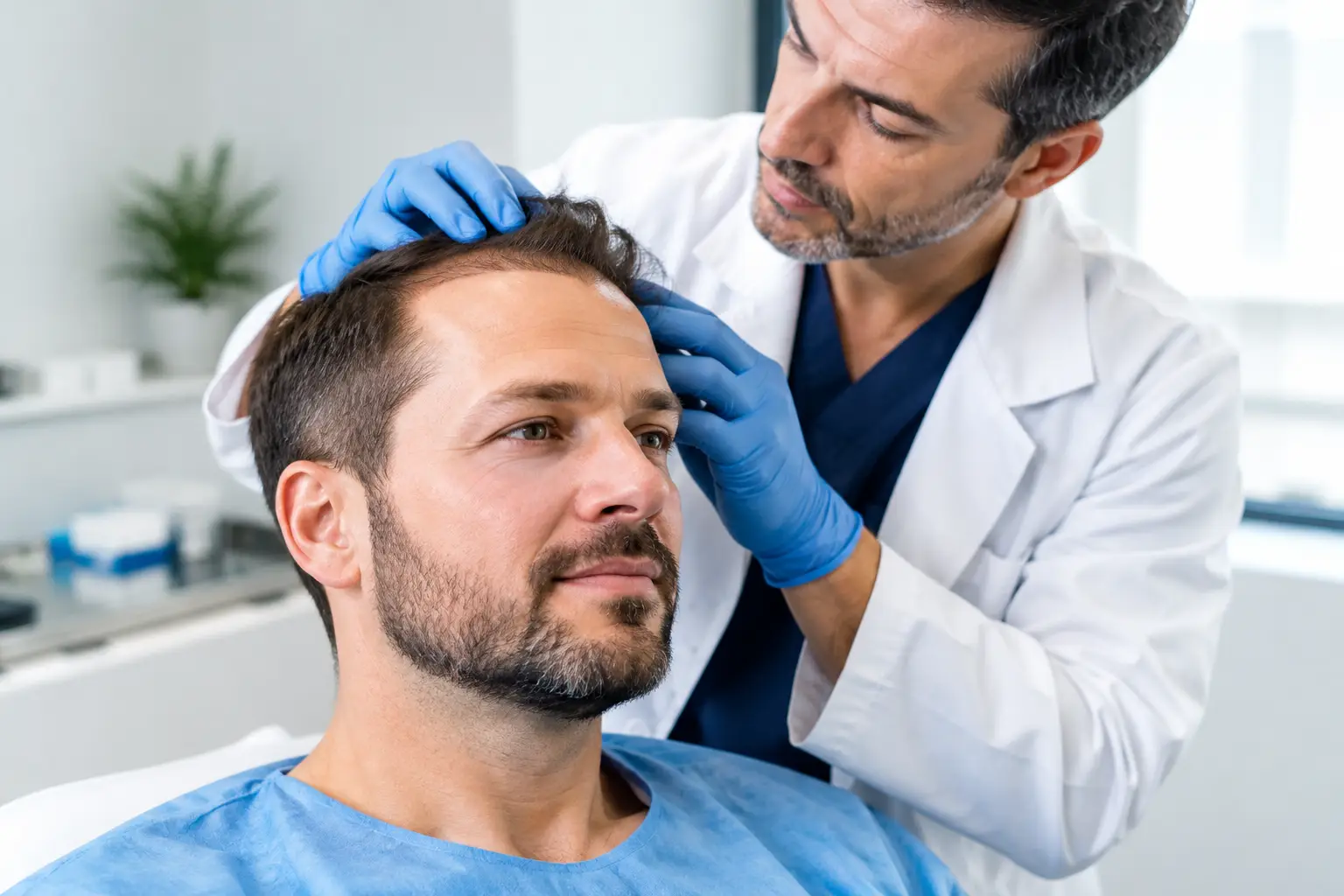
That is why an evaluation matters before treatment starts. A close look at the scalp pattern, miniaturization, hair caliber, family history, hormones, medical background, and rate of shedding can reveal whether the priority is medical therapy, regenerative support, low-level laser treatment, transplantation, or a staged plan that uses several tools together.
The most common causes of female hair loss
Female pattern hair loss is one of the most common reasons women seek treatment. It usually appears as diffuse thinning across the top of the scalp, a widening part, or reduced density near the crown while the frontal hairline often stays relatively preserved. This pattern is progressive, which means early treatment can make a meaningful difference.
Telogen effluvium is different. It tends to cause increased shedding after a trigger such as childbirth, illness, surgery, major stress, rapid dieting, or medication changes. In many cases, the follicles are not permanently damaged, but the shedding can be alarming and may uncover underlying pattern loss that had gone unnoticed before.
Hormonal shifts can also play a major role. Thyroid disease, menopause, polycystic ovary syndrome, and changes in estrogen or androgen balance can affect density and growth cycles. Nutritional issues, scalp inflammation, and traction from tight hairstyles can add to the problem.
This is one reason women often feel confused during research. Two people can both describe “thinning hair” and need very different solutions.
Non-surgical treatment options that can slow thinning
For many women, the first priority is preserving the hair they still have. Non-surgical treatments are often the foundation of that plan, especially in early or moderate stages.
Topical or oral medications may help extend the growth phase and improve density over time. These treatments can be effective, but they require consistency and patience. Hair grows slowly, so visible improvement often takes several months. They also work best while follicles remain active. If an area has been bare for a long time, medication alone may not recreate meaningful coverage.
Low-level laser therapy is another option for some patients. It can support hair health and may improve the environment around weakened follicles. It is noninvasive and easy to fit into a routine, but results are usually gradual and best viewed as supportive rather than dramatic.
Regenerative hair loss injections may be recommended when the goal is to stimulate weakened follicles and improve hair quality. These therapies can be appealing to women who want a minimally invasive option and a more personalized treatment plan. As with any regenerative treatment, results vary by candidate, and they tend to work better in thinning areas than in fully depleted ones.
Supplements can also have a place, especially when stress, nutritional gaps, or shifting hormones are part of the picture. The key is using them as part of a medically informed plan, not as a substitute for diagnosis.
When hair transplant surgery makes sense
Many women are surprised to learn that hair transplantation can be an excellent option for female patients. It is not right for every pattern of loss, but in the right candidate, it can restore density in a way that non-surgical treatment cannot.
FUE, or Follicular Unit Extraction, is commonly used because it removes individual follicular units from a donor area and places them with precision into thinning zones. For women, that precision matters. The goal is not just more hair. It is natural-looking density, strategic placement, and a result that blends with existing hair.
The best female transplant candidates usually have stable donor hair and specific areas of reduced density that can be improved with grafting. Women with diffuse thinning across the entire scalp may need a more cautious approach because the donor area itself can be affected. This is where physician evaluation becomes especially important. A transplant should solve a problem, not create a new one by overharvesting fragile donor hair.
Some women are seeking scalp restoration after years of gradual thinning. Others want to address traction-related loss at the temples, refine a naturally high hairline, or restore density around scars. The treatment plan depends on anatomy, hair characteristics, styling habits, and goals.
What to expect from a consultation
A strong consultation should feel educational, not sales-driven. You should come away understanding what type of hair loss you have, whether it appears stable or progressive, what treatments fit your scalp and goals, and what kind of timeline is realistic.
Scalp analysis is a key part of that process. It helps identify follicle miniaturization, donor strength, and whether non-surgical therapy should happen before surgery. Some patients benefit from genomic testing or a broader diagnostic workup when the cause is not obvious or when treatment response needs to be more personalized.
This is also the time to discuss trade-offs. A transplant can create lasting improvement, but it is still a procedure with recovery, cost, and planning involved. Medical therapy is less invasive, but it requires long-term consistency and may not be enough on its own. The right choice depends on how advanced the thinning is and how much change you want to see.
Setting realistic expectations
The women happiest with treatment are usually the ones who understand the timeline from the start. Hair restoration is a process, not a weekend fix.
With non-surgical care, early shedding may stabilize first, then density and quality may improve gradually over several months. With transplantation, newly placed grafts often shed before regrowth begins. Real growth takes time, and full maturation can take many months longer.
Density also has limits. Even excellent results are about aesthetic improvement, not returning to the exact hair volume you had at 18. Good planning focuses on what will look balanced, natural, and sustainable over time.
That matters even more for women because they often wear longer hair, style it in multiple ways, and need restored areas to blend naturally from every angle. Artistic design and graft placement are not cosmetic extras. They are central to the outcome.
How to choose the right provider
If you are comparing clinics, look beyond before-and-after photos alone. Ask who evaluates you, who performs the procedure, how donor hair is protected, and whether the practice offers more than one solution. Hair loss can change over time, so a clinic that only offers a single treatment may not be built around your long-term outcome.
Physician involvement matters. So does experience with female hair loss specifically. Women present differently than men, and the treatment strategy should reflect that. A practice that combines surgical and non-surgical options is often better positioned to create a plan that fits your stage of loss instead of forcing every patient into the same path.
At Austin Hair Clinic, that comprehensive approach is central to care. Some women need advanced FUE restoration. Others are better served by medication, regenerative treatment, laser therapy, or a combination that supports both current hair and future growth.
The emotional side is real
Women often minimize how much hair loss affects them. They tell themselves it is “just cosmetic,” even when it changes how they style their hair, how they feel at work, or whether they want to be in photos. But confidence is not a small thing. When your hair no longer feels like you, that loss can follow you into daily life in quiet ways.
The good news is that treatment has moved far beyond one-size-fits-all answers. With the right diagnosis and a personalized plan, many women can slow progression, improve density, and restore a more confident reflection in the mirror.
If you are in the early stages, acting now may help preserve more of the hair you have. If thinning has been progressing for years, that does not mean you missed your chance. It means the plan needs to be thoughtful. The best place to start is not with a miracle product. It is with a clear medical evaluation and a strategy built for your hair, your goals, and your life.