Hair Medication: What Actually Helps Hair Loss

A widening part, a receding hairline, or more hair in the shower can make a person feel like their appearance is changing faster than they are ready for. Hair medication is often one of the first medically supported options for slowing that process. Used appropriately, it can help protect existing follicles, encourage thicker-looking growth, and support the results of other hair restoration treatments.
The key is setting realistic expectations. Medication does not create an overnight transformation, and it cannot revive every dormant follicle. It can, however, be a highly valuable part of a personalized plan for men and women who want to address thinning before it progresses further.
What Hair Medication Can and Cannot Do
Most prescription and over-the-counter hair loss treatments are designed to manage androgenetic alopecia, also known as male or female pattern hair loss. This common condition is influenced by genetics and hormones. Over time, susceptible follicles become smaller, producing finer, shorter hairs until visible density is lost.
The right medication may slow this miniaturization process. Some treatments improve the growth phase of the hair cycle, while others reduce the hormonal effects that contribute to follicle shrinkage. For many patients, that means less shedding, improved caliber in existing hair, and a fuller overall appearance.
What medication cannot reliably do is restore a completely bare area to the density of a natural, untouched hairline. If a follicle has been inactive for a long time, surgical restoration may ultimately be the more predictable option. That does not make medication less valuable. It may help preserve the native hair around a transplant and reduce the chance that thinning continues behind newly placed grafts.
The Most Common Hair Loss Medications
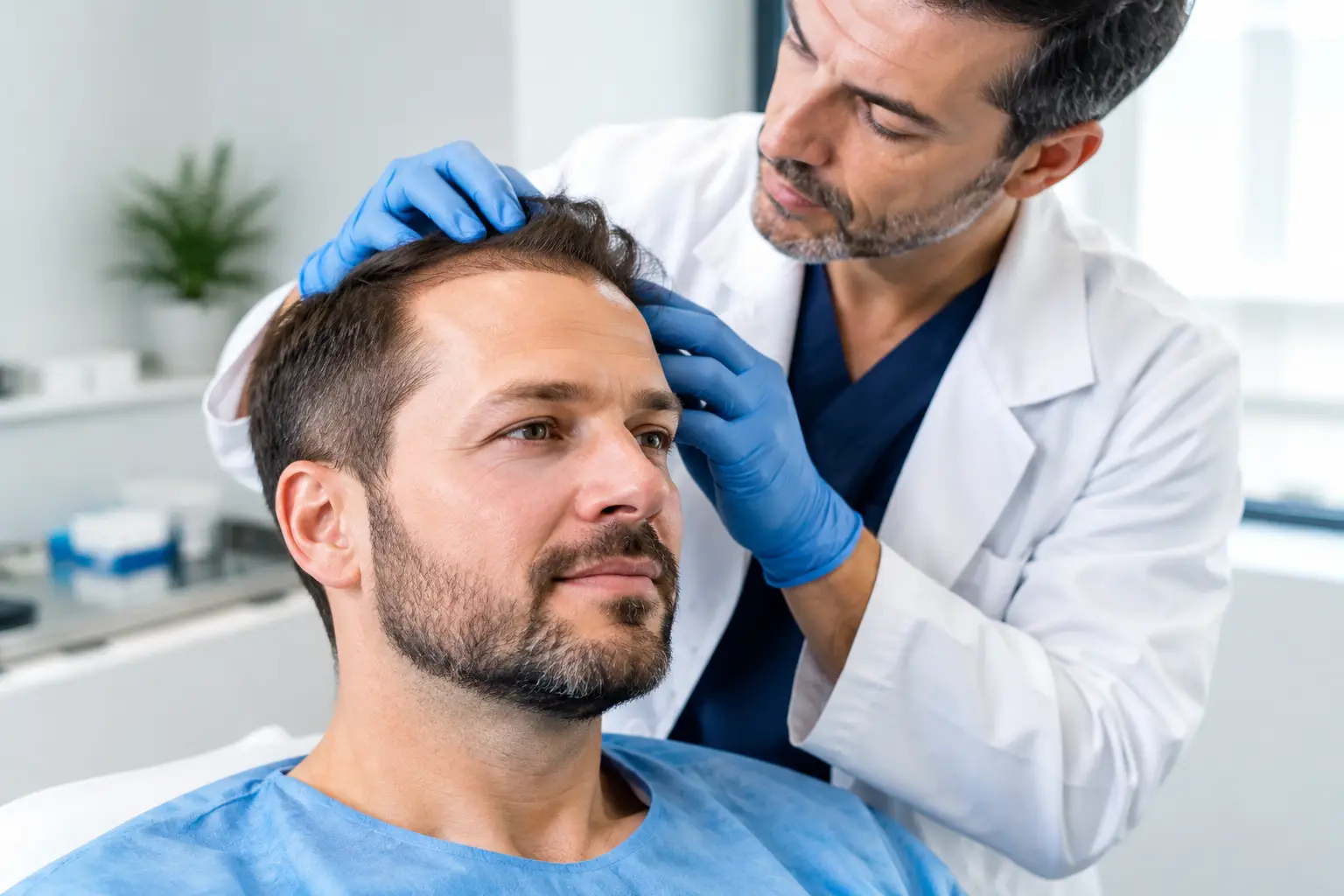
A thoughtful recommendation starts with identifying the type and pattern of hair loss. A medical evaluation can help distinguish pattern hair loss from shedding related to stress, illness, nutritional deficiencies, thyroid changes, certain medications, or inflammatory scalp conditions.
Minoxidil for Men and Women
Minoxidil is available as a topical foam or solution and is widely used by both men and women. It works by helping follicles remain in the growth phase longer and may improve the diameter of miniaturized hairs. It is often appropriate for diffuse thinning at the crown or along a widening part, though it may also support other areas of the scalp.
Consistency matters. Minoxidil is generally applied daily, and visible improvement commonly takes several months. Some patients experience temporary increased shedding early in treatment. This can be alarming, but it may reflect hairs cycling out before new growth develops. A physician can help determine whether the shedding pattern is expected or whether another issue needs attention.
Topical treatment can cause scalp irritation, flaking, or unwanted facial hair growth if it transfers beyond the scalp. For patients who do not tolerate topical formulas or struggle with daily application, a physician may discuss low-dose oral minoxidil. Oral minoxidil is not right for everyone and requires medical oversight because it can affect blood pressure, heart rate, and fluid retention.
Finasteride for Male Pattern Hair Loss
Finasteride is a prescription medication commonly used for men with androgenetic alopecia. It lowers levels of dihydrotestosterone, or DHT, a hormone that contributes to follicle miniaturization in genetically susceptible individuals. For the right candidate, it can slow further loss and help retain hair that might otherwise continue to thin.
Finasteride may be taken orally or, in some cases, formulated for topical use. The best option depends on the patient’s hair loss pattern, health history, preferences, and tolerance for potential side effects. Sexual side effects, mood changes, breast tenderness, and fertility considerations should be discussed openly before treatment begins. These effects are not experienced by every patient, but informed consent matters.
Women who are pregnant or may become pregnant should not use or handle crushed finasteride tablets because of the potential risk to a developing male fetus. Women with hair loss have other treatment considerations that should be reviewed individually.
Dutasteride and Other Physician-Guided Options
Dutasteride affects DHT through a broader mechanism than finasteride and may be considered in select cases, particularly when hair loss continues despite standard treatment. It is not the first choice for every patient, and its use for hair loss should be guided by an experienced physician who can explain the potential benefits and trade-offs.
For women with certain hormonal patterns of hair loss, medications such as spironolactone may also be considered. It can help reduce the influence of androgens on the follicles but requires screening for medical contraindications and ongoing monitoring when appropriate. The safest, most effective plan is rarely one-size-fits-all.
When Medication Makes the Most Sense
Hair medication tends to be most effective when started before hair loss becomes advanced. That is especially relevant for patients who notice early recession, thinning at the crown, a widening part, or a gradual loss of density in photographs. Waiting until an area is fully bare can limit what non-surgical treatments can achieve.
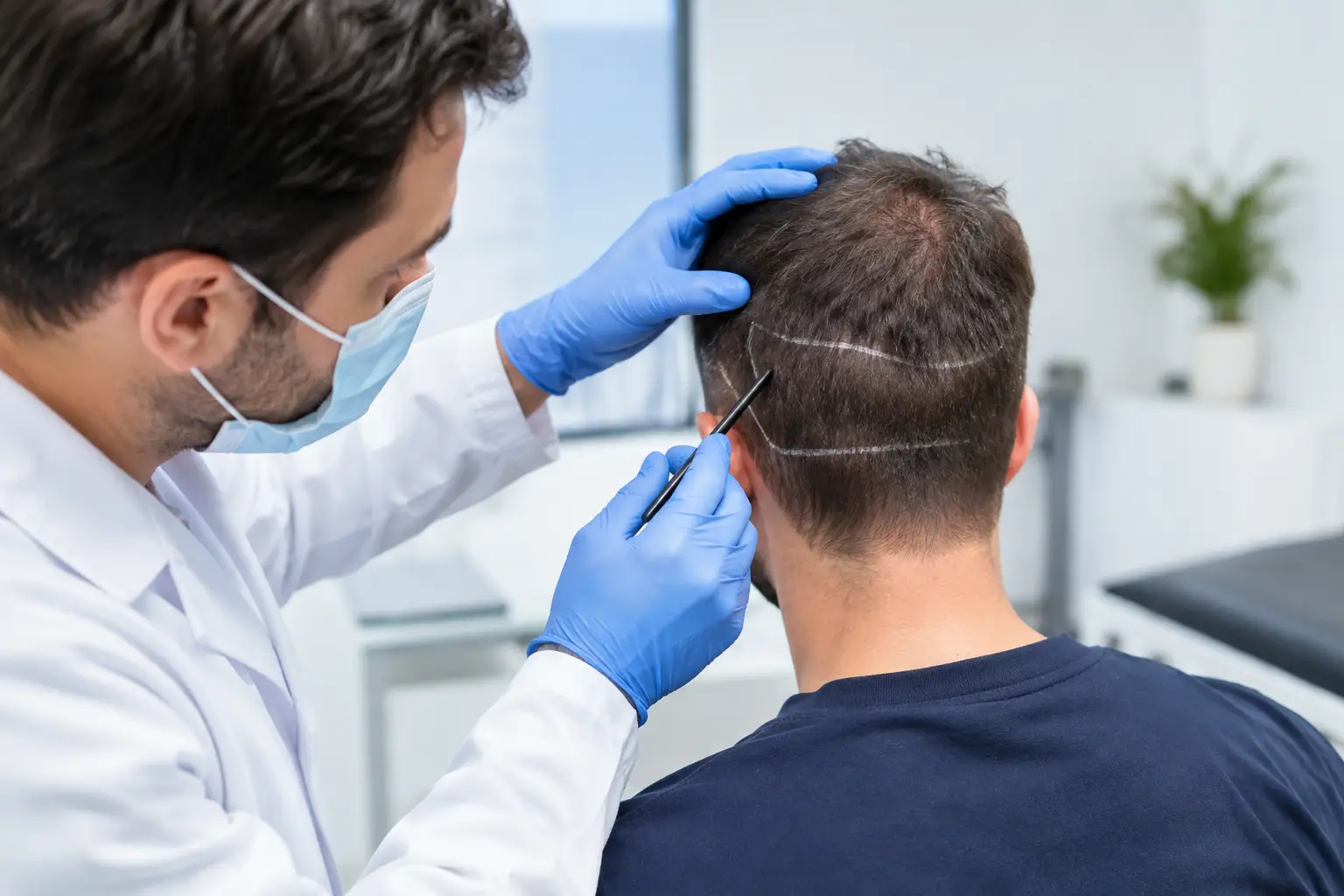
Medication can also be a smart choice for patients who are not ready for a procedure, are too early in their hair loss journey for transplantation, or want to stabilize loss before considering FUE. Patients who have already had a hair transplant may use medication to preserve surrounding native hair and maintain a more balanced result over time.
There are situations where medication alone may not be enough. A mature hairline with significant recession, a sparsely covered crown, or a desire for immediate visual density may lead to a conversation about FUE hair transplantation. Regenerative injections, low-level laser therapy, and targeted nutritional support may also have a place in a broader treatment strategy, depending on the cause of thinning and the patient’s goals.
How Long Does Hair Medication Take to Work?
Patience is part of the treatment. Most people need at least three to six months of consistent use before they can fairly assess early changes. More meaningful improvement may take six to 12 months. Progress is often subtle at first: reduced shedding, stronger hairs, easier styling, or less visible scalp under bright light.
Photos taken under consistent lighting and at regular intervals can be more useful than checking the mirror every day. Hair grows slowly, and daily scrutiny can make real progress difficult to see. If treatment is working, it generally needs to be continued to maintain the benefit. Stopping a medication can allow genetically driven hair loss to resume.
Choosing a Safer, More Personalized Plan
Online ads can make hair loss treatment sound simple: choose a pill, use a foam, and wait for results. Real treatment is more nuanced. The best choice depends on whether the hair loss is hormonal, genetic, inflammatory, nutritional, stress-related, or connected to a medical condition.
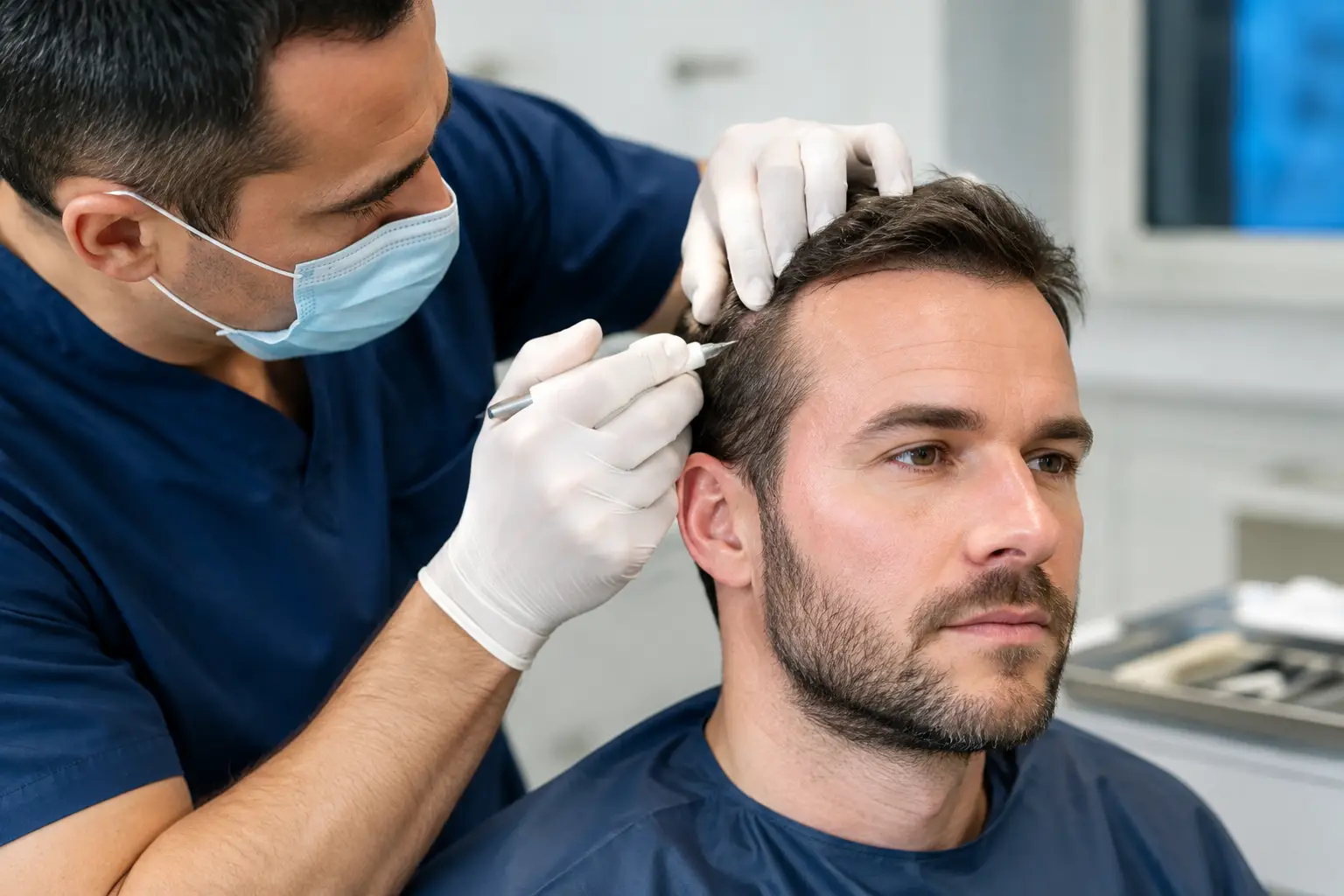
A professional scalp and hair evaluation helps answer practical questions. Is the hairline still stable? Are follicles miniaturized but active? Is there a scalp condition contributing to shedding? Are there health factors that make a particular medication a poor fit? These details can prevent wasted time and help create a plan that reflects both medical safety and aesthetic goals.
At Austin Hair Clinic, treatment planning is centered on preserving what you have while pursuing natural-looking improvement. For some patients, that means medication alone. For others, medication is the foundation that supports laser therapy, regenerative treatment, or a precisely designed FUE transplant.
Frequently Asked Questions About Hair Medication
Can hair medication regrow a receding hairline?
It may help slow further recession and thicken miniaturized hairs near the hairline, especially when started early. However, longstanding recession is less likely to regrow significantly with medication alone. A transplant may provide more predictable hairline restoration when donor hair and candidacy allow.
Is topical or oral treatment better?
Neither is universally better. Topical treatments can be effective and avoid some systemic exposure, but they require consistent application and may irritate the scalp. Oral options may be more convenient for some patients but need careful medical screening. Your health history and treatment goals should guide the decision.
Can supplements replace prescription medication?
Supplements can support overall hair health when a nutritional need is present, but they do not replace medically appropriate treatment for genetic pattern hair loss. A high-quality supplement may complement a plan, particularly when diet, stress, or nutrient status is a factor.
Hair loss can feel personal because it is personal. The most encouraging step is not chasing the newest product. It is getting a clear diagnosis and a plan that gives your existing hair the best possible chance to stay strong.