Protecting Grafts During Sleep After FUE
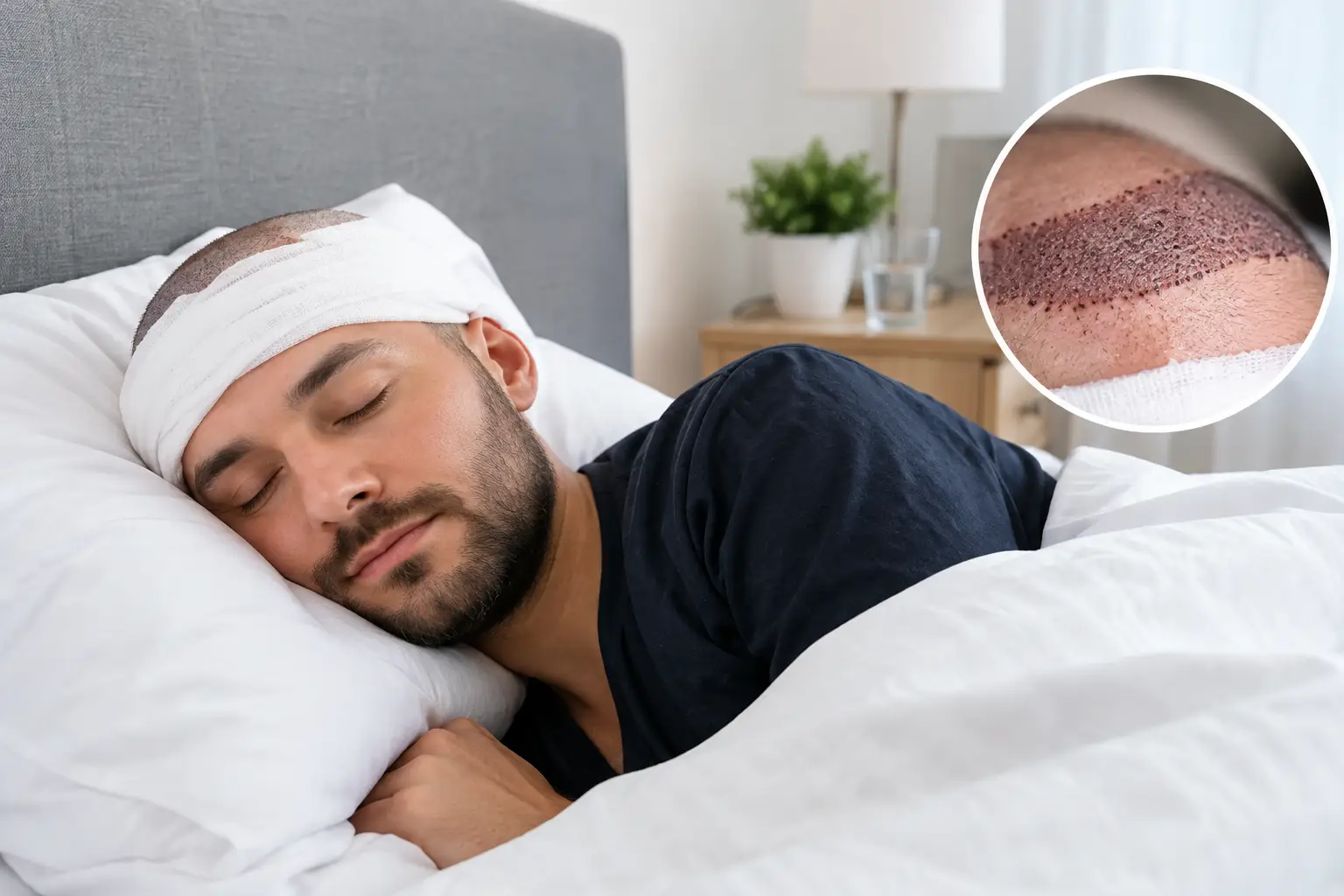
The first night after an FUE hair transplant can feel more stressful than the procedure itself. You are tired, your scalp may feel tender, and a perfectly ordinary turn in your sleep suddenly seems risky. Protecting grafts during sleep is a real part of early recovery, but it does not require staying awake all night or treating your bed like a surgical suite. It requires a clear plan, the right positioning, and close adherence to your surgeon’s postoperative instructions.
Newly transplanted follicles need time to settle into their recipient sites and establish a blood supply. During the first several days, friction, direct pressure, picking, or a blow to the scalp can dislodge a graft. The goal is simple: reduce the chance that your recipient area rubs against bedding while also managing swelling and allowing you to get restorative rest.
Why Sleep Matters in the First Week After FUE
FUE moves individual follicular units from the donor area, usually at the back and sides of the scalp, into carefully created recipient sites. Although the procedure is minimally invasive, both areas need thoughtful care. The transplanted grafts are most vulnerable in the early healing phase, especially during the first few nights.
Sleep creates a few practical challenges. You cannot control every movement once you are asleep, your pillow can create friction, and lying flat may worsen forehead or facial swelling in some patients. The recipient area is often along the hairline, temples, or crown, so the safest position depends partly on where your grafts were placed.
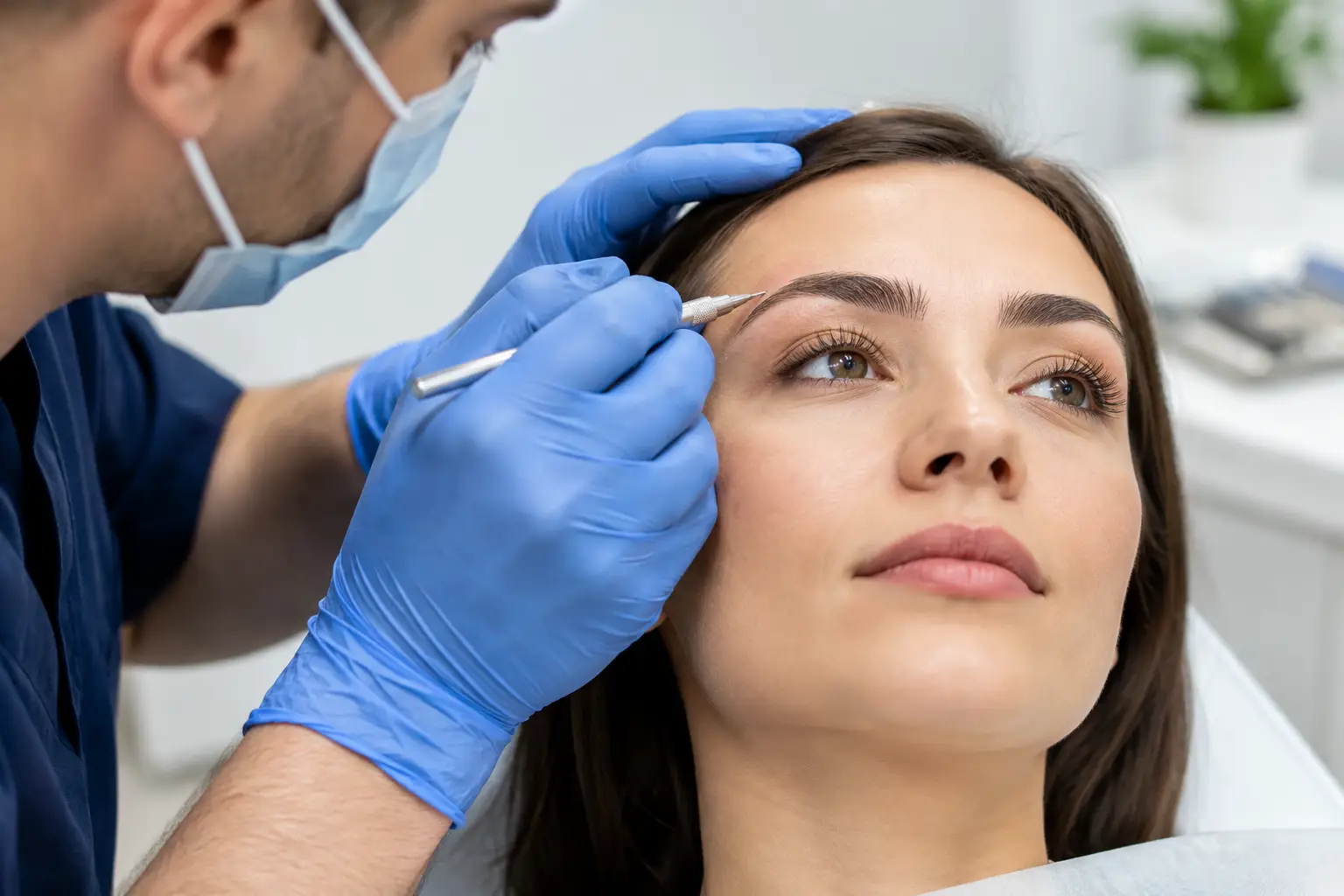
That is why a personalized recovery plan matters. A patient having hairline restoration may need to avoid a different contact point than someone receiving crown coverage or an eyebrow transplant. Your surgical team should always be the final authority on your specific instructions.
Protecting Grafts During Sleep: The Best Position
For most FUE patients, sleeping on the back with the head elevated is recommended for the first several nights. Elevation can help limit swelling, while back sleeping keeps the front and top of the scalp away from the pillow. Many practices recommend a recliner or sleeping with several pillows supporting the upper body, usually at roughly a 30- to 45-degree angle.
A travel neck pillow can be especially useful. It helps keep your head centered and may reduce the instinct to roll onto your side. Place it around your neck while your upper body is elevated, then use pillows on either side of your torso as gentle barriers. The objective is not to immobilize yourself. It is to make the protected position the most comfortable one.
If your transplant involved the crown, the approach may be adjusted so you are not placing direct pressure on the grafted area. If you normally sleep on your stomach, the change can be harder, since this position may bring the forehead, hairline, or top of the scalp into contact with a pillow. A recliner is often the easiest short-term solution for patients who know they move frequently at night.
Keep Your Pillowcase Clean and Smooth
Use a freshly washed pillowcase every night during early recovery, particularly if there is still minor spotting or oozing from the donor area. A smooth, clean cotton pillowcase is often practical and comfortable. Some patients use a clean absorbent pad over the pillowcase for the first night or two, then replace it as directed.
Do not wrap the recipient area in a tight cap, bandage, or fabric unless your surgeon specifically instructs you to do so. Compression and rubbing are not helpful for newly placed grafts. Avoid piling loose blankets near your face and scalp, where they can shift during the night.
How Long Should You Sleep Elevated?
There is no single timeline that fits every transplant. Many patients are asked to sleep elevated and avoid pressure on the grafts for about three to five nights. Others may be advised to continue for a full week, especially if they have notable swelling, a large graft count, or grafts placed in areas likely to touch the pillow.
By around seven to 10 days, grafts are generally much more secure than they were immediately after surgery. That does not mean your scalp is fully healed or that you should scrub, scratch, or rub it. It means normal sleep becomes less precarious. Your care team may clear you to return gradually to your usual sleeping position based on how your scalp looks at follow-up.
The safest answer is the one given in your postoperative instructions. Do not rely on a calendar alone if you have crusting, persistent tenderness, unexpected redness, or any concern that a graft may have been disturbed.
What if You Roll Over in Your Sleep?
This is one of the most common worries after hair restoration surgery. If you wake up on your side or briefly touch the pillow with the recipient area, do not panic. A moment of light contact does not automatically mean graft loss. Focus on what you can observe.
If there is no bleeding, no visible tissue on the pillow, and no sudden sharp pain, gently reposition yourself and continue following your care plan. Do not inspect the area repeatedly in a mirror, press on it, or attempt to move anything back into place. Excess handling can create more irritation than the brief contact itself.
Call your surgical team if you see active bleeding, a clearly dislodged graft, increasing pain, drainage with an unusual odor, or rapidly spreading redness. Early communication is always better than guessing, particularly in the first few days after FUE.
Small Habits That Protect Your Results Overnight
Your evening routine can make sleeping safely much easier. Take prescribed medications exactly as directed and avoid taking new sleep aids, alcohol, or supplements without approval. Anything that makes you unusually sedated can make it harder to maintain your recommended position or recognize discomfort.
Before bed, prepare the room so you do not have to search for items in the dark. Keep your phone, water, approved medications, and any postoperative spray within reach. If your instructions include misting the grafts with saline, follow the schedule provided by your clinic rather than applying extra spray because the scalp feels dry.
Avoid vigorous exercise late in the day, hot showers, and overheating in bed. Sweating can irritate the scalp and may make you more likely to touch it. A cool room, loose front-button or zip-up sleepwear, and a calm wind-down routine are usually better choices than anything that pulls over your head.
Do Not Let Scabs Change Your Sleep Plan
As the recipient area heals, small scabs are expected. They can itch, especially at night, and that can tempt patients to scratch without fully waking. Keep your nails trimmed and consider wearing soft, clean cotton gloves if you are concerned about touching your scalp in your sleep. This is a simple safeguard, not a substitute for proper aftercare.
Do not pick scabs or use oils, concealers, dry shampoo, or styling products unless your care team has cleared them. Most post-transplant scabs loosen naturally with the washing method recommended by your surgeon. Trying to speed up that process can put unnecessary traction on healing follicles.
When to Contact Your Hair Restoration Team
Some swelling, tightness, mild itching, and temporary numbness can occur after FUE. These symptoms are often manageable with the recovery guidance you receive. However, significant swelling around the eyes, worsening pain, fever, excessive bleeding, pus-like drainage, or a reaction to medication deserves prompt medical attention.
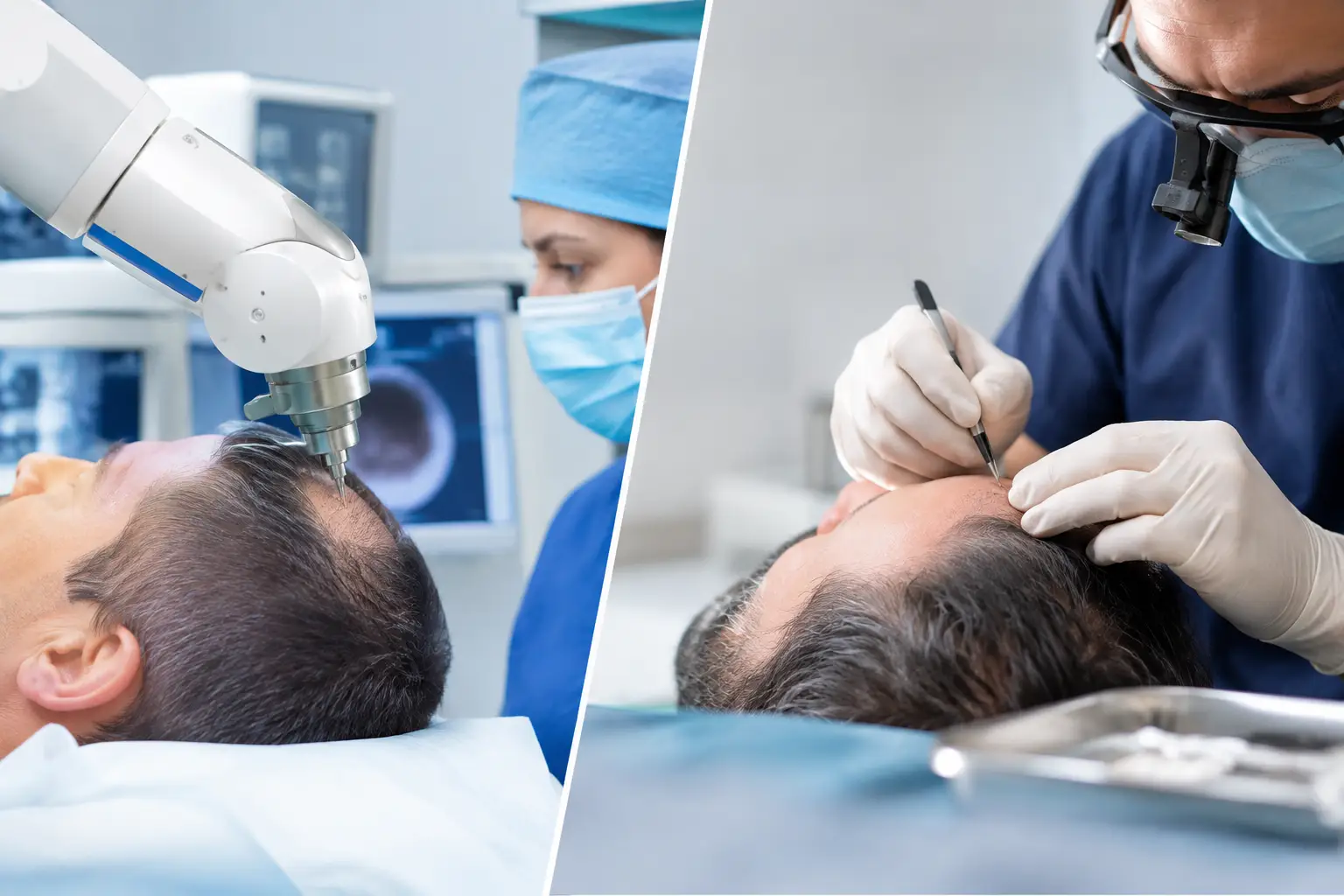
At Austin Hair Clinic, patients receive personalized guidance because a natural-looking result begins with precise placement and continues through careful recovery. Whether you have selected standard FUE, ARTAS robotic FUE, or facial hair restoration, your postoperative plan should reflect the location of your grafts, your health history, and the details of your procedure.
The first few nights are temporary, but they are a meaningful investment in the confidence you are building. Set up your sleep space before surgery, follow your instructions closely, and give your new grafts the quiet, protected recovery period they deserve.