Can Eyebrow Transplants Look Natural With FUE?
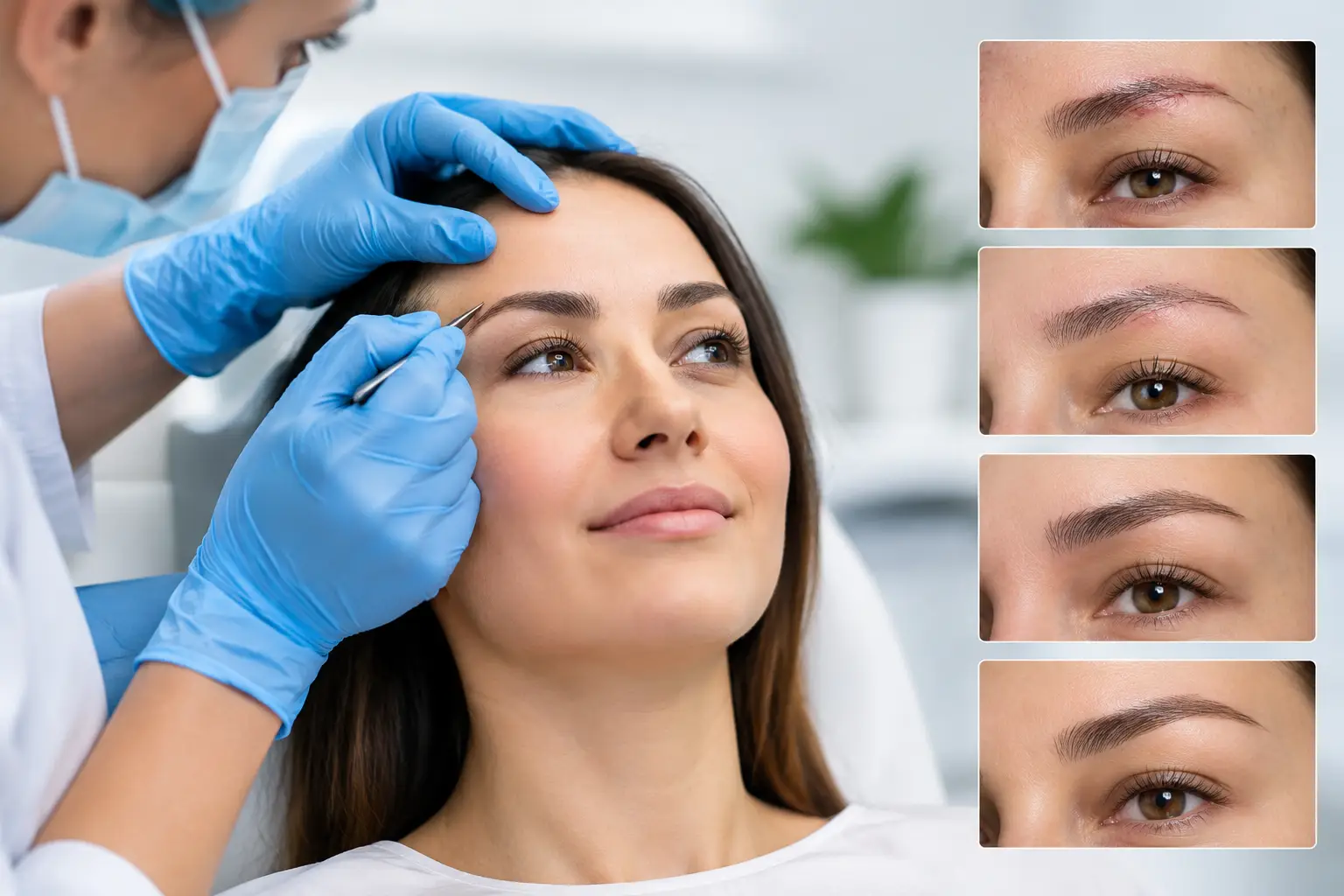
Sparse eyebrows can change more than a morning makeup routine. They can make the face appear less balanced, leave old scars more noticeable, or create a look that feels less like you. Many patients ask, can eyebrow transplants look natural? When the procedure is planned with facial balance, precise graft selection, and careful placement in mind, the answer is yes.
Natural-looking eyebrow restoration is not about placing the largest possible number of hairs. It is about recreating the subtle direction, softness, density, and shape of a real brow. This is a highly detailed procedure, and the artistic judgment behind it matters as much as the transplantation technique.
What Makes an Eyebrow Transplant Look Natural?
A natural eyebrow has variation. The hairs at the front of the brow tend to grow upward and outward, while hairs through the body and arch follow a different pattern. Near the tail, they often lie flatter against the skin and angle toward the temple. Each side is similar, but not perfectly identical.
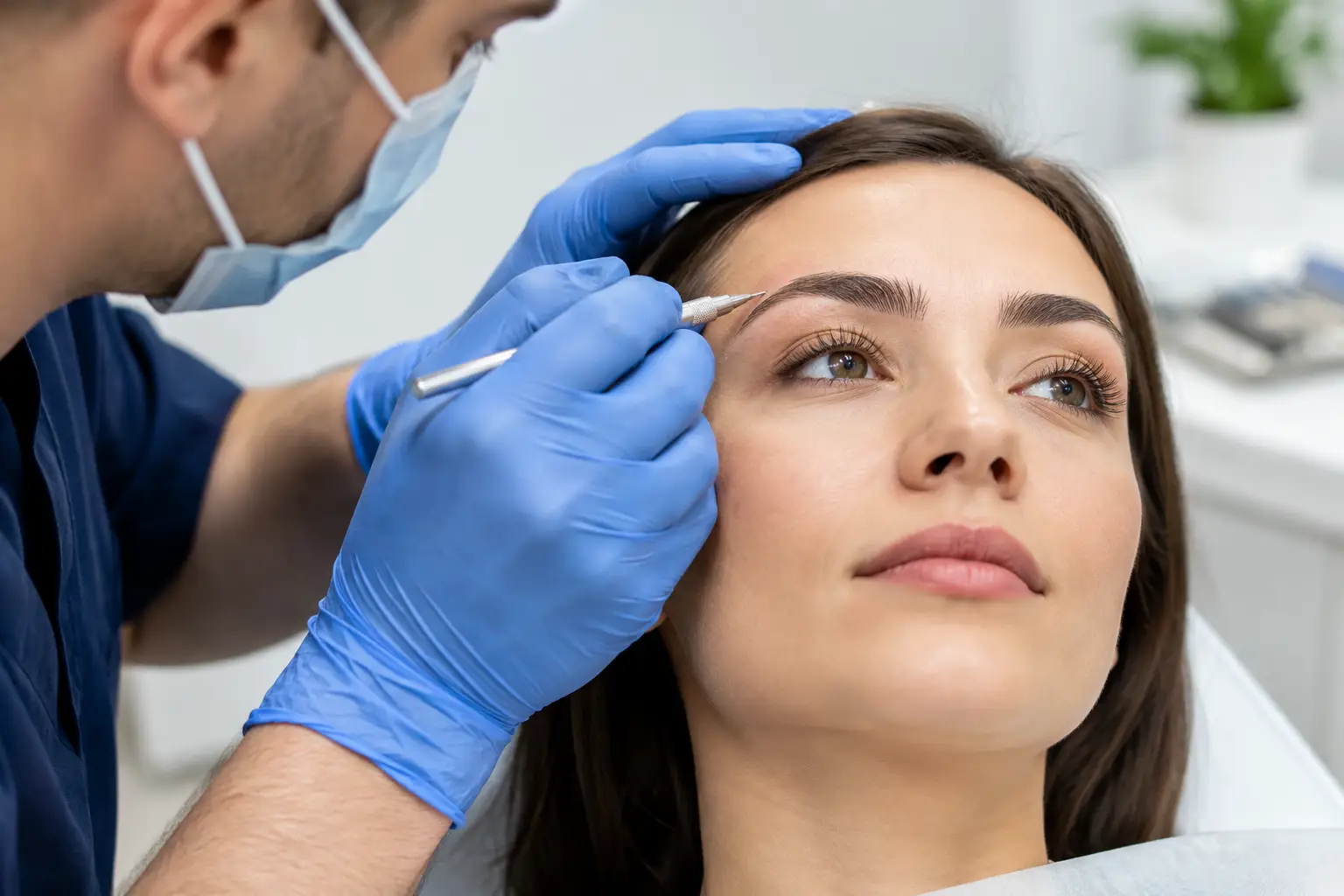
An eyebrow transplant uses individual follicular unit grafts, typically harvested from the scalp with FUE, or Follicular Unit Extraction. The grafts are then placed one at a time into tiny recipient sites in the eyebrow area. A skilled physician considers the placement angle, direction, spacing, and thickness of every graft.
The goal is not a stamped-on brow. It is a refined, believable result that complements the patient’s features, age, skin tone, hair characteristics, and personal aesthetic. For some patients, that means restoring a fuller version of their original brows. For others, it means softening a scar, rebuilding brows lost through overplucking, or creating definition after medical hair loss.
Direction and Angle Are Critical
Eyebrow hairs grow at a very acute angle, almost flat against the skin. If transplanted hairs are inserted too upright or point in the wrong direction, they can look noticeably unnatural even when the density is good.
This is why eyebrow transplantation requires more than standard hair transplant experience. The physician must create extremely small sites at precise angles and adjust the direction of placement across different areas of the brow. A few degrees can affect how the hair sits after it grows.
Hair Selection Matters
Not all scalp hairs are equally suited to an eyebrow. Fine, single-hair follicular units are generally selected because they create a softer appearance. Coarser or multi-hair grafts may look too heavy, particularly at the front edge of the brow.
The donor area is also chosen thoughtfully. Hair texture, color, curl pattern, and shaft diameter all influence the final result. A patient with very curly or coarse scalp hair may still be a candidate, but the treatment plan should account for how that hair will behave in the eyebrow region.
A Conservative Design Often Ages Best
Fuller brows are popular, but the most flattering brow is not always the boldest one. Overly sharp lines, an excessively high arch, or dense placement too close to the center of the face can look artificial over time.
Before surgery, the brow shape should be designed around your facial proportions and existing eyebrow hair. The best designs preserve softness and leave room for minor asymmetries that occur naturally in real brows. The objective is restoration, not a one-size-fits-all trend.
Can Eyebrow Transplants Look Natural for Everyone?
Most healthy adults with stable donor hair can be considered for an eyebrow transplant, but candidacy and expectations should be evaluated individually. The reason for eyebrow thinning matters. Overplucking, trauma, burns, surgery, genetics, alopecia, thyroid conditions, and certain dermatologic conditions can all contribute to eyebrow loss.
If an autoimmune or inflammatory condition is actively causing hair loss, transplanting too soon may not produce a stable long-term result. A physician may recommend medical evaluation or treatment first. Similarly, patients with a history of keloid scarring, uncontrolled health conditions, or unrealistic expectations need a more detailed discussion before proceeding.
Natural results also depend on having enough appropriate donor hair. Because the procedure uses scalp hair, transplanted eyebrow hairs retain many scalp-hair characteristics. They will continue to grow and require regular trimming, usually every one to three weeks. For many patients, that is a small trade-off for permanent, living eyebrow coverage, but it should never come as a surprise.
What the FUE Eyebrow Transplant Process Involves
The process begins with a consultation and brow assessment. Your physician examines the degree of thinning, skin quality, existing hair pattern, donor hair characteristics, and the cause of loss. You can discuss whether you want subtle filling, scar camouflage, a redesigned brow shape, or more complete reconstruction.
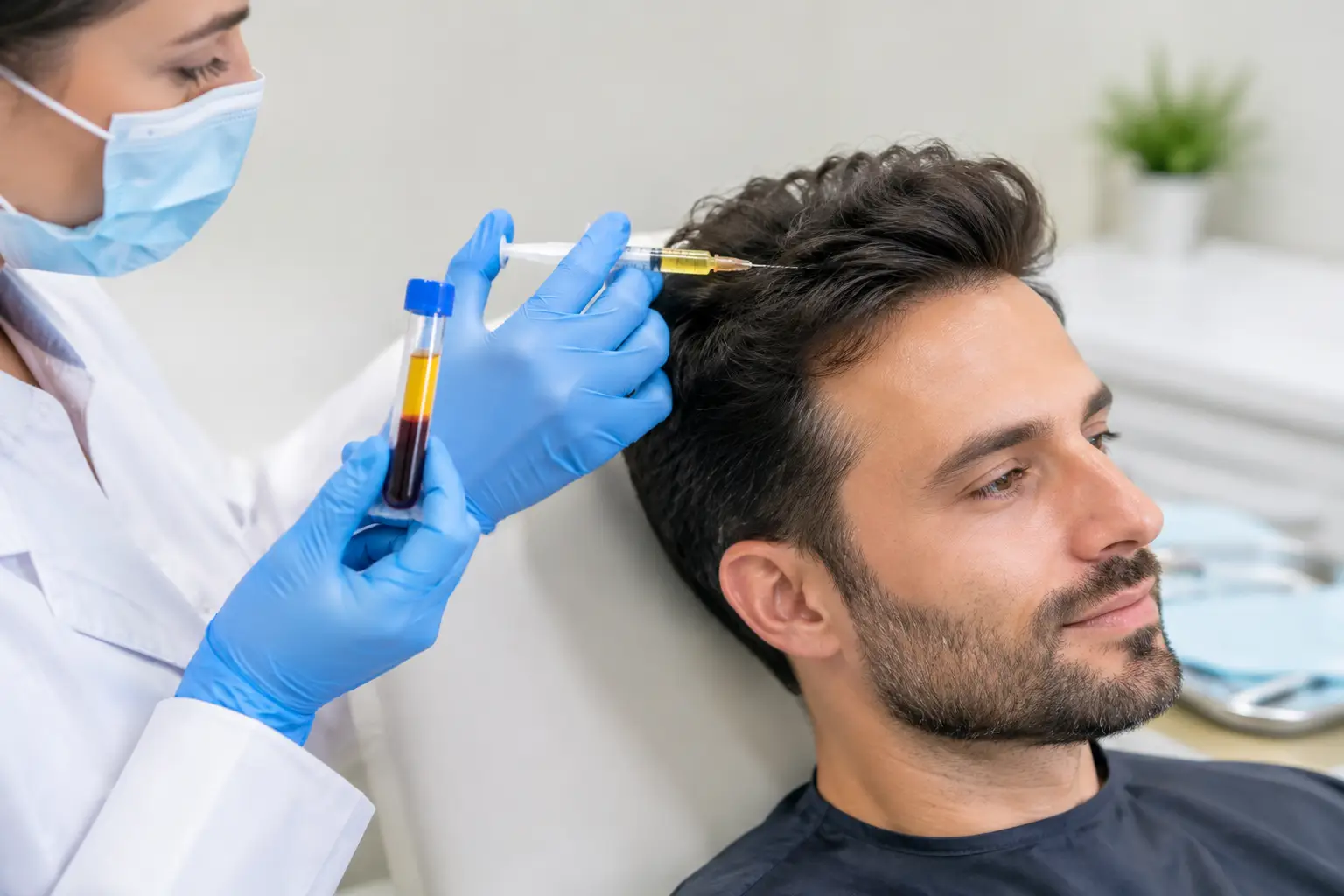
On procedure day, donor hairs are harvested individually from a discreet area of the scalp using FUE. The area is numbed with local anesthesia, and the follicles are prepared for placement. The brow area is then numbed, and the physician creates the recipient sites before placing each graft according to the planned pattern.
The number of grafts varies widely. A small area of thinning may need only a modest number, while complete eyebrow restoration requires more. More grafts do not automatically mean a better outcome. Proper distribution and direction are what create visual density without a crowded or plug-like appearance.
At Austin Hair Clinic, eyebrow restoration planning focuses on the details that patients see every day: a natural front edge, a balanced arch, and a brow tail that blends gracefully into the face. Physician-guided treatment helps ensure the plan reflects your goals rather than a generic template.
Healing and Growth: What to Expect
Immediately after an eyebrow transplant, tiny scabs and mild redness are expected around the graft sites. Most patients can return to normal non-strenuous activities quickly, although they should follow their post-procedure instructions closely. Rubbing, scratching, sweating heavily, swimming, and applying makeup directly to the area may need to be avoided during early healing.
The transplanted hairs commonly shed within the first few weeks. This can be alarming, but it is a normal phase of the growth cycle. The follicles remain beneath the skin and gradually begin producing new hair.
Early growth may appear around three to four months, with more noticeable coverage developing over the following months. Results continue to mature for up to 12 months. Newly growing hairs can initially be finer, uneven, or slightly more unruly before they settle into a more predictable pattern.
Because each person heals differently, no ethical provider should promise a perfectly identical result on both sides or guarantee a specific density. One eyebrow may grow a little differently than the other, and a touch-up procedure is occasionally considered if additional density is desired after the first result matures.
How to Protect a Natural-Looking Result
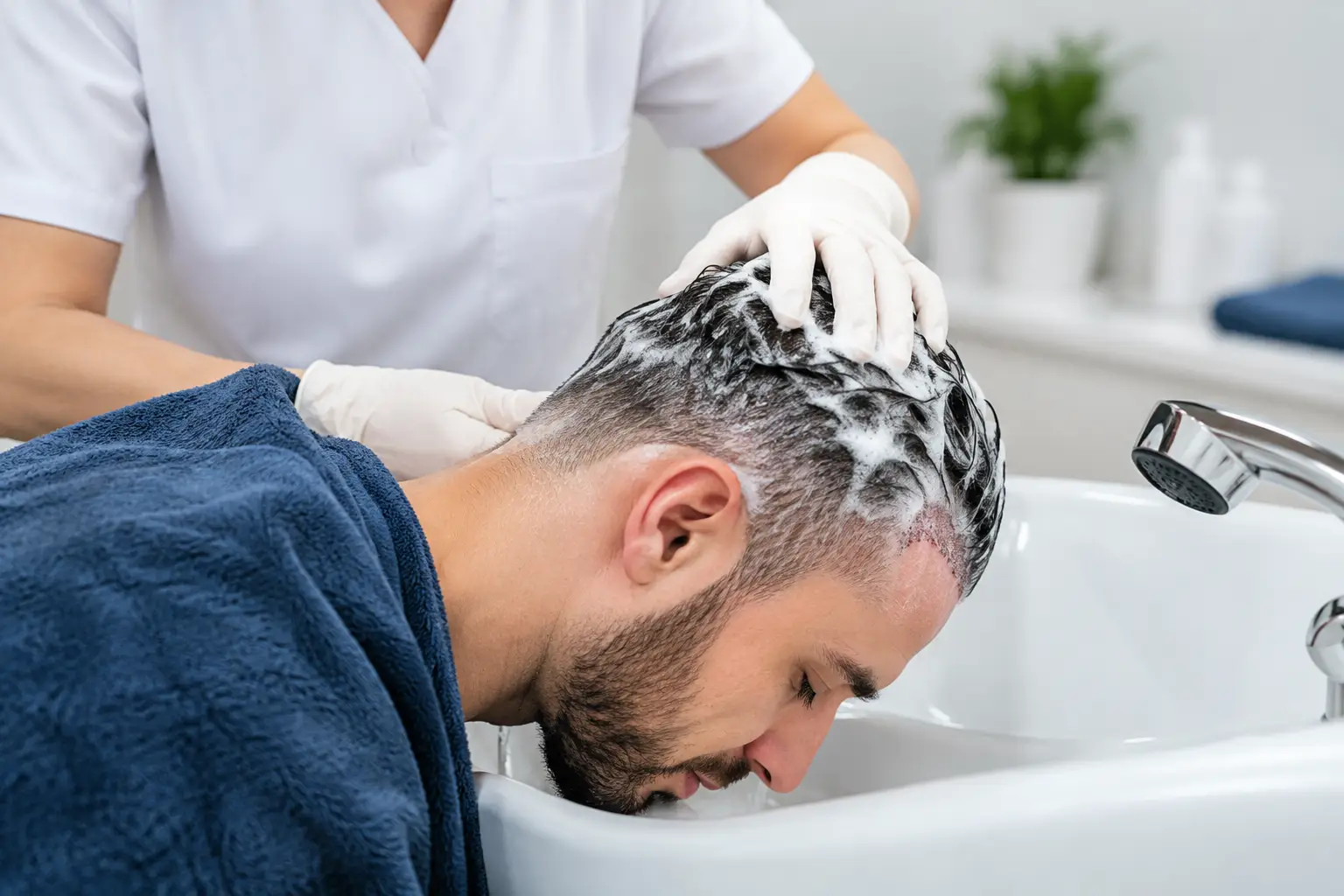
Aftercare supports graft survival and helps the brow heal cleanly. Your care team will provide instructions specific to your procedure, but the general priority is protecting the newly placed grafts during the first days after surgery. Avoid touching the brow area unless instructed, sleep with your head elevated if recommended, and use any prescribed cleansing or medication exactly as directed.
Long-term maintenance is straightforward. Since the hairs come from the scalp, trimming is part of the routine. Some patients also gently groom the hairs into place with a spoolie or brow gel once healing is complete. If you normally tint, shape, or fill your brows with cosmetics, ask when it is safe to resume those habits.
Choosing the Right Provider Is Part of the Result
Eyebrow transplantation sits at the intersection of medical technique and aesthetic design. It requires a clinician who understands hair growth biology but also recognizes that brows frame the eyes and influence the entire expression of the face.
When comparing providers, look beyond before-and-after photos alone. Ask who designs the brow, who creates the recipient sites, how graft direction is planned, and whether the physician has experience with facial hair restoration. Review results from patients with similar skin tone, hair texture, and degree of eyebrow loss when possible.
A well-designed eyebrow transplant should not be the first thing people notice about your face. It should simply make your features look more balanced, defined, and familiar. A personalized consultation can help you determine whether FUE eyebrow restoration is the right path toward that kind of lasting confidence.