Graft Survival Factors That Shape FUE Results
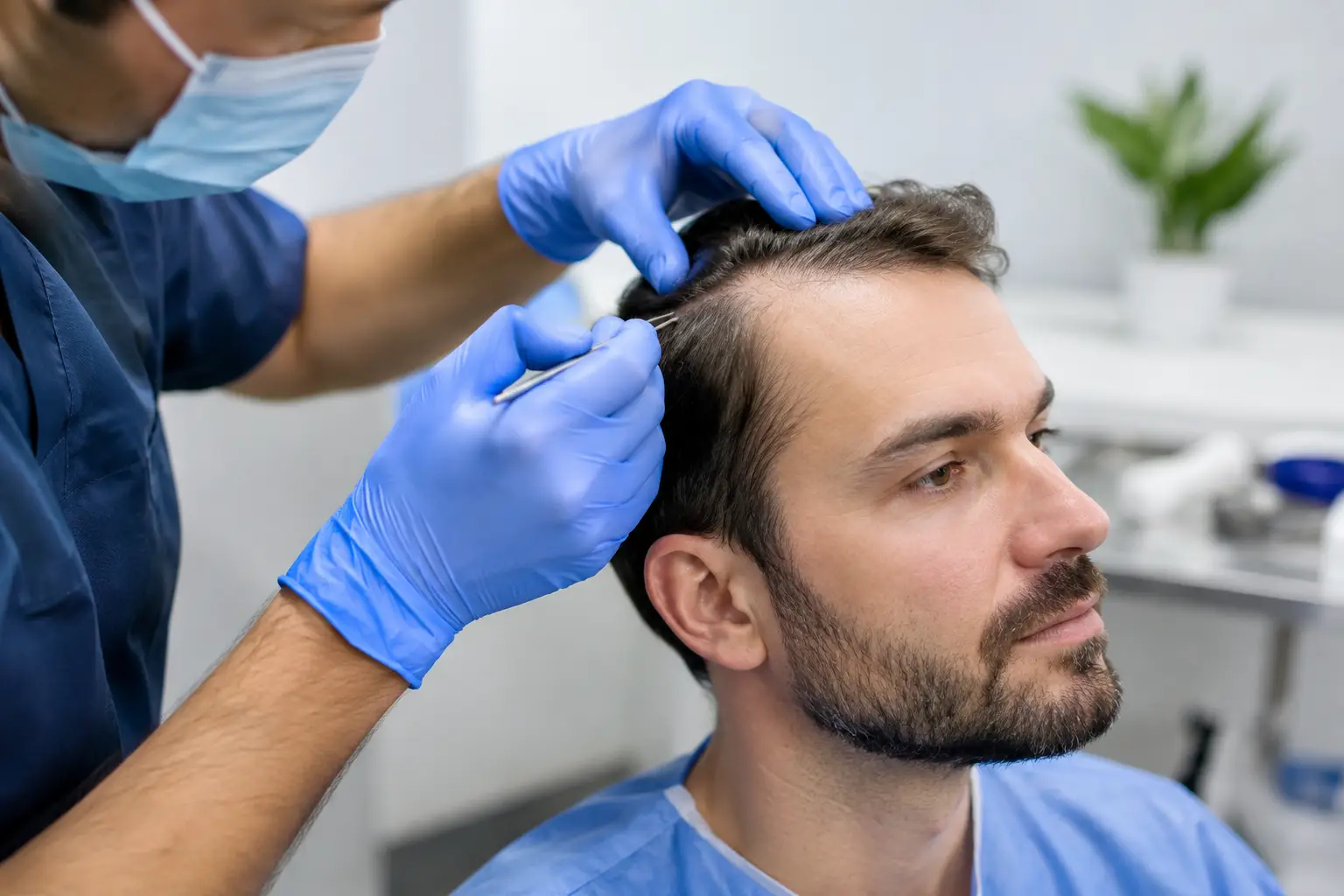
A successful hair transplant is not simply about moving hair from one area to another. It is about protecting thousands of delicate follicular units through every stage of the process. Graft survival factors influence how many transplanted follicles establish a blood supply, enter a normal growth cycle, and ultimately contribute to fuller, natural-looking coverage.
For patients considering FUE hair restoration, this is why the experience of the medical team, the quality of planning, and the details of recovery all matter. The goal is not merely to place grafts. It is to preserve donor hair wisely and create an outcome that looks believable now and continues to make sense as your natural hair changes over time.
What Does Graft Survival Mean?
A graft is a naturally occurring grouping of one to four hairs removed from the donor area, most often the back and sides of the scalp. During FUE, each follicular unit is extracted individually and placed into carefully designed recipient sites in thinning areas.
After placement, the graft must adapt to its new location. It needs adequate oxygen and nutrition from surrounding tissue while it develops a stable blood supply. The transplanted hair shafts commonly shed in the first several weeks, which can be alarming if you are not prepared for it. In most cases, that shedding is a normal part of the process. The follicle remains beneath the skin and begins producing new hair over the following months.
No ethical physician can promise that every graft will grow. Biology varies from patient to patient. However, thoughtful technique, appropriate candidacy, and attentive aftercare can support strong graft survival and help protect the investment you are making in your appearance and confidence.
The Most Important Graft Survival Factors
Surgical handling and time outside the body
Follicles are living tissue. During an FUE procedure, they must be extracted with precision, protected from physical trauma, and kept in an appropriate storage environment until placement. Excessive manipulation, dehydration, or unnecessary time outside the body can affect graft quality.
This is one reason an experienced physician-led team matters. Extraction requires careful alignment with the natural angle of each follicle. Placement requires the same level of control. A graft that is healthy but mishandled during insertion may not perform as expected.
The number of grafts is not the only measure of a good procedure. A larger session may be appropriate for some patients, but only when donor capacity, scalp characteristics, and the clinical team’s ability to protect graft quality support that approach.
Recipient-site design, blood supply, and density
Before a graft is placed, the recipient area must be designed with both aesthetics and biology in mind. The angle, direction, and distribution of sites determine whether the final result blends naturally with existing hair. Site creation also affects the scalp environment where grafts will heal.
Packing too many grafts into a limited area can be tempting when someone wants maximum density quickly. Yet density has limits. Recipient sites need sufficient circulation to support healing, especially in areas with scar tissue, inflammation, or reduced blood flow. The right plan balances visual fullness with a safe, realistic approach to graft survival.
Hairline work deserves particular care. A natural hairline is irregular in a refined way, with softer single-hair grafts placed in front and more density behind it. An overly low or overly dense hairline may look unnatural and can consume donor grafts that may be needed later.
The health of the donor area
Every hair transplant begins with donor management. The donor zone is not an unlimited supply of hair, and removing too aggressively can leave it looking thin or patchy. The strongest candidates have sufficient donor density and stable hair characteristics that can provide coverage without compromising the appearance of the back and sides of the scalp.
Donor hair caliber, curl pattern, contrast between hair and skin, and the number of hairs in each follicular unit all affect the cosmetic impact of transplantation. A patient with fine hair may need a different design strategy than someone with coarse, wavy hair, even if both have the same graft count.
This is also why a scalp evaluation is more valuable than an online graft estimate. A personalized plan should assess what is available, what is needed, and how to preserve options for the future.
Your health, medications, and lifestyle
Healing is personal. Smoking and nicotine use can reduce circulation and interfere with wound healing, which is why patients are typically advised to stop well before and after surgery. Heavy alcohol use, poor nutrition, unmanaged diabetes, and certain medical conditions can also affect recovery.
Some medications and supplements may increase bleeding risk or require adjustment around the time of surgery. Do not make changes on your own. Your medical team should review your history and provide clear instructions tailored to you.
Stress does not automatically cause graft failure, but a demanding recovery schedule can make aftercare harder to follow. If possible, plan for a period when you can avoid strenuous workouts, excessive sun exposure, travel complications, and activities that could bump or rub the recipient area.
Care during the first two weeks
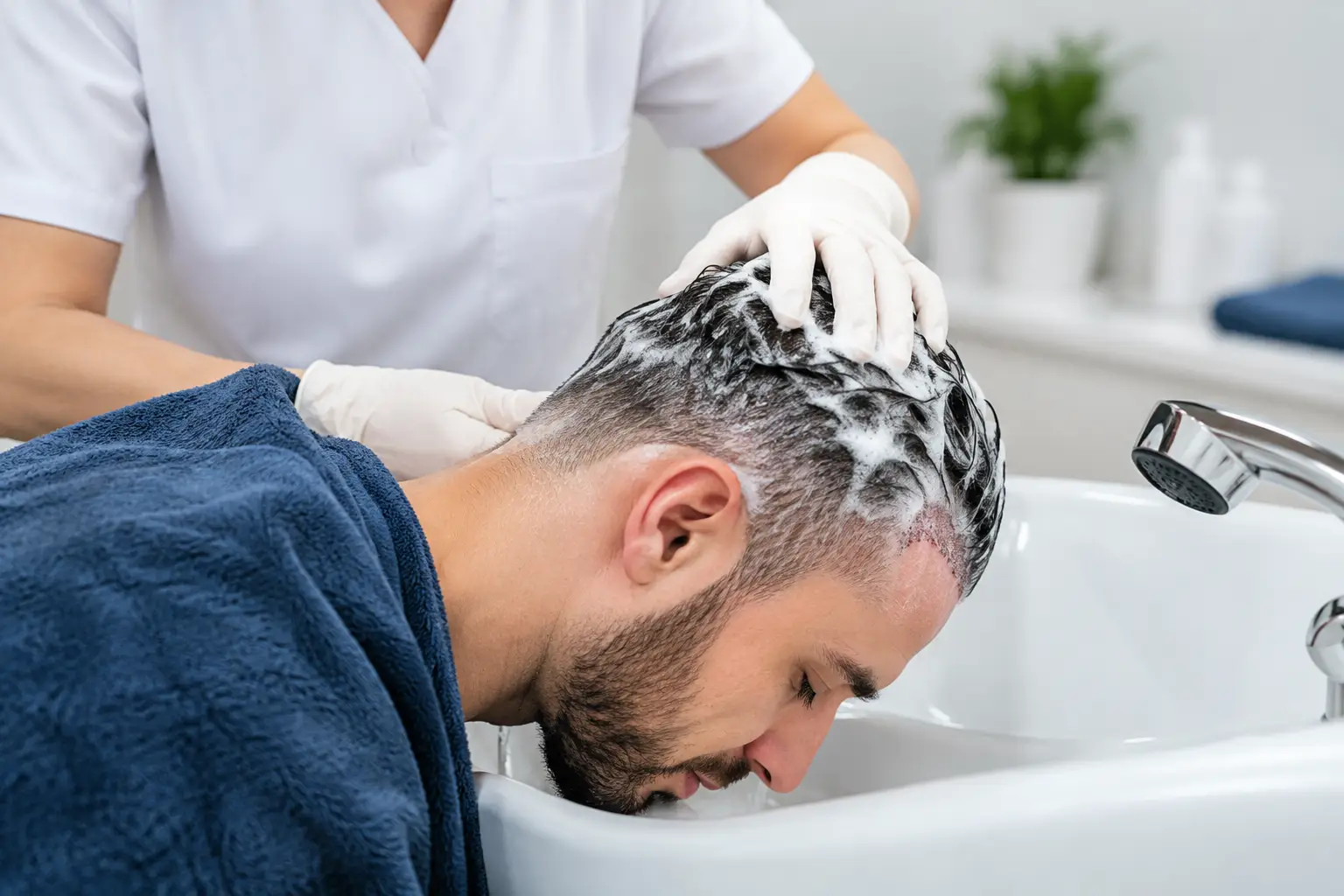
The early recovery period is when patients have the most direct influence over graft protection. Freshly placed grafts are vulnerable to rubbing, picking, pressure, and accidental trauma. Following washing instructions, sleeping as directed, and avoiding strenuous activity can help the scalp heal as intended.
Most patients can return to desk work relatively quickly, but social comfort varies. Redness, scabbing, and temporary swelling are common considerations, particularly if you have an event on the calendar. Scabs should be allowed to soften and release naturally according to your post-procedure instructions rather than being scratched or forcibly removed.
Contact the clinic promptly if you notice unusual pain, spreading redness, drainage, fever, or anything that feels outside the recovery guidance you were given. Early communication is always better than trying to diagnose a concern at home.
Protecting Native Hair Matters, Too
A transplant can improve thinning areas, but it does not stop genetic hair loss in surrounding, non-transplanted hair. For many men and women, preserving native hair is one of the most overlooked factors in maintaining a balanced result.
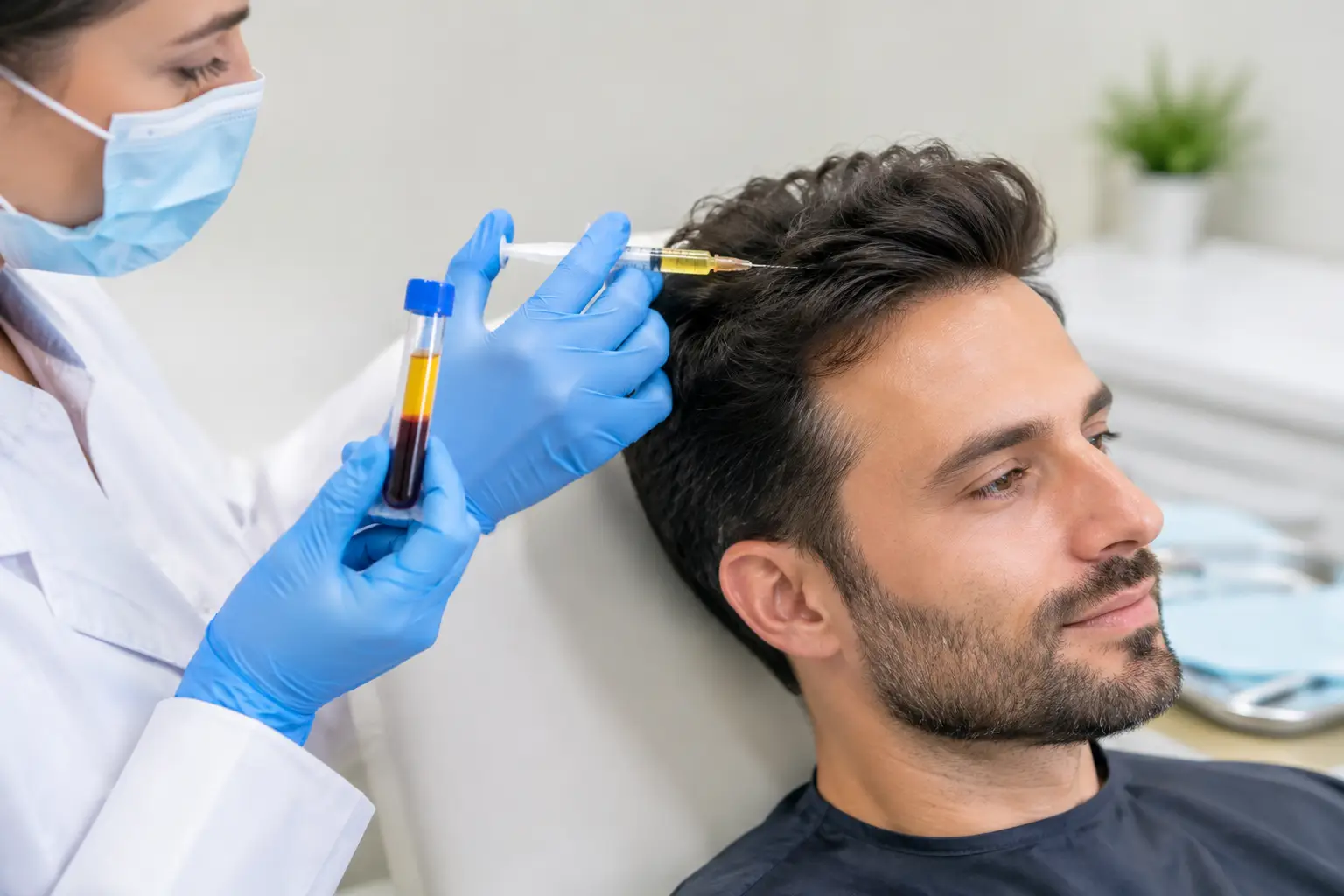
Depending on your diagnosis, a physician may discuss options such as hair loss medications, low-level laser therapy, regenerative injection treatments, or nutritional support. These treatments are not interchangeable, and they are not right for every patient. The best recommendation depends on the pattern and cause of hair loss, your medical history, and your goals.
This long-term perspective is especially important for younger patients with progressive thinning. A conservative hairline and a plan to stabilize ongoing loss can provide more flexibility than using a large portion of the donor supply too early.
Why Personalized Planning Produces Better-Looking Results
The best FUE results tend to look unremarkable in the best possible way. Friends may notice that you look younger, more refreshed, or more like yourself without immediately identifying why. That effect comes from thoughtful hairline design, appropriate density, careful graft placement, and realistic planning rather than a one-size-fits-all graft number.
At Austin Hair Clinic, the consultation process is designed to connect the medical details with the outcome you want to see in the mirror. Dr. Sanjeev Dubey and the clinical team evaluate your scalp, donor capacity, hair loss pattern, and goals before recommending a surgical or non-surgical path.
If you are considering FUE, ask how your grafts will be protected, how your donor area will be managed, and what the plan is for your existing hair. The right conversation can give you more than an estimate. It can give you a clear, confidence-building path forward.