When Do Grafts Settle After a Hair Transplant?
The first days after a hair transplant can feel surprisingly high-stakes. You may be checking the mirror, sleeping carefully, and wondering whether every small sensation is normal. A common question is: when do grafts settle? In most cases, transplanted grafts become securely anchored in the scalp within about 7 to 10 days, with the first two weeks being the period when they need the most protection. But “settled” can mean more than one thing – physical healing and visible growth happen on very different timelines.
Understanding both can make recovery far less stressful and help you recognize what is normal as your new hair takes shape.
What Does It Mean When Hair Grafts Settle?
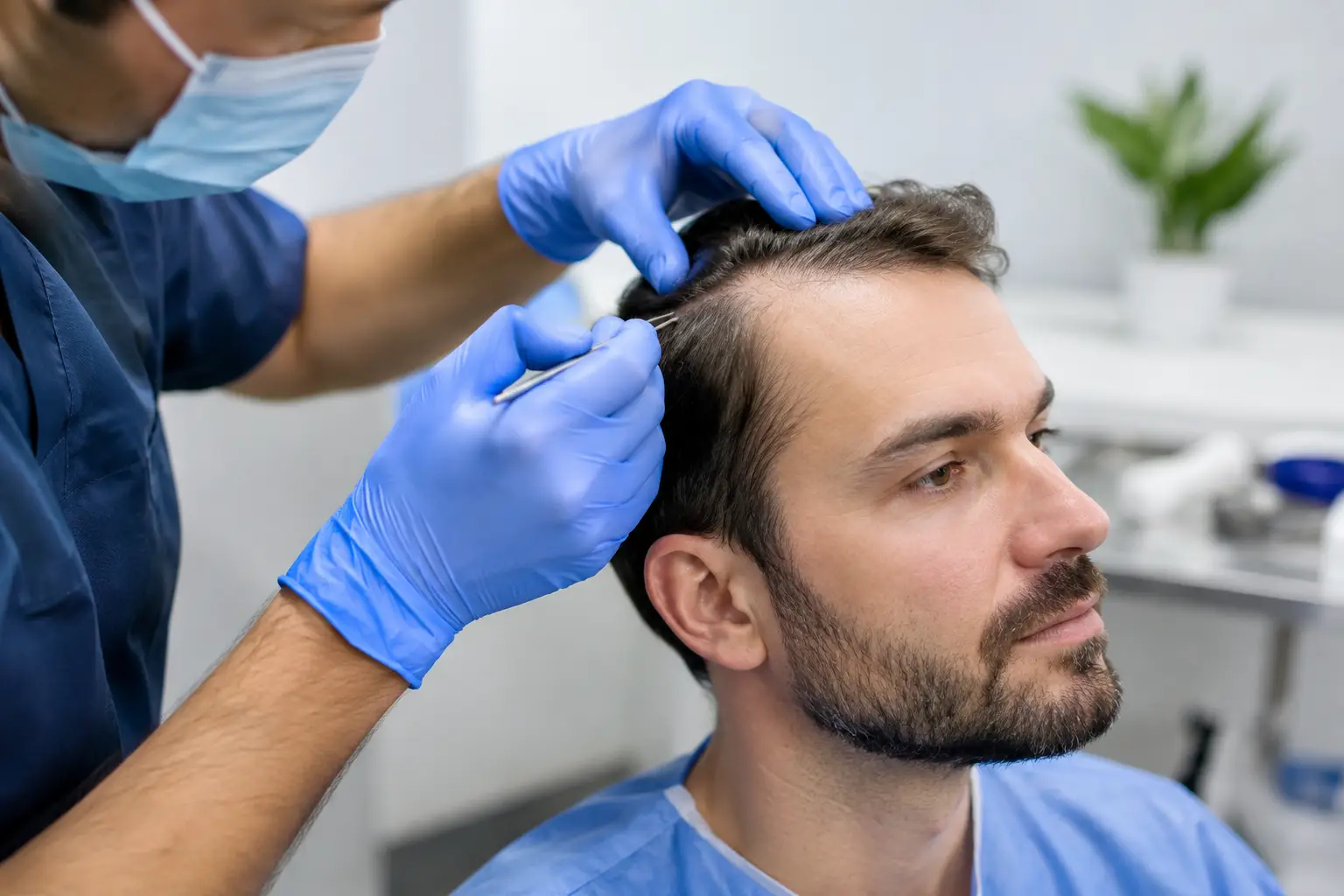
After an FUE hair transplant, each follicular unit is placed into tiny recipient sites designed to match the natural angle, direction, and density of your existing hair. Initially, the grafts are held in place by the surrounding tissue and small scabs that form as the scalp heals.
When patients ask when grafts settle, they usually mean one of two things. First, they want to know when the grafts are physically secure enough that normal washing and everyday movement are unlikely to dislodge them. Second, they want to know when the hair will look settled and natural. The first milestone arrives in days. The second requires patience and typically unfolds over months.
A properly performed transplant is designed for permanence. Once the follicles heal into their new blood supply and begin their normal growth cycle, they behave much like the hair in the donor area.
The First 10 Days: When Grafts Need Protection
The first 48 to 72 hours are the most delicate part of recovery. During this period, avoid rubbing, scratching, picking at scabs, or allowing a strong shower stream to hit the recipient area. Your care team will provide specific instructions for gentle cleansing, sleeping position, exercise, and medications. Follow those directions rather than relying on generalized advice online, since recommendations can vary based on the extent of your procedure and your individual healing.
By days 5 through 7, small scabs are usually present and the scalp may feel itchy or tight. This is a normal part of healing, not a sign that grafts are failing. The temptation to scratch can be strong, but fingernails and friction can disrupt healing skin. Gentle washing as instructed helps soften scabs so they can release naturally.
Most grafts are considered well anchored around days 7 to 10. By roughly two weeks, they are generally secure enough that accidental contact during ordinary daily activities is unlikely to remove them. That does not mean you should aggressively scrub your scalp or resume every activity without clearance. It means the initial risk of dislodging a graft has passed for most patients.
What if a Scab Comes Off With a Hair?
Seeing a tiny hair in a shed scab can be alarming, but it does not automatically mean you lost a graft. The visible hair shaft may shed while the follicle remains safely under the skin. If you experience persistent bleeding, severe pain, spreading redness, drainage, fever, or believe a graft was pulled out after trauma, contact your clinic promptly for guidance.
Weeks 2 to 8: The Shedding Phase Can Look Like a Setback
Once the grafts have settled physically, many patients encounter the part of recovery that requires the most reassurance: shedding. The transplanted hairs often fall out between two and eight weeks after surgery. This is commonly called shock shedding or the shedding phase.
It can feel discouraging because the hair may look thinner than it did soon after the procedure. However, shedding is expected. The transplant process temporarily shifts many follicles into a resting phase, causing the old hair shafts to release before new growth begins.
The key distinction is simple: the hair shaft falls out, while the follicle remains beneath the scalp. A healthy transplanted follicle can then re-enter its growth phase and produce a new hair. This temporary pause is one reason hair restoration requires a long-term view rather than a day-to-day mirror check.
Native hair around the transplant area can also shed temporarily, especially if it was already fine or miniaturized. A personalized plan may include medical therapy, low-level laser therapy, or regenerative options to support existing hair and protect the overall appearance as transplanted follicles mature.
Months 3 to 6: Early New Growth Begins
For many patients, early new growth begins around the third or fourth month. At first, it may be soft, fine, uneven, or lighter in color than expected. That does not predict the final result. Newly growing transplanted hair often becomes thicker and more consistent with time.
Between months 4 and 6, the change is usually easier to notice. The hairline may begin to frame the face differently, and treated areas can start looking fuller. Growth is not perfectly synchronized, though. One section may appear ahead of another, especially in larger procedures or areas with differing blood supply and preexisting hair density.
This is also when comparison photos can be more useful than daily inspection. Gradual change is difficult to see in the mirror because you see yourself every day. Monthly photos taken in the same lighting, angle, and hairstyle offer a more accurate picture of progress.
Months 6 to 12: Hair Begins to Look More Settled
Visible, cosmetic “settling” takes considerably longer than graft anchoring. From months 6 through 9, many patients see meaningful increases in coverage, length, and texture. The direction of placement becomes more apparent as the hair grows long enough to style.
By 9 to 12 months, a large portion of the result is typically visible. Hairline procedures may mature somewhat sooner because the area often has strong circulation and the styling goal centers on framing rather than broad coverage. Crown restoration can take longer to look full because of the natural swirl pattern and the larger visual area involved.
For some patients, especially those receiving dense packing, crown work, or facial hair transplantation, maturation continues for 12 to 18 months. The final texture can continue to improve as each hair thickens and the shafts complete additional growth cycles.
Factors That Can Affect How Quickly Grafts Settle and Grow
Every transplant follows the same broad biology, but recovery is not identical for everyone. The number of grafts, the area treated, scalp health, circulation, genetics, smoking status, and adherence to aftercare can all affect the pace of healing and visible growth.
Technique matters as well. FUE and ARTAS® robotic FUE are designed to extract individual follicular units with minimal linear scarring, but the quality of planning and placement remains central to the outcome. Natural-looking results depend on a medically guided design, careful graft handling, and precise placement that respects your existing hair pattern.
Medications and supportive therapies can also influence the bigger picture. A transplant redistributes resistant donor follicles; it does not stop ongoing thinning in untreated areas. For patients with active pattern hair loss, maintaining native hair may be just as important as growing transplanted hair.
How to Protect Your Result During Healing
Your aftercare instructions should always take priority, but several principles apply to most patients. Keep the recipient area clean using the recommended technique, avoid direct pressure or friction, and do not pick at scabs. Avoid strenuous exercise, swimming, excessive sun exposure, and headwear until your provider says it is appropriate.
It is equally helpful to protect your expectations. Do not judge the procedure during the shedding phase. A successful transplant is measured in months, not in the first few weeks. Keep follow-up appointments so your provider can monitor healing, answer questions, and adjust a long-term hair preservation strategy if needed.
When Should You Call Your Hair Restoration Team?
Some redness, swelling, tenderness, numbness, and itching are common shortly after surgery. Call your provider if symptoms become progressively worse instead of better, or if you develop significant bleeding, pus-like drainage, fever, severe pain, or a spreading rash. Prompt communication is always preferable to worrying at home.
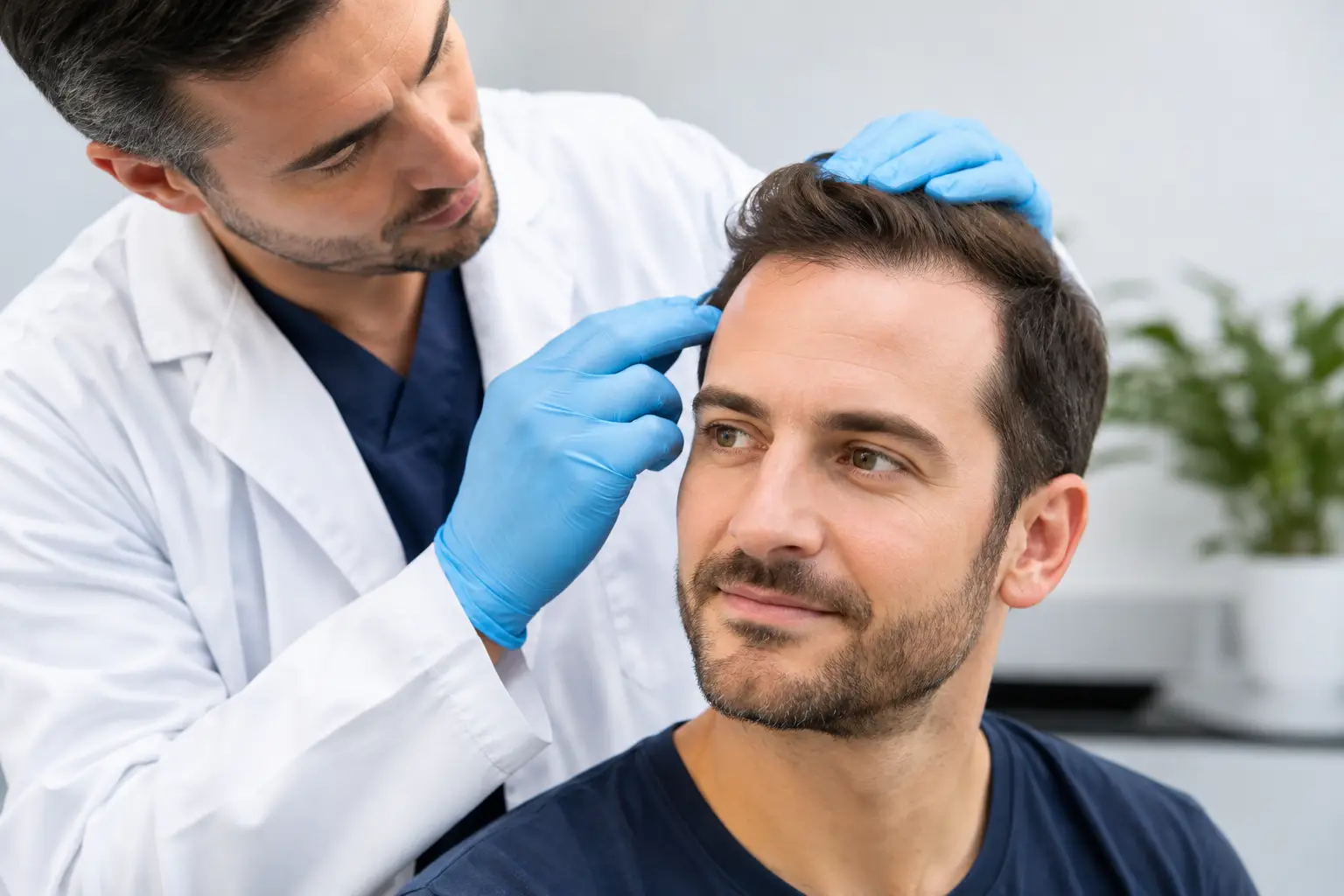
If you are considering FUE or are unsure whether your current thinning requires a transplant, a scalp evaluation can clarify the cause of hair loss and the most appropriate treatment plan. At Austin Hair Clinic, care is built around realistic planning, advanced technology, and results that look like your own hair – only stronger. The most reassuring milestone is not simply when the grafts settle, but when you begin to see yourself with greater confidence again.