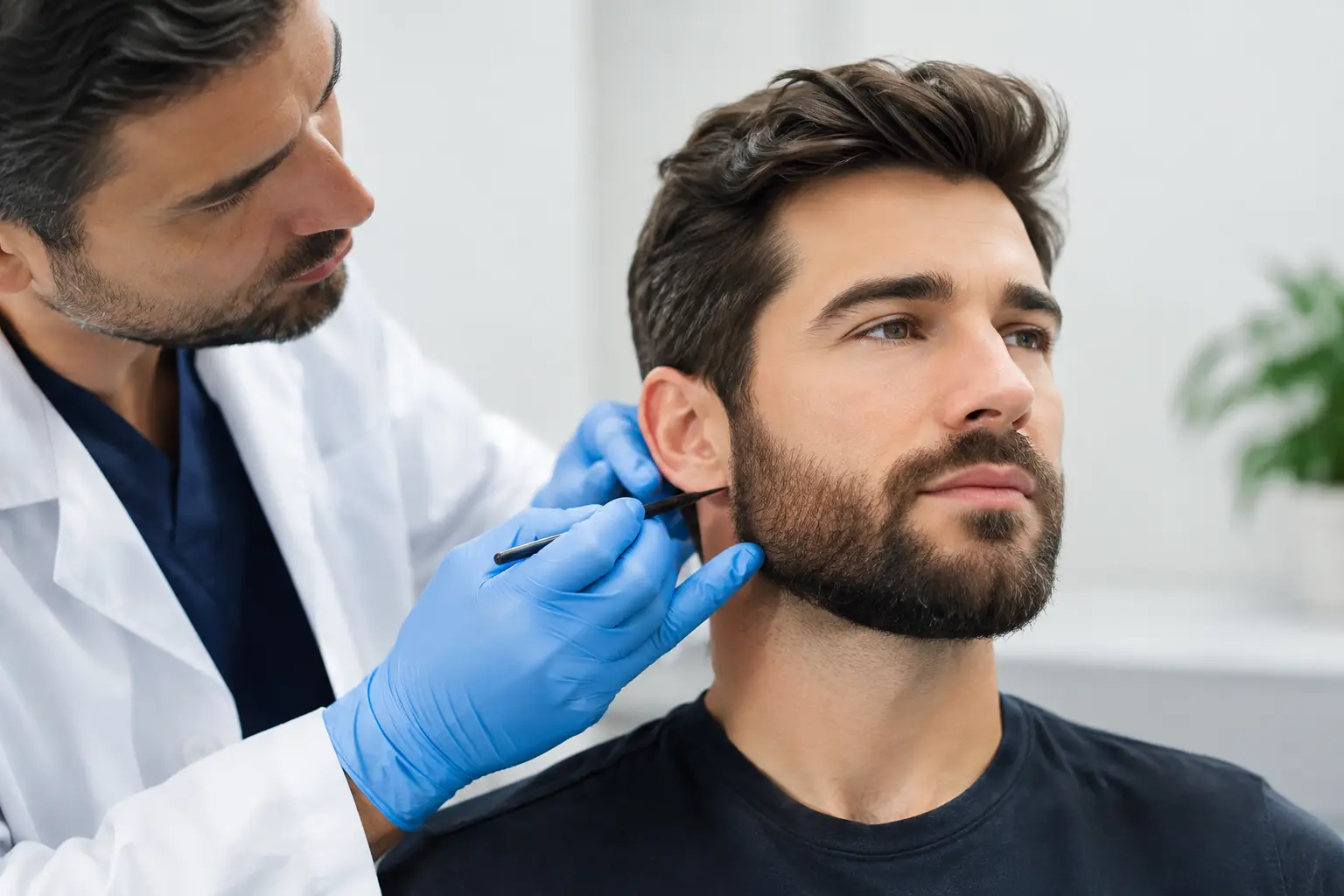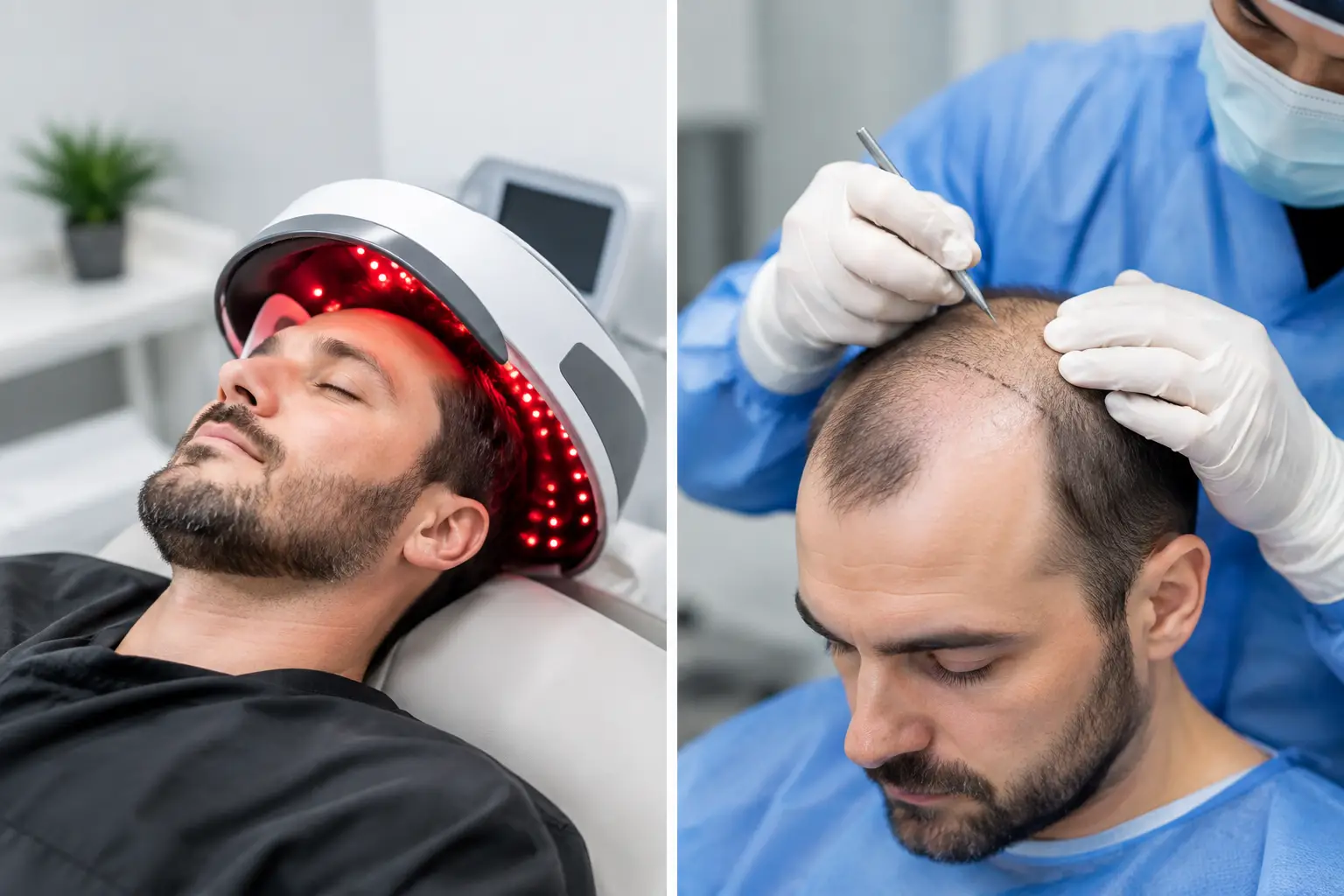
Best Beard Transplant Methods: FUE vs. FUT
A patchy beard can make grooming feel less like a choice and more like a workaround. For men comparing the best beard transplant methods, the real question is not simply which procedure is available. It is which approach can place healthy follicles at the right angle, in the right pattern, and with the right density for a beard that looks like it has always belonged to you.
Beard restoration is a highly aesthetic procedure. Facial hair grows differently than scalp hair, and the hairline of a beard is visible at close range every day. A successful treatment plan requires careful donor-hair selection, artistic graft placement, and realistic expectations about growth and density.
Best Beard Transplant Methods Explained
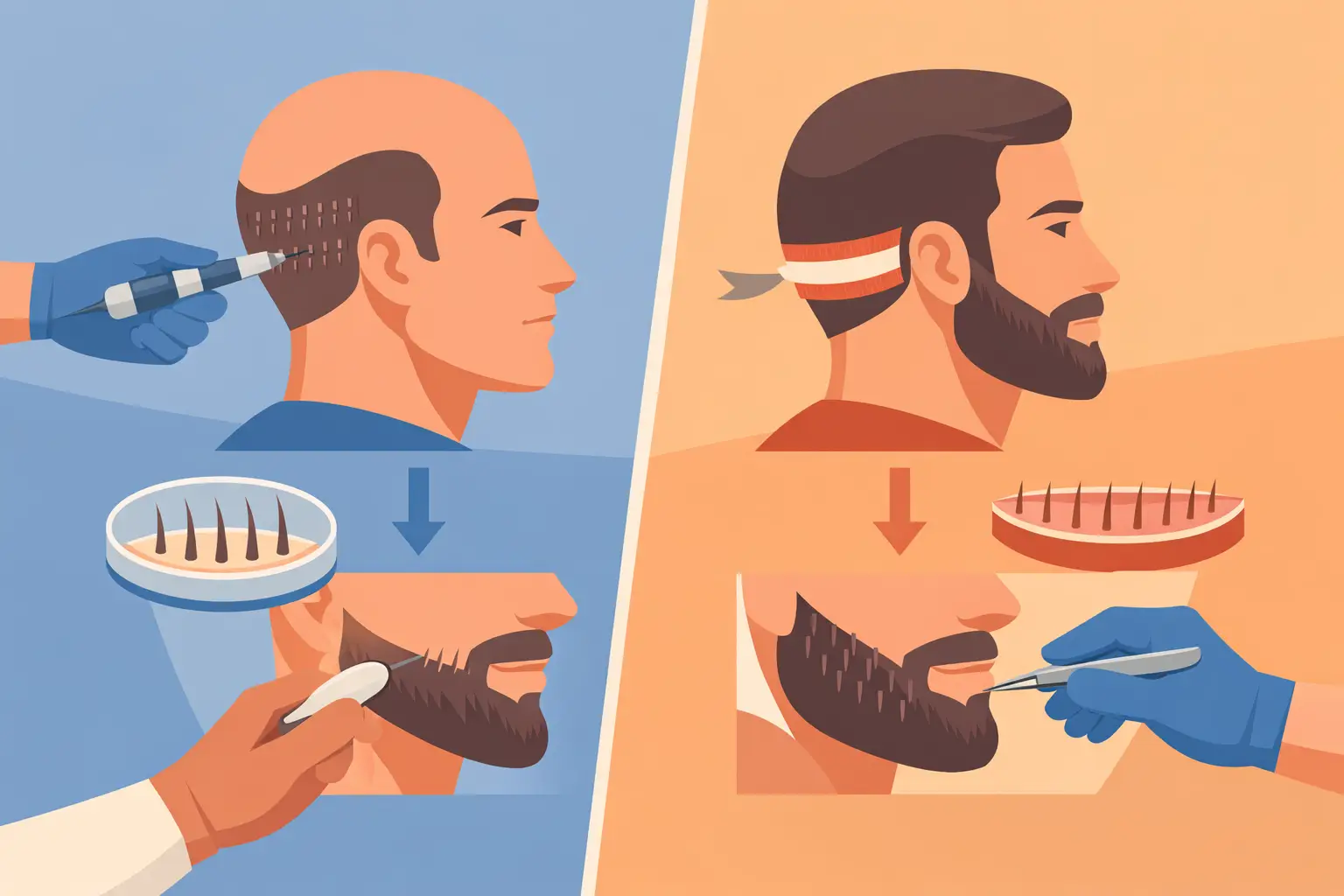
The two surgical methods most often discussed are follicular unit extraction, or FUE, and follicular unit transplantation, or FUT. Both can move permanent, growing hair follicles from a donor area, usually the back or sides of the scalp, to areas of the beard that need more coverage. The difference is how the follicles are collected.
For most patients seeking facial hair restoration, FUE is the preferred option. It allows individual follicular units to be harvested and selected for the specific needs of the beard. FUT can be appropriate in selected cases, but its donor-area scar and strip-harvesting technique make it less commonly chosen for a cosmetic facial procedure.
FUE beard transplant
With FUE, individual follicular units are removed from the donor area using a precise punch instrument. The physician then creates tiny recipient sites in the beard, mustache, sideburn, or goatee area and places each graft according to the intended facial-hair design.
This method is particularly well suited to beard restoration because it gives the surgical team control over each graft. Single-hair grafts can soften the leading edge of the beard, while naturally occurring multi-hair grafts may be used farther behind the hairline where additional density is needed. The angle, direction, and spacing of every placement matter. Hair placed too upright, too uniform, or too densely at the front can look artificial rather than naturally full.
FUE leaves tiny dot-like scars in the donor region that are generally difficult to detect once the hair is worn at a typical length. Recovery is also usually straightforward. Patients may have mild swelling, redness, and small scabs in the recipient area during the first week or two, but most return to normal non-strenuous routines quickly.
ARTAS robotic FUE and beard restoration
ARTAS robotic technology may be used to support FUE harvesting for appropriate candidates, particularly when donor hair is being collected from the scalp. The system can help identify and harvest follicular units with precision and consistency. However, technology is only one part of a successful beard transplant.
Robotic assistance does not replace the aesthetic judgment required to design a natural beard. Facial recipient-site creation and graft placement require a clear understanding of facial proportions, beard growth patterns, and the patient’s desired look. A full, square beard requires a different design approach than subtle cheek-density improvement or a restored goatee.
FUT beard transplant
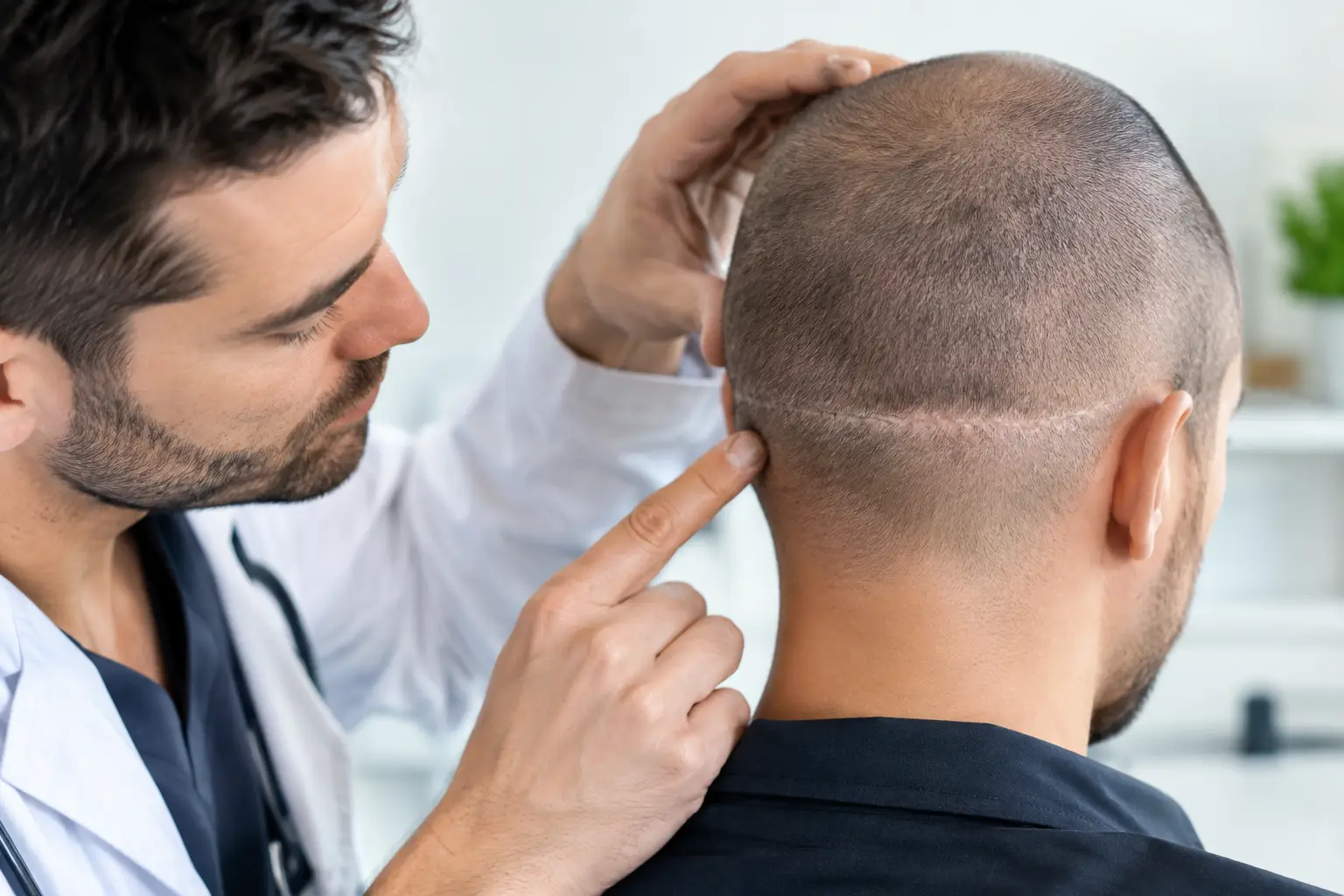
FUT, sometimes called strip harvesting, involves removing a narrow strip of scalp tissue from the donor area. The follicular units are then carefully separated under magnification and transplanted into the beard.
The potential advantage of FUT is that it can yield a substantial number of grafts in one session for certain patients. It may be considered when a person needs extensive coverage and has donor characteristics that make strip harvesting appropriate. However, FUT leaves a linear scar at the donor site, so it may be less appealing for men who prefer short haircuts or want to minimize visible donor scarring.
For beard work, the precision of individual-graft harvesting and the lack of a linear scar often make FUE the more attractive choice. Still, the best technique depends on the amount of hair needed, scalp laxity, donor density, hairstyle preferences, and medical history.
Why FUE Is Often the Best Beard Transplant Method
A beard transplant is not a one-size-fits-all procedure, but FUE offers several practical advantages for facial hair restoration. It is minimally invasive, avoids a linear donor scar, and allows selective harvesting of follicles that can blend naturally with existing beard hair.
The procedure is also highly customizable. Some patients want to fill bare spots caused by genetics, acne scarring, burns, or a previous injury. Others want stronger sideburns, a more connected mustache and beard, or a denser jawline. FUE can be planned around those goals without creating an overly heavy or sharply artificial result.
Naturalness depends on more than the number of grafts used. An experienced physician considers facial symmetry, skin tone, the coarseness and curl of the donor hair, and the density of the surrounding beard. A patient with naturally lighter facial hair may benefit from a conservative approach, while someone with a thick beard in one area may need strategic density to create balance.
Other Approaches You May Hear About
Patients researching beard restoration may come across terms such as DHI, body hair transplantation, or beard tattooing. These options are not interchangeable with a medically performed FUE beard transplant.
DHI is generally an implantation approach, not a separate method of follicle extraction. It may use a specialized implanter tool to place grafts, but the quality of the result still depends on graft handling, recipient-site design, and the provider’s experience with facial hair patterns.
Body hair transplantation uses follicles from areas such as the chest or under the chin. It may be considered when scalp donor supply is limited, but body hair can differ significantly in texture, growth cycle, and appearance. It is not usually the first choice when suitable scalp donor hair is available.
Beard micropigmentation can create the appearance of stubble or improve the look of thin areas without transplanting hair. It does not produce real growth and may be better suited to patients who want a non-surgical cosmetic effect rather than a fuller beard they can trim, shape, and grow.
What a Natural Beard Transplant Should Look Like
The best results rarely look newly created. They look proportional. The beard should follow the patient’s existing growth direction, complement the jawline and cheeks, and maintain a soft, irregular transition at the edges.
This is why consultation and design matter so much. A physician should assess your donor area, examine the beard under proper lighting, discuss whether you prefer a clean-lined or more rugged style, and explain what density is realistically achievable in one procedure. Photos can help communicate your goals, but your final plan should be based on your facial structure and available donor hair, not a copied celebrity beard.
At Austin Hair Clinic, beard restoration planning centers on natural-looking facial density and physician-guided precision. The goal is not to create the same beard for every patient. It is to create a result that supports your features, grooming preferences, and confidence.
Recovery and Results Timeline
Beard transplant surgery is typically performed with local anesthesia. Afterward, transplanted hairs commonly shed within the first few weeks. This is expected and does not mean the follicles failed. The follicles remain beneath the skin and enter a resting phase before new growth begins.
Early growth often appears around three to four months after treatment. Noticeable improvement typically develops over the following months, with fuller maturation often taking 9 to 12 months. Transplanted beard hair will continue to grow and will need regular trimming or shaving just like natural facial hair.
During recovery, patients should protect the grafts, avoid rubbing or shaving the treated area until cleared by their provider, and follow post-procedure washing instructions closely. The first several days are especially important for graft protection.
Choosing the Right Provider for Beard Restoration
A beard transplant should be evaluated differently from a standard scalp hair procedure. Ask who will design the beard, create the recipient sites, and oversee graft harvesting and placement. You should also ask to see results that reflect the type of restoration you want, whether that is cheek fill, scar coverage, sideburn restoration, or complete beard creation.
Cost matters, but it should not be the only deciding factor. A lower price can become expensive if grafts are placed at poor angles, harvested aggressively, or designed with a hairline that does not age naturally. Beard restoration is permanent, so thoughtful planning is worth more than a rushed procedure.
The right method begins with a clear medical assessment, not a generic package. If facial hair density has been affecting how you feel in photos, at work, or in the mirror, a personalized consultation can clarify what is possible and help you choose a treatment plan that feels right for your face and your future.