How to Fix Patchy Beard Growth
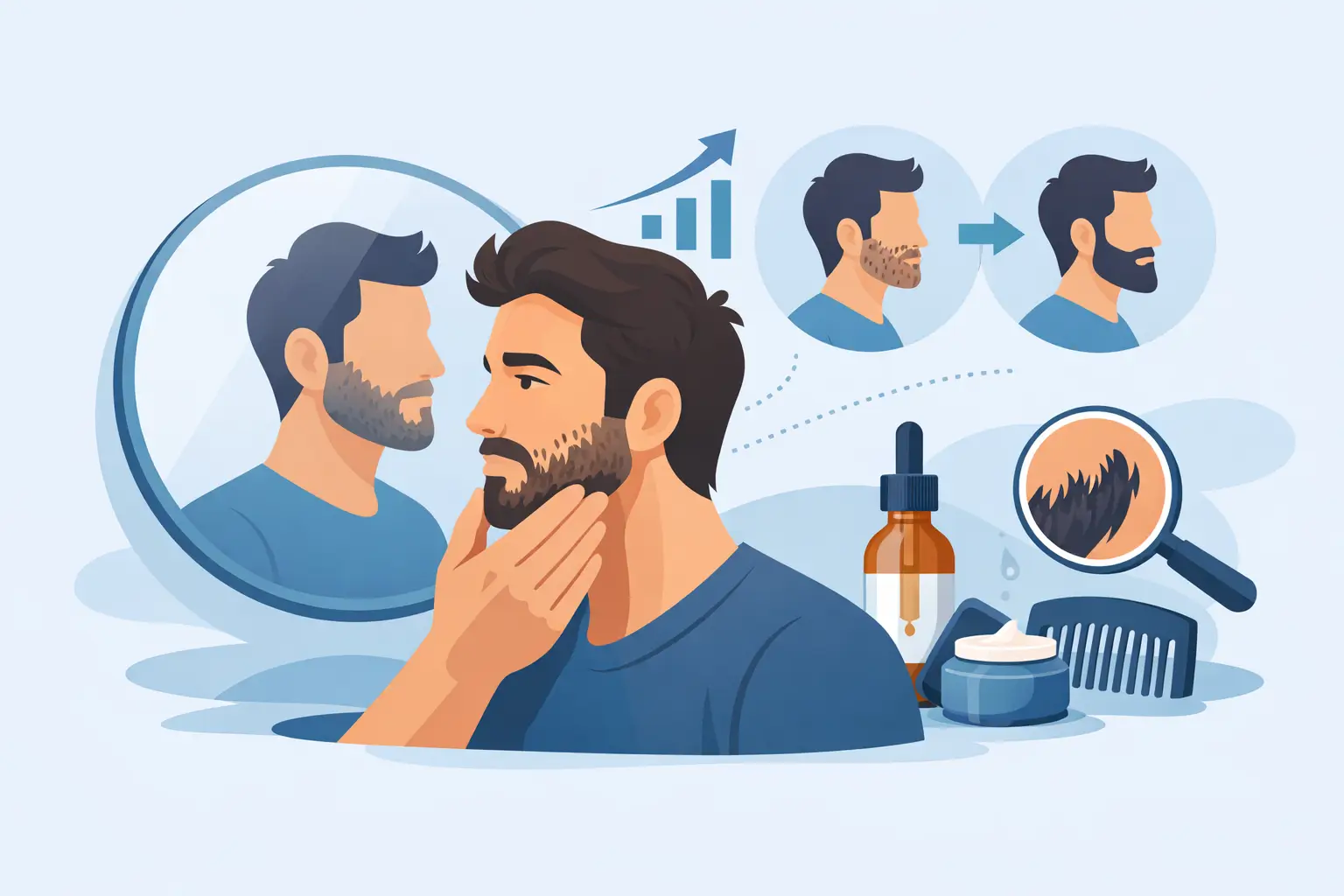
Some beard gaps look minor in the bathroom mirror and much worse in daylight. If you have been searching for how to fix patchy beard concerns, you are probably not looking for vague advice – you want to know what actually helps, what does not, and when it makes sense to consider medical treatment.
Patchy beard growth is common, and it is not always a sign that something is wrong. For some men, the issue is simply genetics. For others, it can be related to age, hormones, skin irritation, scarring, grooming habits, or underlying hair loss patterns. The right solution depends on why the beard looks uneven in the first place.
Why beard growth looks patchy
A patchy beard usually comes down to follicle density and distribution. In simple terms, some areas of the face naturally have more active follicles than others. That is why one man can grow a thick mustache but sparse cheeks, while another has strong cheek growth and weak coverage along the jawline.
Genetics is the biggest factor. If men in your family tend to grow lighter or less dense facial hair, your beard pattern may follow the same course. Age matters too. Beard growth often continues to mature through the 20s and even into the early 30s, so a beard that looks incomplete at 23 may look very different a few years later.
There are also cases where patchiness is made worse by external factors. Repeated razor irritation, inflammation, acne scarring, over-plucking, or skin conditions can affect how evenly hair grows. In some patients, hormonal issues or certain forms of hair loss may also play a role. That is where a professional evaluation becomes valuable, especially if the change feels sudden or progressive.
How to fix patchy beard without jumping straight to procedures
If your beard is naturally uneven, the first goal is to improve how it looks now. Not every patchy beard needs a medical solution. Sometimes better grooming and realistic styling choices can make a major difference.
Start by letting it grow longer than you think you should. Many men judge their beard too early, usually within the first one to two weeks. Sparse areas often look more obvious when the surrounding hair is very short. An extra few weeks of growth can add enough length and overlap to soften those gaps.
Shape matters just as much as growth. A beard style that works with your density pattern will always look better than one that fights it. If your cheeks are thin, keeping the cheek line slightly lower and leaving more fullness at the chin or jaw can create a stronger overall appearance. If the mustache is dense but the sides are weak, leaning into short boxed beard styles may be more flattering than trying to force a full lumberjack beard.
You also want to avoid habits that irritate the skin. Aggressive trimming, harsh products, and frequent close shaving can worsen inflammation in some men. A healthy beard routine should include gentle cleansing, light moisturizing, and regular brushing to train hair direction. This will not create new follicles, but it can help existing hair present better.
Can beard products actually help?
This is where expectations need to stay grounded. Beard oils, balms, and conditioners can improve softness, reduce frizz, and make a beard appear healthier. They do not create new hair in areas where follicles are absent.
Over-the-counter growth products are more complicated. Some men try topical treatments to stimulate facial hair growth, but results are inconsistent and not every option is appropriate for every patient. What works for scalp hair does not always produce the same outcome on the beard, and self-treating without guidance can lead to irritation or wasted time.
If patchiness has been stable for years and the area has never produced meaningful hair, cosmetics and grooming products are unlikely to change that. They may help with presentation, but not density.
When patchy beard growth may need medical evaluation
Not all beard gaps are purely cosmetic. If your beard suddenly becomes thinner, develops circular bald spots, or changes along with scalp hair loss, it is worth having it assessed. The same is true if the skin underneath is red, flaky, itchy, scarred, or painful.
A proper evaluation can help identify whether the issue is genetic, inflammatory, hormonal, or related to a broader hair loss condition. That distinction matters because the treatment path is different. A man with naturally sparse cheeks needs a different plan than someone with beard hair loss caused by alopecia, scarring, or ongoing skin disease.
This is also where many people lose time. They spend months trying random products when the real question should be whether the follicles are capable of producing stronger growth at all.
The most effective long-term option for fixed beard density
If you want a lasting solution for areas that have always looked thin, a beard transplant is often the most effective answer. This procedure redistributes healthy hair follicles, usually taken from the scalp, into sparse areas of the beard to create fuller, more even facial hair.
For the right candidate, the advantage is straightforward – transplanted follicles are real follicles. That means the result is not a temporary cover-up. Once the transplanted hair grows in, it can be trimmed, shaved, and styled like natural beard hair.
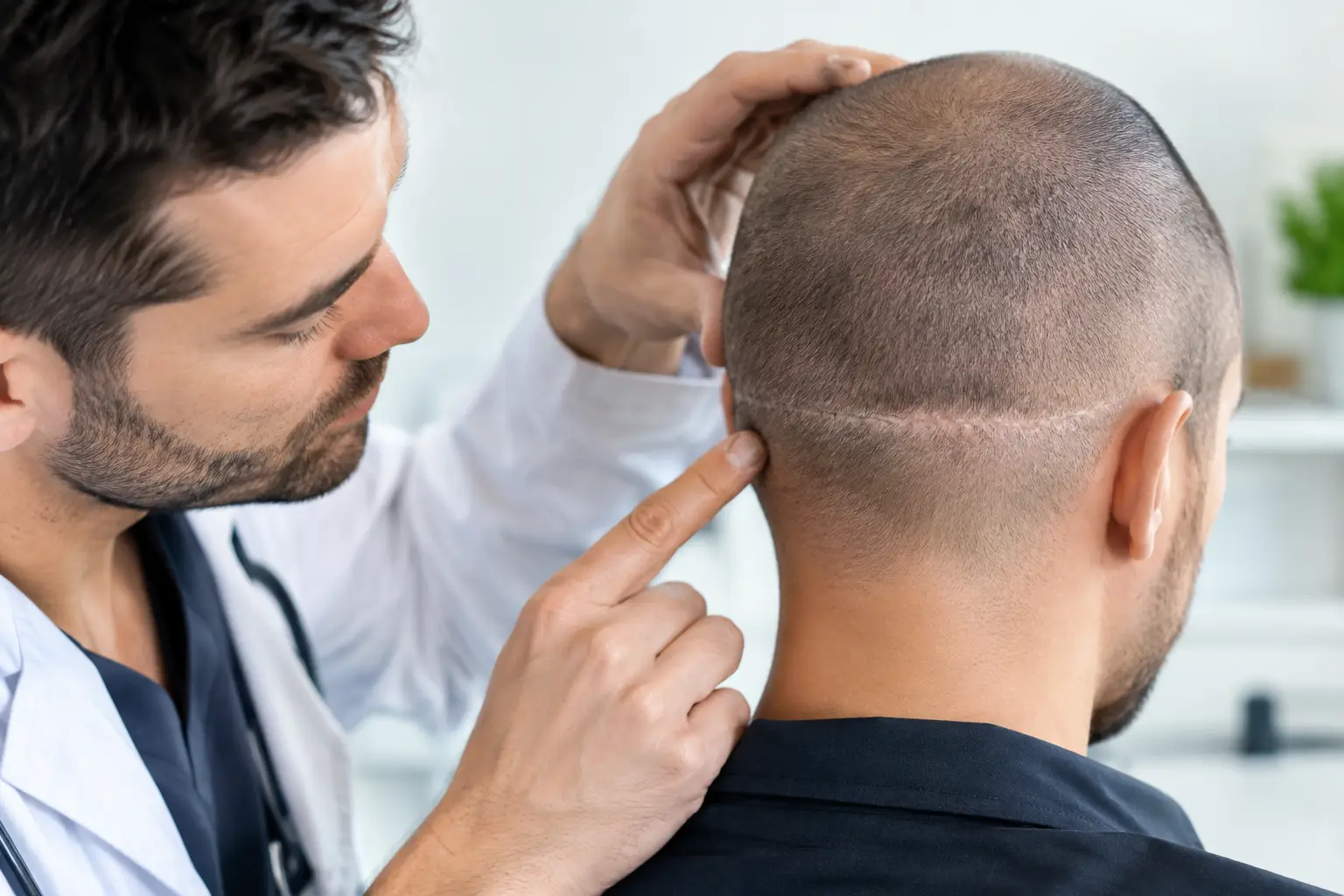
Modern FUE beard transplantation is especially appealing because it is precise and minimally invasive. Individual follicular units are harvested and then artistically placed to match the direction, angle, and density of natural facial hair. That design work matters. A beard is highly visible, and natural-looking placement is just as important as the number of grafts used.
Not every patchy beard requires a large procedure. Some men need only focused density improvement on the cheeks, sideburns, or mustache connectors. Others want broader beard restoration after scarring or naturally sparse growth. The treatment plan should be customized to the face, the hair characteristics, and the patient’s goals.
What to expect from a beard transplant
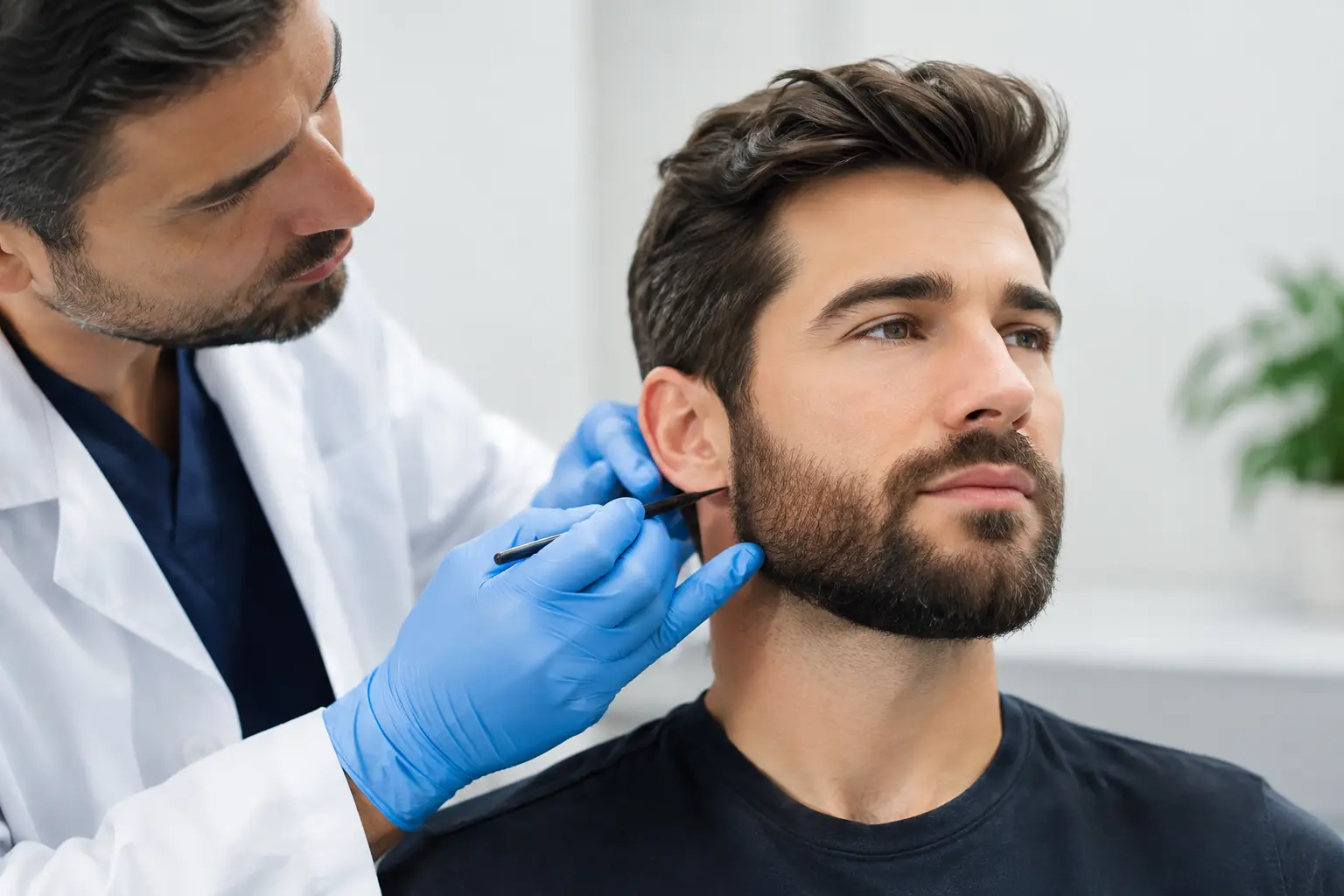
The consultation is where the planning starts. A physician evaluates your facial hair pattern, donor hair quality, skin condition, and aesthetic goals. This helps determine whether you are a strong candidate and how many grafts may be needed.
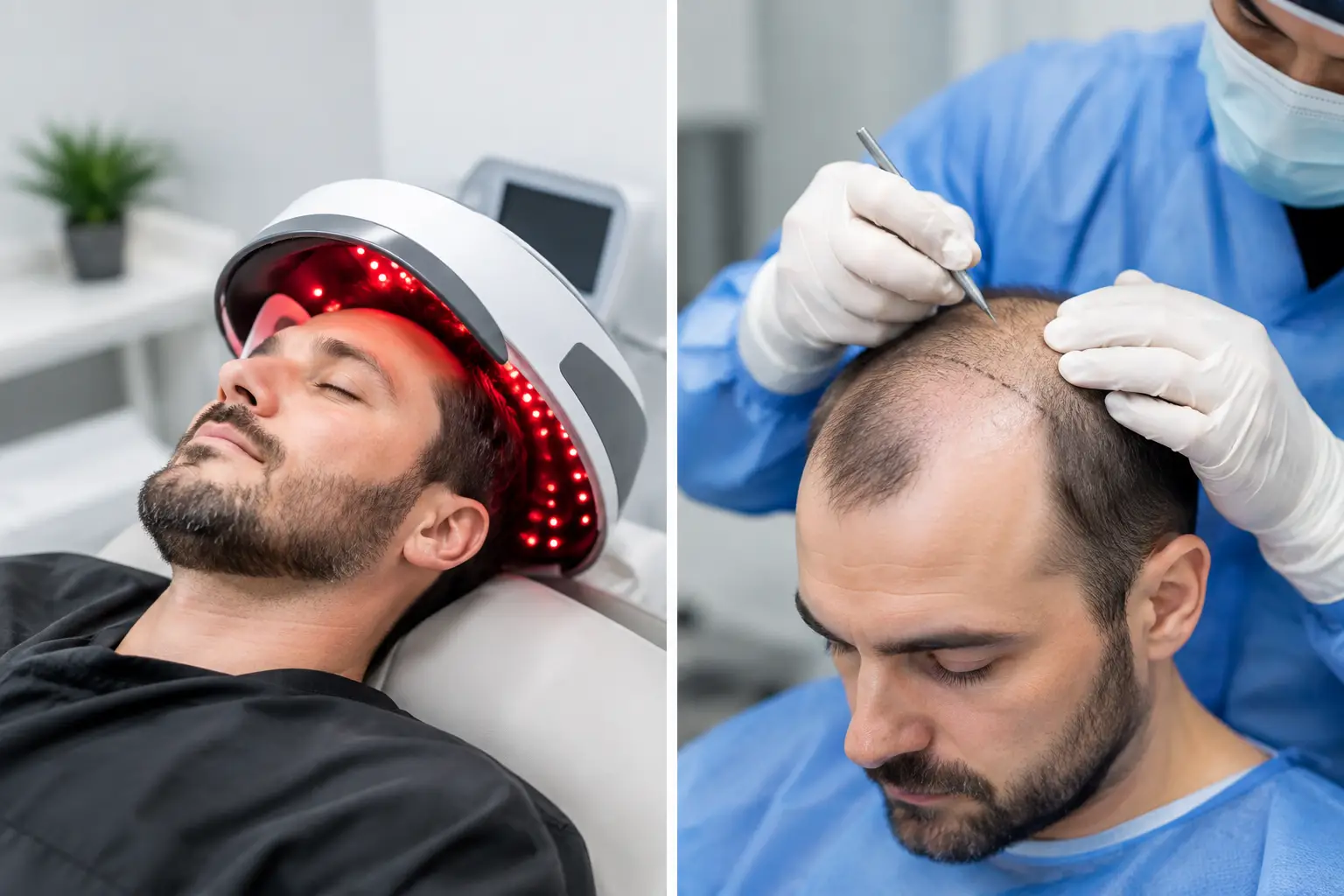
On procedure day, follicles are harvested from the donor area and implanted into the beard region with careful attention to artistry. The early healing phase is usually manageable, and the transplanted hairs often shed before new growth begins. That part is normal. Meaningful growth develops gradually over the following months.
Patience is part of the process, but so is predictability. Unlike trial-and-error product use, transplantation offers a direct way to add density where it is missing. For men who have spent years working around the same weak areas, that can be a major confidence shift.
Is a beard transplant right for everyone?
It depends on your goals and your starting point. If your beard is still maturing and you are in your early 20s, waiting may be reasonable. If the patchiness is mild and easily improved with styling, a procedure may not be necessary. If you have an active skin disorder or uncontrolled hair loss condition, those issues should be addressed first.
But if your beard pattern has been stable, the gaps bother you consistently, and you want a natural-looking permanent improvement, a transplant may be the right next step. The key is choosing a practice that approaches beard restoration as both a medical and aesthetic procedure.
That balance matters because facial hair design is not just about filling space. The density has to look believable. The direction of growth has to match surrounding hair. The transition from mustache to beard and cheek to jawline has to feel natural on your face, not copied from someone else’s.
How to fix patchy beard growth with realistic expectations
The best outcomes start with honesty. Some patchy beards improve with time, grooming, and smarter styling. Some need medical treatment. Some are best corrected with a beard transplant because the follicles simply are not there in the first place.
What you want to avoid is getting stuck between hope and frustration, buying one product after another without a clear diagnosis or plan. A personalized consultation can tell you whether your beard has the potential to improve on its own, whether a non-surgical option makes sense, or whether transplantation is the most efficient path to the fuller beard you want.
At Austin Hair Clinic, that kind of guidance is part of the process. The goal is not to push every patient toward the same answer. It is to identify the cause of the patchiness, explain the options clearly, and create a treatment plan that fits your features and your expectations.
A better beard is not really about chasing perfection. It is about looking in the mirror and seeing a result that feels intentional, balanced, and more like you.