Does Stress Cause Hair Shedding? What to Know
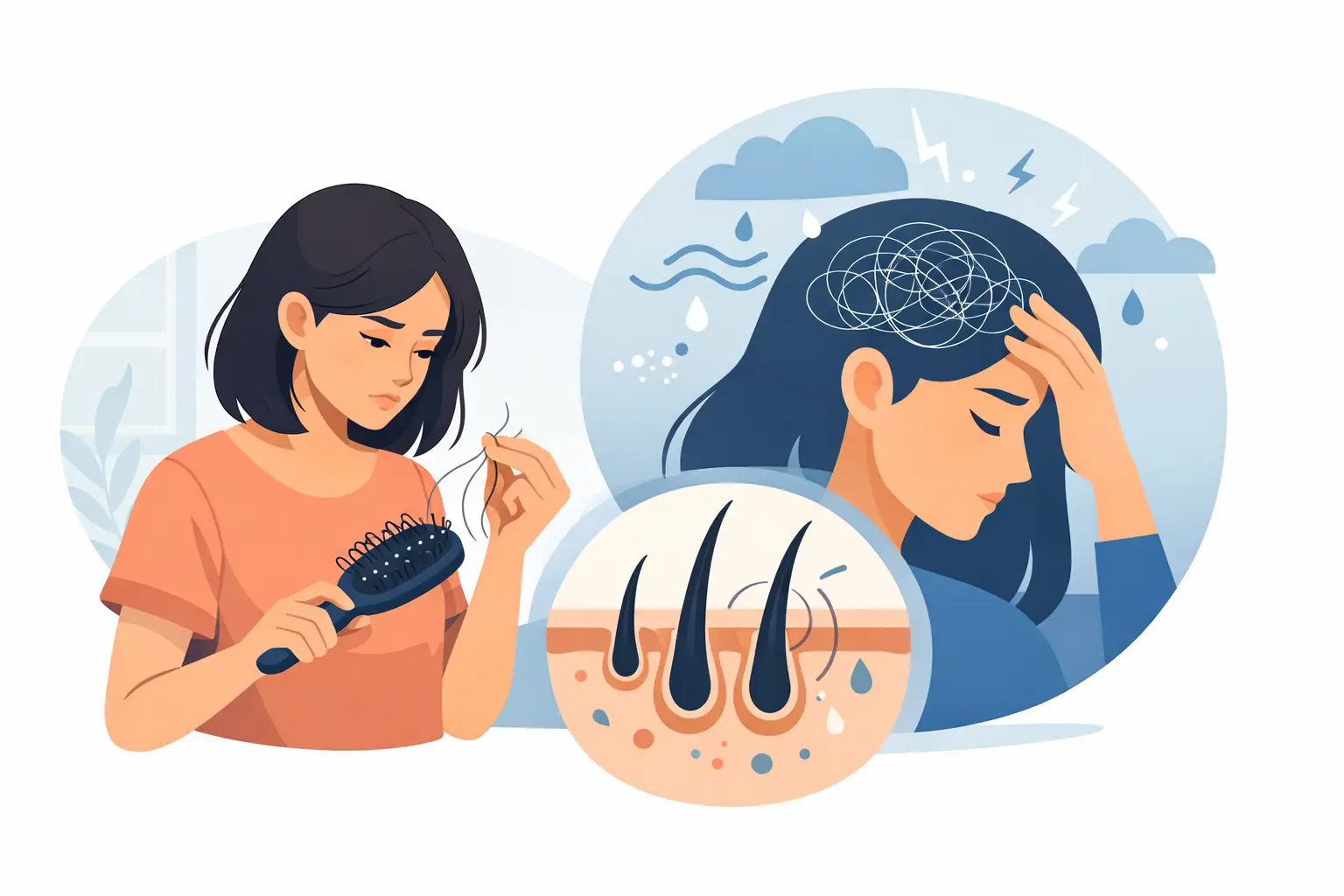
A busy season at work, a difficult divorce, a major illness, or months of poor sleep can show up in places you do not expect – including your hairbrush and shower drain. Does stress cause hair shedding? Yes, it can. But the pattern, timing, and amount of shedding matter, especially because stress-related hair loss can overlap with genetic thinning and other medical concerns.
For many people, seeing more hair fall out is alarming because it feels sudden and personal. The encouraging news is that stress-related shedding is often temporary. A proper evaluation can help identify what is driving the change and whether your hair is likely to recover on its own, needs medical support, or would benefit from a longer-term restoration plan.
Does Stress Cause Hair Shedding Through Telogen Effluvium?
The most common form of stress-related hair loss is called telogen effluvium. Hair normally grows in cycles. Most follicles are in the active growth phase, while a smaller percentage are in a resting phase before the hair naturally releases and a new strand begins to form.
A significant physical or emotional stressor can push an unusually large number of follicles into that resting phase at once. About two to three months later, those hairs may shed more noticeably. This delayed timeline often makes the connection easy to miss. Someone may assume their shedding began without a cause, when the trigger was a surgery, fever, rapid weight loss, major life event, or prolonged period of strain several weeks earlier.
Telogen effluvium usually causes diffuse shedding. Rather than seeing a single bald patch, you may notice more hair across the scalp coming out while washing, brushing, or styling. Your ponytail may feel less full, and your part may appear wider. The frontal hairline is often preserved, although existing pattern hair loss can make thinning around the temples or crown more visible.
The Stressors That Can Affect Your Hair Cycle
Stress is not limited to feeling overwhelmed. The body responds to physical strain as well as emotional pressure, and both may affect the hair growth cycle. Common triggers include a high fever, infection, surgery, childbirth, hormonal changes, a restrictive diet, rapid weight changes, certain medications, and nutritional deficiencies.
Emotional stress can also contribute, particularly when it is intense or sustained. A single difficult week is less likely to change your hair cycle than months of poor sleep, anxiety, grief, burnout, or ongoing caregiving demands. Still, hair shedding rarely has only one explanation. Stress may be the trigger that reveals an underlying tendency toward androgenetic alopecia, also called male or female pattern hair loss.
That distinction matters. Telogen effluvium may improve as the body recovers, while pattern hair loss is progressive without treatment. A personalized assessment helps separate a temporary shedding event from a condition that needs ongoing management.
What Stress-Related Shedding Usually Looks Like
It is normal to lose some hair each day. The concern is a clear change from your usual baseline. With stress-related shedding, people often report finding more hair on the pillow, in the shower, or wrapped around a brush. The shedding tends to be spread throughout the scalp rather than limited to a sharply defined area.
You may also notice that the scalp itself looks more visible under bright light. In many cases, the hairline remains relatively stable, and there is no redness, scaling, pain, or scarring. If there are bald patches, itching, tenderness, broken hairs, or inflammation, another condition may be involved and should be evaluated promptly.
Stress-related shedding can be frustrating because the hair may continue falling for several months even after the triggering event has passed. That does not always mean permanent loss. It reflects the delayed rhythm of the hair cycle. New growth can take time to become visible, and short regrowth hairs may not create an immediate improvement in density.
When Shedding May Be More Than Stress
It is tempting to blame stress for every change in hair density, but that can delay the right care. A medical hair loss evaluation may include a close scalp examination, review of your health history and medications, and, when appropriate, laboratory testing or genetic insights. The goal is to identify contributing factors rather than make assumptions.
Pattern hair loss is particularly common in men and women and may occur alongside telogen effluvium. Men may see a receding hairline or thinning crown. Women may notice a widening part, reduced density through the top of the scalp, or more visible scalp near the crown. Stress can make these changes appear more dramatic, but it is not necessarily the original cause.
Other causes can include thyroid disorders, iron deficiency, low protein intake, autoimmune conditions, hormonal shifts, scalp disorders, and medication effects. Seeking guidance is especially worthwhile if shedding lasts longer than six months, continues to worsen, follows no clear trigger, or comes with changes in your skin, nails, energy level, or menstrual cycle.
Supporting Recovery While Protecting Existing Hair
Reducing stress is useful for your overall health, but it is not a quick fix for shedding. Hair follicles need time to return to a normal cycle. Focus on consistent habits: adequate sleep, balanced meals with sufficient protein, realistic exercise, hydration, and professional support for anxiety or burnout when needed.
Avoid aggressive styling while shedding is active. Tight hairstyles, frequent bleaching, high-heat tools, and harsh chemical treatments can increase breakage and make reduced density look worse. Gentle handling will not stop telogen effluvium, but it can help preserve the hair you have while recovery is underway.
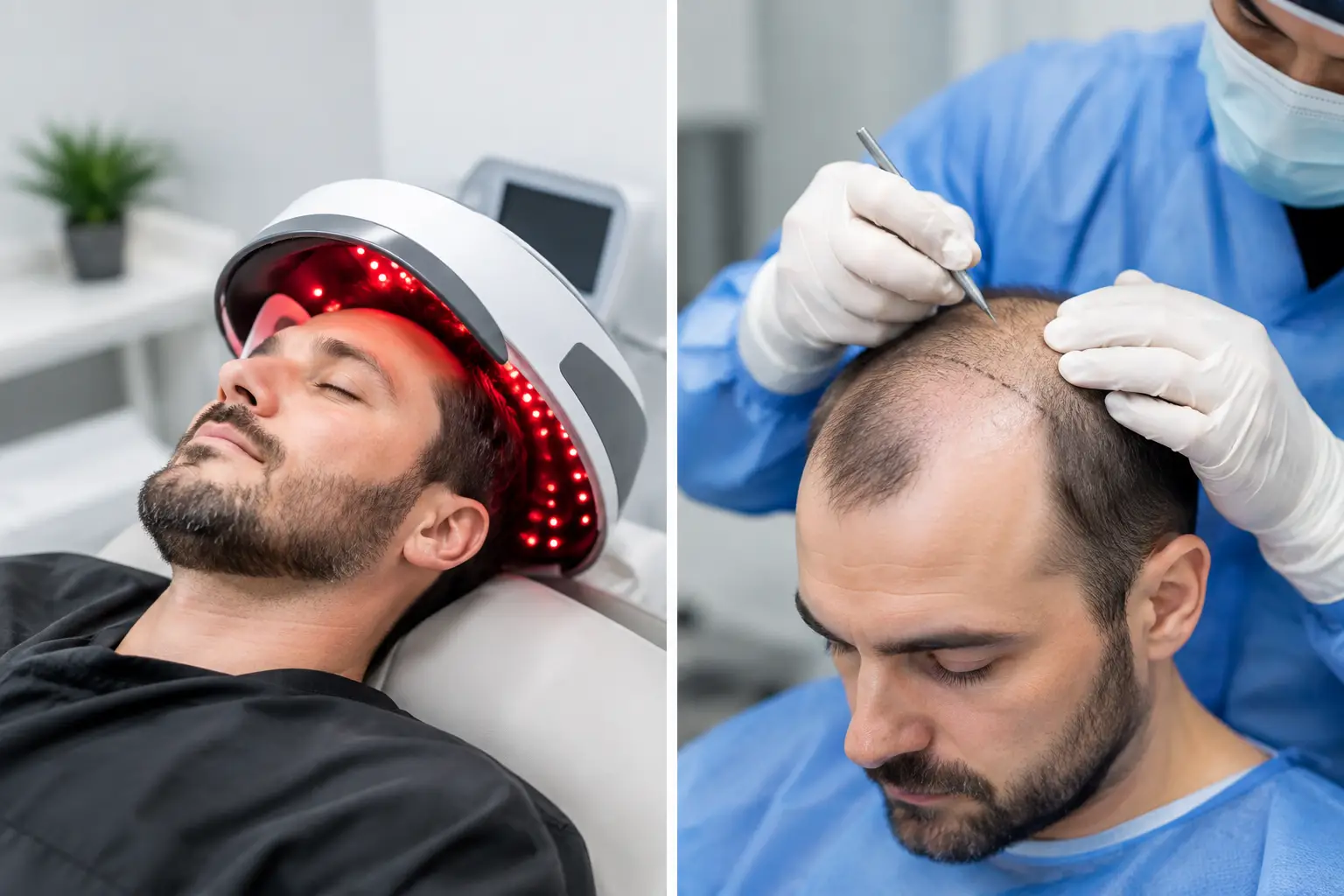
Medical treatment depends on the diagnosis. If pattern hair loss is present, options may include prescription medications, low-level laser therapy, regenerative hair loss injections, or targeted nutritional support. These approaches are designed to protect vulnerable follicles and support healthier growth over time. The right combination depends on your medical history, the stage of thinning, and your goals for density and appearance.
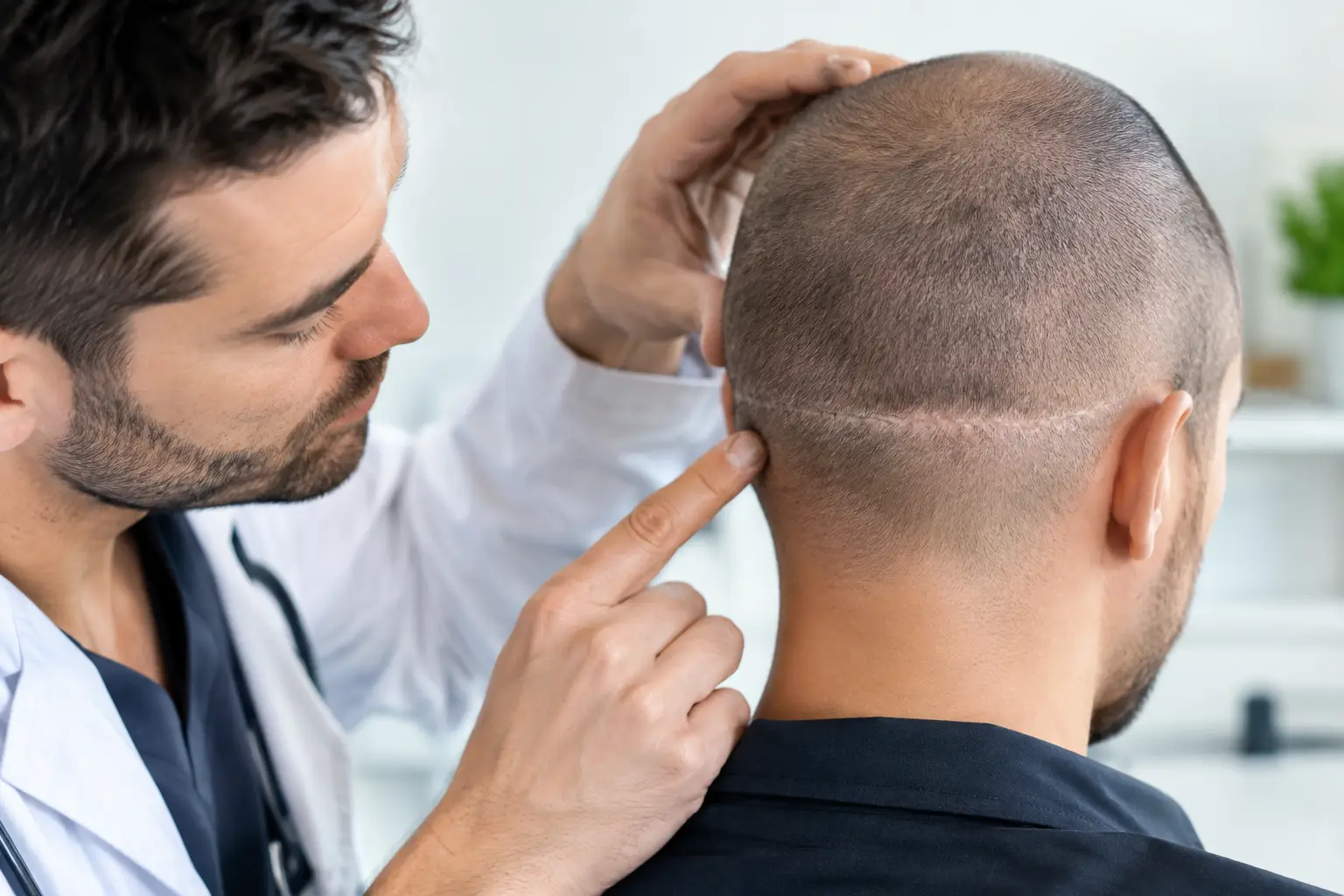
Hair transplantation is not typically the first answer for active stress shedding alone. However, for someone with stabilized genetic hair loss and permanently reduced density, FUE hair transplantation may be considered as part of a comprehensive, long-term plan. The key is treating the underlying cause before making a surgical decision.
Can Hair Grow Back After Stress Shedding?
In many cases, yes. Once the stressor is resolved and no other untreated condition is driving the loss, follicles can resume their normal growth cycle. Shedding often settles over several months, while visible regrowth can take six to 12 months or longer. Hair grows slowly, so progress is gradual rather than dramatic from week to week.
Recovery varies. Someone with no prior hair loss may regain much of their previous density. Someone with early genetic thinning may recover from the shedding episode but still notice that their hair does not return to its former fullness without treatment. This is where an experienced assessment provides clarity and prevents a temporary issue from masking a progressive one.
A few questions patients often ask
Will stress shedding make me bald? Telogen effluvium alone does not usually cause complete baldness. It can create noticeable diffuse thinning, but follicles generally remain intact. If hair does not recover as expected, an underlying condition should be investigated.
Should I start supplements right away? Supplements can be helpful when they address a true nutritional gap, but they are not a substitute for diagnosis. Taking high doses of vitamins without guidance is not always beneficial and may complicate other health concerns.
How soon should I seek care? Schedule an evaluation if the shedding feels significant, you see pattern changes in your hairline or part, or the loss is affecting your confidence. Earlier guidance gives you more options to protect existing hair.
Hair shedding can feel like one more burden during an already difficult chapter. A careful scalp analysis and individualized treatment discussion at Austin Hair Clinic can help you move from guessing to a clear plan – one that protects your hair, supports your confidence, and respects your timeline for results.