Diffuse Thinning Treatment Options That Work

Diffuse thinning can feel particularly frustrating because there may be no single bald spot to point to. Instead, the part grows wider, the ponytail feels smaller, or more scalp appears under bright office lighting. The right diffuse thinning treatment options depend on why the shedding or miniaturization is happening, how stable it is, and whether your donor hair can support future restoration.
For many patients, the best plan is not one treatment. It is a carefully timed combination that protects existing hair, encourages healthier growth, and considers transplantation only when it can create a natural, lasting improvement.
What diffuse thinning can mean for your hair
Diffuse thinning describes reduced density across a broad area of the scalp rather than recession limited to the temples or a thinning crown alone. It affects both men and women, although the pattern, causes, and treatment approach can differ significantly.
In men, diffuse thinning may be a form of androgenetic alopecia, often called male pattern hair loss. Individual follicles gradually become smaller and produce finer, shorter hairs. In women, diffuse loss may be related to female pattern hair loss, hormonal changes, menopause, nutritional deficiencies, thyroid conditions, stress, illness, medication changes, or telogen effluvium, a temporary shedding response that can occur after a physical or emotional stressor.
That distinction matters. A hair transplant can redistribute healthy follicles, but it does not stop an active shedding condition or reverse every medical cause of hair loss. Treating the diagnosis first helps protect the appearance of your result and prevents a plan built around the wrong problem.
Start with a scalp and hair loss evaluation
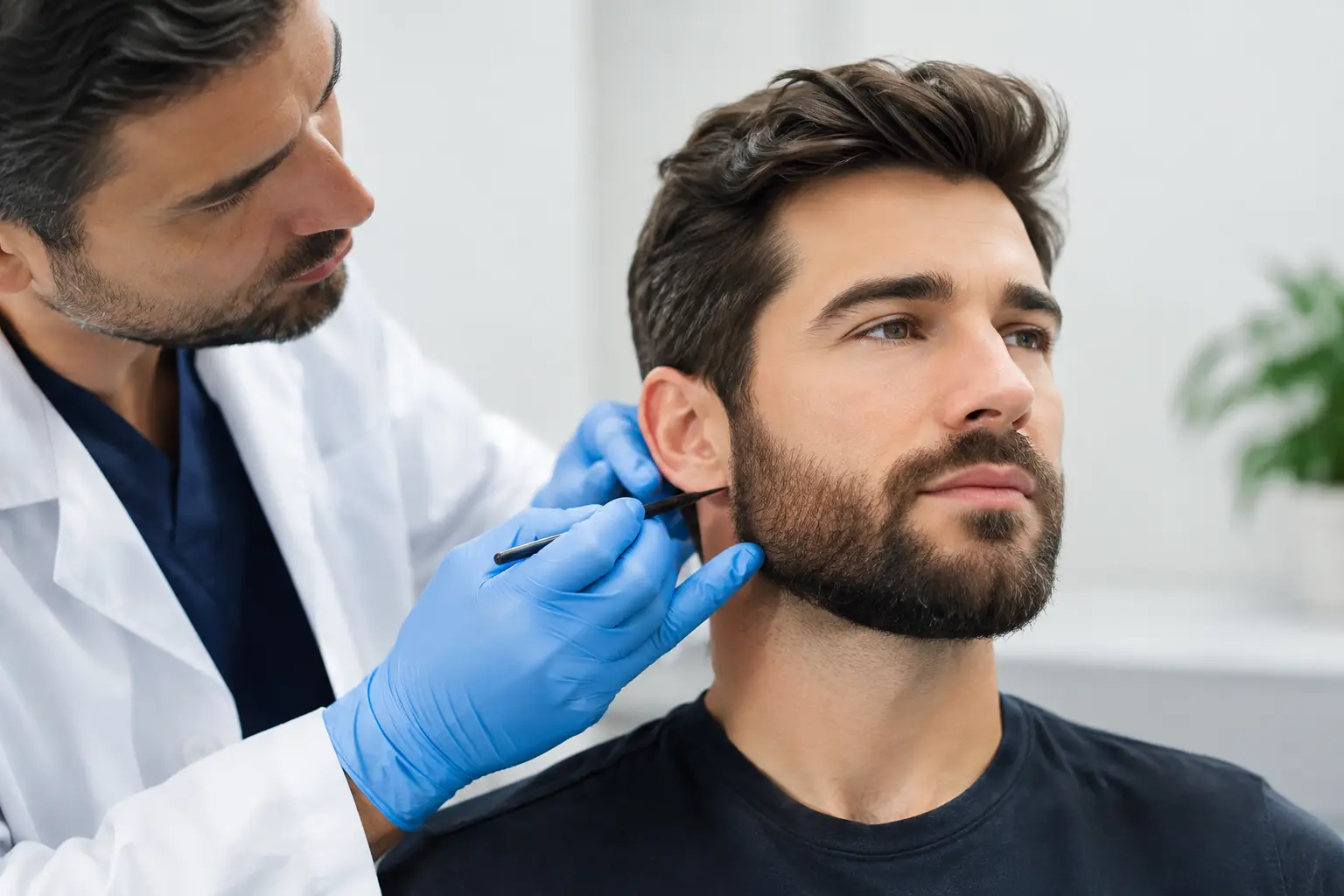
A professional evaluation should look beyond the number of hairs you see in the shower drain. Your physician will assess the pattern of loss, scalp health, hair caliber, family history, lifestyle factors, medications, and the stability of your hair loss. For appropriate patients, diagnostic tools such as genetic testing may provide additional insight into how someone could respond to certain medications or therapies.
Blood work may also be appropriate when symptoms or history suggest thyroid dysfunction, low iron, hormonal changes, nutritional concerns, or another contributor to shedding. This is especially relevant for sudden diffuse loss, rapid shedding, itching, scaling, or hair loss that began after pregnancy, surgery, a significant illness, or a major life event.
The goal is not simply to name the condition. It is to determine whether your hair is actively changing, which follicles are still recoverable, and how to use your donor supply responsibly if transplantation may be part of the plan.
Diffuse thinning treatment options for preserving existing hair
Prescription and topical medications
Medication is often the foundation of treatment for genetic hair thinning because it can help slow ongoing miniaturization. For men, finasteride is commonly prescribed to reduce the hormonal activity associated with pattern hair loss. Some patients may be candidates for other physician-directed medication approaches based on their history and goals.
Topical minoxidil is used by both men and women and can help extend the growth phase of the hair cycle. It requires consistency. Some patients notice an early increase in shedding as hairs transition through the cycle, and visible improvement often takes several months. Stopping treatment can allow the gains supported by the medication to fade over time.
Every medication involves trade-offs. Finasteride is not appropriate for everyone and can have side effects that deserve a candid conversation with a physician. Minoxidil can cause scalp irritation or unwanted facial hair growth in some users. For women who are pregnant, trying to conceive, or breastfeeding, treatment choices require particular medical guidance. A personalized recommendation is safer and more useful than copying a regimen from social media.
Low-level laser therapy
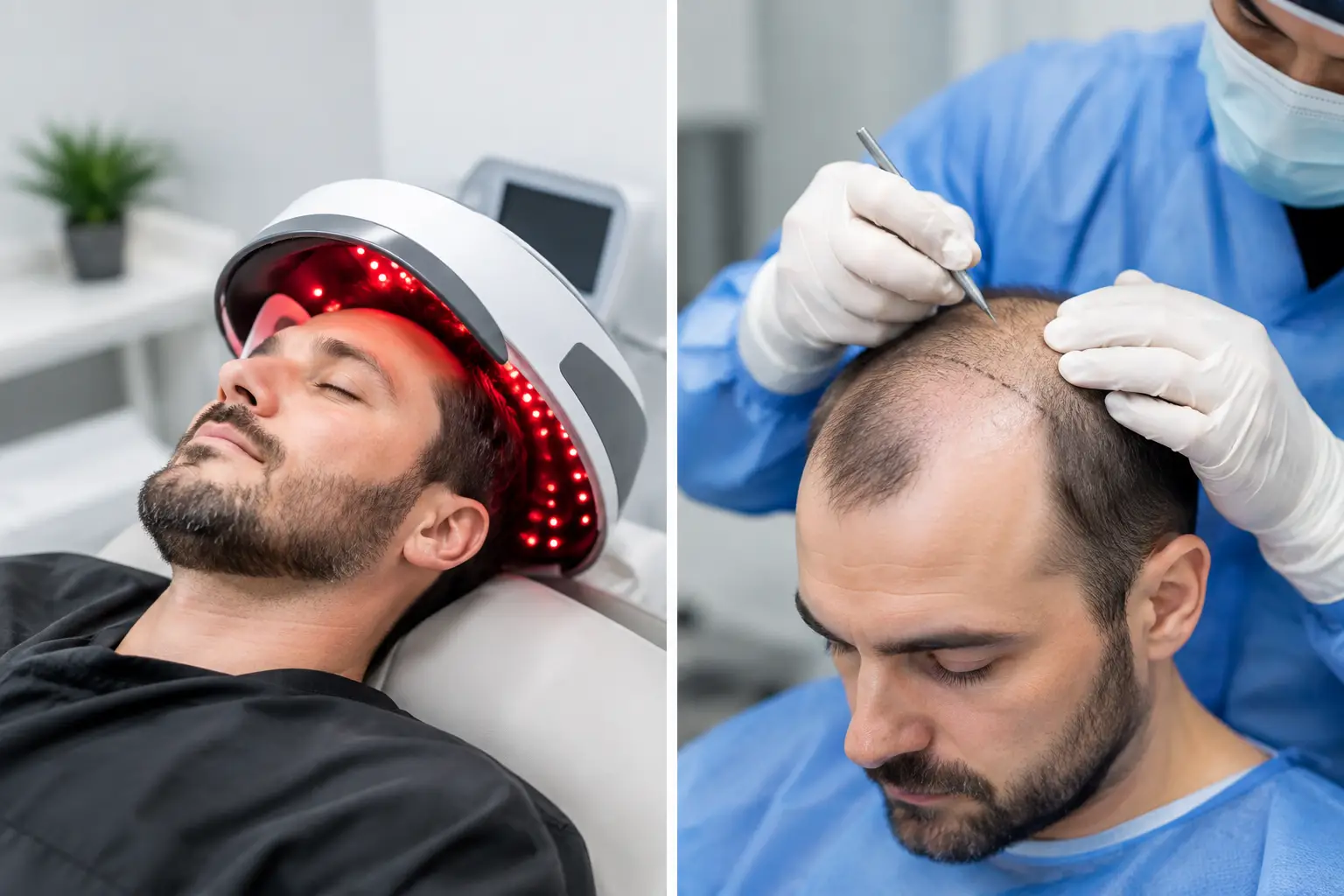
Low-level laser therapy uses specific wavelengths of light to support follicle activity. It is noninvasive, painless, and appealing to patients who want a medication-free complement to their plan. Laser therapy is generally not a quick fix, but regular use may help improve hair quality and support density in suitable candidates.
It works best as part of a consistent program, particularly when follicles are still producing hair but have begun to weaken. Patients with advanced areas that no longer contain viable follicles usually need a different solution for visible coverage.
Regenerative hair loss injections
Regenerative hair loss injections may be considered for patients with early to moderate thinning who want to support existing follicles. These treatments are designed to create a healthier environment for hair growth and are often paired with medication, laser therapy, or both.
Results vary because the biology of hair loss varies. Patients should view injections as a potential way to strengthen and preserve native hair, not as a guarantee that every area will return to its previous density. A physician can help determine whether your degree of miniaturization and pattern of loss make this option worthwhile.
Nutritional support when it is appropriate
Hair growth depends on adequate nutrition, but supplements are not a substitute for treating genetic hair loss or an underlying medical condition. For patients with dietary gaps, stress-related shedding, or specific nutritional needs, physician-recommended supplements such as Nutrafol may be a helpful addition.
More is not always better. Taking high doses of vitamins without a clinical reason can be ineffective and occasionally counterproductive. If shedding is persistent, identify the cause rather than assuming a supplement alone will solve it.
When an FUE hair transplant makes sense
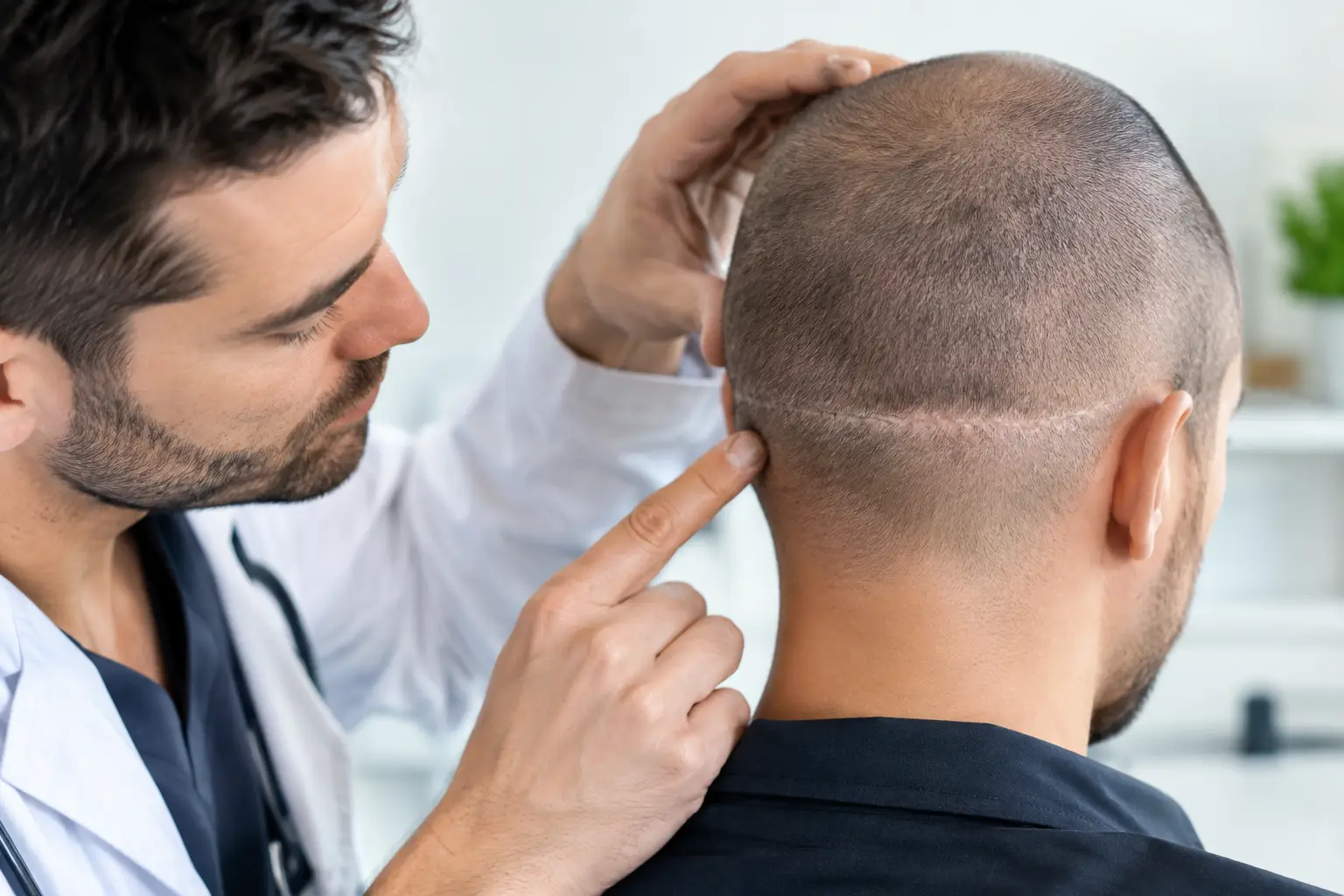
FUE, or Follicular Unit Extraction, can be an excellent option for diffuse thinning when hair loss has been evaluated, donor hair is strong enough, and the treatment plan accounts for future progression. During FUE, individual follicular units are harvested from the donor area and placed strategically into thinning zones to create fuller, natural-looking coverage.
The key word is strategically. With diffuse thinning, a transplant should not chase every thin area at maximum density. The priority is often to reinforce the hairline, frontal zone, part line, or crown in a way that blends with existing hair and preserves donor follicles for the years ahead. Placing grafts between weakened native hairs requires experience, aesthetic judgment, and careful attention to the direction and angle of growth.
ARTAS robotic FUE may be appropriate for select candidates, while manual FUE offers flexibility for varying hair characteristics and restoration goals. The best technique is the one that suits your scalp, donor area, hairstyle preferences, and long-term plan – not simply the newest technology available.
A transplant is also not always the first move. If diffuse thinning is progressing quickly, stabilizing the loss before surgery can help prevent a situation where transplanted hair remains while surrounding native hair continues to thin. For many patients, medical therapy begins first, with FUE considered after the pattern becomes clearer or when preserved hair and added density can work together.
What results should you realistically expect?
Treatments that preserve existing hair usually require patience. It may take three to six months to notice early changes and closer to a year to judge the full benefit. Hair grows in cycles, and consistency matters more than constantly switching treatments.
With an FUE transplant, the transplanted hairs commonly shed before new growth begins. Early regrowth often appears around three to four months, with more visible improvement developing over six to 12 months. Final maturation can continue beyond that point. Results should look like your own hair at a stronger density, not like an artificially dense hairpiece.
The most satisfying outcomes are built around realistic expectations. Fine hair, a limited donor area, extensive thinning, and future hair loss can all affect what is achievable. An experienced physician should explain these limits clearly while showing how a thoughtful plan can still make a meaningful difference in your appearance and confidence.
A personalized plan protects your investment
At Austin Hair Clinic, diffuse thinning is approached as a long-term hair restoration decision, not a one-size-fits-all procedure. A thorough scalp analysis can clarify whether medication, laser therapy, regenerative injections, FUE transplantation, or a combination offers the strongest path forward.
If your hair looks less dense than it used to, early action can preserve more options. The most helpful next step is a professional evaluation that gives you a clear diagnosis, an honest view of your donor potential, and a plan designed to help your hair look naturally fuller for years to come.