When Should Men Start Finasteride for Hair Loss?
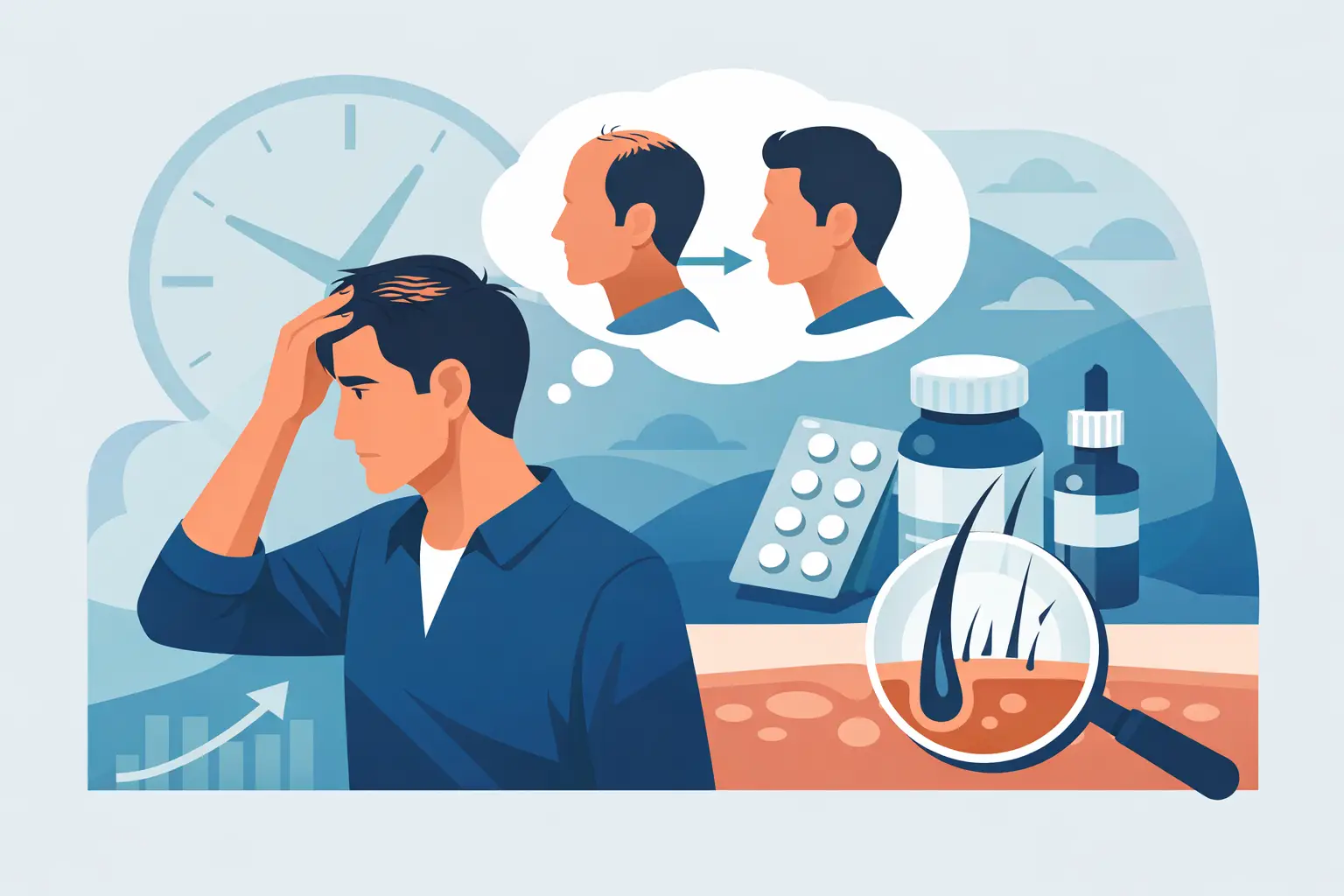
A widening part, more scalp showing under bright office lighting, or a hairline that seems to move back in every photo can create a familiar question: when should men start finasteride? For men with early male pattern hair loss, the answer is often sooner than they expect – but only after a proper medical evaluation confirms that finasteride is an appropriate option.
Finasteride is not a cosmetic quick fix, and it cannot bring every lost follicle back to life. Its primary value is protecting susceptible follicles before thinning becomes more advanced. That makes timing meaningful. Starting treatment while hair is still present may help preserve a fuller, more natural-looking result and may expand your options if you ever consider hair restoration in the future.
When Should Men Start Finasteride?
Men may consider finasteride when they have signs of androgenetic alopecia, commonly called male pattern baldness. This condition is driven by genetic sensitivity to dihydrotestosterone, or DHT, a hormone that can gradually shrink follicles in certain areas of the scalp. The typical pattern includes recession at the temples, thinning at the crown, or a slowly enlarging area of reduced density across the top of the head.
The best time is not determined by a specific birthday. It is determined by the pattern, pace, and cause of hair loss. A 24-year-old with clear, progressive temple recession and a strong family history may be a better candidate than a 45-year-old whose shedding is temporary and related to illness, stress, nutritional concerns, or another medical issue.
For many men, treatment is most valuable when thinning is early to moderate. Once a follicle has been inactive for a long time, medication is less likely to produce visible regrowth. Finasteride can help slow further miniaturization, which is why a proactive conversation with a hair restoration physician can be worthwhile at the first consistent signs of pattern loss.
Start With the Right Diagnosis, Not Just a Prescription
Not every receding hairline is male pattern baldness. Sudden shedding, circular patches of hair loss, scalp irritation, breakage, and diffuse thinning can point to different conditions that require a different plan. Treating the wrong cause may delay the care that would actually help.
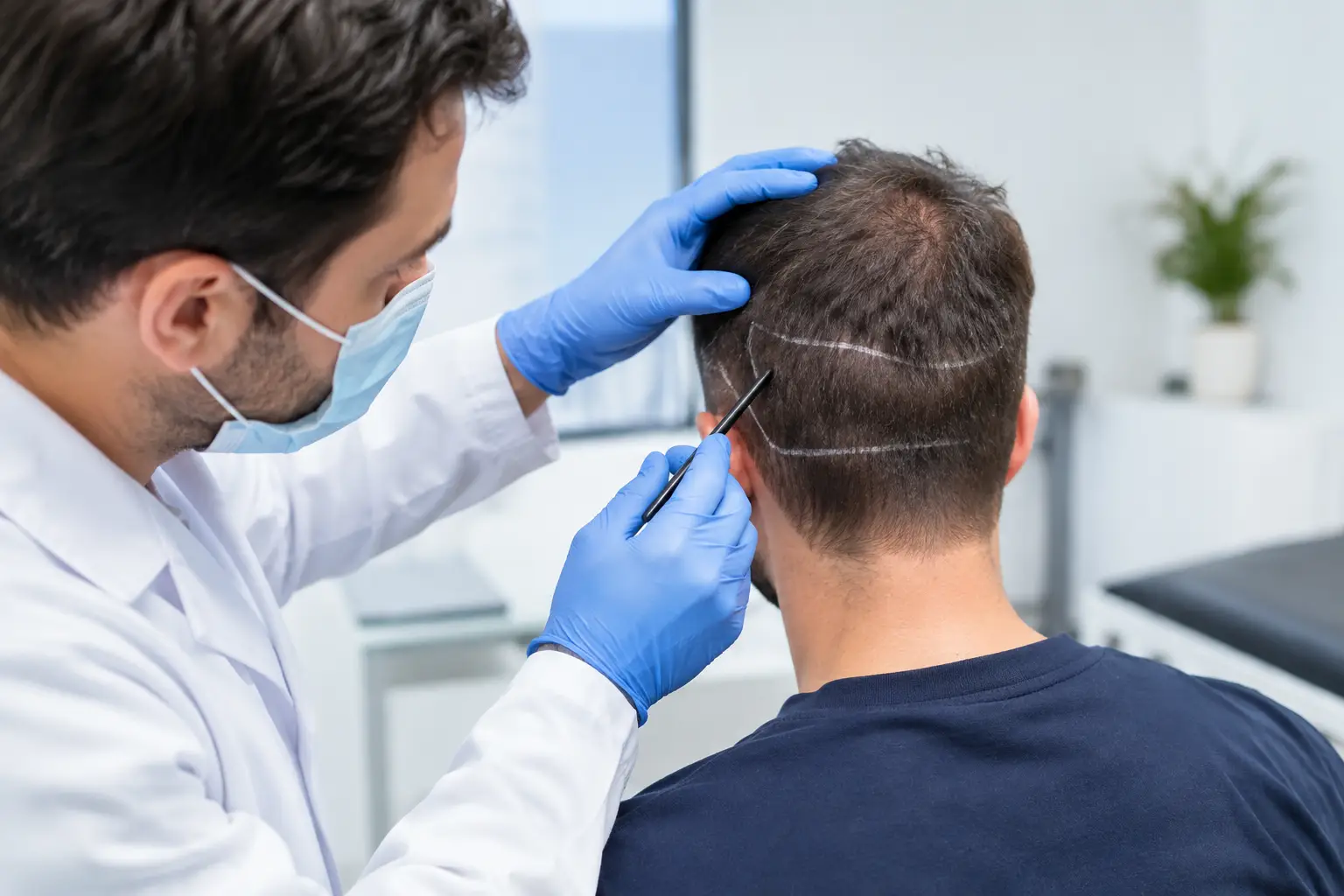
A thorough evaluation looks at the scalp, the distribution of thinning, family history, medications, lifestyle factors, and the timeline of hair loss. In some cases, diagnostic testing may help identify contributing factors. This is especially important for men who notice abrupt shedding, have symptoms beyond hair loss, or are unsure whether their thinning follows a typical genetic pattern.
At Austin Hair Clinic, a personalized assessment can help distinguish early androgenetic alopecia from other forms of hair loss and place medication in the context of a broader treatment plan. The goal is not simply to offer a prescription. It is to protect the hair you have while pursuing natural-looking, confidence-restoring results.
Why Earlier Treatment Often Has an Advantage
Male pattern hair loss is progressive. Follicles generally do not disappear overnight; instead, they produce finer, shorter hairs over time. Finasteride works by lowering DHT levels, helping reduce the hormonal pressure that contributes to this miniaturization in genetically susceptible follicles.
That means men who begin treatment while their hair still has reasonable density often have more to preserve. They may notice that their hair loss stabilizes, that shedding decreases, or that existing hair appears thicker over time. Results vary, and regrowth is not guaranteed, but preventing further loss can be a meaningful result in itself.
Waiting until the scalp is visibly bare can change the conversation. Finasteride may still be considered to help preserve remaining native hair, particularly around a transplant area, but it is less likely to rebuild extensive long-standing loss. For men considering FUE hair transplantation, stabilizing future loss is a key part of protecting the aesthetic balance of a transplanted hairline over the years ahead.
Age Matters Less Than Maturity and Medical Fit
Finasteride for male pattern hair loss is generally considered for adult men, not adolescents. Younger men who are concerned about shedding should be evaluated carefully because hairline maturation, temporary shedding, and early genetic loss can look similar at first.
For adults, there is no universal “too early” age if the diagnosis is clear and the patient understands the commitment. A man in his twenties may choose medication because preserving hair now is a priority. Another man may wait until his thirties or forties when the pattern becomes more apparent. Neither choice is automatically right or wrong.
What matters is whether the benefits align with your goals and whether you are comfortable with ongoing treatment and follow-up. Finasteride is typically a long-term strategy. If treatment is stopped, the hair maintained because of the medication may gradually be lost over time.
Understanding the Trade-Offs Before You Begin
Finasteride is a prescription medication, so the decision should include an honest discussion of benefits, limitations, and potential side effects. Some men experience sexual side effects, including changes in libido, erectile function, or ejaculatory volume. Breast tenderness or enlargement, mood changes, and other uncommon concerns should also be discussed with a qualified clinician.
Many men take finasteride without significant side effects, but “most people do fine” is not the same as a personal guarantee. Your medical history, medications, reproductive plans, and comfort level all matter. If you develop concerning symptoms, contact the prescribing clinician rather than simply pushing through them or relying on online advice.
Men trying to conceive or planning a family should bring that up during their consultation. A physician can explain what is known, address individual concerns, and help determine whether finasteride fits the timing of your life as well as the timing of your hair loss.
Finasteride Works Best as Part of a Plan
Finasteride can be used alone, but many patients benefit from a tailored combination approach. Topical minoxidil may support hair growth through a different mechanism. Low-level laser therapy, regenerative hair loss injections, and nutritional support may be considered for appropriate candidates. The right combination depends on your pattern of loss, scalp health, budget, daily routine, and expectations.
For men with significant recession or reduced density, an FUE transplant may eventually be part of the plan. Medication can still play an important role by helping preserve surrounding native hair. A transplant moves healthy follicles; it does not stop genetic thinning in the non-transplanted hair around them. Planning for both present appearance and future hair loss helps create results that continue to look natural.
What Results and Timing Can You Realistically Expect?
Finasteride requires patience. Hair cycles move slowly, and early changes may not be obvious. Some men notice increased shedding before improvement, while others first see stabilization rather than dramatic regrowth. A clinician will usually assess progress over several months, using consistent photos and scalp evaluation rather than relying on day-to-day mirror checks.
A reasonable goal is often to retain hair, slow progression, and improve the appearance of density where follicles are still active. Men with early thinning tend to have more opportunity for visible improvement than men with advanced, long-standing baldness. Your family pattern can provide clues about future loss, but it cannot predict your individual outcome with certainty.
A Good Time to Schedule a Hair Loss Consultation
Consider scheduling an evaluation if you have noticed persistent temple recession, crown thinning, more hair in the shower over several months, or a clear change in density compared with older photos. You do not need to wait until hair loss feels severe. In fact, early guidance can reduce the pressure to make rushed decisions later.
Bring questions about your goals, timeline, medical history, and concerns about side effects. A thoughtful consultation should leave you with a clear understanding of whether finasteride makes sense, what results are realistic, and how medication could fit with other non-surgical or surgical options.
The right time to act is often when hair loss first becomes consistently noticeable and you are ready to make an informed, medically guided decision. Protecting your existing hair today may give you more choices – and more confidence in the way you look – for years to come.