FUE Preparation Tips for a Smoother Procedure
A successful FUE hair transplant begins well before the first graft is extracted. The right FUE preparation tips can help reduce avoidable risks, make the procedure day more comfortable, and give your newly placed follicles the best possible start. Preparation is not about following a generic checklist alone. It is about understanding your health history, your hair-loss pattern, and the specific plan your physician has created for your goals.
Follicular Unit Extraction, or FUE, moves individual hair follicles from the donor area, usually the back and sides of the scalp, into thinning or bald areas. Because every graft is valuable, small choices in the days and weeks before treatment matter. A personalized pre-operative plan is always the standard, especially if you take prescription medications, have a medical condition, or are combining transplantation with treatments such as regenerative injections, laser therapy, or hair-loss medication.
Start With a Thorough Medical Consultation
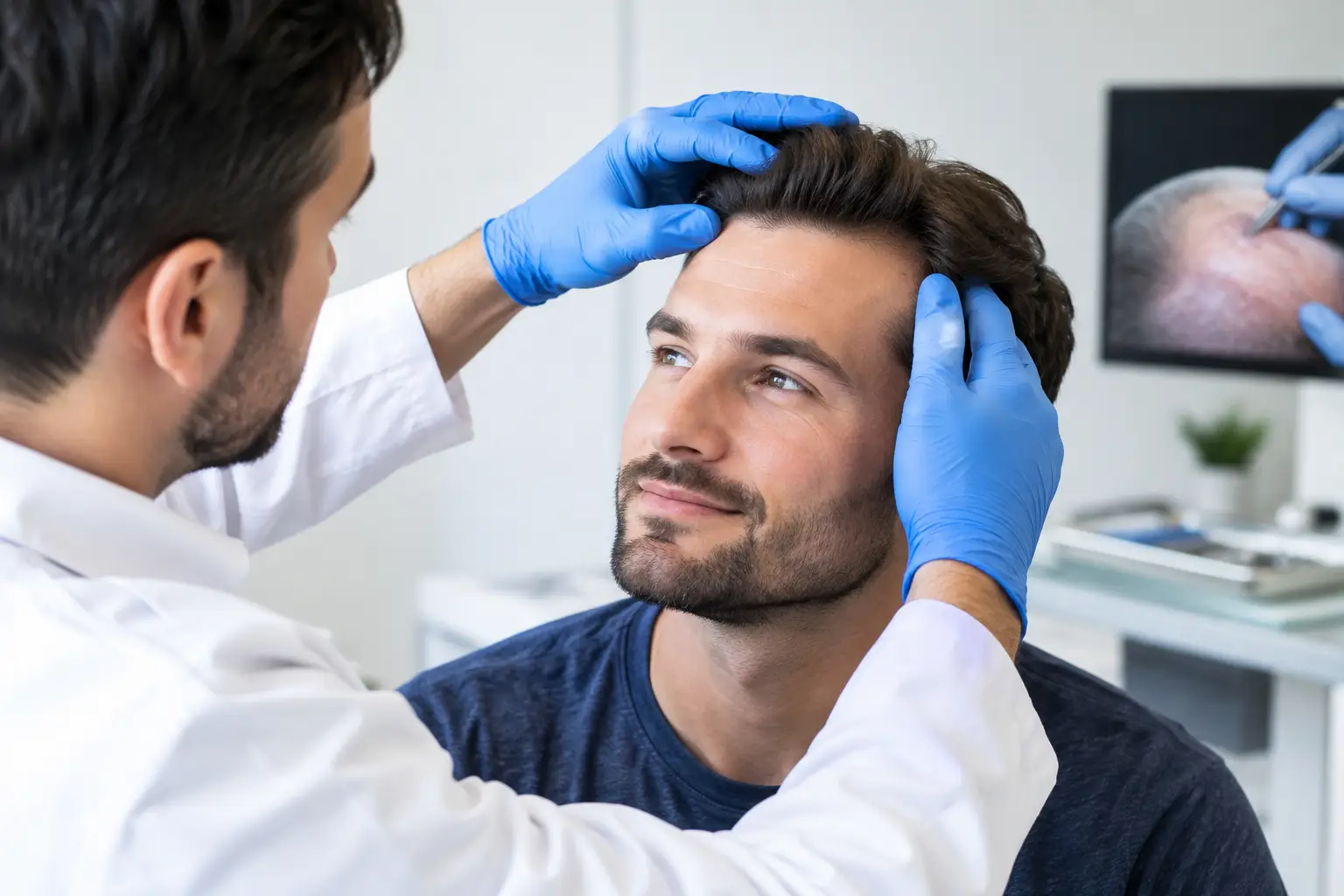
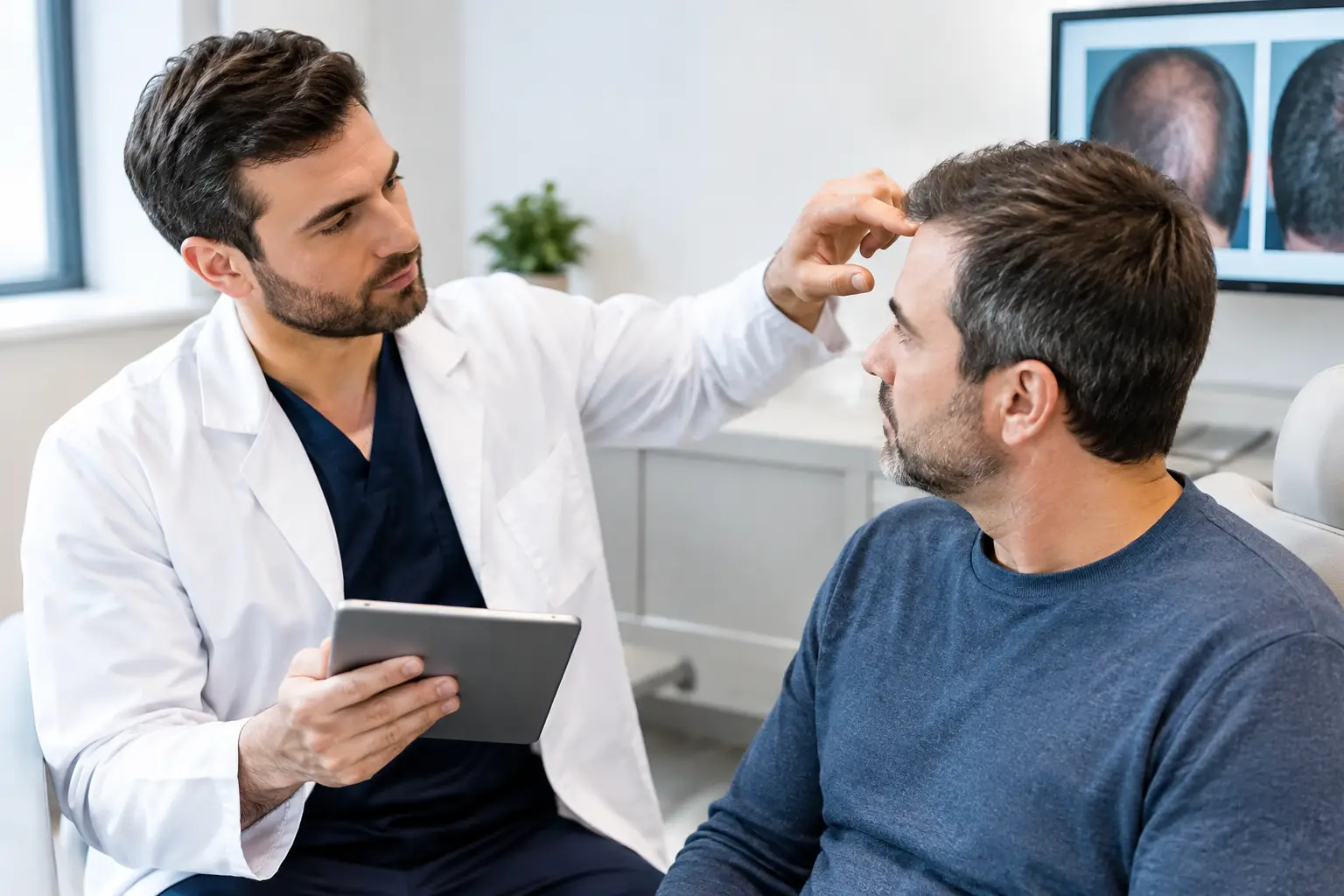
Your consultation is where preparation truly starts. Be candid about your medical history, previous surgeries, allergies, smoking or nicotine use, supplements, and every medication you take, including over-the-counter pain relievers and vitamins. This information helps your physician identify potential bleeding risks, anesthesia considerations, or factors that could affect healing.
It is also the time to discuss expectations. FUE can create a fuller hairline and improve density with natural-looking placement, but it does not create an unlimited supply of donor hair. Your treatment plan should account for your current hair loss, likely future progression, hair characteristics, and donor capacity. A conservative, age-appropriate design often protects the long-term result better than aggressively lowering a hairline for a short-term change.
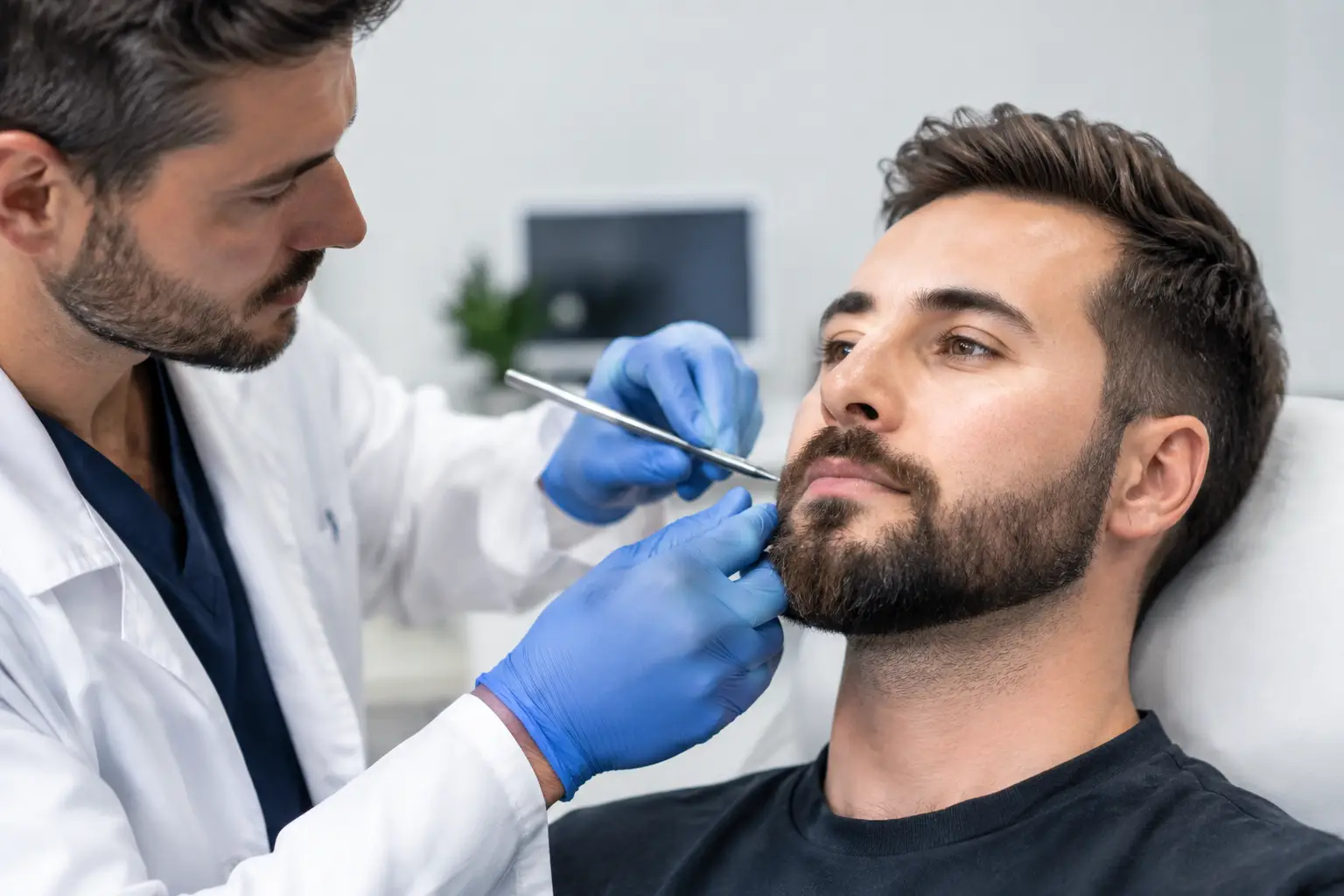
If you are considering ARTAS robotic FUE, standard manual FUE, beard restoration, or eyebrow transplantation, preparation may differ slightly based on the treatment area and the amount of work planned. Ask what will be shaved or trimmed, how long you should expect to be at the clinic, and what recovery restrictions apply to your specific procedure.
FUE Preparation Tips for the Weeks Before Surgery
Your physician will provide instructions tailored to you. In general, the weeks before FUE are a good time to support your overall health and remove variables that may complicate the procedure.
Nicotine is one of the most significant concerns. Smoking, vaping, chewing tobacco, and nicotine products can constrict blood vessels and interfere with circulation. Healthy circulation is especially important when newly transplanted grafts are establishing a blood supply. Follow your physician’s timeline for stopping nicotine before and after surgery. If quitting feels difficult, raise the issue early so you can make a realistic plan rather than trying to change habits the day before treatment.
Alcohol can also increase bleeding and dehydration for some patients. You may be asked to avoid it for a period before the procedure and during early recovery. Do not assume that a weekend drink is harmless simply because FUE is minimally invasive. Your clinical team can give you a precise recommendation based on your health and medications.
Certain medications and supplements may need to be paused, adjusted, or continued. Aspirin, anti-inflammatory drugs, blood thinners, fish oil, vitamin E, and herbal supplements can affect bleeding in some circumstances. However, never stop a prescribed medication on your own. The safest approach is to provide a complete list to your hair restoration physician and prescribing provider so they can coordinate instructions.
Hair-loss treatments deserve the same individualized approach. Some patients continue medications such as finasteride or topical minoxidil, while others are asked to pause a topical product immediately before surgery to keep the scalp clean and reduce irritation. The answer depends on the product, your scalp, and the procedure plan. Consistency after surgery may be part of preserving the native hair surrounding your transplant, so discuss long-term management rather than viewing FUE as a standalone event.
Prepare Your Scalp and Your Schedule
Avoid harsh chemical treatments, scalp sunburn, or anything that leaves your skin irritated before surgery. If you color your hair, ask when to schedule it. A healthy, calm scalp gives your team the clearest possible view of the donor and recipient areas.
In the final days, prioritize sleep, hydration, and balanced meals. There is no special diet that guarantees graft growth, but arriving well-rested and nourished can make a long procedure day easier. If you have been ill, developed a skin infection, or noticed unusual scalp irritation, contact the clinic promptly. Rescheduling can be disappointing, but proceeding when your health is compromised may not be in your best interest.
Plan ahead for recovery as carefully as you plan for procedure day. Most patients can return to non-strenuous work relatively quickly, particularly if they work from home. Still, visible redness, swelling, shaved areas, or tiny scabs may influence when you want to be seen socially or professionally. If you have an important event, photo session, vacation, or presentation, give yourself more recovery time than you think you need.
Arrange transportation home if your treatment plan includes medication that may make driving unsafe. Set up a quiet recovery space with clean pillows, loose button-front shirts, easy meals, and the supplies your clinic recommends. You will be glad not to make last-minute errands while protecting fresh grafts.
The Night Before and Morning of Your FUE Procedure
Follow the washing instructions provided by your clinic. Many patients are asked to shampoo their hair the night before or morning of surgery with a gentle shampoo, without applying styling products, fibers, sprays, gels, or oils. A clean scalp helps the clinical team work efficiently.
Get a full night’s sleep if possible. Anxiety is normal, particularly for patients who have spent years feeling frustrated by hair loss. Review your instructions, confirm your arrival time, and prepare comfortable clothing. A loose, button-front or zip-front shirt is typically preferable to a shirt that must be pulled over your head after graft placement.
Eat the breakfast your physician recommends unless you have been given different directions. FUE procedures can take several hours, and arriving hungry may make you feel lightheaded or uncomfortable. Limit caffeine if your team advises it, particularly if you are prone to anxiety, elevated blood pressure, or jitters.
Bring anything the clinic has requested, such as identification, a current medication list, and payment or financing documentation. Leave hats, styling products, and unnecessary valuables at home. Most importantly, arrive with questions. A quality medical team wants you to understand what will happen and how to care for your scalp afterward.
Know What Not to Do After You Leave
Preparation works best when it extends into early recovery. Fresh grafts are secure enough to heal, but they still need gentle handling. You will receive detailed instructions about washing, sleeping position, activity, sun exposure, hats, and when to resume exercise. Follow them closely, even if you feel well.
The first several days are usually the period when patients need the most patience. Avoid touching, scratching, rubbing, or picking at the recipient area. Skip strenuous workouts, heavy lifting, swimming, and activities that cause heavy sweating until your physician clears them. Direct sun exposure can irritate a healing scalp, while tight or unapproved headwear can put pressure on grafts.
It is also normal for transplanted hairs to shed in the weeks after FUE. This does not mean the procedure failed. The follicles remain beneath the skin and typically enter a resting phase before new growth begins. Meaningful growth takes time, often becoming more noticeable over several months. Your physician can explain the expected timeline for your hair type and treatment area.
Make Preparation Part of Your Long-Term Hair Plan
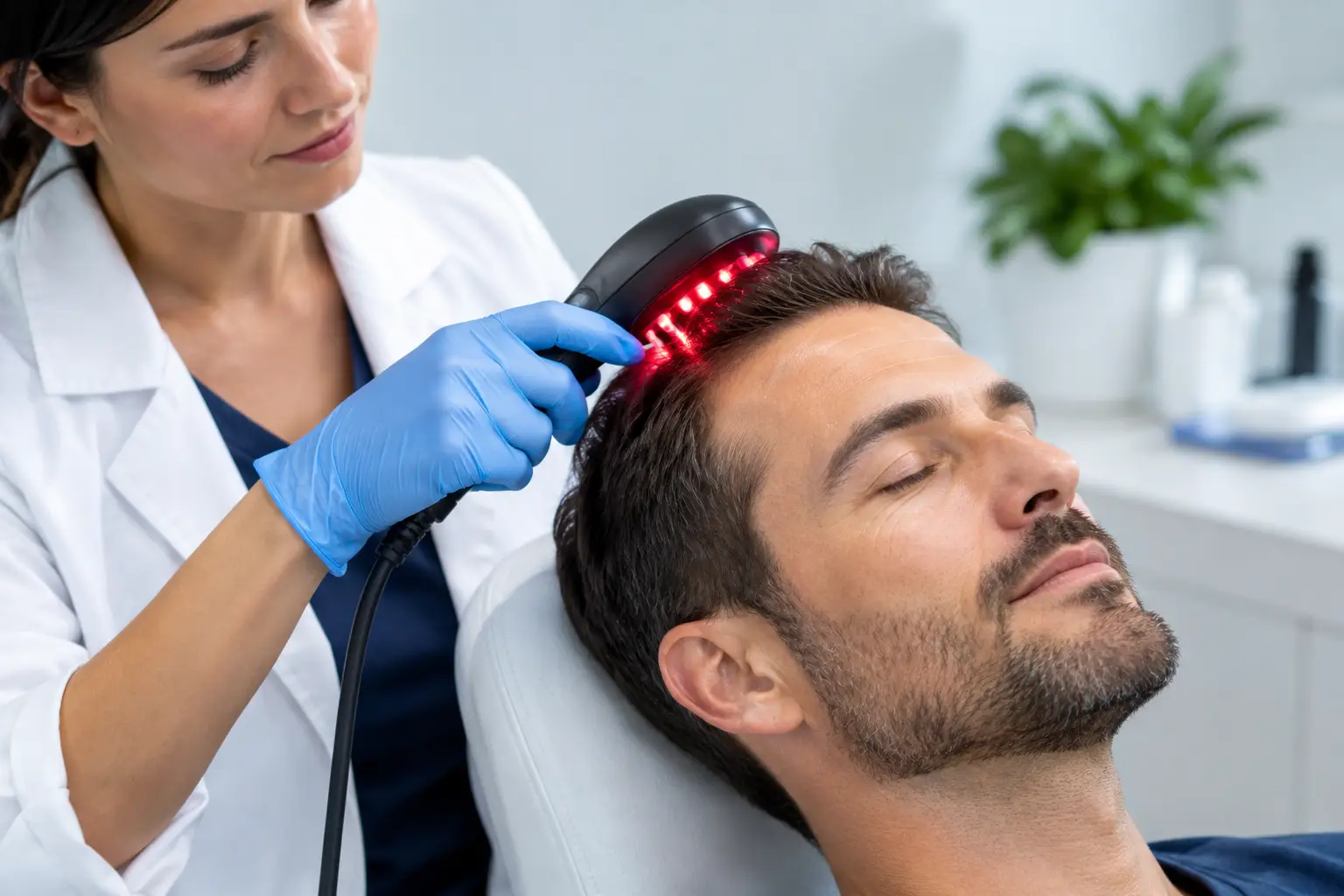
The best FUE preparation is practical, but it is also strategic. Transplanted hair is designed to be permanent, yet your non-transplanted hair can continue to thin if the underlying cause of loss is not addressed. For many patients, the strongest plan combines transplantation with medical therapies, low-level laser therapy, regenerative options, or diagnostic testing when appropriate.
At Austin Hair Clinic, personalized planning begins with a careful scalp analysis and physician-led assessment of what your hair can realistically achieve. The goal is not simply to complete a procedure. It is to create a natural-looking result that fits your features, protects your donor supply, and supports the confidence you want to feel when you look in the mirror.
Give yourself the advantage of time: ask questions early, follow your individualized instructions, and treat recovery as part of the investment. Thoughtful preparation turns procedure day from a source of uncertainty into the first step toward a fuller, more confident future.