Do Beard Transplants Look Natural? What to Expect
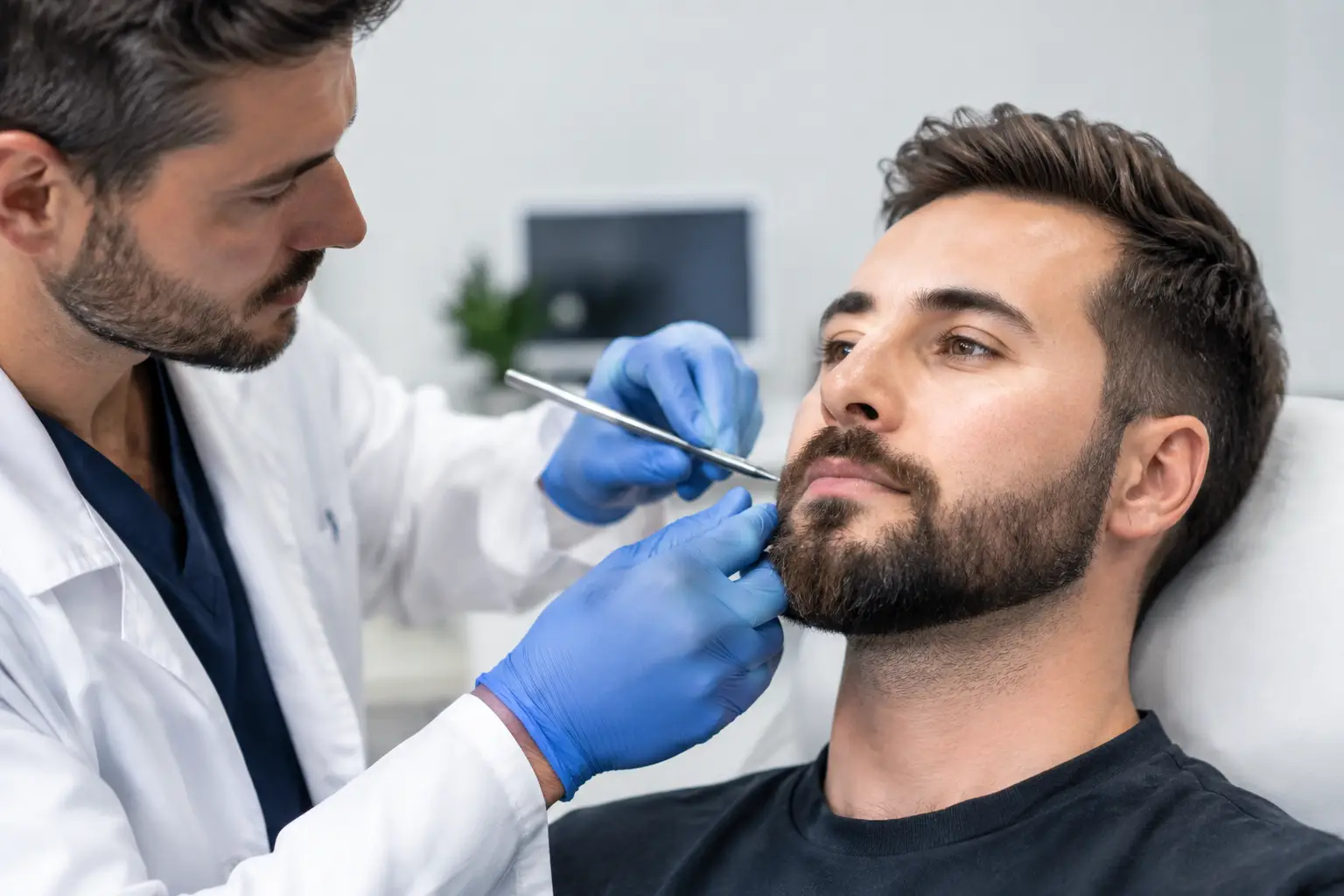
A beard transplant should not look like a transplant. It should look like facial hair that has always belonged on your face: irregular enough to be believable, dense enough to be satisfying, and designed around your natural growth pattern. So, do beard transplants look natural? They can, but the result depends heavily on the physician’s artistry, the quality of the donor hair, precise graft placement, and patience during the growth process.
For men who have patchy facial hair, scars in the beard area, or naturally limited beard growth, a well-planned FUE beard transplant can create a meaningful and confidence-restoring change. The key is not simply adding more hair. It is building a beard that suits your jawline, skin tone, age, and personal style.
What Makes a Beard Transplant Look Natural?
Natural-looking beard restoration begins with the plan, not the procedure itself. Facial hair is different from scalp hair because it grows at unique angles and changes direction across the cheeks, jawline, mustache, and chin. A graft placed only slightly too upright can stand out. A graft placed at the correct shallow angle is far more likely to blend into the surrounding beard.
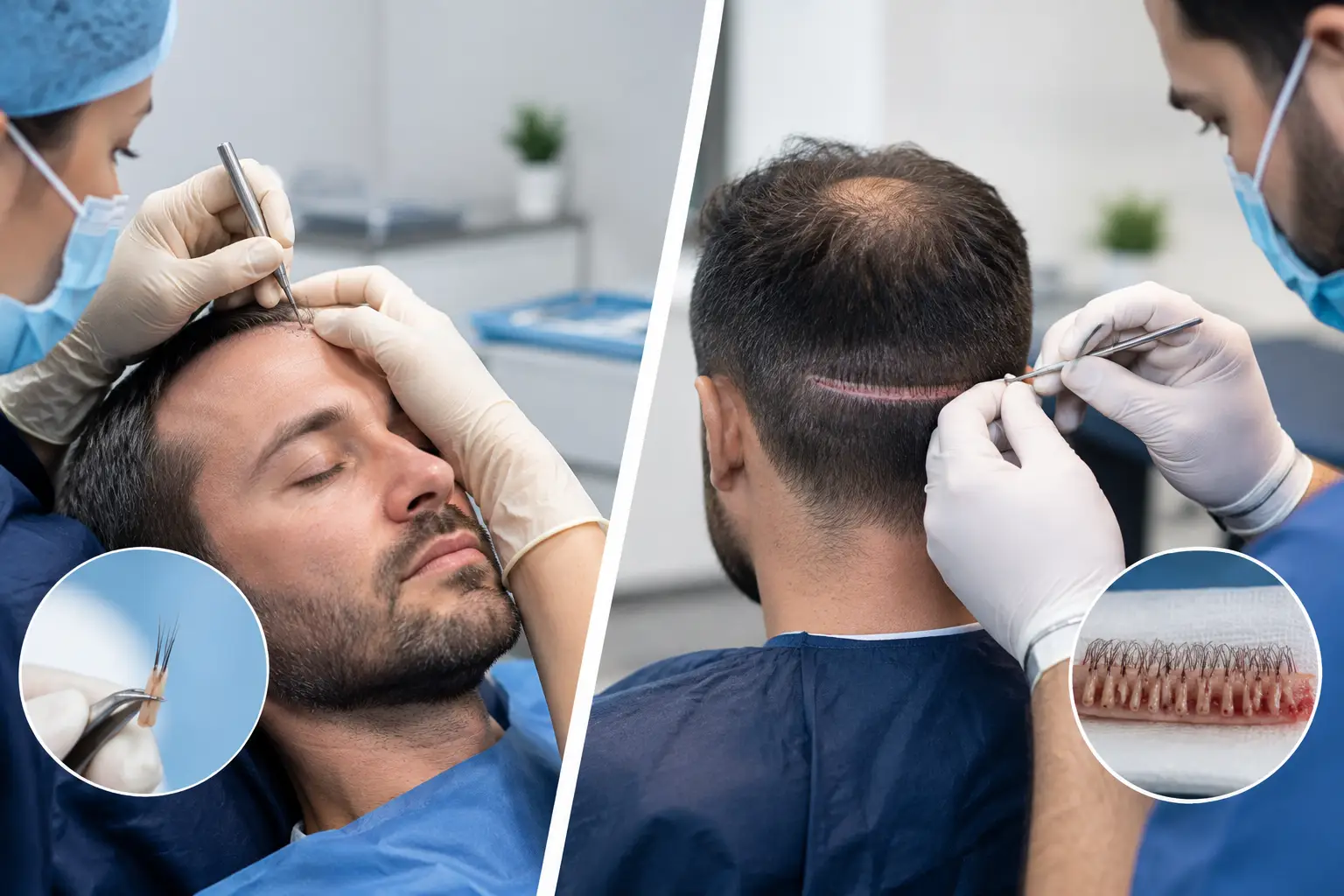
During an FUE beard transplant, individual follicular units are removed from a donor area, most often the back or sides of the scalp, and placed into carefully prepared recipient sites on the face. The physician considers the direction, angle, spacing, and distribution of every graft. These details are what separate a beard that appears naturally established from one that looks overly uniform.
A convincing result also requires restraint. Natural beards are not perfectly symmetrical or equally dense from one side to the other. A skilled design may preserve subtle variation while still improving coverage and definition. The goal is an enhanced version of your facial hair, not a painted-on beard line.
Hair Characteristics Matter
Donor hair needs to be compatible with the existing facial hair. Scalp hair can often adapt well when transplanted into the beard area, particularly when the texture and caliber are similar. However, donor hair that is much finer, curlier, straighter, or lighter than the native beard may require a more thoughtful placement strategy.
Coarser grafts are generally reserved for areas where stronger density is desired, such as the goatee or jawline. Finer single-hair grafts can help soften cheek borders and transition points. Matching graft selection to each zone creates a more realistic visual flow.
Design Should Fit Your Face, Not a Trend
A sharp, heavily sculpted beard may look excellent on one person and unnatural on another. The best beard transplant designs take facial proportions into account. A broader jaw may support more fullness along the lower beard, while a narrower face may benefit from a softer, less bulky design.
Your consultation should include a conversation about your preferred grooming habits. Some patients want to fill scattered patches while keeping their current beard shape. Others want a stronger mustache, a defined goatee, fuller sideburns, or coverage over an old scar. These are different treatment goals, and they require different graft distribution plans.
Do Beard Transplants Look Natural After They Heal?
The early healing stage does not represent the final result. Immediately after a beard transplant, small crusts and redness are normal around the implanted grafts. This can make the treated area look more noticeable for the first week or two. As the area heals, the transplanted hairs typically shed. This is an expected part of the process, not a sign that the transplant failed.
New growth commonly begins around three to four months after treatment. At first, the hairs may grow in fine or unevenly. Density and texture improve gradually as the follicles mature. Most patients see a more complete result between nine and 12 months, though individual timelines vary.
Once the transplanted beard hairs have grown in and matured, they can be trimmed, shaved, and styled like other facial hair. Because the follicles are transplanted from the scalp, the hair may initially grow faster or longer than native beard hair. Regular grooming helps maintain the look you want.
Why Graft Angle Is the Detail Patients Rarely Think About
One of the most important factors in a natural-looking beard transplant is graft angle. Beard hair does not grow straight out from the skin. It generally emerges at a very acute angle and lies close to the face, particularly along the cheeks and jawline.
If grafts are placed at the wrong angle, the hair can project outward rather than resting naturally against the skin. This can make even good coverage look less refined. Direction matters just as much. Cheek hair may angle down and back, while chin and mustache hair follow their own distinct patterns.
This is why facial hair transplantation is not simply scalp FUE performed in a different location. It requires detailed knowledge of facial hair anatomy and careful, hands-on execution. At Austin Hair Clinic, beard restoration planning focuses on both density and the small placement decisions that make the finished result look believable from conversational distance and close up.
How Much Density Is Enough?
More grafts do not automatically produce a better beard. Overpacking can create an unnaturally dense look, particularly if the surrounding native beard is sparse. It can also be less appropriate for patients with limited donor supply who may want to preserve grafts for future scalp hair restoration.
A natural result often comes from strategic density. The physician may prioritize high-visibility areas, such as patchy cheeks, the connection between the mustache and beard, or gaps along the jaw. Restoring these transition areas can make the entire beard appear fuller without requiring maximum density everywhere.
The right number of grafts depends on the treatment area, your existing facial hair, donor availability, and desired style. Minor patch filling may require a relatively modest session. Creating a fuller beard across both cheeks and the jawline may require substantially more grafts or a staged approach.
Who Is a Good Candidate for a Natural Beard Transplant?
Candidates are generally adults with healthy donor hair and realistic expectations about coverage, healing, and long-term maintenance. Men seek beard transplants for many reasons: genetics, patchy growth, trauma or burn scars, prior surgery, or the desire for a more masculine or balanced facial frame.
A consultation is especially valuable if you have active skin conditions, a history of poor wound healing, unstable hair loss, or very limited donor density. These factors do not always rule out treatment, but they may change the recommended plan. A medical evaluation can also help distinguish naturally sparse facial hair from an underlying hormonal, autoimmune, or dermatologic concern.
Patients with darker skin tones or a tendency toward post-inflammatory pigment changes may need individualized aftercare guidance. Similarly, patients with curly hair can achieve excellent results, but curl pattern and graft angle require added precision.
Setting Realistic Expectations Before Treatment
The strongest results are built on clear expectations. A beard transplant can add real, growing hair, but it cannot guarantee identical density to every naturally heavy beard. Your donor supply sets practical limits, and your skin, hair characteristics, and healing response all influence the final appearance.
It is also worth considering the commitment. You will need to avoid shaving the recipient area during the initial healing period and follow post-procedure instructions closely. After growth is established, transplanted hairs require normal beard grooming. For many patients, that is a welcome trade-off for a beard they can finally shape with confidence.
Before-and-after photos can be helpful, but look beyond the dramatic change. Pay attention to the softness of the cheekline, how well the grafts blend with existing hair, and whether the design looks appropriate for the patient’s face. Those are the signs of thoughtful facial hair restoration.
A natural beard transplant is not about creating someone else’s beard. It is about creating a fuller, more balanced version of yours – one that still feels right when you look in the mirror, shave in the morning, or walk into a room with more confidence.