Female Pattern Baldness Treatment Options

A widening part can be easy to dismiss at first. You may notice more scalp under bathroom lighting, less volume in a ponytail, or a hairstyle that no longer sits the way it once did. Female pattern baldness is a common medical cause of gradual hair thinning in women, and early action can make a meaningful difference in preserving the hair you have.
Hair loss can feel deeply personal, especially when it affects how you see yourself at work, in photos, or in everyday interactions. The good news is that many women have treatment options. The right plan depends on the pattern of loss, its cause, your medical history, and how much density you hope to restore.
What Female Pattern Baldness Looks Like
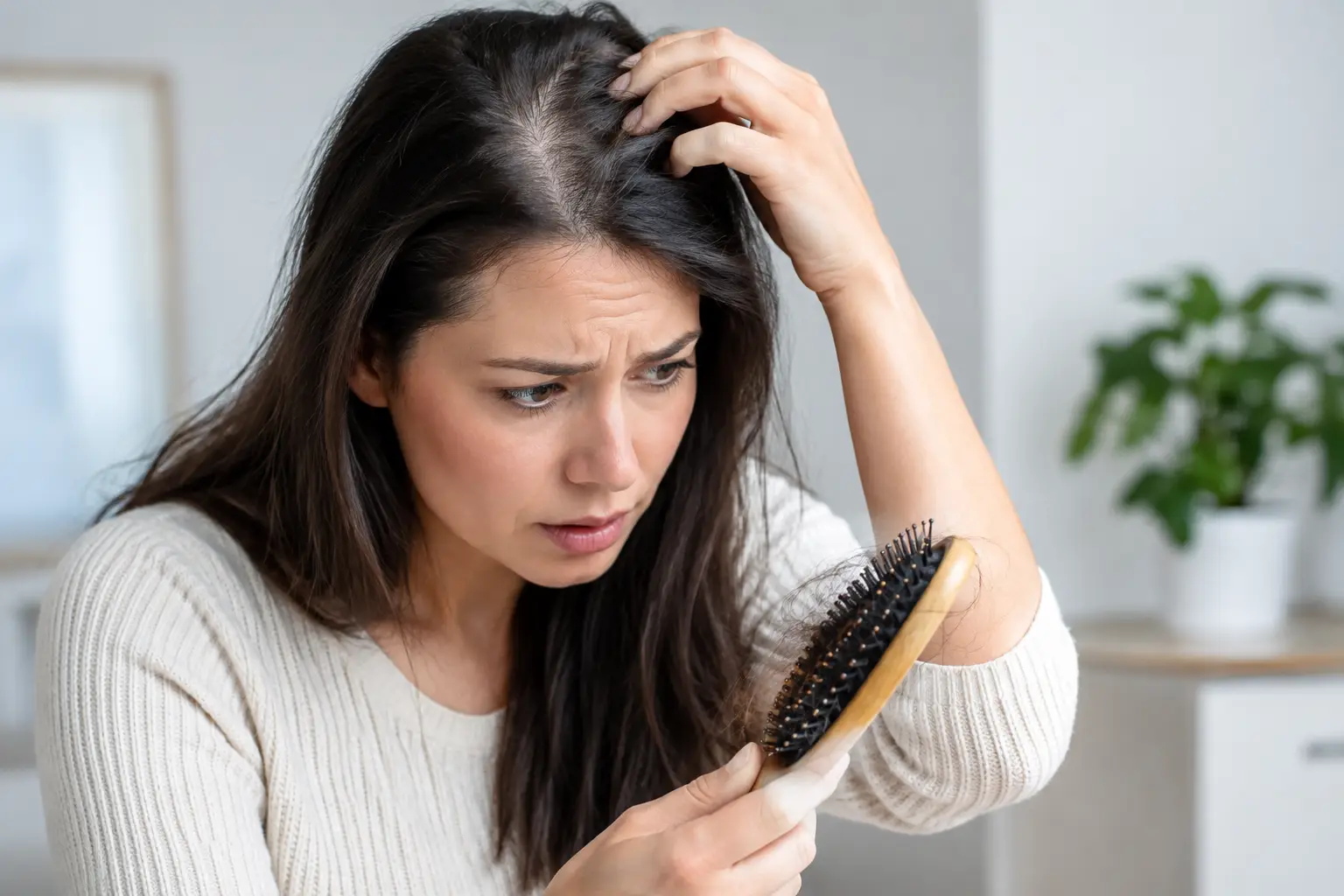
Female pattern baldness, also called female pattern hair loss or androgenetic alopecia, usually develops as diffuse thinning across the top and crown of the scalp. Unlike the classic receding hairline often associated with male pattern hair loss, women commonly retain the frontal hairline while the part gradually becomes wider.
Some women see a subtle reduction in volume over several years. Others notice accelerated shedding around menopause, after a stressful health event, or alongside hormonal changes. The individual hair shafts may also become finer over time, making the scalp more visible even when there is still a substantial number of hairs present.
This condition is progressive, but its pace varies. A personalized assessment is valuable because thinning that appears to be female pattern baldness can overlap with other issues, including nutritional deficiencies, thyroid disorders, inflammatory scalp conditions, medication effects, or temporary shedding after illness.
Why It Happens
Genetics play a central role. If close relatives experienced thinning hair, you may be more likely to develop it. Hair follicles in genetically susceptible individuals gradually shrink in response to hormonal signaling. As follicles miniaturize, the growth phase becomes shorter and the new hairs grow back finer.
Hormones can influence the timing and visibility of hair loss. Changes associated with perimenopause and menopause may make underlying genetic thinning more apparent. Polycystic ovary syndrome, or PCOS, can also be associated with hair thinning in some women, particularly when other signs of androgen excess are present.
That does not mean every woman with thinning hair has a hormonal disorder. Stress, rapid weight loss, low iron stores, restrictive diets, childbirth, surgery, and certain medications can all trigger increased shedding. These triggers may uncover a pattern that was already developing or create a separate, temporary condition called telogen effluvium.
When Hair Loss Needs Prompt Evaluation
A gradual widening part is different from sudden clumps of hair falling out or sharply defined bald patches. It is wise to seek medical evaluation promptly if you have rapid shedding, scalp pain, burning, scaling, itching, patchy loss, eyebrow loss, or new menstrual irregularities. These signs can point to causes that need specific treatment rather than a one-size-fits-all approach.
Getting an Accurate Diagnosis
Effective treatment begins with identifying what is happening at the scalp. A medical hair restoration consultation should include a review of your health history, family history, medications, recent life events, and hair-care practices. Close examination of the scalp and hair shafts can help distinguish follicle miniaturization from active shedding or scarring hair loss.
Depending on your symptoms and history, blood work may be appropriate to evaluate factors such as iron status, thyroid function, vitamin levels, or hormones. Advanced diagnostic tools may also help guide a more individualized plan when genetic sensitivity or medication response is a concern.
Photos and scalp imaging are useful because hair changes gradually. Establishing a baseline makes it easier to judge whether a treatment is stabilizing loss, improving density, or needing adjustment over time.
Female Pattern Baldness Treatment Options
Treatment is not about chasing a single miracle solution. It is about selecting evidence-based options that fit your diagnosis, health profile, goals, and comfort level. Many patients benefit most from a combination approach.
Topical and oral medications
Topical minoxidil is often a first-line treatment for female pattern hair loss. It works by helping follicles remain in the growth phase longer and may improve hair caliber over time. Consistency matters. Some people experience temporary increased shedding when beginning treatment as follicles shift through the growth cycle, and meaningful improvement commonly takes several months.
For appropriate candidates, a physician may discuss oral medications. Low-dose oral minoxidil is used by some hair-loss specialists, while medications that affect androgen activity may be considered for women whose medical history and reproductive plans make them suitable. These treatments are not right for everyone, particularly during pregnancy or while trying to conceive. A physician should review possible side effects, interactions, and monitoring needs before prescribing them.
Regenerative injections and low-level laser therapy
Regenerative hair loss injections may support follicle health for selected patients, particularly when paired with medical treatment. Results can vary, and they are generally better viewed as part of a longer-term strategy than as a standalone cure for advanced thinning.
Low-level laser therapy is another non-surgical option that may help support hair growth for some women. It requires regular use and patience. It can be appealing to patients who want a non-medication adjunct, but the level of response is individual.
Nutrition and supplements
Healthy hair depends on adequate nutrition, but supplements are not a replacement for diagnosing the cause of thinning. If lab testing identifies a deficiency, correcting it can be an important part of recovery. For women without deficiencies, physician-recommended supplements may support overall hair wellness, but they cannot reverse follicle miniaturization on their own.
Be cautious with products that promise dramatic regrowth in days or weeks. Hair grows slowly, and credible treatment plans set realistic expectations.
Hair transplantation for lasting density
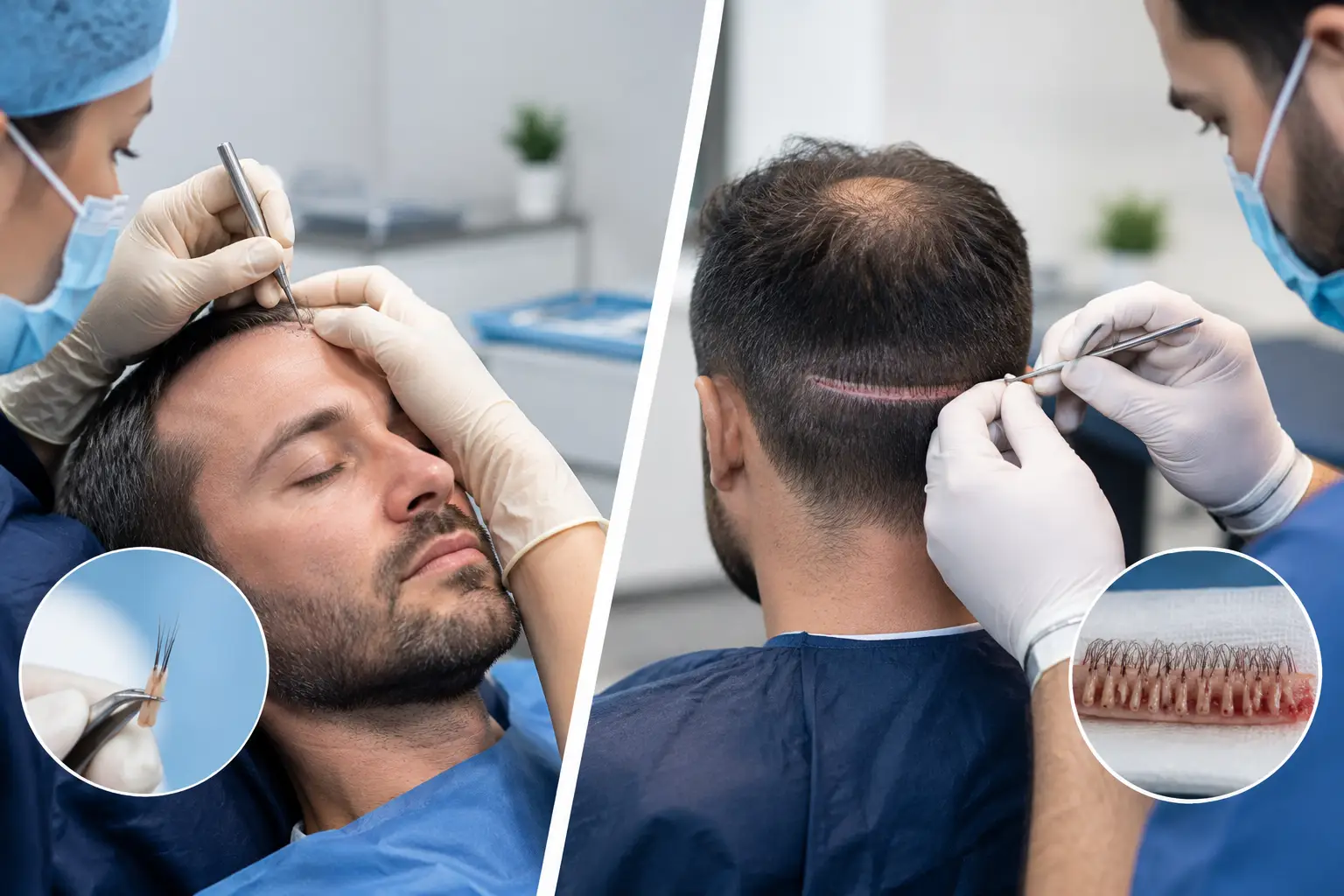
When hair loss has stabilized and there is sufficient donor hair, FUE hair transplantation can be a valuable option for restoring density in targeted areas. During FUE, individual follicular units are harvested from the donor area and carefully placed into thinning regions to create a natural-looking distribution.
For women, surgical planning requires aesthetic precision. The goal is not simply to place more grafts. It is to protect existing hair, preserve a natural hairline, and build density in a way that complements your facial features and styling preferences. Hair transplantation does not stop progressive loss in non-transplanted hair, so medical therapy is often recommended to help protect native follicles.
At Austin Hair Clinic, treatment planning is centered on the full picture: scalp health, existing density, donor availability, future hair-loss risk, and the result you want to see in the mirror.
What Results Can You Expect?
The honest answer is that it depends on the cause and stage of your hair loss. With non-surgical treatments, the first goal is often to slow or stop further thinning. Regrowth, when it occurs, tends to be gradual. Most patients need several months before they can fairly assess changes, and continued treatment is usually necessary to maintain benefits.
With hair transplantation, transplanted follicles typically shed before entering a new growth cycle. Early growth may begin in the months after the procedure, while the fuller cosmetic result continues to develop over roughly 9 to 12 months. Your physician can explain what is realistic based on your hair characteristics and available donor supply.
Questions Women Often Ask
Can female pattern baldness be reversed?
Some miniaturized follicles can produce thicker hair with early, consistent treatment. Long-standing areas with little to no active hair may be less responsive to medication alone. In those cases, transplantation may be considered if you are a suitable candidate.
Should I wait until my hair loss gets worse?
Waiting can reduce the number of follicles that can be preserved. A consultation does not commit you to surgery or medication, but it can establish a diagnosis and give you a clear baseline before thinning becomes more noticeable.
Can tight hairstyles cause pattern hair loss?
Repeated tension from tight braids, extensions, buns, or ponytails can cause traction alopecia, which is different from female pattern baldness. Both conditions can occur at the same time. Reducing tension early is especially important because prolonged traction can lead to permanent follicle damage.
Hair thinning does not have to dictate your confidence or your choices. A thoughtful evaluation can replace uncertainty with a plan that respects your health, your timeline, and the natural-looking result you want to achieve.