FUE vs FUT Surgery: Which Hair Transplant Fits?
A hair transplant is not simply a choice between two techniques. It is a decision about your donor supply, hairstyle preferences, future hair loss, recovery schedule, and the natural-looking result you want to see in the mirror. When comparing FUE vs FUT surgery, the right answer depends far more on those details than on which procedure sounds more advanced.
Both methods move healthy, permanent hair follicles from the donor area, usually the back and sides of the scalp, into thinning or balding areas. Both can produce lasting growth when performed with careful planning and medical oversight. The difference is how the follicles are collected and what that means for scarring, healing, and the number of grafts available in one session.
FUE vs FUT Surgery: The Core Difference
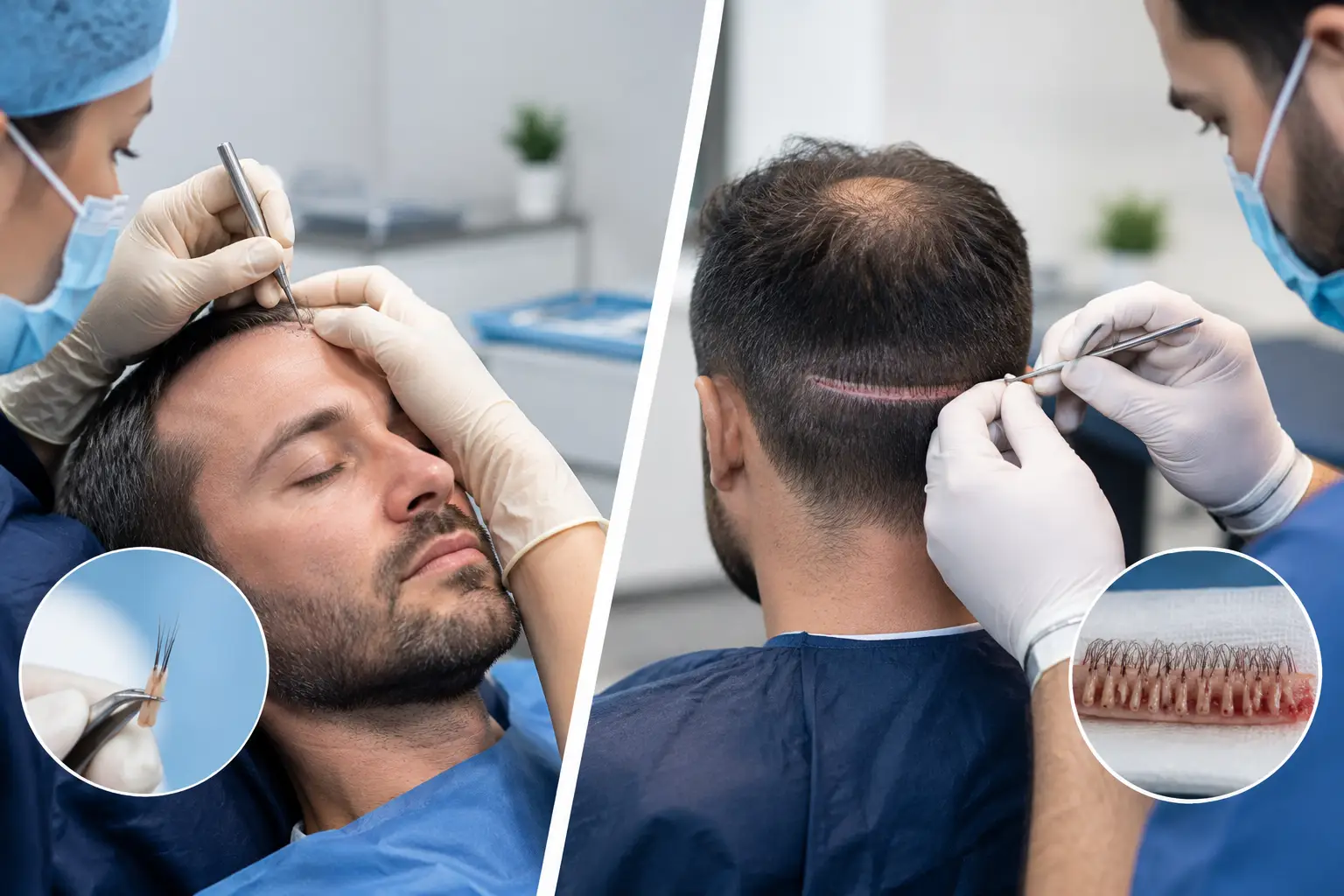
Follicular Unit Extraction, or FUE, removes individual follicular units from the donor area using a specialized punch instrument. Each unit may contain one to four hairs. The follicles are then prepared and placed into tiny recipient sites designed to follow the angle, direction, and density of your natural hair.
Follicular Unit Transplantation, or FUT, is often called the strip method. A narrow strip of donor-bearing scalp is removed from the back of the head, and the area is closed with sutures. The strip is then carefully dissected into individual follicular units for transplantation.
The transplanted follicles can be the same type in either procedure. What changes is the harvesting process. That distinction affects the donor-area scar, post-procedure care, hairstyle flexibility, and, in some cases, the number of grafts that can be obtained efficiently.
Why Many Patients Choose FUE
FUE is popular with patients who prefer not to have a linear scar in the donor area. Instead, it leaves many small, dot-like extraction sites that typically become difficult to notice once healed, particularly when surrounding hair is kept at a reasonable length. For people who wear their hair short, exercise regularly, or want a less invasive-feeling approach, that can be a meaningful advantage.
Recovery after FUE is often more comfortable in the donor area because there is no incision line under tension. Most patients return to non-strenuous work relatively quickly, although redness, scabbing, and temporary swelling can occur. Exercise, sun exposure, swimming, and headwear still need to be managed carefully during early healing.
FUE also works well for many different goals, including restoring a receding hairline, adding density through the frontal scalp or crown, and transplanting hair to the beard or eyebrows. At Austin Hair Clinic, FUE may be performed manually or with ARTAS robotic technology when it is appropriate for the patient’s hair characteristics and treatment plan.
That said, FUE is not scar-free and it is not automatically the best choice for every patient. Removing too many follicles from one donor area can create visible thinning. Experienced extraction patterns and conservative donor management are essential, especially for younger patients who may need treatment again in the future.
When FUT May Be the Better Option
FUT remains a valuable hair restoration technique. It may be recommended for patients who need a high number of grafts in a single session, have a tight donor area, or are comfortable wearing their hair long enough to conceal a thin linear scar.
Because FUT removes tissue from a defined section of donor scalp, it can preserve the surrounding donor hair in a way that may be useful for some patients with advanced hair loss. In the right candidate, this can allow efficient harvesting and potentially maximize graft yield.
The trade-off is the linear scar. While a skilled closure can help the scar heal discreetly, its visibility varies from person to person. Hair length, scalp laxity, healing tendencies, and the amount of tension on the closure all matter. A linear scar may be noticeable if the hair is cut very short.
FUT recovery also involves incision care and suture removal or follow-up for closure management. Some patients experience tightness or discomfort in the donor area during the first part of recovery. These concerns are usually temporary, but they deserve an honest conversation before choosing the procedure.
Comparing FUE and FUT Results
When patients ask which method produces better results, the most accurate answer is that both can create natural, permanent-looking growth. A well-designed hairline and carefully placed grafts matter more than the label attached to the harvesting technique.
A successful transplant should account for facial proportions, the pattern of loss, existing hair density, curl and caliber of the hair, and the likelihood of continued thinning. A low, dense hairline may look appealing in the short term, but it can appear unnatural later if hair loss progresses behind it. Conservative design protects your options and keeps the result age-appropriate.
FUE may be especially appealing if you value shorter hairstyles and a less noticeable donor scar. FUT may be attractive if maximizing graft numbers is the central priority and you do not plan to cut the donor area very short. Neither choice should be made based on price alone or on before-and-after photos that do not show the patient’s starting pattern of hair loss.
Cost varies with the number of grafts needed, the complexity of the treatment area, the technology used, and whether additional therapies are recommended. A lower upfront quote does not necessarily reflect the quality of donor preservation, graft handling, or long-term planning. Your donor hair is limited, so it should be treated as a resource rather than a commodity.
Who Is a Candidate for Each Procedure?
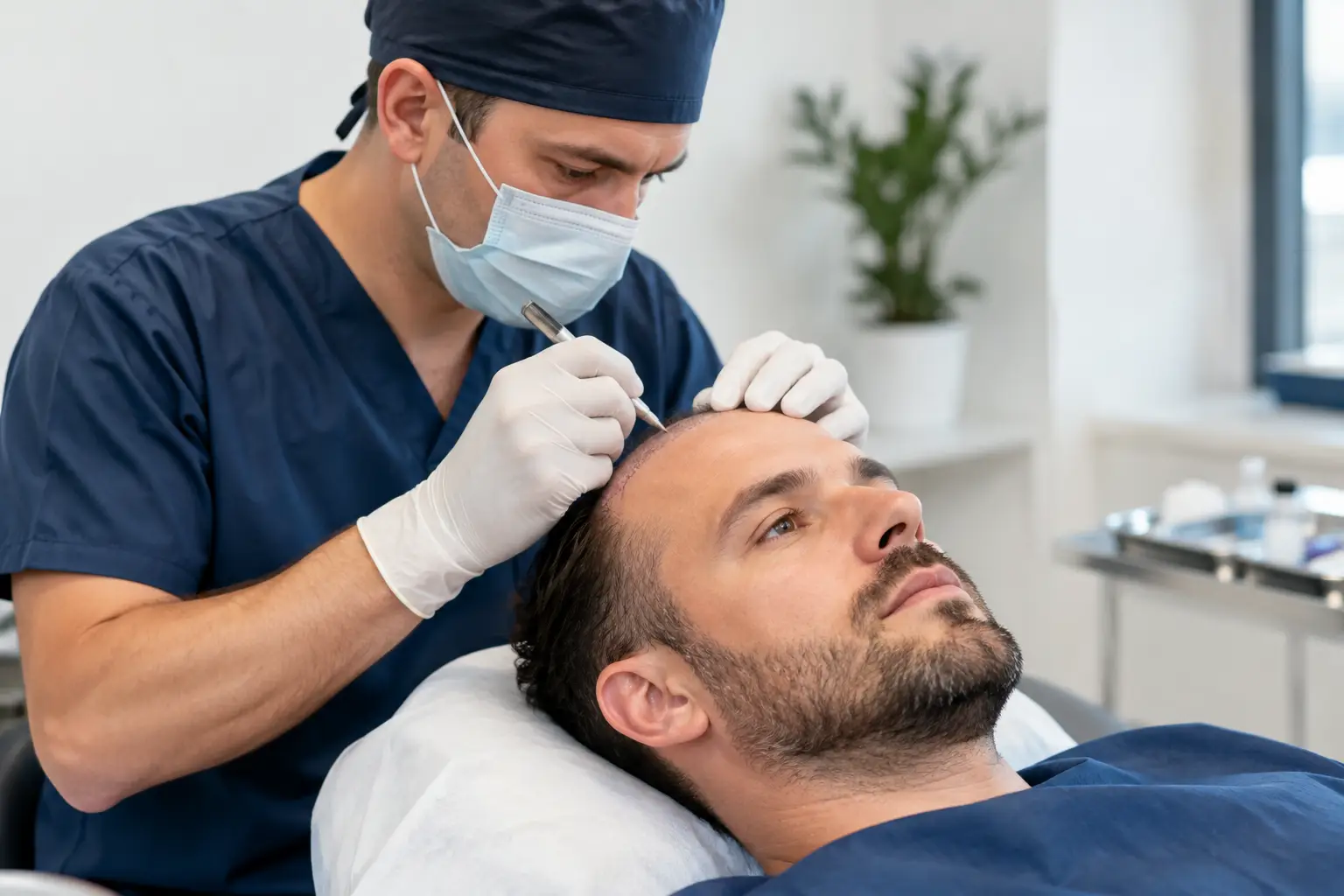
The strongest candidates for hair transplantation have stable enough donor density, realistic expectations, and a pattern of hair loss that can be addressed without overharvesting. Men and women can both be candidates, but the evaluation is different for each person.
For FUE, a physician will examine donor density, scalp health, hair shaft characteristics, and the contrast between your hair and scalp. Very curly or coarse hair can create visual coverage with fewer grafts, while fine hair or high skin-to-hair contrast may require a more strategic approach to density.
For FUT, scalp laxity is particularly important because the donor area must be closed after the strip is removed. Patients with certain scarring conditions, very tight scalps, or a strong preference for buzzed hairstyles may be better suited to FUE or a nonsurgical plan.
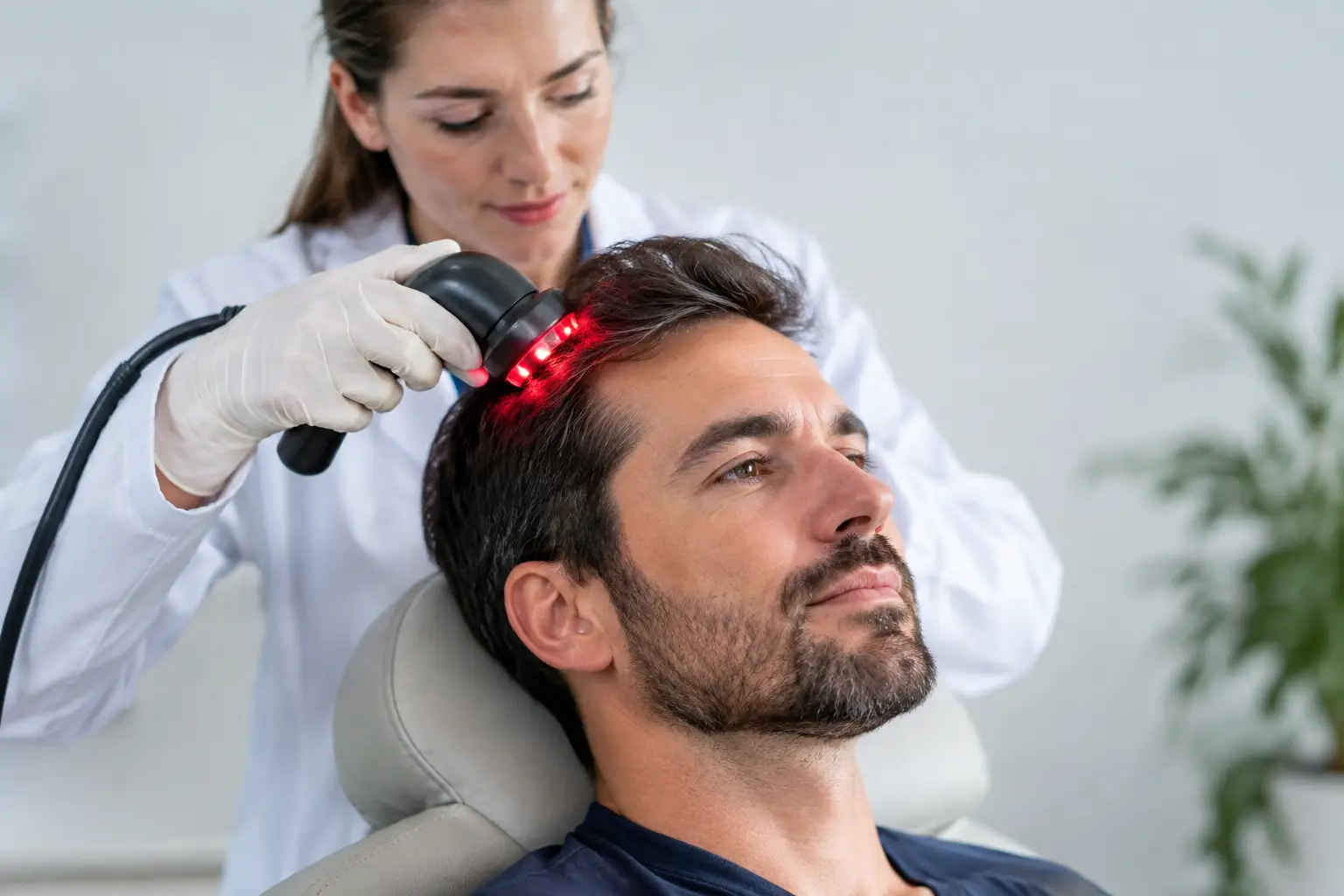
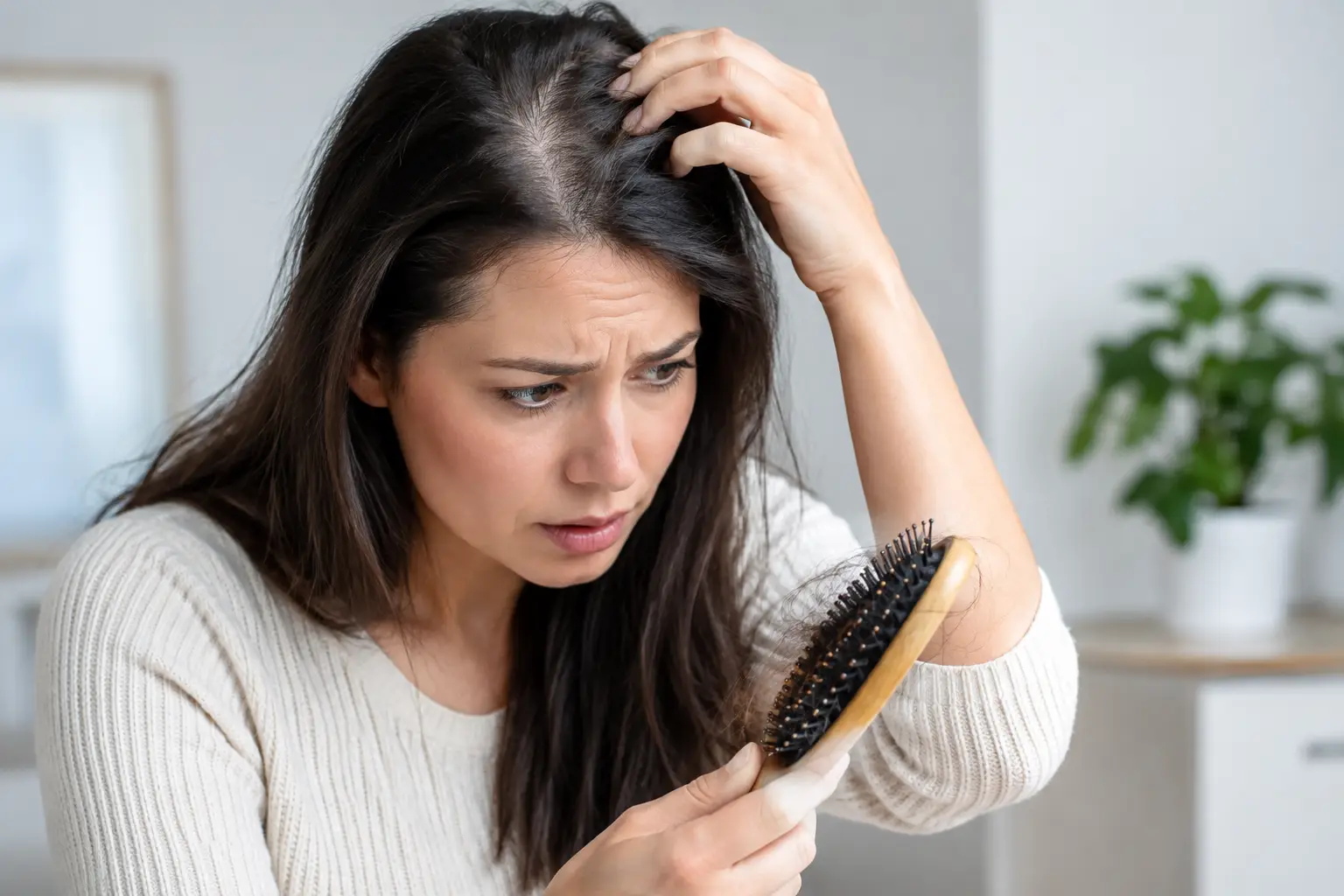
Active shedding, diffuse thinning, hormonal changes, nutritional issues, and certain medical conditions should be evaluated before surgery. Some patients benefit from medication, low-level laser therapy, regenerative hair loss injections, or diagnostic testing before moving forward with transplantation. Stabilizing ongoing loss can improve the appearance and longevity of surgical results.
Recovery and Growth Timeline
Whether you choose FUE or FUT, transplanted hairs commonly shed within the first few weeks. This can be surprising, but it is a normal part of the cycle. The follicles remain beneath the skin and gradually begin producing new hair.
Early growth often begins around three to four months, with more visible change between six and nine months. Many patients see their most mature result at 12 months, while crown areas can take longer. Density improves gradually, not overnight, which is why patience is part of every successful hair restoration plan.
Following aftercare instructions protects the grafts during their most vulnerable period. Gentle washing, avoiding strenuous activity as directed, sleeping with the head elevated if recommended, and attending follow-up visits can support proper healing. Your care team should also tell you exactly when to resume exercise, haircuts, styling products, and sun exposure.
Making a Confident Decision
The best FUE vs FUT surgery decision begins with a detailed scalp and donor-area assessment, not a one-size-fits-all recommendation. Bring questions about your long-term hair loss, whether you may need future procedures, how short you like to wear your hair, and what level of density is realistically achievable.
A thoughtful medical plan should be clear about both the opportunity and the limitation: surgery can restore strategically placed hair and create a stronger frame for your face, but it does not stop genetic hair loss in untreated areas. Combining a transplant with personalized maintenance can help protect the investment you make in your appearance and confidence.
The goal is not simply to choose FUE or FUT. It is to choose a plan that respects your donor hair, fits your lifestyle, and helps you move forward with a result that feels naturally your own.