Can Women Get FUE Transplants?

Hair loss in women often shows up differently than people expect. It is not always a receding hairline or a single bald spot. More often, it is widening parts, thinning at the temples, reduced density through the crown, or eyebrows that never grew back after years of overplucking. That is why a common question in consultation is simple and direct: can women get FUE transplants? In many cases, yes – but the right answer depends on the pattern of hair loss, donor quality, and whether a transplant is the best option for long-term results.
Can women get FUE transplants for thinning hair?
Women can absolutely be candidates for FUE hair transplants, but candidacy is more selective than it is for many men. FUE, or Follicular Unit Extraction, works by harvesting individual hair follicles from a donor area, usually the back or sides of the scalp, and placing them where density is needed. When performed well, it can create soft, natural-looking results with minimal visible scarring.
The challenge is that female hair loss often behaves differently from male pattern baldness. Many women do not lose hair in one isolated area while keeping a strong permanent donor zone. Instead, they may experience diffuse thinning across the scalp, including the area where donor grafts would normally be taken. If the donor hair is also weak or miniaturizing, transplanting it may not produce a reliable result.
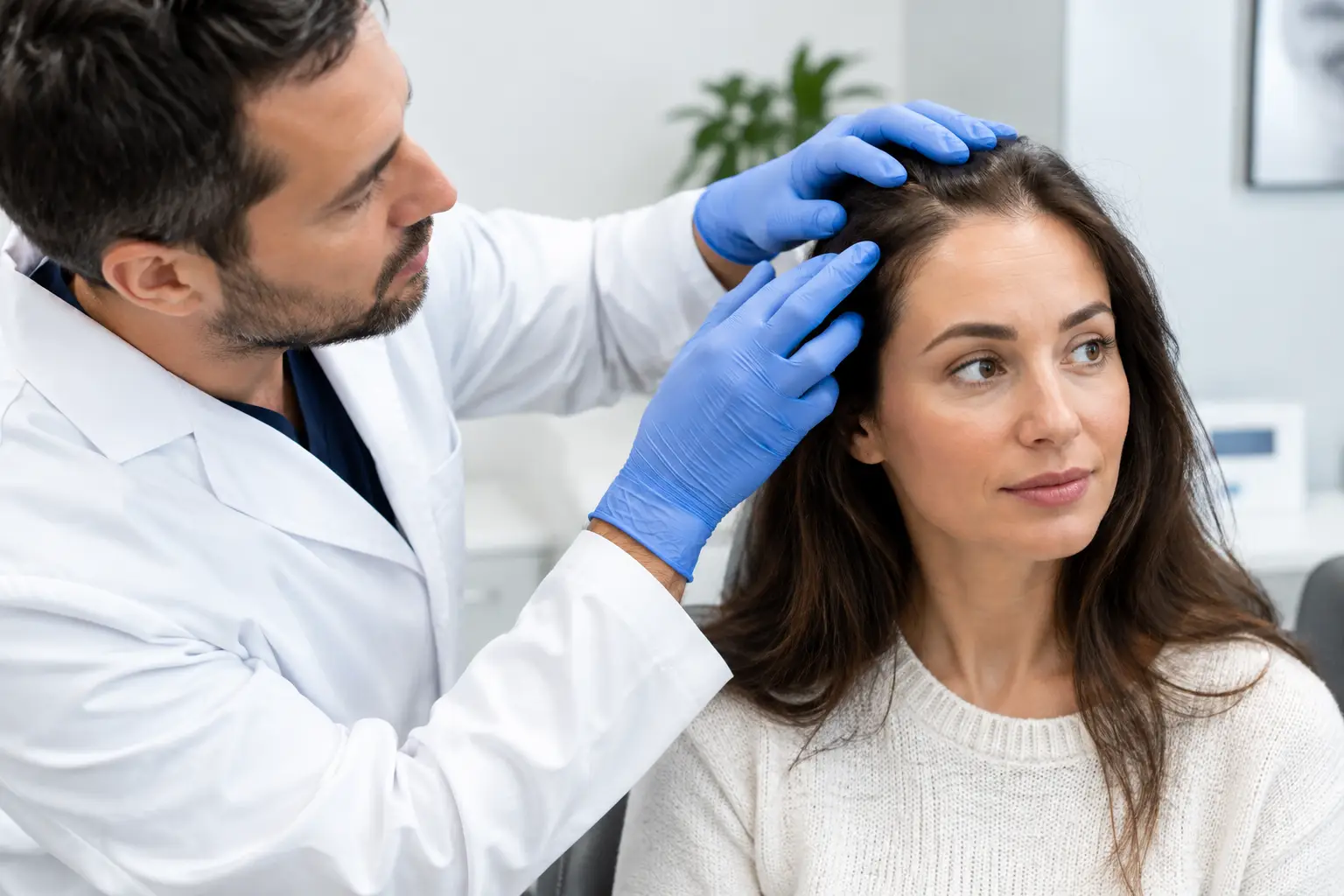
That is why women need a careful medical evaluation before moving forward. A scalp analysis, a review of family history, and close examination of donor density all matter. In some cases, FUE is an excellent solution. In others, non-surgical treatment should come first, or a transplant may not be advised at all.
When FUE works well for women
Female patients usually do best with FUE when the thinning is localized rather than widespread. A strong candidate might have a stable area of hair loss from traction, scarring, genetics, surgery, or cosmetic overplucking. Women seeking eyebrow restoration are also often good candidates because the treatment area is small and the goals are highly defined.
Hairline lowering can also be appropriate in select patients. Some women have naturally high foreheads or temple recession that has remained stable over time. If donor density is healthy and expectations are realistic, FUE can soften the hairline in a very natural way.
Another group includes women with traction alopecia from tight hairstyles, extensions, or chronic tension around the hairline. If the damage has stabilized and the follicles are no longer recovering on their own, transplantation can restore areas that have become permanently thin.
The best outcomes usually happen when three things line up: the cause of loss is understood, the donor area is strong, and the patient has a clear idea of what a transplant can realistically achieve.
When a woman may not be the right candidate
This is where nuance matters. Not every thinning pattern should be treated with surgery.
Women with diffuse unpatterned alopecia often are not ideal candidates for FUE because there may not be a dependable donor zone. If hair is miniaturizing all over the scalp, moving follicles from one place to another does not solve the underlying problem. It can actually reduce density in the donor area without creating lasting improvement where grafts are placed.
Active shedding should also be taken seriously. Conditions such as telogen effluvium, thyroid imbalance, anemia, hormonal shifts, nutritional deficiency, or inflammatory scalp disorders can cause significant hair loss that may improve once the root issue is addressed. In those cases, surgery is usually not the first step.
There is also the question of progression. A woman in the early stages of thinning may benefit more from stabilizing the hair loss with medication, regenerative treatments, or low-level laser therapy before considering a transplant. The goal is not just to place hair. It is to build a treatment plan that still looks good years from now.
How female FUE differs from male hair restoration
Women often have different aesthetic priorities, and a thoughtful surgeon will plan accordingly. In men, the focus may be rebuilding a receding hairline or covering the crown. In women, the concern is more often overall density, temple fill, preserving natural part lines, or restoring brows.
The design work is also different. Female hairlines are generally softer and less angular, with subtle irregularities that keep them from looking artificial. Density placement has to be strategic because women often wear their hair parted, pulled back, or styled in ways that expose the frontal scalp. Even a technically successful transplant can look off if the angle, spacing, or direction of grafts does not match the surrounding hair.
Another difference is hair management during the procedure. Many women want to avoid shaving large sections of the scalp. Depending on the treatment area and technique used, a surgeon may be able to perform FUE with minimal trimming or in a way that conceals the donor area more easily during recovery. That said, not every case is suitable for a no-shave approach. It depends on the number of grafts needed and the quality of access to the donor area.
What the procedure and recovery are like
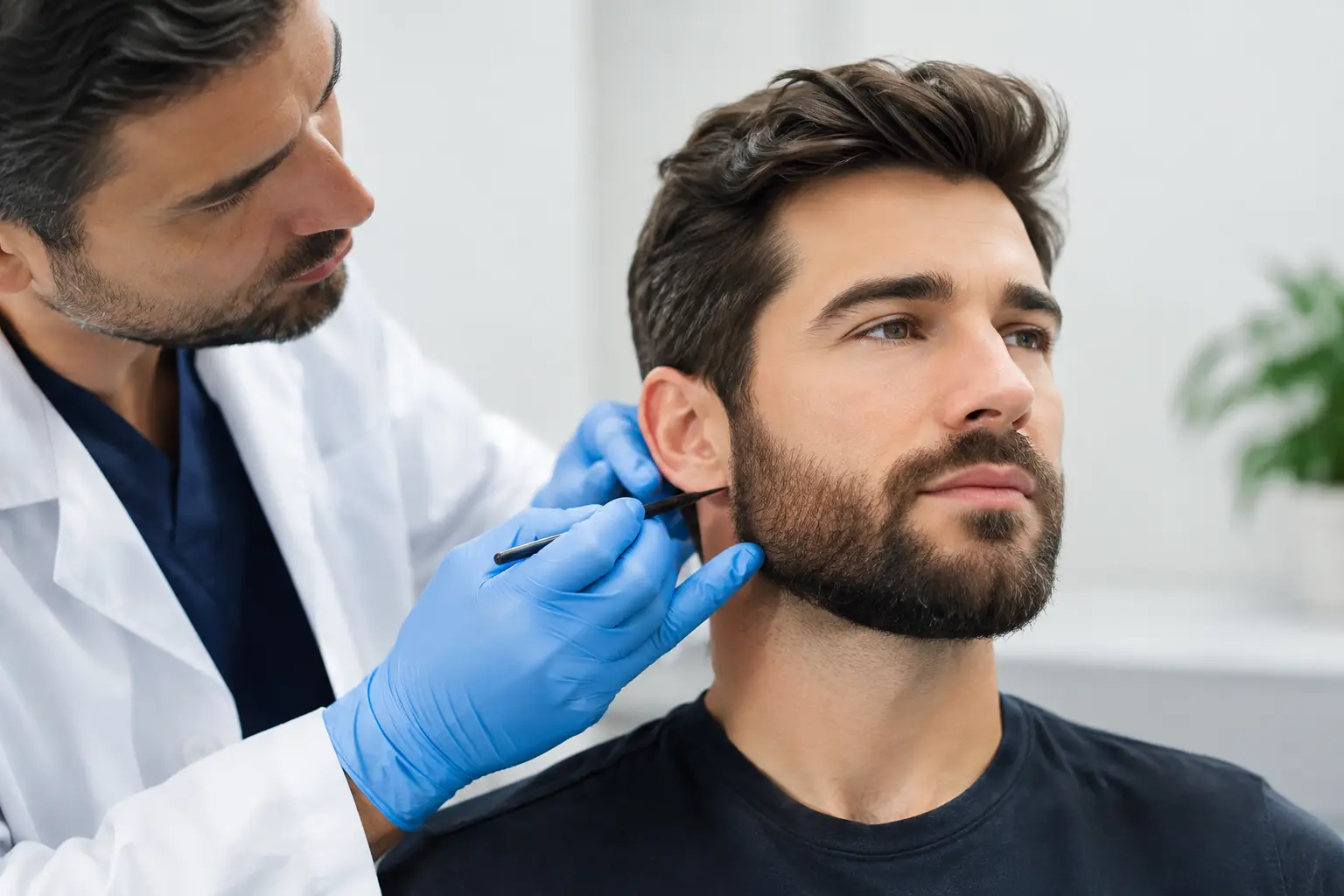
FUE is a minimally invasive outpatient procedure. Individual follicles are extracted one by one and then implanted into the recipient area with attention to angle, density, and natural growth pattern. Local anesthesia is typically used, so patients are comfortable during treatment.
After the procedure, mild redness, swelling, and small scabs in the treated area are normal for several days. Most women can return to non-strenuous work fairly quickly, although they will need to follow detailed aftercare instructions. Washing, exercise, hair coloring, and styling all have timelines that should be followed closely to protect the grafts.
The transplanted hairs usually shed within the first few weeks. That part surprises some patients, but it is expected. New growth starts gradually, often within three to four months, with more visible improvement over six to twelve months. Eyebrow transplants follow a different growth cycle and require ongoing trimming because the transplanted hairs retain characteristics of scalp hair.
Results, limitations, and what to expect
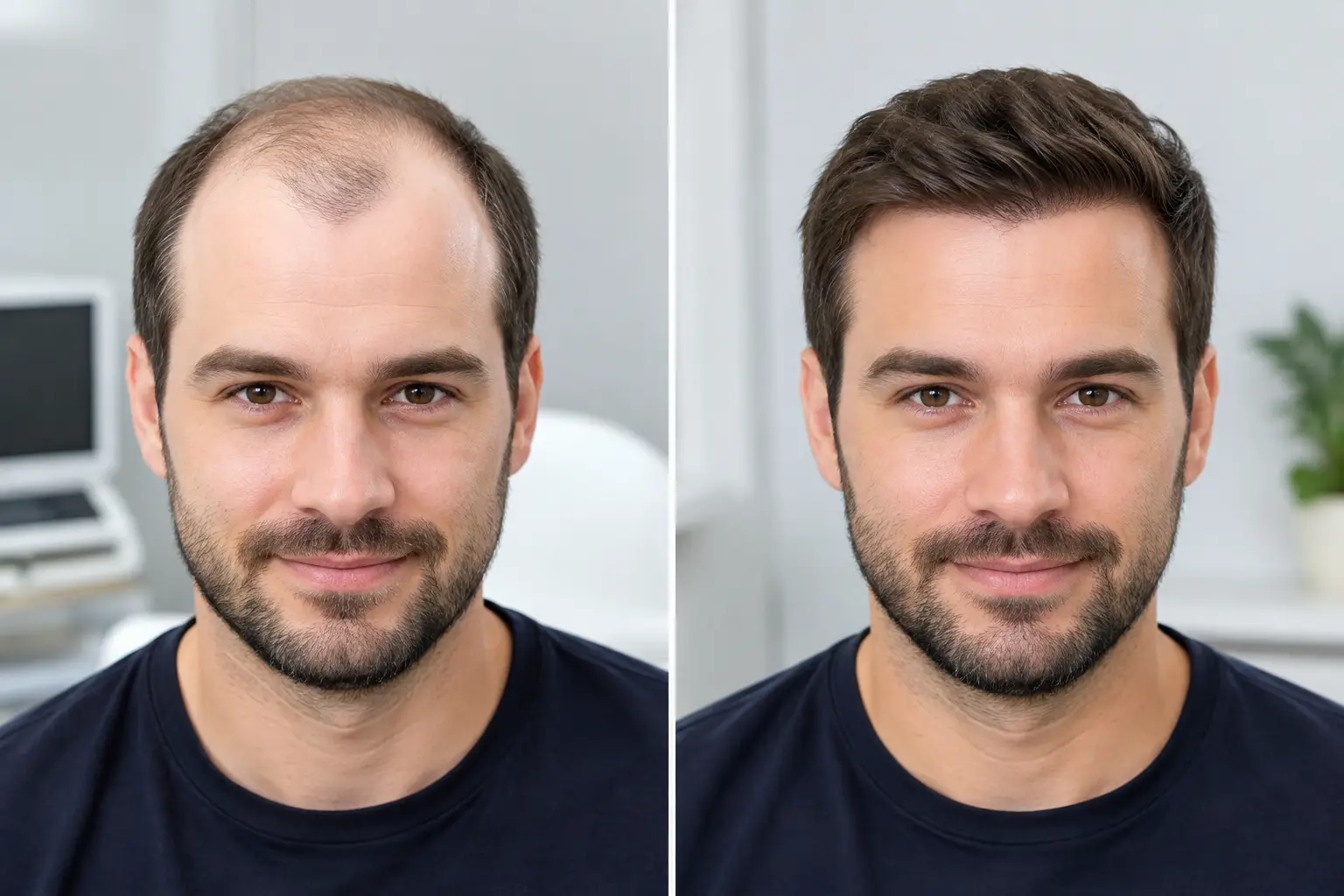
A well-planned FUE transplant can make a meaningful difference in framing the face and restoring confidence. For women with the right indications, the result can be subtle in the best way – fuller, softer, and more natural rather than obviously surgical.
Still, FUE has limits. It does not create unlimited density, and it does not stop future hair loss. If native hair continues to thin around transplanted grafts, the overall appearance can change over time. That is why long-term planning matters so much in female hair restoration.
Sometimes the smartest approach is combination treatment. A patient may have FUE to restore a hairline or fill a sparse area while also using medical therapies to support existing hair. That kind of integrated plan often produces the most balanced and sustainable outcome.
How to know if you should pursue FUE
If you are asking can women get FUE transplants, the better question may be whether your specific hair loss pattern is transplantable. The answer should come from a specialist who looks beyond the obvious thin area and evaluates the whole picture – donor stability, scalp health, progression, family history, and your cosmetic goals.
The right consultation should feel educational, not rushed. You should leave knowing whether you are a strong candidate, a borderline candidate, or better served by non-surgical treatment first. You should also hear honest discussion about graft estimates, expected density, recovery, cost, and what kind of result is realistic for your hair type and pattern.
At a specialized practice such as Austin Hair Clinic, that evaluation is what protects patients from making the wrong choice too early. Not every woman who wants more hair needs surgery, but the right woman with the right plan can see excellent results from FUE.
Hair loss can feel personal in a way few cosmetic concerns do. If you are noticing thinning, a widening part, or a hairline that no longer feels like yours, the most helpful next step is not guessing from photos online. It is getting a clear diagnosis and a treatment plan built around your hair, your goals, and your future.