Laser Therapy for Hair Loss: Does It Work?
A widening part, more scalp showing under office lights, or a hairline that seems to move back every year can make hair loss feel impossible to ignore. Laser therapy is one non-surgical option that may help eligible patients support thicker-looking, healthier hair without surgery or downtime. It is not a replacement for every hair restoration treatment, but for the right person, it can be a valuable part of a personalized plan.
Laser Therapy for Hair Loss: What It Can Do
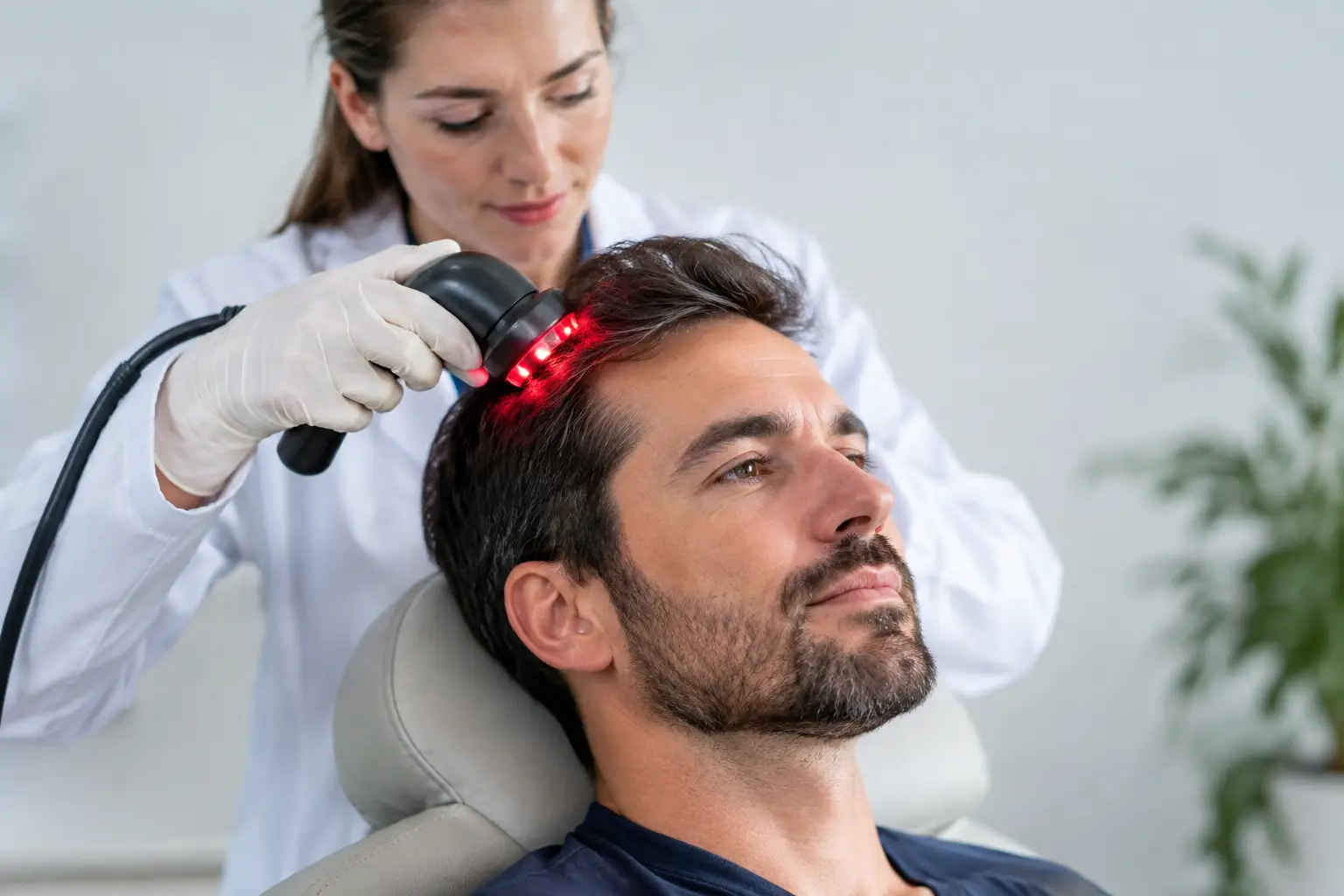
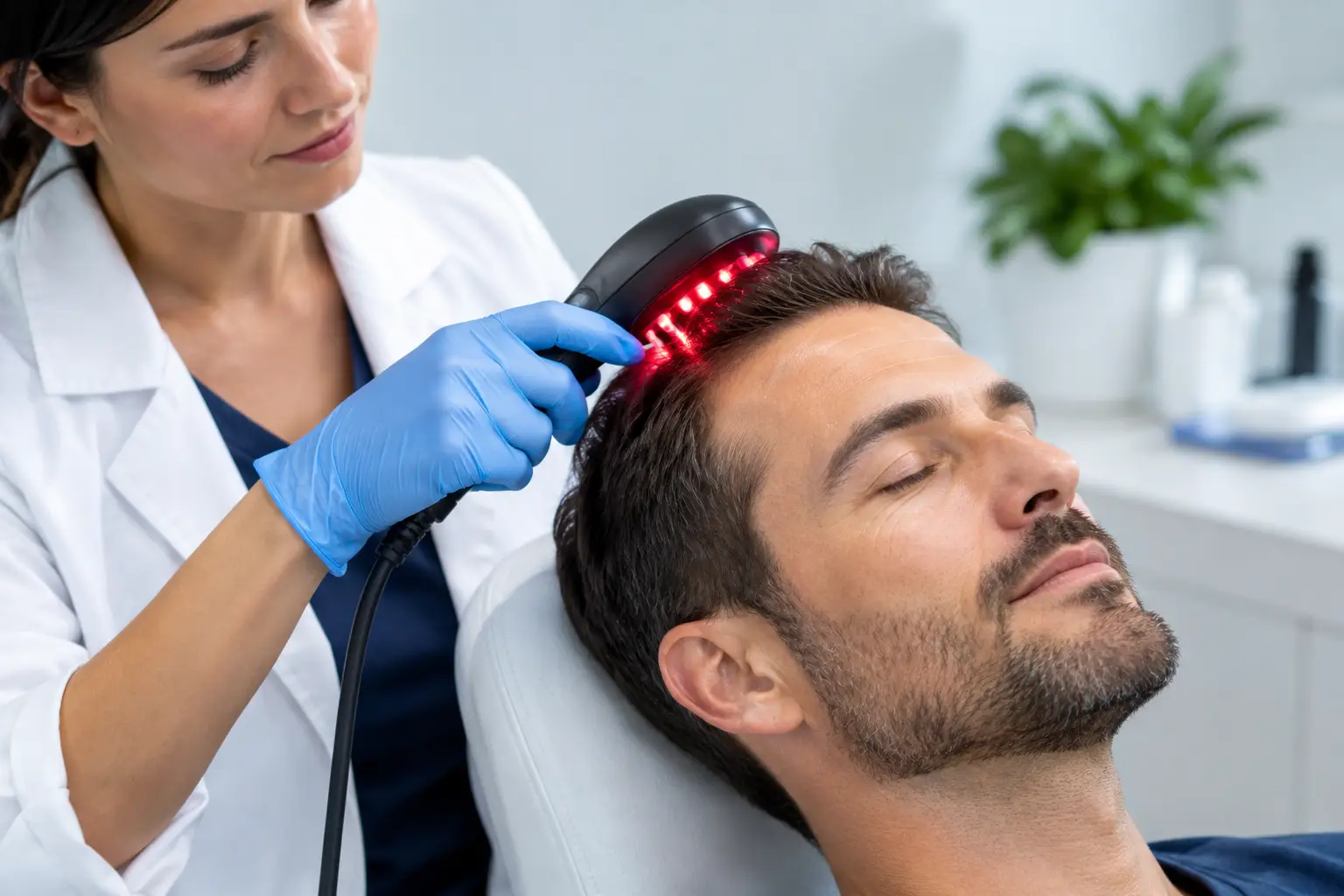
Low-level laser therapy, also called LLLT or red light therapy, uses specific wavelengths of low-energy light to stimulate cellular activity in the scalp. The goal is not to create new follicles where none exist. Instead, treatment is designed to support follicles that are still present but have become weaker, smaller, or less productive over time.
Hair follicles require energy and circulation to remain in the active growth phase. Low-level light may encourage cellular energy production and improve the environment around existing follicles. For patients with early-to-moderate thinning, this can help slow further shedding and improve hair caliber, density, and overall appearance over time.
Many laser devices have FDA clearance for treating hereditary hair loss in appropriate candidates. That clearance does not mean every patient will see the same outcome. Hair loss has many causes, and realistic expectations matter. Laser treatment tends to work best when follicles are still viable and hair loss is addressed before an area becomes completely bare.
Who Is a Good Candidate for Laser Therapy?
Laser treatment is often considered by men and women with androgenetic alopecia, the most common form of pattern hair loss. Men may notice recession at the temples or thinning at the crown, while women often see diffuse thinning through the part line and top of the scalp.
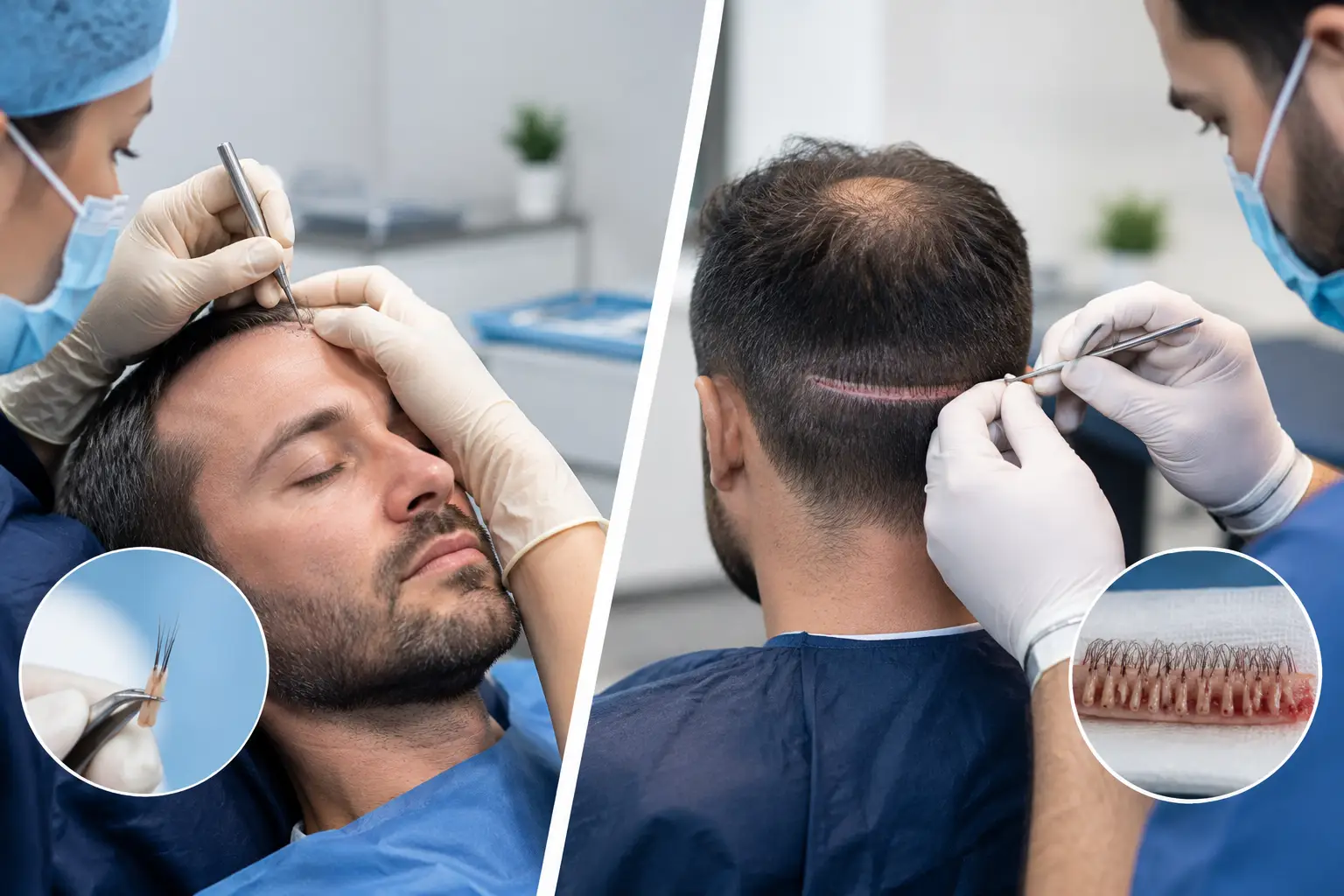
It can be especially appealing for patients who want a non-invasive option, are not ready for a transplant, or want to strengthen native hair around a previous or future FUE procedure. It may also be appropriate for people who cannot tolerate certain medications or prefer a treatment plan that does not rely on daily prescriptions alone.
However, laser therapy is not the right first answer for every type of shedding. Sudden hair loss, patchy bald spots, scalp discomfort, recent illness-related shedding, hormonal changes, nutritional deficiencies, and inflammatory scalp conditions may require a different evaluation and treatment approach. A professional scalp analysis helps determine whether the issue is pattern loss, temporary shedding, or another underlying concern.
Patients with advanced baldness should also understand the limits of laser treatment. If follicles have been inactive for years and the scalp is smooth and bare, light therapy is unlikely to restore meaningful coverage in that area. Hair transplantation may provide a more predictable option for rebuilding a receding hairline or filling areas with permanent follicle loss.
What a Laser Treatment Plan Looks Like
Laser therapy may be delivered through an in-office device or a medical-grade at-home cap, helmet, or band. The exact schedule depends on the device and the patient’s treatment plan, but consistency is essential. Most protocols involve several sessions per week or regularly scheduled office visits over a period of months.
The treatment itself is comfortable. Patients generally feel no pain, and there is no anesthesia, recovery period, or interruption to work, exercise, or social plans. That convenience is a meaningful advantage for busy professionals who want to take action without the downtime associated with surgery.
The trade-off is patience. Hair grows slowly, and follicles need time to respond. A few sessions will not transform the hairline. Most patients need several months of consistent use before they can fairly assess early changes, and continued treatment may be needed to maintain benefits.
When to Expect Results From Laser Therapy
The first sign of progress is not always dramatic regrowth. Some patients notice less shedding, easier styling, or hair that feels stronger before they see a visible change in density. Over time, miniaturized hairs may become thicker, creating a fuller appearance across areas affected by thinning.
Results vary based on the cause and stage of hair loss, genetics, hormone activity, overall health, and how consistently the patient follows the recommended schedule. Someone with early diffuse thinning may see more improvement than someone trying to treat a long-standing bald crown. Photographs taken under consistent lighting can be more useful than day-to-day mirror checks, which are often affected by hair length, styling, and lighting.
A credible treatment plan should never promise a specific number of new hairs or an instant reversal of hair loss. The most satisfying outcomes usually come from setting clear goals at the beginning: preserving existing hair, improving coverage, reducing shedding, or supporting transplanted and native follicles.
Laser Therapy Works Best as Part of a Strategy
Hair loss is progressive for many patients. Treating it effectively often means combining therapies rather than expecting one solution to do everything. Laser therapy can complement prescription hair loss medications, physician-guided regenerative injections, nutritional support, and surgical restoration when appropriate.
For example, a patient with early thinning may use laser treatment alongside medication to help preserve native follicles. A transplant candidate may use it to support the surrounding non-transplanted hair, helping the final result look more balanced as natural hair changes over time. For someone with a dense transplant plan, maintaining existing hair can be just as important as placing grafts precisely.
The right combination depends on your hair loss pattern, medical history, goals, and comfort level with ongoing treatment. At Austin Hair Clinic, that conversation begins with evaluating the scalp and building a plan around the patient, not around a single device or procedure.
Safety, Side Effects, and What to Watch For
Low-level laser therapy is generally well tolerated when used as directed. It does not use the heat or intensity associated with hair-removal lasers, so it should not burn the scalp or damage healthy follicles. Some patients may experience mild temporary scalp sensitivity, headache, or irritation, although significant side effects are uncommon.
Device quality matters. Not every consumer light product is designed for hair restoration, and not every product marketed as “red light” delivers the wavelength, coverage, or treatment consistency needed for a meaningful hair loss protocol. A medically supervised recommendation can help patients avoid spending money on a device that does not fit their needs.
Patients should also disclose medications, scalp conditions, and relevant medical history before beginning treatment. A personalized consultation is particularly valuable if you have unexplained shedding, a history of skin sensitivity, or are considering multiple therapies at once.
Is Laser Therapy Right for Your Hair Loss?
The best candidates are usually proactive patients who still have thinning hair to preserve and are willing to follow a consistent schedule. It is a practical option for people seeking a non-surgical, low-downtime treatment, but it requires commitment and realistic expectations.
If your goal is to rebuild a bald hairline, laser therapy alone is unlikely to provide the density of an FUE hair transplant. If your goal is to protect thinning hair, improve its appearance, and take a measured step before surgery, it may be a worthwhile part of your plan.
Common Questions About Laser Treatment
Can laser therapy stop hair loss completely?
No treatment can guarantee that hair loss will stop permanently. Laser therapy may help slow progression and support existing follicles, particularly when treatment begins early and is used consistently.
Can women use laser therapy for thinning hair?
Yes. Women with pattern thinning are often candidates, though the cause of hair loss should be evaluated first. Hormonal shifts, stress-related shedding, thyroid concerns, and nutritional factors can all affect the treatment plan.
Will I need treatment forever?
Hair loss management is usually ongoing. If laser therapy is helping preserve or improve hair, discontinuing it may allow the underlying pattern of loss to continue. Your provider can recommend a maintenance schedule based on your response.
A fuller-looking future often starts with understanding what is actually happening at the follicle level. A professional evaluation can clarify whether laser therapy fits your goals and help you choose a plan that protects both your hair and your confidence.