Hair Loss Treatment Guide for Lasting Results
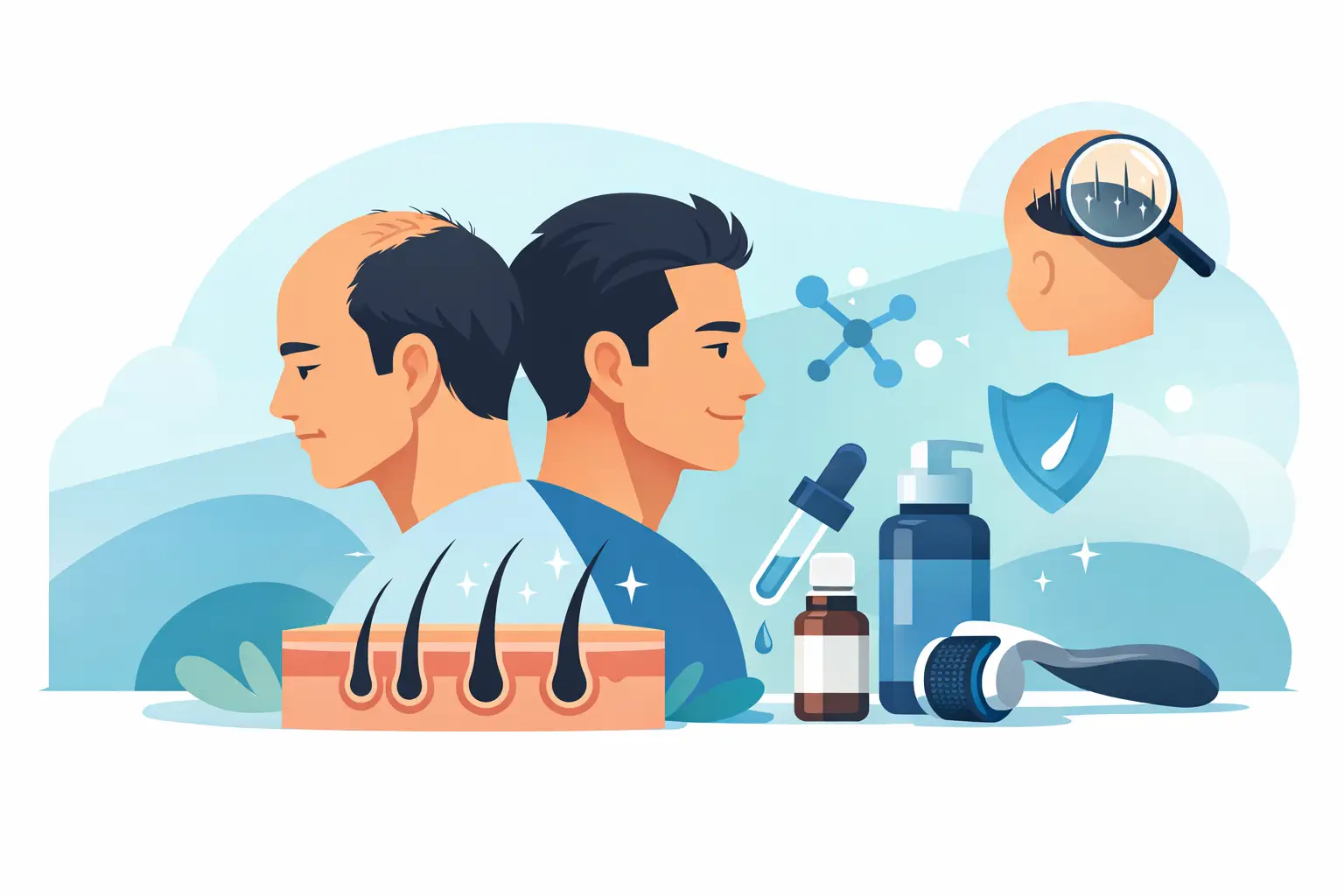
A receding hairline can feel like a small change until it starts affecting how you see yourself in photos, meetings, and the mirror. The right hair loss treatment guide should do more than name products or procedures. It should help you understand why your hair is thinning, which options can realistically help, and when a personalized plan may offer the best path toward fuller, natural-looking hair.
Hair loss is common, but it is not one-size-fits-all. Some patients are noticing early shedding. Others have spent years covering a widening part, thinning crown, or receding temples. Men and women may also seek treatment for sparse eyebrows or uneven beard growth. The most effective approach starts with an accurate assessment of your hair pattern, donor supply, medical history, and goals.
Start With the Cause of Your Hair Loss
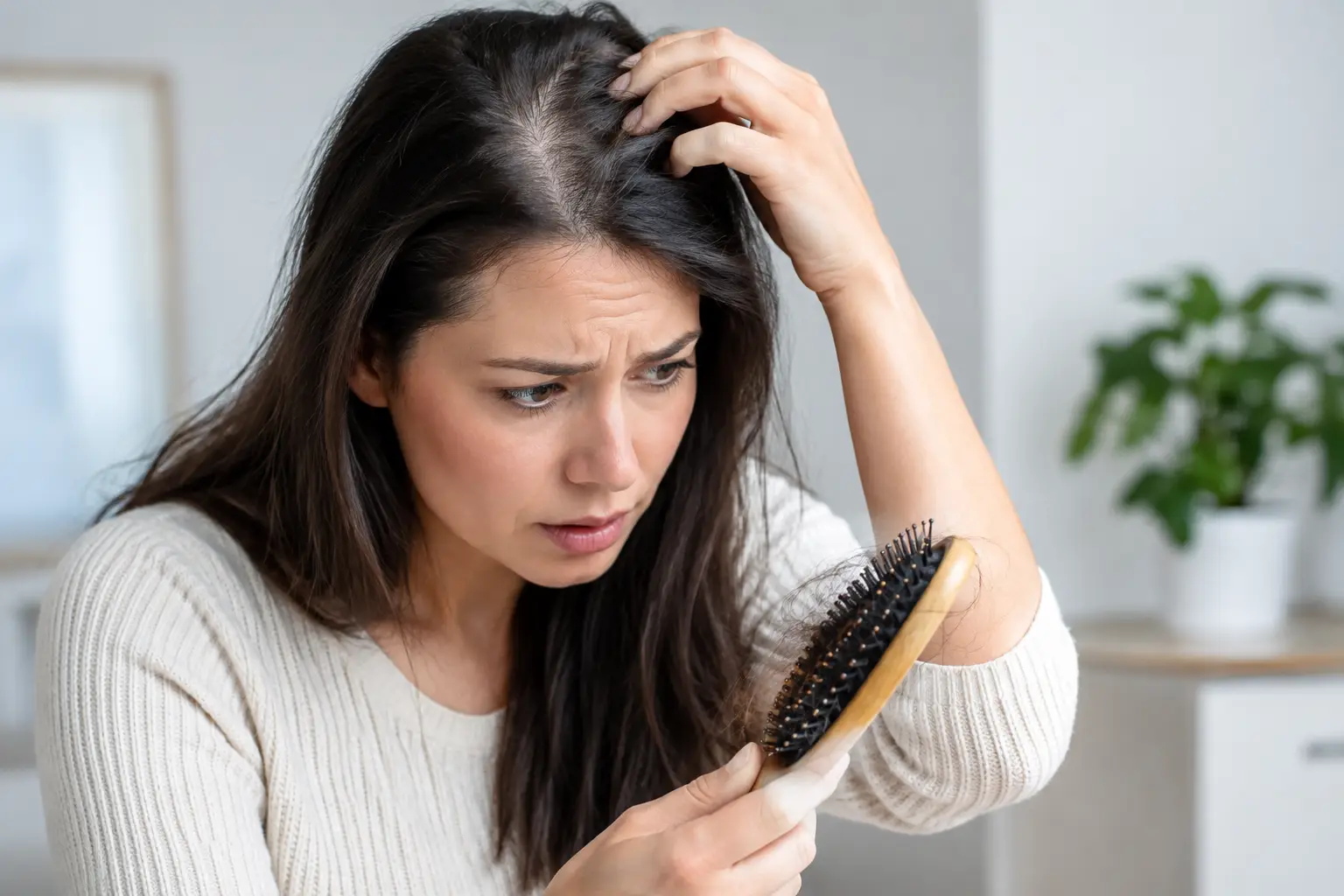
Androgenetic alopecia, often called male or female pattern hair loss, is the most common reason adults experience progressive thinning. In men, it often appears as a receding hairline or crown loss. In women, it may show up as overall thinning or a widening part while the frontal hairline remains intact.
Genetics play a major role, but they are not the only consideration. Sudden shedding can be related to stress, illness, hormonal changes, nutritional deficiencies, thyroid concerns, certain medications, or scalp conditions. Treating the wrong cause wastes time and can allow avoidable hair loss to continue.
A professional scalp analysis and medical consultation help distinguish pattern loss from other causes. Depending on your situation, a provider may review your health history, examine the scalp and follicles, and consider diagnostic tools that evaluate genetic response to certain treatments. This level of planning is especially valuable when hair loss is changing quickly or when previous treatments have not delivered the results you expected.
Hair Loss Treatment Guide: Your Main Options
The best treatment depends on whether your priority is slowing further loss, improving existing density, restoring a hairline, or combining these goals. Many patients see the strongest long-term result from more than one therapy.
Medications for Early or Progressive Thinning
Medical therapy is often the first line of defense for patients who still have miniaturizing hairs that can be preserved. Topical minoxidil can support the growth phase of the hair cycle and may help both men and women. It requires consistency, and some people experience an initial period of increased shedding before improvement becomes visible.
For appropriate male patients, prescription medications that address dihydrotestosterone, or DHT, may help slow pattern hair loss. DHT is a hormone that can gradually shrink genetically susceptible follicles. These medications can be highly effective for some men, but they are not right for everyone and require a thoughtful discussion of possible side effects, health history, and family-planning considerations.
Women may have different medication options depending on their age, hormonal profile, and diagnosis. The central point is simple: medication can preserve hair and sometimes improve density, but it generally cannot recreate follicles that have been gone for years. Results also depend on continued use.
Low-Level Laser Therapy
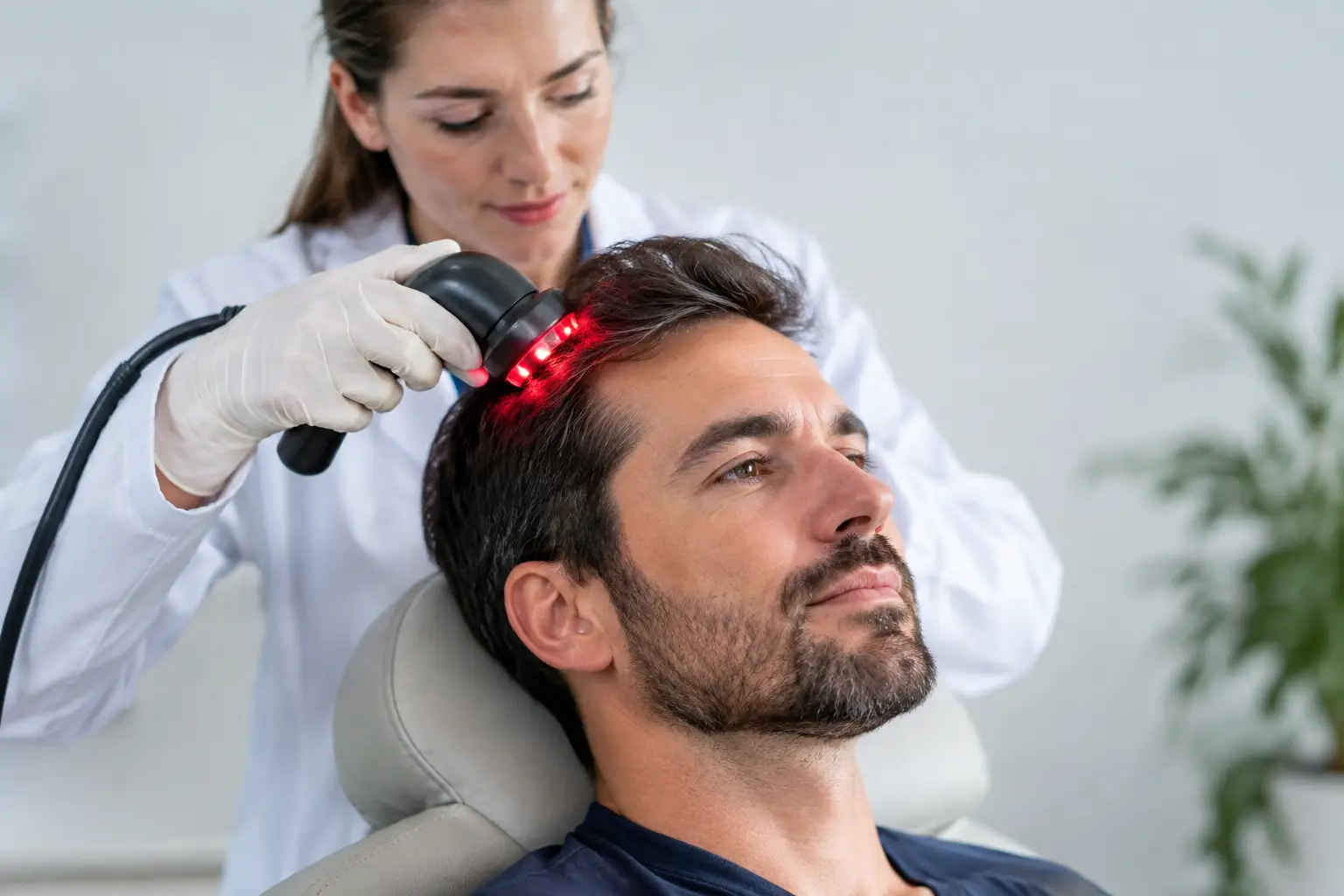
Low-level laser therapy uses specific light wavelengths to support follicle activity. It is noninvasive, painless, and usually easy to incorporate into a routine. For patients with mild to moderate thinning, laser therapy may be a useful complement to medication or regenerative treatment.
The trade-off is that laser therapy is gradual. It does not produce an instant cosmetic transformation, and it is not a replacement for surgical restoration in a fully bare area. Patients who use it consistently may appreciate it as a convenient way to support their broader plan without downtime.
Regenerative Hair Loss Injections
Regenerative injection therapies use components from your own blood or other biologic approaches to support scalp health and hair follicle function. They are commonly considered for early thinning, diffuse density concerns, and patients who want a nonsurgical option alongside medication or laser therapy.
These treatments are best viewed as supportive, not magical. They may help improve the quality and caliber of existing hairs, but they do not create unlimited new follicles in areas where follicles are no longer active. A series of treatments and maintenance sessions may be recommended based on the degree of hair loss and response over time.
Nutrition and Supplements
Hair needs adequate protein, iron, vitamin D, and other nutrients to grow normally. If a deficiency is contributing to shedding, correcting it matters. However, supplements are not a cure for genetic pattern baldness, and taking more than you need will not force inactive follicles to grow.
Clinician-guided supplements may be useful when they fit your overall plan, particularly for patients with diffuse thinning or nutritional concerns. Think of them as part of a foundation for healthy hair, not a substitute for medical evaluation or a transplant when restoration is needed.
When an FUE Hair Transplant Makes Sense
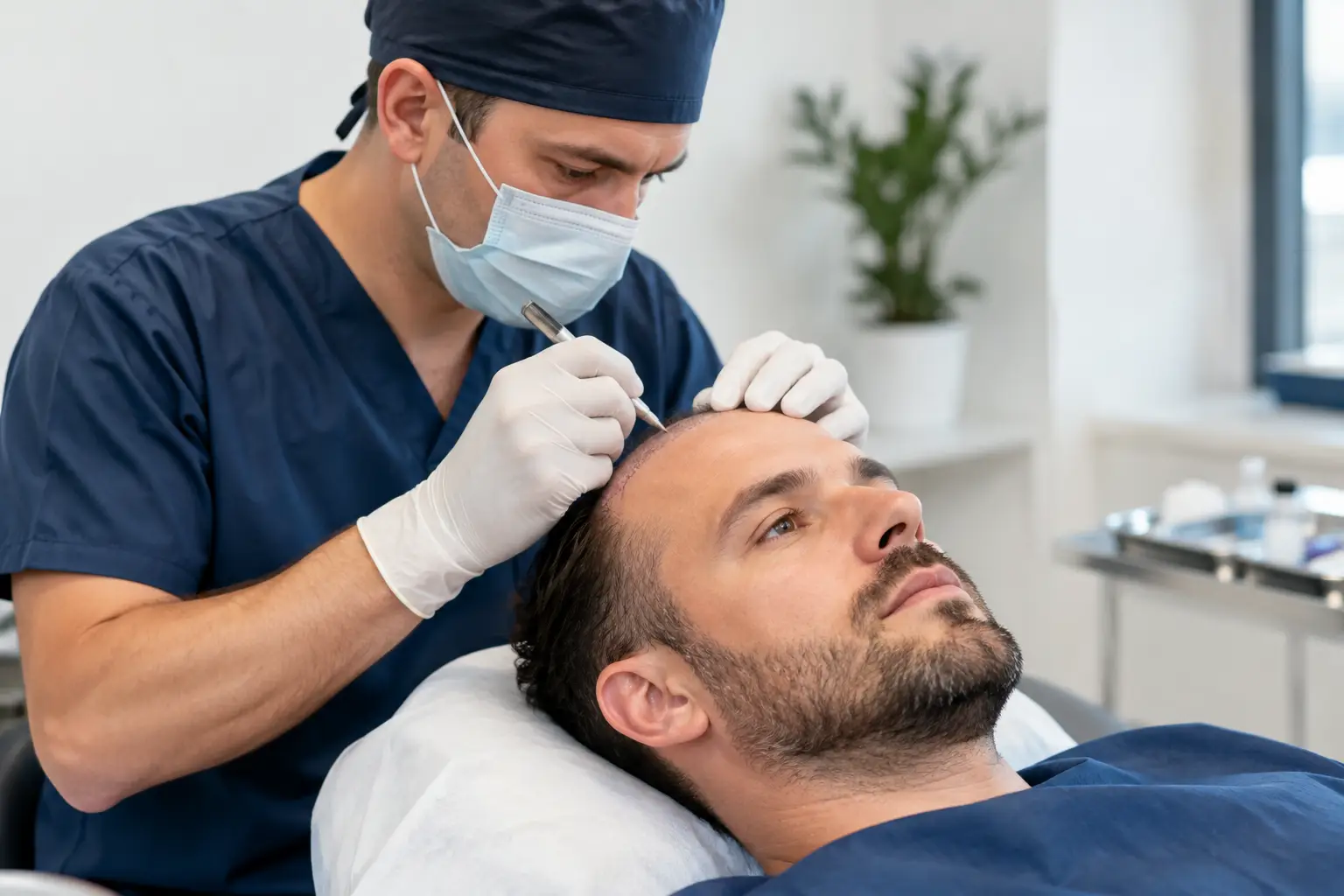
Follicular Unit Extraction, or FUE, is designed to move healthy, genetically resistant hair follicles from a donor area, typically the back and sides of the scalp, to thinning or bald areas. Each follicular unit is carefully harvested and placed to follow the natural direction, angle, and density of your hair growth.
FUE can be an excellent option for a receding hairline, thinning temples, crown loss, or areas that no longer respond sufficiently to nonsurgical treatment. It may also be used for beard and eyebrow restoration. Because follicles are individually extracted, FUE avoids a linear donor scar associated with older strip-based approaches. Small extraction sites heal discreetly, though any surgical procedure requires a recovery period and careful aftercare.
Candidates need adequate donor density and realistic expectations. A transplant redistributes a limited supply of your own hair. It cannot create more donor hair than you have, which is why an experienced physician plans conservatively and protects the donor area. A natural hairline at age 35 should still look believable at age 55.
At Austin Hair Clinic, FUE planning may include standard manual techniques or ARTAS robotic FUE technology, depending on a patient’s hair characteristics and treatment goals. Technology can support precision and efficiency, but physician oversight, aesthetic judgment, and careful graft placement remain essential to a refined result.
Why Combination Treatment Often Delivers Better Results
A hair transplant restores hair to areas of established loss, but it does not stop the natural aging process or genetic thinning in surrounding native hair. If you have ongoing pattern hair loss, medication, laser therapy, or regenerative injections may help preserve what you still have.
Consider a patient with a receding hairline and early crown thinning. FUE may restore the front hairline for a meaningful visual change, while medical treatment helps protect the crown and reduce the chance of needing additional restoration sooner than expected. By contrast, a patient with very early diffuse thinning may benefit from nonsurgical care first, allowing time to see how much existing hair can be strengthened before considering surgery.
This is also why online before-and-after photos should be viewed carefully. Great results are not just about graft numbers. They reflect hair caliber, curl, color contrast, donor quality, scalp visibility, styling, and the patient’s long-term treatment plan.
What to Expect From the Timeline
Hair restoration requires patience. With medication or laser therapy, early changes may take several months, and meaningful progress often requires ongoing use. Regenerative treatment schedules vary, but improvements are typically gradual rather than immediate.
After an FUE transplant, the transplanted hairs commonly shed in the first weeks. This is expected. New growth often begins around three to four months, becomes more noticeable between six and nine months, and continues maturing for up to 12 to 18 months. The waiting period can be frustrating, but the goal is growth that looks like it has always belonged there.
Can I treat hair loss without surgery?
Yes. Many people start with medication, low-level laser therapy, regenerative injections, or a combination of these options. Nonsurgical treatment is particularly useful when thinning is early and follicles are still present.
Is FUE painful?
FUE is performed with local anesthesia, so patients are kept comfortable during the procedure. Mild tenderness, swelling, or tightness can occur during early recovery, but most patients find the process manageable with the aftercare plan provided.
Are hair transplant results permanent?
Transplanted follicles from the donor area are generally more resistant to the hormonal effects that cause pattern baldness. However, native surrounding hair can continue to thin. Long-term maintenance treatment may help preserve a balanced, natural-looking result.
The right time to seek help is not when hair loss has reached a point of frustration. It is when you begin noticing a change and want clear, medically guided answers. A personalized consultation can replace uncertainty with a plan built around your hair, your goals, and the confidence you want to see reflected back at you.