How to Improve Hair Transplant Healing
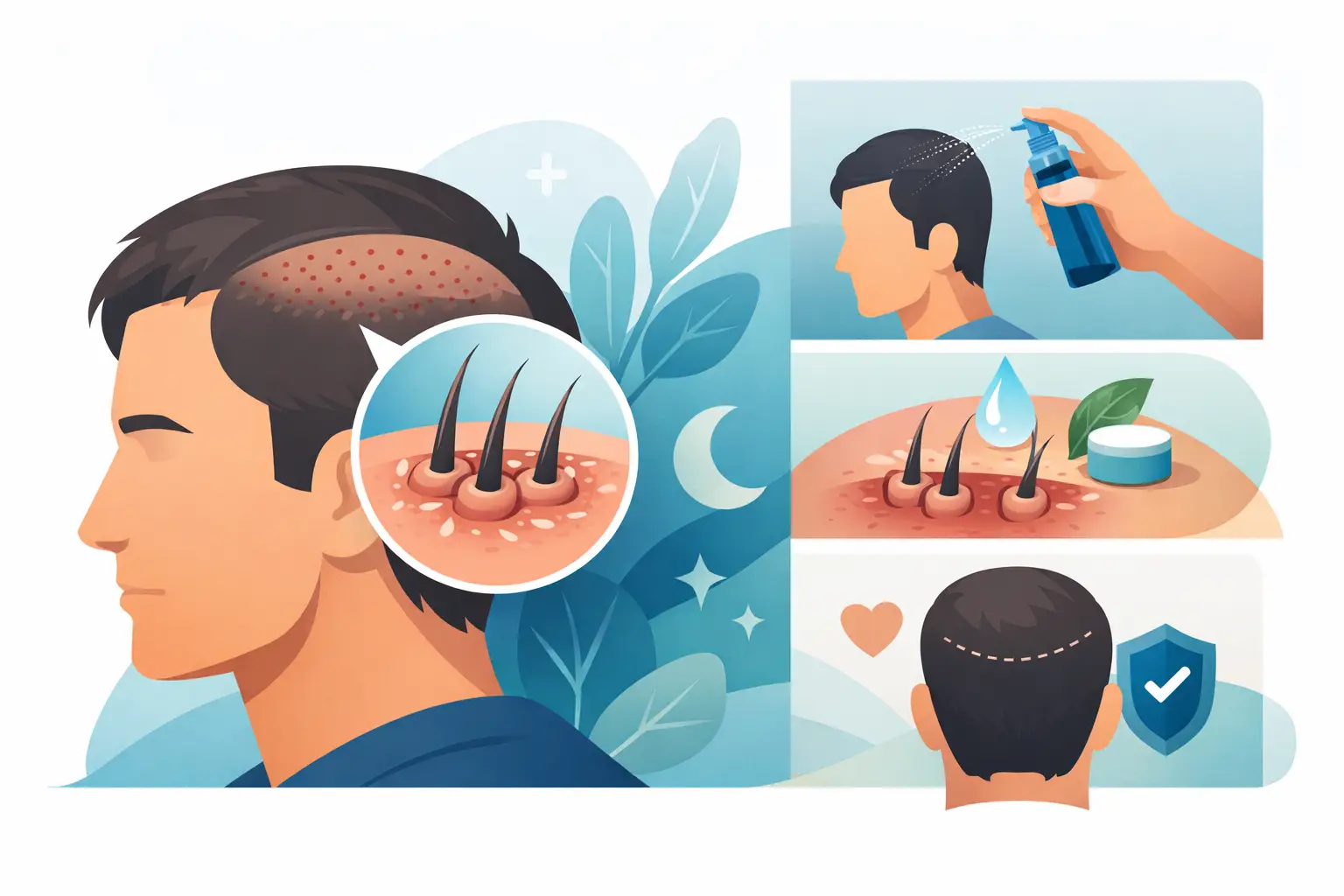
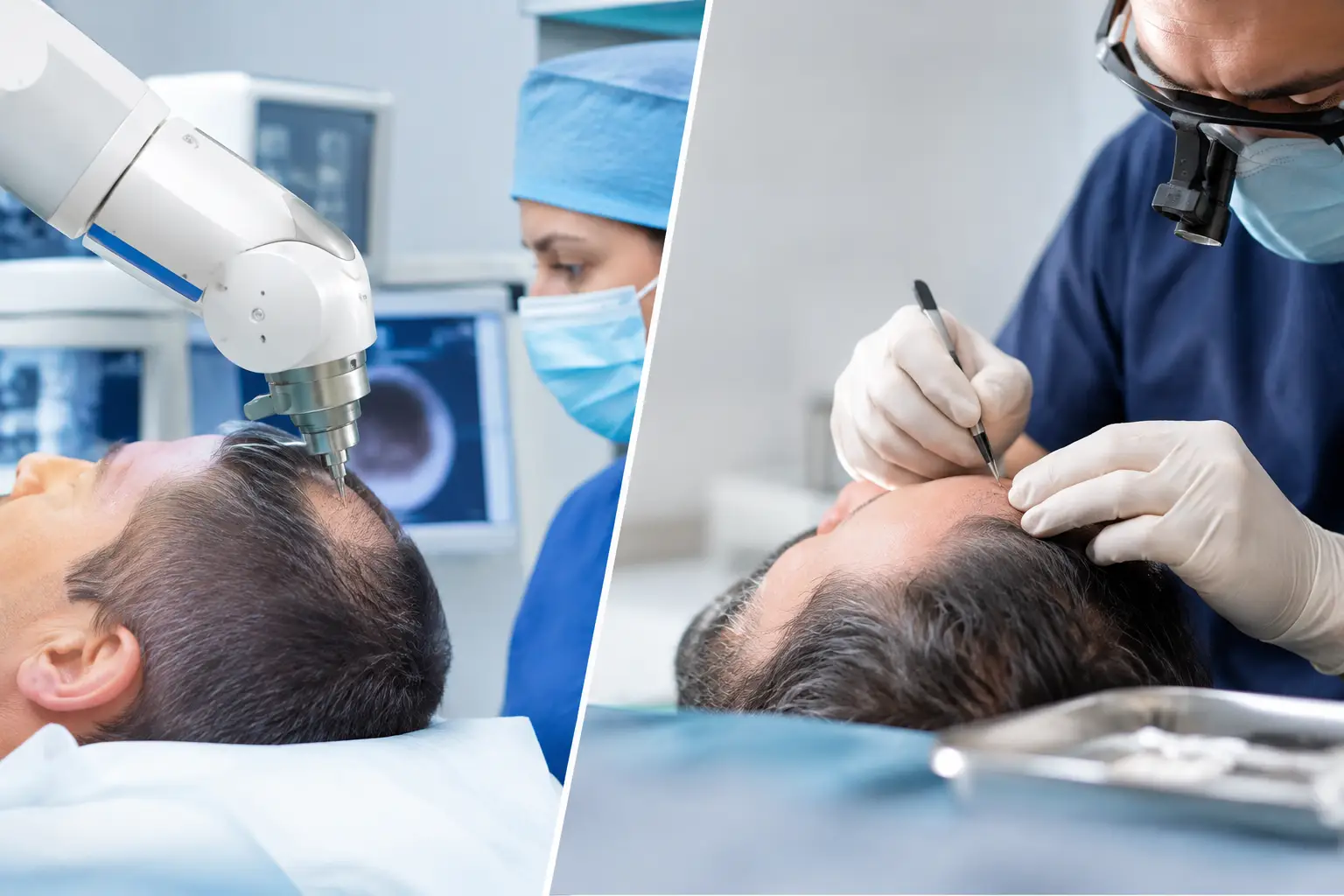
The first few days after a hair transplant can feel more stressful than the procedure itself. You start noticing tiny scabs, mild swelling, tenderness, and a scalp that suddenly feels like it needs constant protection. If you want to improve hair transplant healing, the goal is not to force a faster recovery. It is to protect the grafts, reduce unnecessary inflammation, and give your scalp the right conditions to recover cleanly.
Healing is where good results are protected. Even a technically excellent FUE procedure still depends on what happens after you leave the clinic. The way you sleep, wash, exercise, and manage irritation can affect comfort, scab formation, and how smoothly your recovery goes.
What helps improve hair transplant healing
The most effective aftercare is usually the least dramatic. Patients often assume they need special tricks or expensive products, but the basics matter most. Gentle handling, consistent washing instructions, sun protection, and avoiding friction do more for healing than overcorrecting with too many products.
Your scalp is recovering from hundreds or even thousands of tiny extraction and implantation sites. That means some redness, sensitivity, and scabbing are normal. It also means your skin barrier is temporarily compromised. During this stage, less interference is usually better, as long as you are following your surgeon’s instructions closely.
Healing speed varies. A younger patient with minimal inflammation may bounce back quickly, while someone with sensitive skin, a larger graft count, or a history of slow wound healing may need more time. Faster is not always the right benchmark. Clean, steady healing is.
The first 72 hours matter most
The earliest recovery window is when grafts are most vulnerable. This is the time to be especially careful about touching, rubbing, or putting pressure on the transplanted area. Sleeping with your head elevated can help reduce swelling, especially along the forehead. It is a simple step, but it often makes a noticeable difference.
You also want to avoid anything that raises heat and blood flow too aggressively. Hard exercise, saunas, steam rooms, and hot showers may sound harmless, but they can worsen swelling and irritation early on. Light movement is usually fine, but strenuous workouts can wait.
Hydration and rest help more than people think. Good sleep supports tissue repair, and staying well hydrated can help your body manage inflammation more efficiently. This will not transform recovery overnight, but it supports the process in a meaningful way.
Be careful with swelling and pressure
Forehead swelling after a transplant can look alarming, but it is often temporary. Keeping your head elevated and avoiding bending over repeatedly can help. Tight hats, helmets, and any pressure on the recipient area should also be avoided until your surgeon says otherwise.
This is one reason recovery timing matters for professionals and busy parents. If you know your routine includes commuting in a hard hat, frequent workouts, or a lot of outdoor time, it helps to plan your procedure around a realistic recovery window rather than hoping you can push through it.
Washing your scalp the right way
One of the biggest mistakes patients make is either washing too aggressively or being too afraid to wash at all. Proper cleansing helps loosen scabs, keeps the scalp cleaner, and lowers the chance of irritation from oil and debris buildup. The key is technique.
Your clinic will usually give a specific washing schedule. Follow that schedule exactly rather than borrowing advice from friends or online forums. The timing of the first wash, the water pressure, and the type of shampoo can all vary depending on the case.
In most cases, the scalp should be treated gently. Lukewarm water is better than hot water. Patting or carefully pouring water is often safer than direct pressure early on. Scratching scabs off before they are ready can disturb healing skin and, in some cases, threaten graft stability.
Scabs are normal, but picking is not
Scab formation is part of normal healing after FUE. Many patients worry when they see them, but the real problem is forcing them off too soon. Letting them soften naturally through approved washing is usually the safest path.
If itching starts, resist the urge to scratch. Itching often means the skin is healing, but scratching can create trauma right where the scalp is trying to recover. If itching becomes intense, that is the time to contact your clinic rather than experimenting with random over-the-counter products.
What to avoid if you want the best cosmetic result
Good healing is not only about medical safety. It is also about how the scalp looks as redness fades and the transplanted area settles. That is why avoiding irritation matters so much.
Sun exposure is a common issue in Texas. A healing scalp can be more sensitive to UV exposure, and too much sun can worsen redness and prolong visible recovery. If you are outdoors, you need a surgeon-approved strategy for protection. Sometimes that means staying out of direct sun rather than covering the area too early.
Smoking is another factor that can work against recovery. Nicotine can reduce blood flow to healing tissue, which is not ideal when newly transplanted follicles are trying to settle in. Alcohol can also complicate early healing for some patients by increasing swelling or interfering with medications. Temporary restrictions are worth taking seriously.
You should also be cautious with hair products. Styling sprays, fibers, dry shampoo, and heavy topical products may need to wait until your scalp is more stable. Using them too soon can create buildup, irritation, or friction.
Nutrition and recovery are connected
Your scalp heals using the same basic inputs the rest of your body does – protein, hydration, micronutrients, and sleep. No single food will magically improve hair transplant healing, but poor nutrition can absolutely make recovery less efficient.
A balanced diet with enough protein supports tissue repair. Zinc, iron, vitamin D, and other nutrients also play a role in hair and skin health, although supplementation should be personalized. More is not always better, especially if you are taking medications or already using hair growth therapies.
This is where a more complete treatment plan can help. For some patients, long-term hair restoration results may benefit from combining transplant surgery with medical therapies or supportive treatments once healing is complete. The right timing depends on your scalp, your pattern of loss, and your physician’s guidance.
When healing does not go exactly as expected
A lot of unnecessary panic comes from not knowing what is normal. Mild redness, tightness, temporary numbness, shedding of transplanted hairs, and visible scabs can all be part of a routine recovery. That said, there is a difference between normal healing and a warning sign.
Pain that suddenly worsens, unusual drainage, spreading redness, fever, or a foul odor should not be ignored. Neither should persistent swelling that seems to be escalating instead of improving. The safest move is always to contact your treating clinic directly instead of guessing.
There is also the emotional side of healing. The early phase can test patience because the cosmetic payoff is not immediate. In fact, many patients go through a temporary shedding phase before new growth begins. That can feel discouraging if you were hoping to look better right away. The reality is that recovery and growth are different timelines.
How to improve hair transplant healing over the long term
Early aftercare protects the grafts, but long-term healing is also about scalp health. Once the initial recovery phase is over, the focus shifts from wound healing to supporting healthy growth. That may include physician-guided medications, regenerative treatments, laser therapy, or simply better management of ongoing hair loss around the transplanted area.
This is an important point that patients sometimes miss. A hair transplant moves follicles, but it does not stop future thinning in untreated areas. If the surrounding hair continues to miniaturize, the overall cosmetic result can change over time. The best outcomes usually come from thinking beyond the procedure itself.
At Austin Hair Clinic, that broader view is part of why personalized planning matters. The right recovery support depends on graft count, scalp sensitivity, medical history, lifestyle, and long-term hair goals. What works well for one patient may be too aggressive or too limited for another.
If you are serious about a natural-looking result, treat healing as part of the procedure, not a side note. Protect the scalp, follow instructions closely, stay patient through the awkward early stage, and give your new grafts the calmest possible environment to settle in. A little discipline now often pays off in a result that feels worth seeing in the mirror every day.