FUE Transplant Review: Is It Worth It?

Hair loss usually becomes real the moment overhead lighting, a phone camera, or a bathroom mirror shows more scalp than you expected. That is why a careful fue transplant review matters. Most people are not just asking whether FUE works. They are asking whether it looks natural, whether the recovery is manageable, and whether the investment actually feels worth it months later.
What a real FUE transplant review should cover
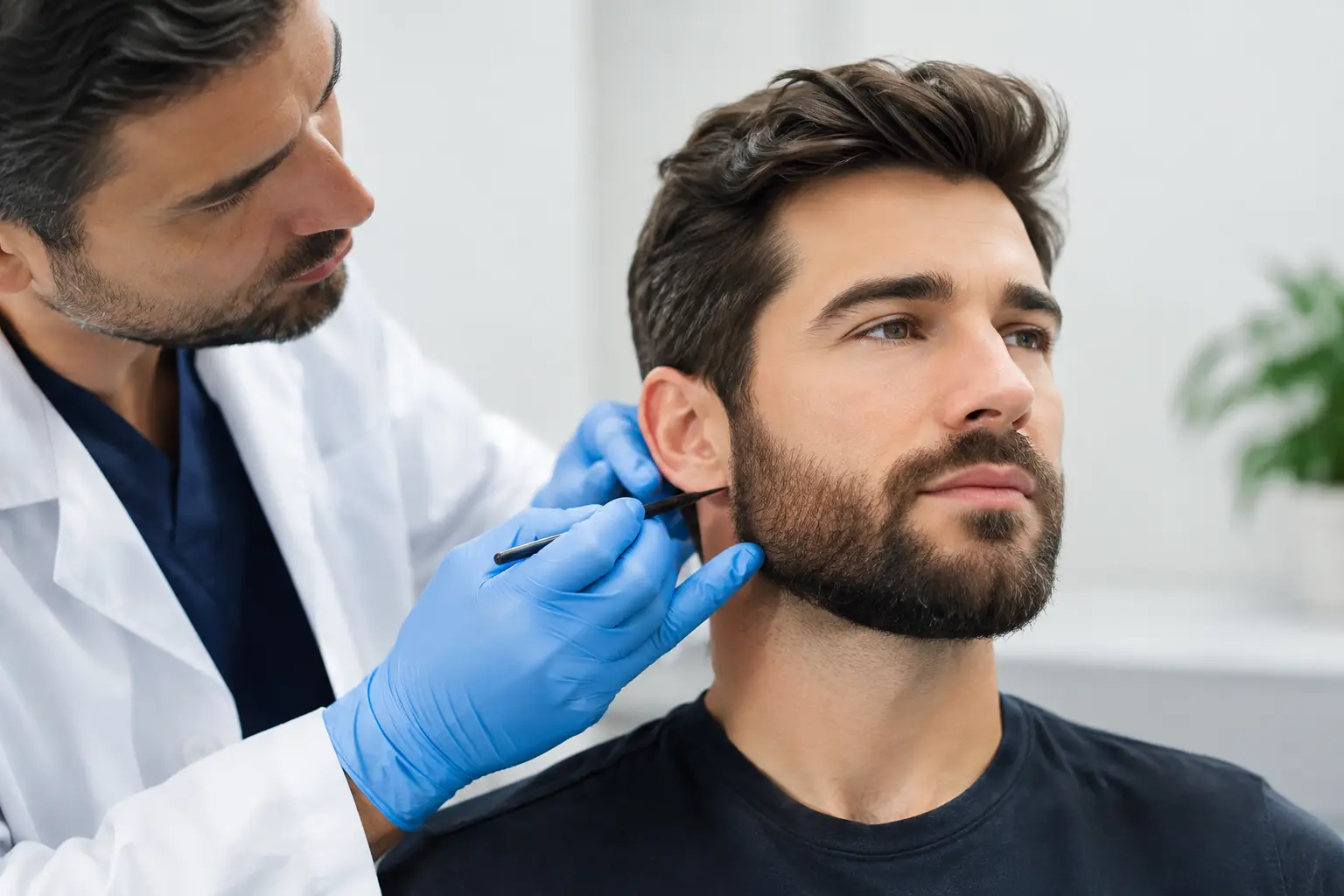
A useful review goes beyond before-and-after photos. FUE, or Follicular Unit Extraction, is a method of harvesting individual hair follicles from a donor area, usually the back and sides of the scalp, and placing them where density has been lost. It is popular because it avoids the linear scar associated with FUT and offers a minimally invasive path to restoration.
That said, the procedure is not magic, and it is not one-size-fits-all. A strong outcome depends on donor hair quality, the extent of hair loss, graft planning, hairline design, and the skill of the medical team. Reviews that only say a patient is happy or unhappy miss the details that actually predict success.
If you are researching this procedure seriously, the right question is not simply, “Is FUE good?” The better question is, “Is FUE the right option for my pattern of loss, goals, and long-term hair plan?”
FUE transplant review: what patients tend to like most
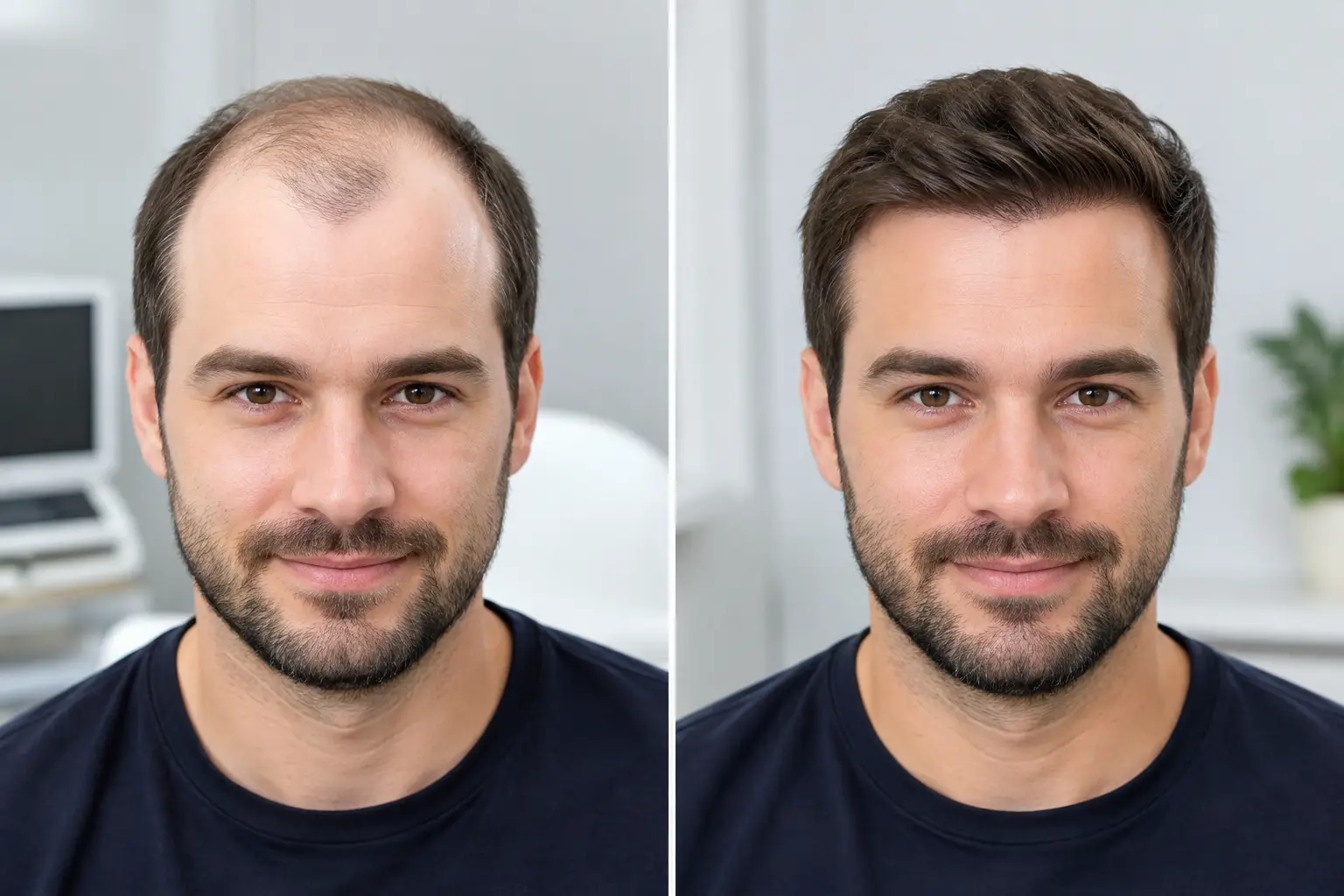
The biggest advantage patients mention is natural-looking improvement. When FUE is planned well, the transplanted hair follows the natural direction, angle, and density pattern of existing hair. That matters most along the hairline, temples, crown, and beard or eyebrow areas, where unnatural placement is easy to spot.
Patients also appreciate that FUE does not leave a long linear scar. Instead, the donor area heals with tiny dot-like extraction sites that are typically difficult to notice once the hair is grown out. For men who prefer shorter hairstyles, this can be a major reason FUE rises above FUT.
Recovery is another common positive. Most people can return to non-strenuous work relatively quickly, although they still need to follow aftercare closely. There is usually some redness, swelling, scabbing, and temporary sensitivity in both the donor and recipient areas, but these early effects improve over days to weeks.
For many patients, the emotional benefit is just as important as the cosmetic one. A restored hairline or improved density can make people feel more like themselves again. That confidence shift is often why patients describe the procedure as worthwhile even before full growth is complete.
Where an honest FUE transplant review gets more nuanced
The first trade-off is time. FUE does not produce overnight density. Newly transplanted hairs often shed in the early weeks, which can surprise patients who expected immediate visible growth. Meaningful regrowth usually starts several months later, and the more complete cosmetic result often takes close to a year.
The second trade-off is that FUE improves the appearance of thinning, but it does not stop future hair loss on its own. If native hair continues to miniaturize, untreated areas may thin around the transplanted grafts. That is why many patients benefit from a broader treatment plan that may include medication, regenerative therapies, or low-level laser support.
The third issue is donor supply. Every transplant depends on moving a finite number of grafts from one area to another. If a patient has advanced hair loss and limited donor density, the plan has to be realistic. A reputable clinic will explain what can be achieved now, what may require staged treatment, and what should not be promised.
What results really look like over time
The early phase can test a patient’s patience. In the first few days, the scalp often looks more dramatic than the final result will justify. Small crusts form around the grafts, and the donor area may feel tender. Swelling, especially around the forehead, can happen as well.
By the first few weeks, many transplanted hairs enter a shedding phase. This is normal, but it often causes concern for people who were expecting to keep every visible hair. The follicles remain in place under the skin, and new growth begins later.
Around months three to four, patients may start to notice early growth. At six months, there is usually visible improvement, though texture and density are still maturing. By nine to twelve months, the result is typically far more refined. In areas like the crown, progress can sometimes feel slower.
A trustworthy FUE review should reflect this timeline honestly. Great outcomes are usually gradual, not instant.
Cost, value, and whether FUE is worth it
Cost matters because this is an elective procedure, and pricing can vary widely. A low quote may sound attractive, but value in hair restoration is not just about the number attached to the treatment. It is about physician oversight, graft survival, natural design, technology, safety standards, and whether your plan accounts for future loss.
Poorly performed transplants often cost more in the long run because correction work is harder than getting it right the first time. Overharvested donor areas, pluggy hairlines, and weak graft placement can be difficult to reverse. That is why patients should evaluate experience and planning, not just price.
For the right candidate, FUE can be worth it because the result is long-lasting and visible every day. Unlike temporary cosmetic products, a successful transplant becomes part of your normal routine. You wash it, cut it, and style it as your own hair.
Who tends to be the best candidate
FUE works best for people with stable donor hair and enough available grafts to support their goals. Men with receding hairlines or crown thinning often do well, but women with patterned thinning can also be excellent candidates when the donor area is strong. Facial hair restoration is another area where FUE can create a major improvement with careful design.
The best candidate is not necessarily the person with the most hair loss. It is the person whose expectations match what the donor area can support. Younger patients, especially those with rapidly progressing loss, need especially thoughtful planning. Building a hairline too aggressively too early can create problems later if hair loss continues behind it.
Medical history, scalp condition, hair caliber, curl pattern, and contrast between hair and skin all play a role in how full the result will appear. This is one reason a consultation matters so much. What works beautifully for one patient may not be the best strategy for another.
Choosing a clinic after reading any FUE transplant review
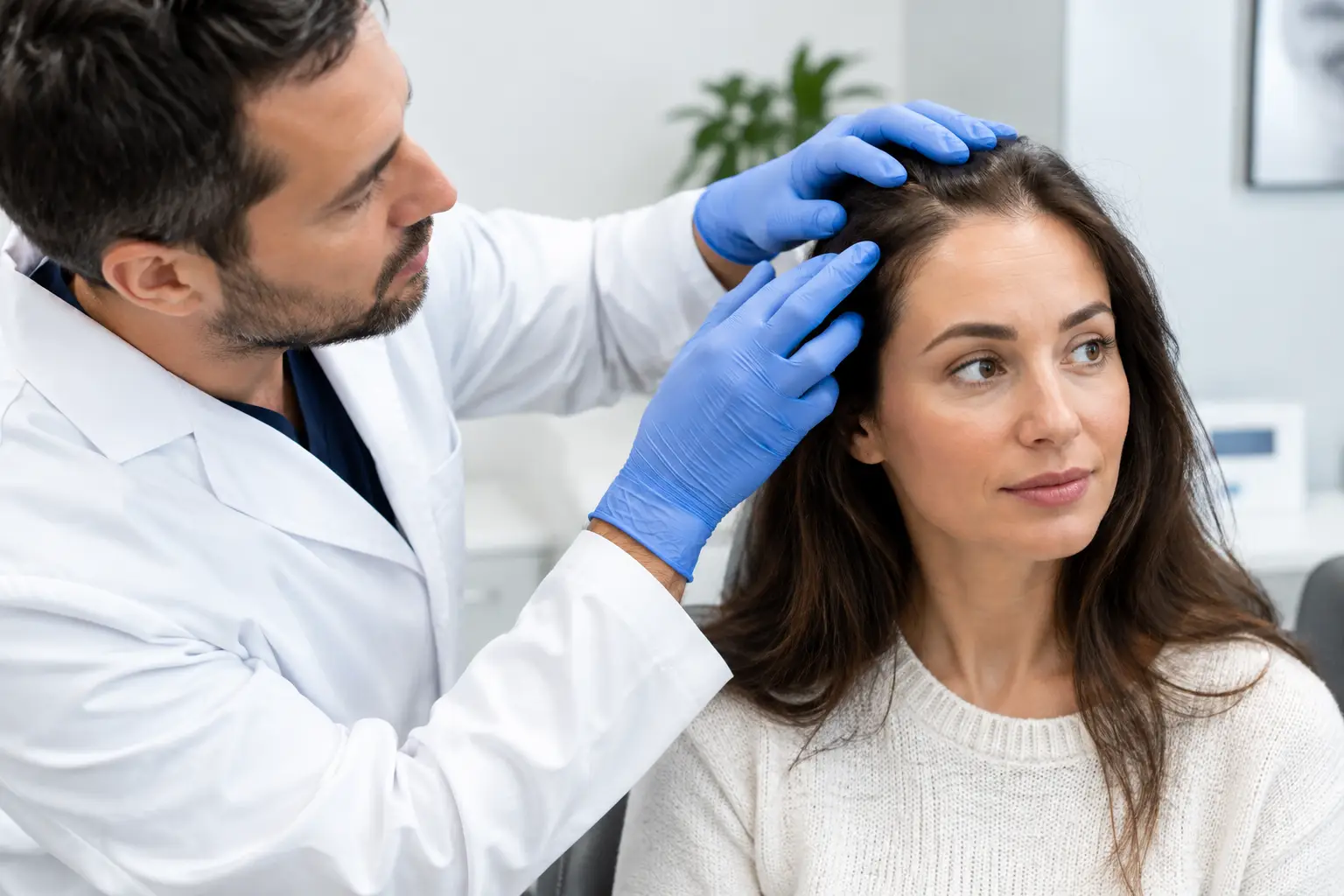
Reviews are useful, but they should not replace a detailed evaluation. Look for signs of individualized planning. Does the clinic talk about donor management, hairline design, and long-term strategy? Is a physician directly involved? Are non-surgical options discussed when they make sense, or is every patient pushed toward surgery?
This is where many patients begin to separate marketing from medical judgment. A strong clinic explains what FUE can do and where its limits are. It also helps you understand whether standard FUE, robotic-assisted FUE, medication, regenerative support, or a combined approach makes the most sense.
At Austin Hair Clinic, that comprehensive perspective is part of the value. Patients are not simply steered toward a procedure. They are evaluated in the context of their hair loss pattern, aesthetic goals, and future maintenance needs.
Questions patients should ask before deciding
Before moving forward, ask who designs the hairline, who extracts the grafts, and how donor preservation is handled. Ask what your realistic density target is, whether future sessions might be needed, and how ongoing hair loss will be managed. Ask to see results on patients with similar hair characteristics to yours, not just the most dramatic transformations.
You should also ask about recovery instructions and what happens if your growth is slower than expected. Good clinics are comfortable with these questions because informed patients tend to make better decisions and feel more confident about treatment.
The bottom line on FUE
The most honest fue transplant review is this: FUE can produce excellent, natural-looking results when the patient is well selected, the plan is realistic, and the procedure is performed with precision. It is not a shortcut, and it is not the right answer for every case of hair loss. But for many men and women who want to restore density without a linear scar, it is one of the strongest options available.
If you are weighing the decision, focus less on hype and more on fit. The right treatment should make sense for your hair today and still make sense years from now. That is the kind of result that does more than change your appearance – it gives you back ease, confidence, and a little more control when you look in the mirror.