Eyebrow Transplant Recovery Timeline Week by Week
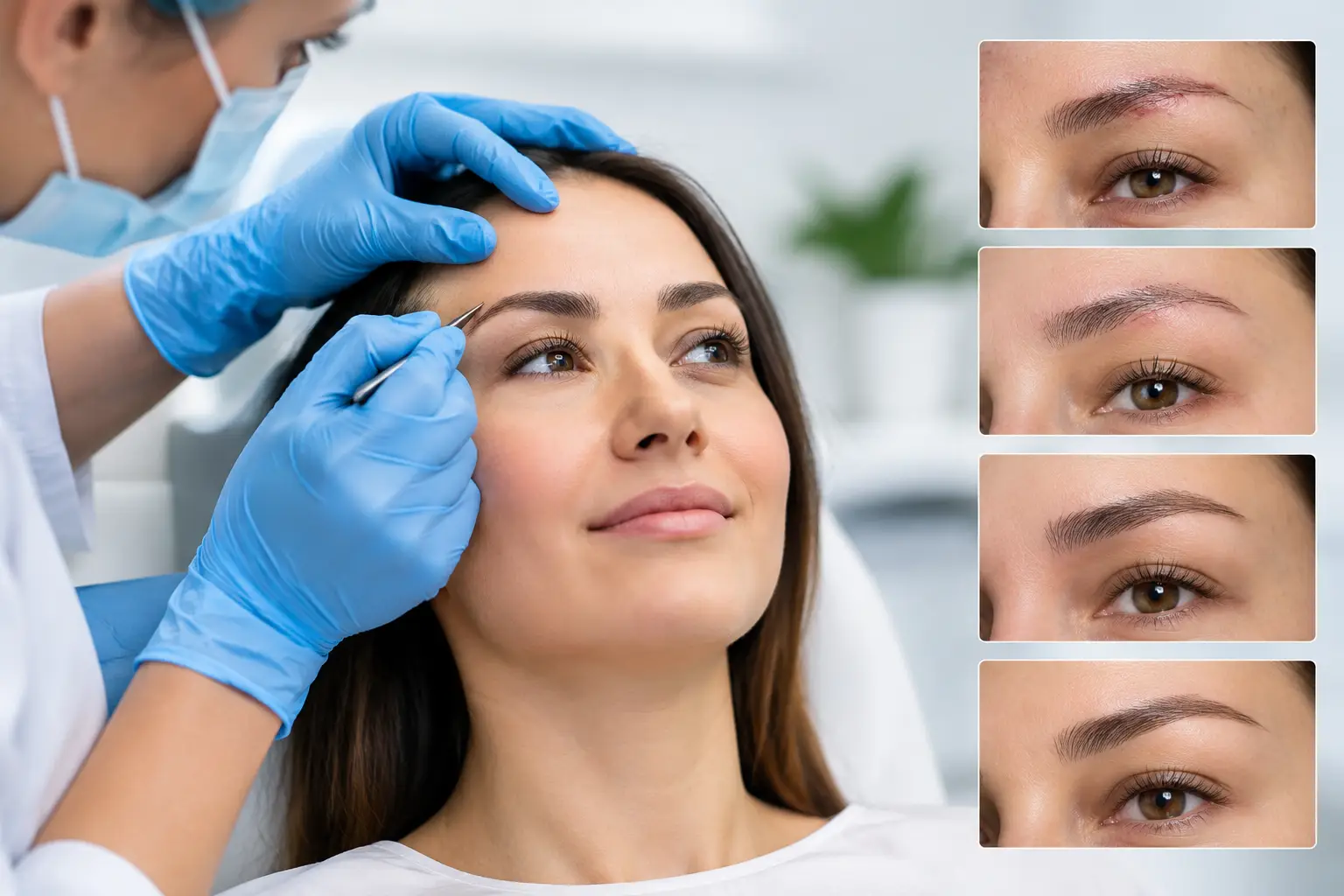
A successful eyebrow restoration is measured in millimeters. The direction of each hair, the softness of the arch, and the way the brow frames your eyes all matter. That is why understanding the eyebrow transplant recovery timeline before treatment can make the experience feel far more manageable. Healing happens quickly on the surface, but the final cosmetic result develops gradually as transplanted follicles settle, shed, and begin a new growth cycle.
An eyebrow transplant uses carefully selected donor hairs, usually taken from the scalp, and places them at precise angles within the brow. Because eyebrow hairs grow differently from scalp hair, the procedure requires aesthetic planning as well as technical skill. Your recovery should be guided by your physician’s instructions, since healing can vary based on skin sensitivity, graft count, medications, and your individual health history.
Eyebrow Transplant Recovery Timeline at a Glance
Most patients can return to light daily activities within a day or two. The visible signs of healing, including small scabs and mild redness, typically improve during the first seven to 10 days. The transplanted hairs often shed within the first month, which is expected. Meaningful new growth generally begins around three to four months, while a fuller, more refined result may take 10 to 12 months.
That longer timeline can be emotionally challenging if you are hoping for an immediate change. It helps to think of the procedure in two phases: first, the skin heals; then, the follicles begin producing new hair. A calm recovery period and realistic expectations protect both your comfort and your confidence.
Days 1-3: Protecting Newly Placed Grafts
The first few days are about protecting the transplanted follicles while the recipient area begins to heal. You may see pinpoint scabbing, mild swelling around the brow or upper eyelids, and temporary redness. Swelling usually peaks within the first couple of days and then improves.
Avoid touching, rubbing, scratching, or picking at the eyebrow area. Even though the grafts are tiny, they need time to anchor securely. Your care team may recommend a specific cleansing or saline-spray routine, along with instructions about sleeping with your head elevated to minimize swelling.
Strenuous exercise, sweating, swimming, and direct sun exposure should be avoided during this early stage. You should also pause makeup, brow pencils, powders, and skincare products near the treatment area until your physician confirms it is safe. The goal is simple: keep the area clean, undisturbed, and protected.
Days 4-10: Scabs Begin to Lift
By the end of the first week, many patients feel more comfortable being seen in public. Small scabs may still be visible, but they begin to loosen naturally as the skin heals. Mild itching can occur during this stage. It can be tempting to remove scabs early, especially around the brow line, but letting them release on their own is safer for the grafts.
Your physician may permit gentle washing at this point. Follow the exact technique provided rather than treating the area as you would your usual skincare routine. A heavy stream of water, exfoliating cleanser, washcloth, or fingernail pressure can irritate healing skin.
Most people are able to return to work quickly, particularly if their role does not involve heavy physical activity. If you have a public-facing job and are concerned about visible redness, scheduling the procedure before a quieter week can provide welcome breathing room.
Weeks 2-4: The Shedding Phase Is Normal
Once the scabs have cleared, the brows may look surprisingly natural for a short time. Then many transplanted hairs fall out. This is commonly called shock shedding, and it is a normal part of the eyebrow transplant recovery timeline. The hair shaft sheds, but the follicle remains beneath the skin and enters a resting phase before new growth begins.
This stage can feel like a setback, particularly for patients who have spent years filling in sparse brows or avoiding photos without makeup. It is not a sign that the transplant has failed. In fact, shedding is often an expected part of follicle recovery.
The recipient area should look largely healed by the end of the first month, though some patients experience lingering pinkness or minor texture changes longer than others. People with sensitive skin, a history of pigmentation changes, or certain skin conditions may need more individualized guidance.
Months 2-3: A Quiet but Necessary Waiting Period
During the second and third months, there may be little visible change. The follicles are adjusting beneath the skin, and the new hairs have not yet emerged in a noticeable way. Patience is especially valuable here. Comparing your brows day to day can make progress seem slower than it is.
Continue to protect your skin from excessive sun exposure and attend follow-up visits as advised. Your provider can check healing, answer questions about brow grooming, and identify whether any redness, bumps, or irritation needs attention. Contact your medical team promptly if you develop increasing pain, spreading redness, drainage, fever, or other unexpected symptoms.
Months 3-6: New Eyebrow Growth Begins
Early regrowth often starts around the third or fourth month. At first, the hairs can be fine, unevenly distributed, or slightly wiry. This is normal. Different follicles wake up on different schedules, so one part of the eyebrow may appear ahead of another.
Because donor follicles usually come from the scalp, transplanted eyebrow hairs can grow longer and faster than natural brow hairs. Regular trimming is often needed, especially during the first year. Some patients also find that the texture becomes more manageable as the hairs mature.
At this point, you may begin to see the shape your physician designed. The result is not final, but it can be an encouraging milestone. Avoid aggressive waxing, threading, or plucking unless your care team has cleared it. Precision matters when shaping a newly restored brow.
Months 6-12: Refinement and Maturation
Between six and 12 months, density and texture continue to improve. The transplanted hairs generally become more consistent, making it easier to groom the eyebrows into your preferred shape. Your final outcome depends on factors such as the number of grafts placed, donor-hair characteristics, skin healing, and the extent of your original eyebrow loss.
Some patients need only one procedure. Others may choose a second session later to add density, adjust an arch, or improve symmetry. That decision should be based on how the first transplant matures, not on early growth patterns. A well-planned eyebrow transplant prioritizes natural placement and long-term appearance over trying to create excessive density in one session.
What Can Affect Your Recovery and Results?
Your healing process is personal, but several factors can influence it. Smoking and nicotine use can impair circulation and may affect wound healing. Certain medications and supplements can increase bruising or bleeding risk, so disclose everything you take before treatment. Sun exposure, premature exercise, and scratching can also prolong redness or create unnecessary irritation.
The cause of eyebrow thinning matters as well. Brows may become sparse because of overplucking, trauma, burns, aging, hormonal changes, thyroid conditions, autoimmune disease, or prior cosmetic tattooing. If there is an active medical condition causing ongoing hair loss, it may need to be stabilized before transplant planning. A thoughtful medical evaluation helps determine whether surgery is appropriate and what result is realistic.
Caring for Your New Brows Long Term
Once the transplanted hairs have grown in, routine grooming becomes part of maintaining your result. Most patients trim the hairs periodically because scalp-derived follicles retain some of their original growth behavior. A small brow scissors or electric trimmer can help keep length controlled without removing hairs from the root.
Treat your brows gently. Use sunscreen around the area once healing is complete, avoid harsh exfoliants directly over the brow line, and be cautious with salon services. If you use cosmetic products, choose techniques that enhance the brow shape rather than relying on heavy coverage to hide it.
For patients considering eyebrow restoration, a personalized consultation is the best place to discuss donor supply, brow design, healing expectations, and whether FUE is the right solution. At Austin Hair Clinic, treatment planning centers on physician-guided care and the details that make a result look like it belongs on your face. The wait for growth is temporary, but a carefully restored brow can bring a lasting sense of balance and confidence each time you look in the mirror.