Top Questions Before Hair Restoration Treatment

A receding hairline can change how you feel in photographs, meetings, and everyday conversations long before anyone else says a word. Asking the top questions before hair restoration helps replace uncertainty with a realistic plan – one based on your pattern of loss, your goals, and the treatments that can preserve or restore your hair naturally.
Hair restoration is not a one-size-fits-all decision. A patient with early thinning at the crown may benefit from medical therapy and laser support, while someone with stable pattern baldness and a healthy donor area may be an excellent candidate for FUE hair transplantation. The right approach starts with clear answers, not pressure.
Top Questions Before Hair Restoration: Where Do I Start?
What is causing my hair loss?
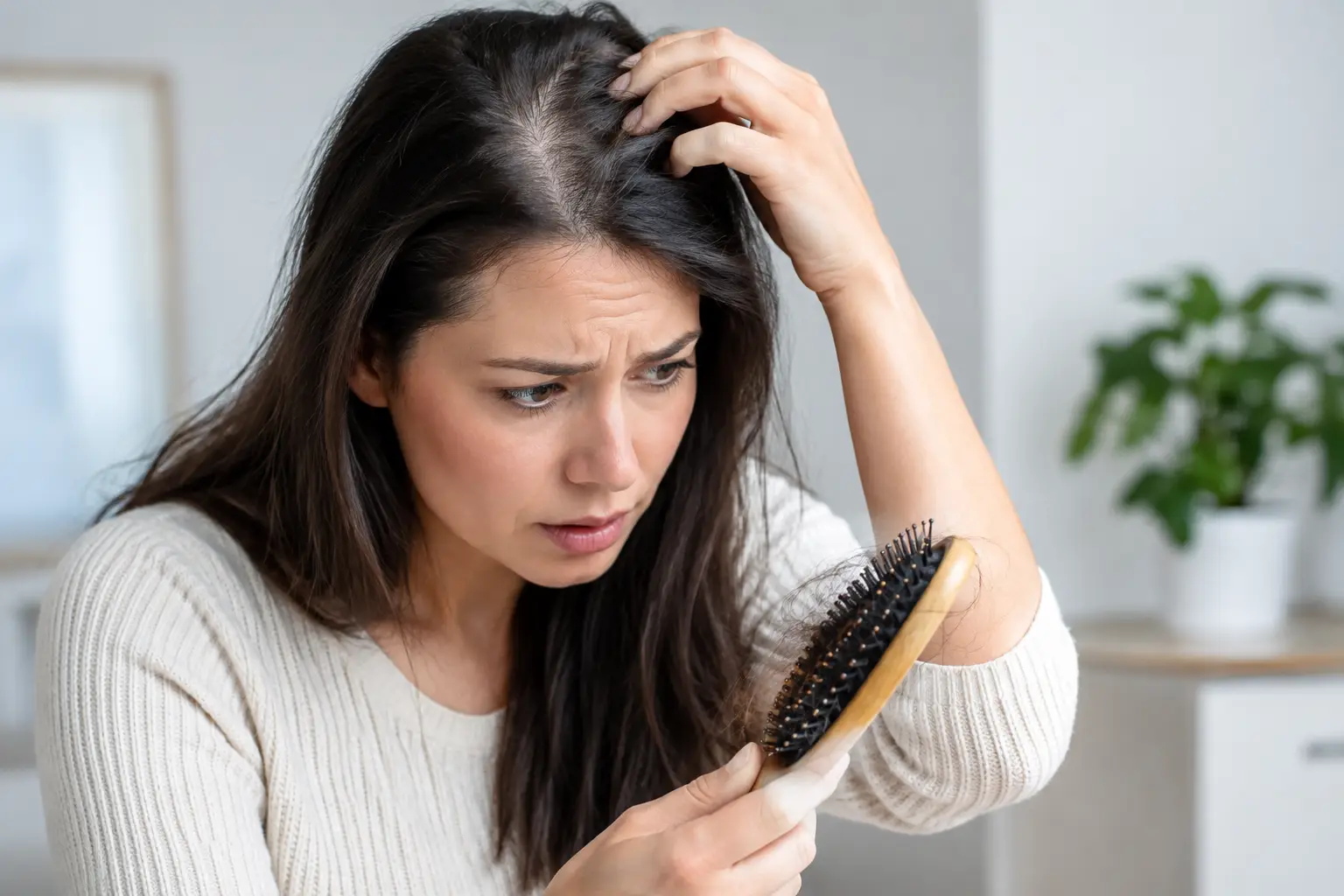
The first question is not always, “Which procedure should I get?” It is, “Why am I losing hair?” Genetic pattern hair loss is common in both men and women, but shedding can also be influenced by hormonal changes, stress, nutritional deficiencies, medication, autoimmune conditions, and scalp health.
A thorough scalp analysis and medical consultation can help distinguish progressive thinning from a temporary shedding event or another underlying condition. This matters because a transplant can redistribute healthy follicles, but it does not stop untreated hair loss in the surrounding native hair. Understanding the cause allows your physician to create a plan that protects what you have while addressing the areas that concern you most.
Am I a candidate for a hair transplant?
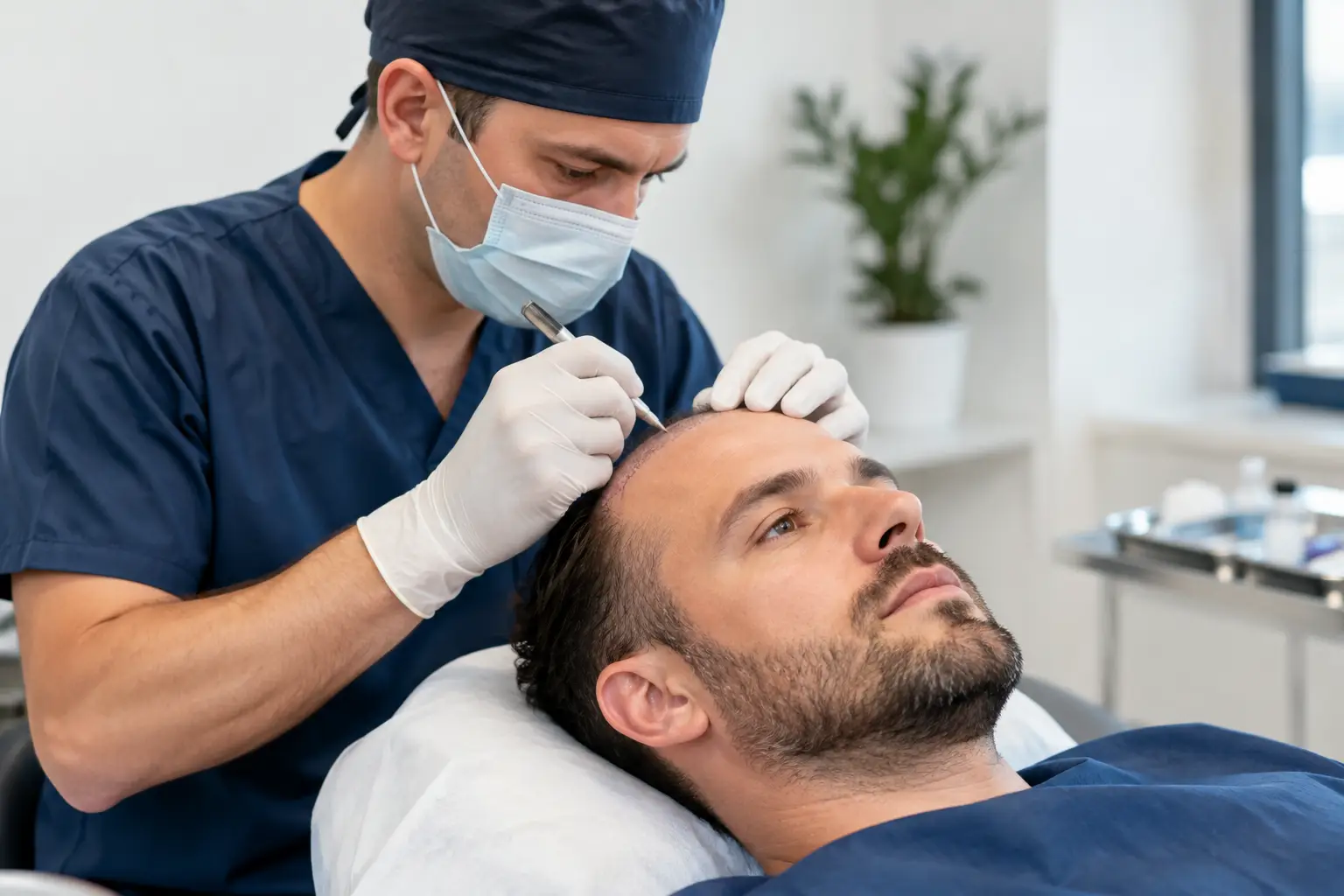
FUE, or Follicular Unit Extraction, is often a strong option for men and women with sufficient stable donor hair, usually at the back and sides of the scalp. During FUE, individual follicular units are removed and placed into thinning or bald areas. Because the follicles are harvested individually, there is no linear scar, and patients can typically wear shorter hairstyles after healing.
Candidacy depends on more than age or the amount of visible hair loss. Your donor density, hair caliber, scalp characteristics, family history, medical history, and expectations all matter. A younger patient with rapidly progressing loss may need a conservative hairline design and a long-term preservation plan rather than an aggressive transplant immediately.
Patients considering beard or eyebrow restoration also need an evaluation of donor hair and facial goals. These procedures require careful placement and angle control because facial hair grows in highly visible directions. Natural-looking results depend on precision, not simply graft count.
Should I Consider Non-Surgical Treatment First?
For many patients, the answer is yes. Non-surgical options can slow further thinning, strengthen existing hair, and improve the appearance of density. They may also be recommended before or after a transplant to help preserve native hair around transplanted grafts.
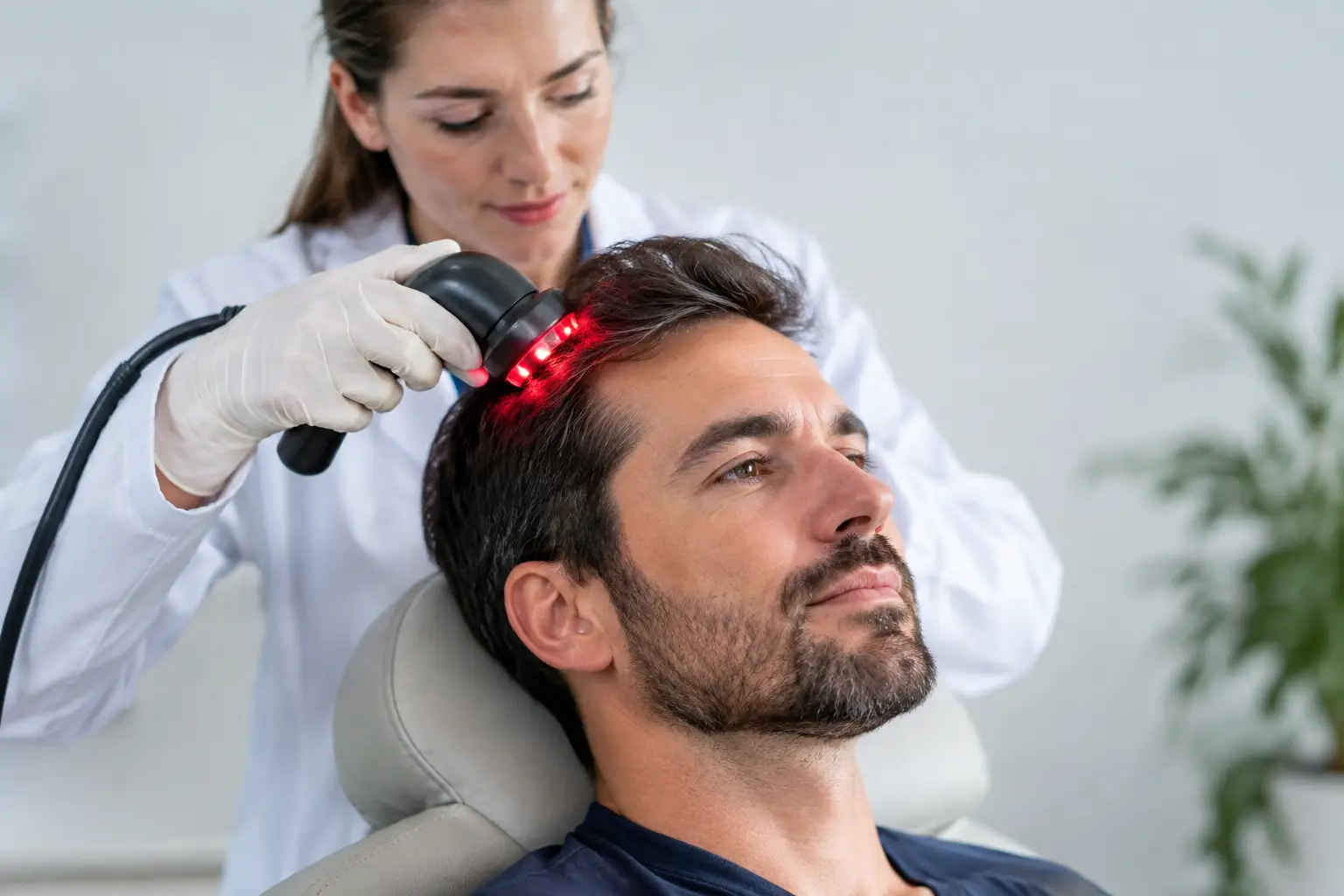
Medication may be appropriate for some patients with hereditary hair loss, though benefits, side effects, and suitability should be reviewed individually with a medical provider. Low-level laser therapy can support hair health through a noninvasive regimen, while regenerative hair loss injections may be considered for patients seeking another way to support thinning areas. Supplements such as Nutrafol can also have a role when nutritional support is appropriate.
The trade-off is that non-surgical therapies require consistency and usually produce gradual improvement rather than a dramatic overnight change. A transplant can create a more visible improvement in areas that are already bare, but it cannot replace every follicle lost over a lifetime. In many cases, combining surgical and non-surgical care produces the strongest long-term strategy.
How many grafts will I need?
Grafts are not the same as individual hairs. One follicular unit may contain one, two, three, or more hairs, and the number of grafts needed depends on the treatment area, your hair characteristics, and the density you hope to achieve.
A small hairline refinement may require far fewer grafts than restoring a larger frontal zone and crown. Curly or wavy hair can create the appearance of greater coverage than very straight, fine hair. Dark hair against light scalp skin may require a different density strategy than hair and skin with lower contrast.
Be cautious of plans based on a single number before an in-person assessment. The best treatment plan protects your donor supply and allocates grafts where they will make the most meaningful cosmetic difference. A skilled physician will discuss what is achievable now and what may be wise to reserve for the future.
What Will My Results Look Like?
The goal is not to create a hairline that looks transplanted. It is to create one that fits your face, age, hair-loss pattern, and future needs. A well-designed result often looks subtle at first glance: softer irregularity at the hairline, appropriate density transitions, and natural direction of growth.
Hairline placement is especially personal. A very low, dense hairline can sound appealing, but it may not age well and can consume valuable donor grafts. A thoughtful design balances confidence today with a believable result years from now.
For facial hair transplantation, the same principle applies. Beard and eyebrow restoration should complement your natural features rather than look overly uniform or sharply stamped on. Before-and-after photos can be helpful, but ask whether the patients shown have a similar hair type, level of loss, and treatment goal to yours.
When will I see new growth?
Patience is part of the process. Transplanted hairs commonly shed within the first several weeks after surgery, which is an expected part of the growth cycle. New growth often begins to appear around three to four months, becomes more noticeable over the following months, and continues to mature for up to 12 months or longer.
The timeline varies by patient and treatment area. Crown growth can appear slower than frontal hairline growth, and facial hair may mature differently from scalp hair. Your care team should explain what is normal during each stage so temporary shedding or early unevenness does not catch you by surprise.
What Is Recovery Like After FUE?
FUE is minimally invasive, but it is still a medical procedure and requires proper aftercare. Most patients experience small scabs, redness, and tenderness in the donor and recipient areas during the early healing period. You will need to protect the grafts, follow washing instructions, avoid strenuous exercise for a period of time, and limit direct sun exposure as directed.
Many patients return to desk-based work within a few days, depending on their comfort level and how visible they want the early healing stage to be. If your schedule includes travel, workouts, outdoor work, or a major event, discuss timing during your consultation. Planning ahead can make recovery less stressful.
ARTAS robotic FUE may be appropriate for selected patients and can assist with follicle harvesting. The technology is valuable, but the final outcome still relies on medical judgment, graft handling, recipient-site design, and artistic placement. Ask who is involved at each stage of the procedure and how your treatment plan is customized.
What Will Hair Restoration Cost?
Cost should be transparent, but it should never be the only deciding factor. Pricing can vary based on the number of grafts, the complexity of the area being treated, whether facial restoration is involved, and whether non-surgical therapies are included in the plan.
A lower quote may not reflect the same level of physician oversight, graft quality, planning, or post-procedure care. On the other hand, a higher price does not automatically guarantee better results. Ask what the estimate includes, whether financing is available, and how the practice supports you throughout recovery and growth.
The more useful question is value: are you receiving a medically sound plan designed to protect your long-term donor supply and deliver a natural result? Hair restoration is an investment in appearance and confidence, so the details matter.
Questions to Ask at Your Consultation
A productive consultation should leave you feeling informed, not rushed. Ask who will perform the key steps of your procedure, whether your hair loss is likely to continue, how your donor area will be assessed, and what non-surgical options could support your outcome. Ask to see results that resemble your hair characteristics and goals. You should also discuss medications, health conditions, recovery restrictions, realistic density, and the possibility of future treatment.
At Austin Hair Clinic, individualized planning begins with understanding what you see in the mirror and what outcome would help you feel like yourself again. Whether your best path is FUE, ARTAS robotic FUE, facial hair restoration, or a non-surgical program, a qualified evaluation can turn a broad concern into a clear next step.
The right hair restoration decision is rarely about chasing the fastest promise. It is about choosing a plan that respects your biology, protects your options, and gives you a result you can wear with confidence.