Free Scalp Analysis for Hair Loss Explained
Hair loss rarely starts with a dramatic moment. More often, it shows up in the mirror under bright bathroom lights, in photos taken from the wrong angle, or in the extra hairs left behind after a shower. That is exactly why a free scalp analysis for hair loss can be so valuable. It gives you a clearer picture of what is happening now, what may be causing it, and which treatment path actually makes sense for your goals.
For many people, the hardest part is not the treatment itself. It is knowing where to start. The internet offers endless advice, but much of it is generic, outdated, or disconnected from your specific pattern of thinning. A scalp analysis brings the conversation back to your hair, your scalp, and your long-term options.
What a free scalp analysis for hair loss actually does
A scalp analysis is a focused evaluation of the scalp and hair follicles designed to identify visible signs of thinning, miniaturization, shedding patterns, scalp health issues, and overall donor hair quality. In a medical hair restoration setting, it is more than a quick glance. It is an early diagnostic step that helps determine whether you may be dealing with male or female pattern hair loss, stress-related shedding, traction-related damage, inflammation, or a combination of factors.
That distinction matters. Hair loss is not one condition with one solution. Someone with a maturing hairline and stable donor density may be a strong candidate for FUE. Someone else may be better served by medication, regenerative therapies, low-level laser treatment, or a staged plan that starts conservatively and evolves over time. A good analysis helps avoid two common mistakes – waiting too long to act, or choosing a treatment that does not match the cause.
Why starting with the scalp matters
People often focus on the hair they can see, but the scalp tells a deeper story. Follicles can shrink gradually before bald areas become obvious. Density can drop in a diffuse pattern that is hard to detect day to day. In some cases, the scalp may also show signs of irritation, buildup, or sensitivity that can influence treatment decisions.
A proper scalp analysis creates a baseline. That baseline helps you measure progression instead of guessing. It also gives a physician or hair restoration specialist a starting point for discussing realistic outcomes. If you are considering treatment because you want to look younger, feel more like yourself, or regain confidence in professional and social settings, that honesty matters. Good care starts with a clear assessment, not a sales pitch.
What happens during a scalp analysis appointment
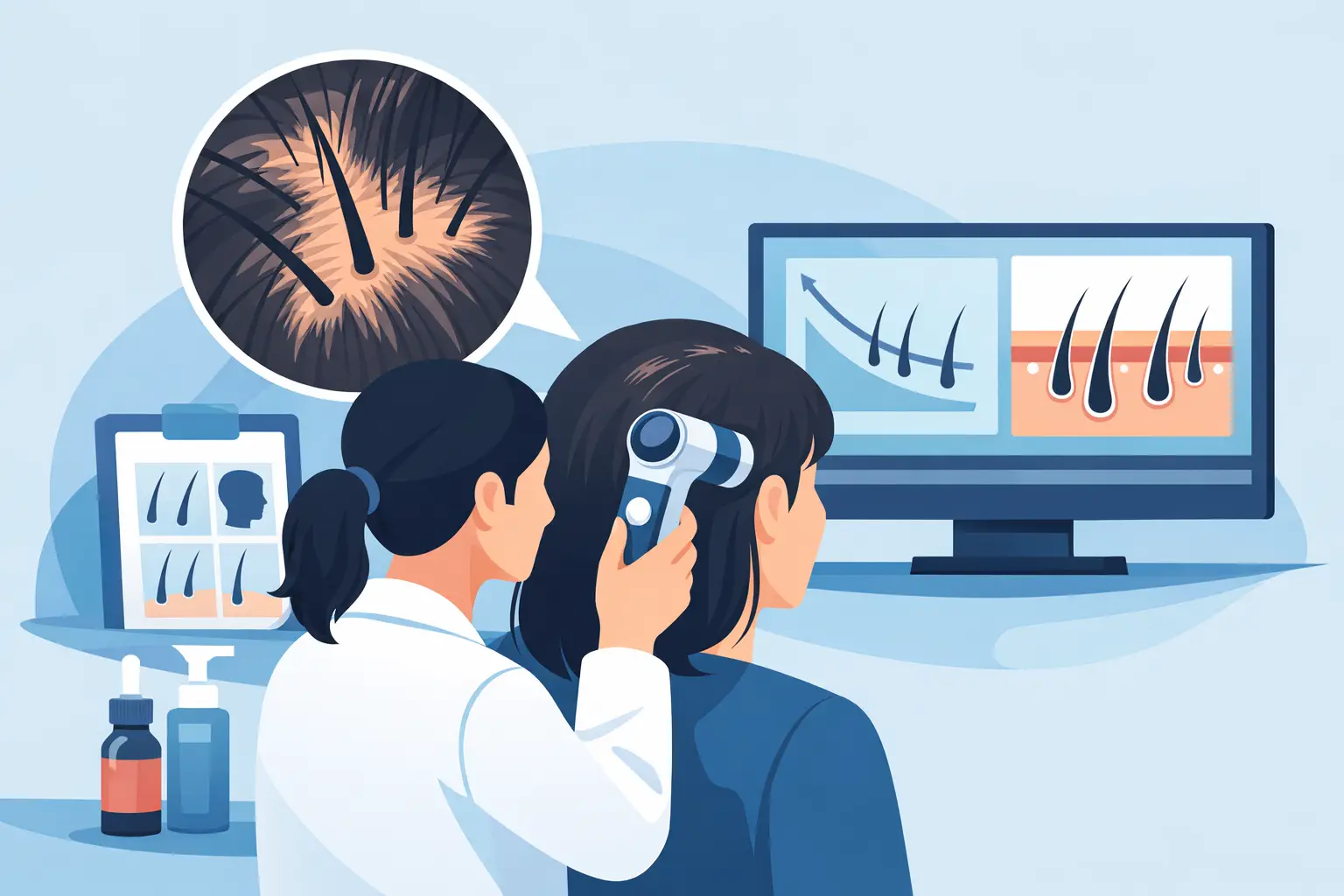
Most patients are relieved to learn that this step is straightforward and noninvasive. In many clinics, the visit includes a review of your concerns, medical history, family history of hair loss, current medications, and how long you have noticed changes. The provider will examine the scalp closely, often using magnification or imaging tools to evaluate follicle health and hair shaft variation.
They may assess hairline recession, crown thinning, diffuse loss across the top, and donor area density on the sides and back of the scalp. If facial hair restoration is part of your interest, beard or eyebrow density can also be discussed. The goal is not simply to confirm that hair loss exists. It is to identify the pattern, estimate progression, and match treatment to the anatomy you have now.
This is also where expectations get calibrated. Some patients are early enough in the process to preserve a great deal of native hair. Others may already be strong candidates for a transplant because the loss pattern is established and donor supply is favorable. Many need a blended approach. That is why a medical evaluation is more useful than a one-size-fits-all recommendation.
What your results may reveal
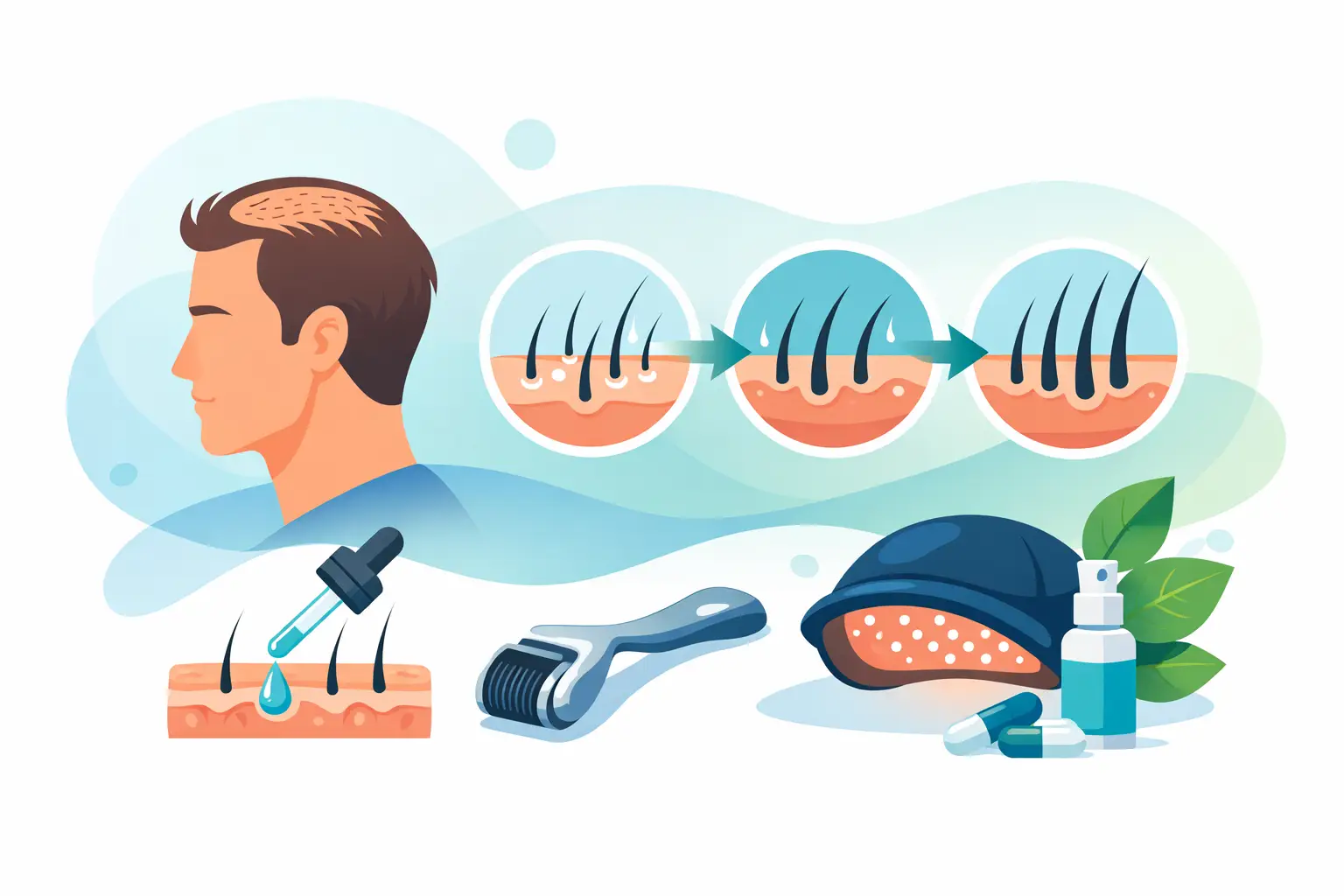
A scalp analysis can point toward several different paths. If you are showing early miniaturization, the priority may be preservation. That could mean medication, regenerative hair loss injections, low-level laser therapy, supplements, or genomic testing that helps refine medication choices. If the hairline has receded significantly or the crown has lost density over time, restoration may become part of the conversation.
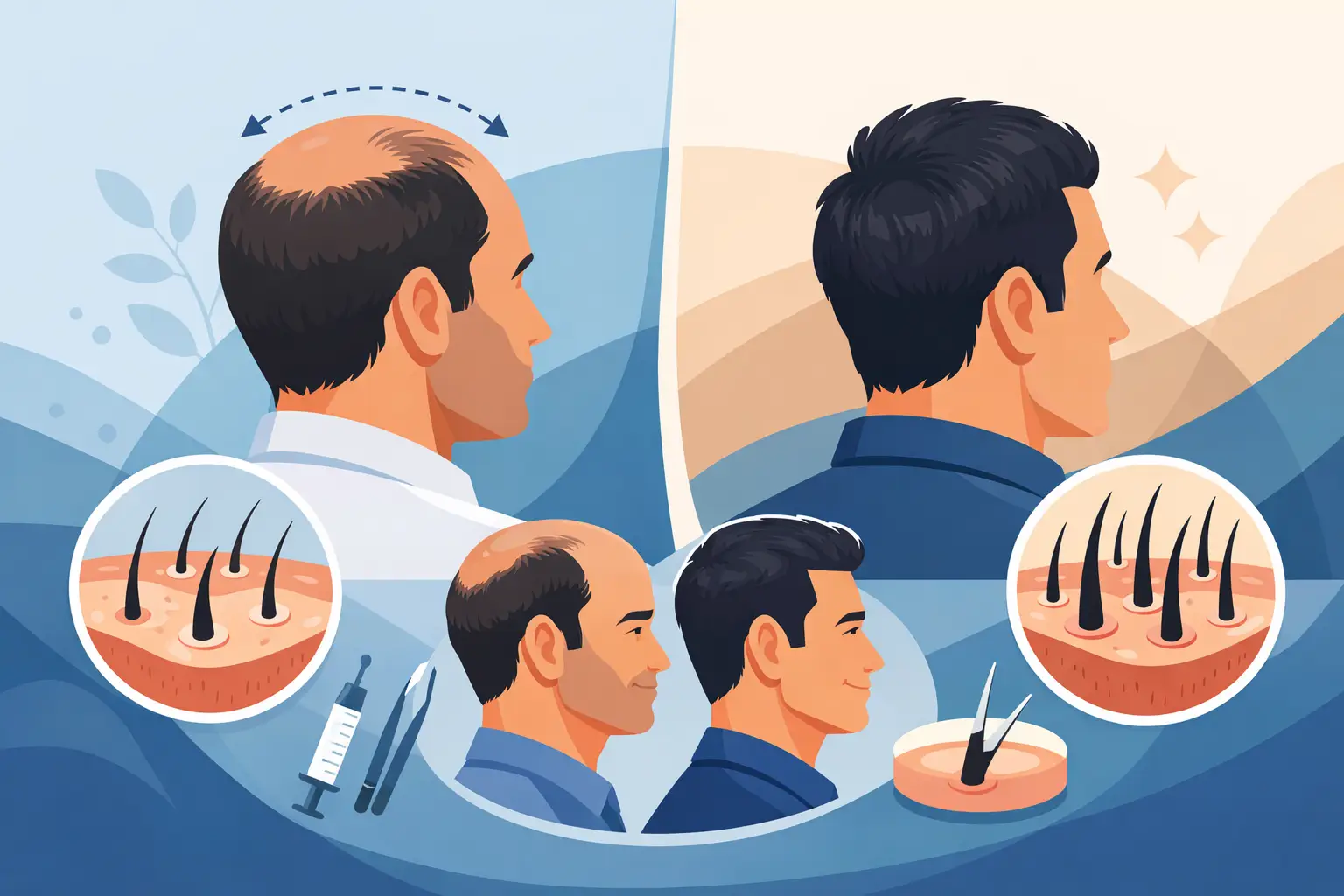
For transplant candidates, donor quality is one of the most important findings. FUE works by redistributing healthy follicles from stable donor zones to areas that need coverage. If donor density is strong, a physician can design a more effective and natural-looking plan. If donor supply is limited, strategy becomes even more important. A responsible clinic will explain those trade-offs clearly rather than overpromise density that cannot be delivered.
Scalp analysis can also reveal when surgery is not the first answer. That is a good thing. The best outcome is not tied to one procedure. It comes from choosing the right intervention at the right time.
Free does not mean superficial
Some patients hesitate when they see the word free. They assume the appointment will be rushed or purely promotional. In the right medical practice, that should not be the case. A free consultation or scalp analysis can still be detailed, personalized, and clinically useful. The point is to remove the barrier to getting expert eyes on the problem before it worsens.
That first visit should leave you better informed than when you arrived. You should walk away understanding your likely hair loss pattern, the treatment categories available to you, the realistic timeline for improvement, and whether you are dealing with a condition that may continue to progress without intervention.
At Austin Hair Clinic, the value of a free scalp analysis is not just that it costs nothing. It is that it gives patients a medically guided starting point in a setting built around long-term hair restoration, not guesswork.
How this helps you choose between treatments
One of the most practical benefits of a scalp analysis is that it narrows the field. Patients often come in comparing FUE, ARTAS robotic FUE, medications, laser therapy, regenerative options, and supplements all at once. Without a diagnosis, those choices can feel overwhelming.
A proper assessment helps sort what is urgent from what is optional. If your main issue is progressive miniaturization, preservation may take priority over surgery. If the front hairline has permanently receded and bothers you every day, transplant design may be the most meaningful step. If you have diffuse thinning, the plan may need to strengthen existing hair before any surgical discussion makes sense.
This is also where personalization matters. Age, family history, styling habits, health conditions, and your tolerance for downtime all influence the best recommendation. A younger patient with aggressive early loss may need a conservative long-term strategy. A middle-aged professional with stable recession may be ready for a more definitive cosmetic change. The answer depends on more than photos.
Questions worth asking during your consultation
The best consultations are collaborative. You do not need to know every medical term, but you should feel comfortable asking what pattern of loss you have, whether it appears stable or progressive, and which treatments are expected to preserve hair versus restore it. It is also reasonable to ask how donor density affects your options, what kind of results are realistic, and how long improvement usually takes.
If a transplant is discussed, ask about graft estimates, hairline design, recovery, and whether non-surgical support is recommended before or after the procedure. If non-surgical treatment is recommended first, ask how progress will be monitored and when a different step might be considered. Clear answers build confidence because they show there is a plan behind the recommendation.
When to book a free scalp analysis for hair loss
Sooner is usually better. Hair loss is easier to manage when there are more follicles to preserve and more donor options to work with. That does not mean everyone needs immediate surgery or medication. It means early information gives you leverage.
If you have noticed a widening part, increased scalp visibility, recession at the temples, thinning in the crown, reduced beard density, or a general drop in volume that styling no longer hides, it is a smart time to get evaluated. Even if you are not ready to commit to treatment, a baseline today can help you make better decisions six months from now.
Confidence tends to improve when uncertainty goes down. A free scalp analysis for hair loss is a simple first step, but for many patients, it is the moment hair loss stops feeling vague and starts feeling manageable. The right plan begins with seeing the situation clearly, and that clarity can change more than your hairline.