Oral Minoxidil Versus Topical: Which Fits You?
A daily pill may sound simpler than working a foam or solution into your scalp, but oral minoxidil versus topical is not merely a convenience decision. Both treatments can support fuller-looking hair and slow progressive thinning, yet they differ in how they are prescribed, monitored, tolerated, and incorporated into a long-term hair restoration plan.
For men and women who are frustrated by a widening part, thinning crown, or receding hairline, the best choice is the one you can use consistently and safely. That often comes down to your pattern of hair loss, medical history, goals, and willingness to follow a routine.
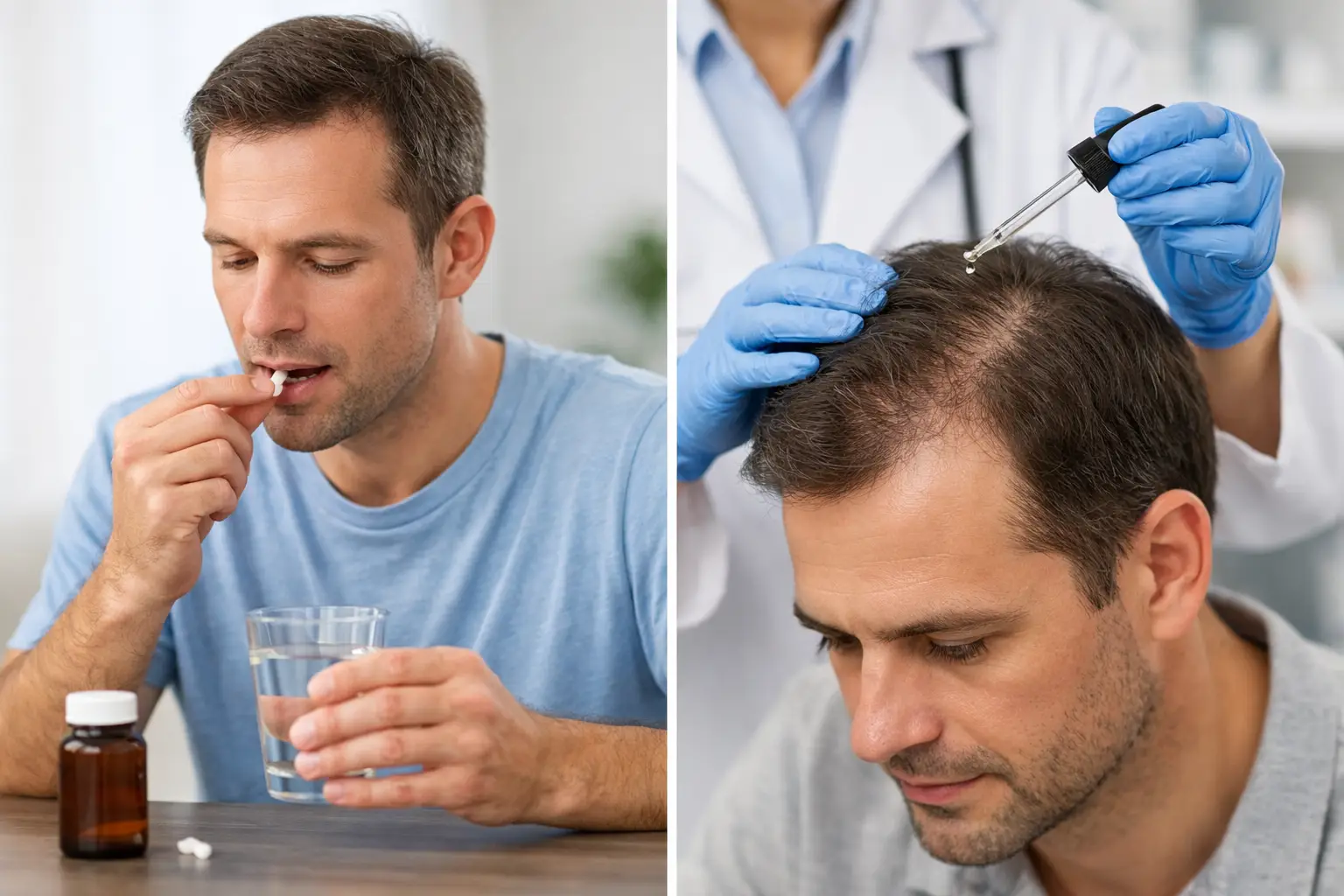
Oral Minoxidil Versus Topical: The Core Difference
Topical minoxidil is applied directly to the scalp, typically as a liquid solution or foam. It is FDA-approved for certain forms of pattern hair loss and is widely available in 2% and 5% strengths. The medication is absorbed through the scalp and encourages hair follicles to remain in the growth phase longer.
Oral minoxidil is a tablet taken by mouth. At higher doses, minoxidil was originally developed as a blood pressure medication. In hair restoration, physicians may prescribe much lower doses for hair loss. This is considered off-label use, meaning the medication is being used in a way that has not received FDA approval specifically for hair growth.
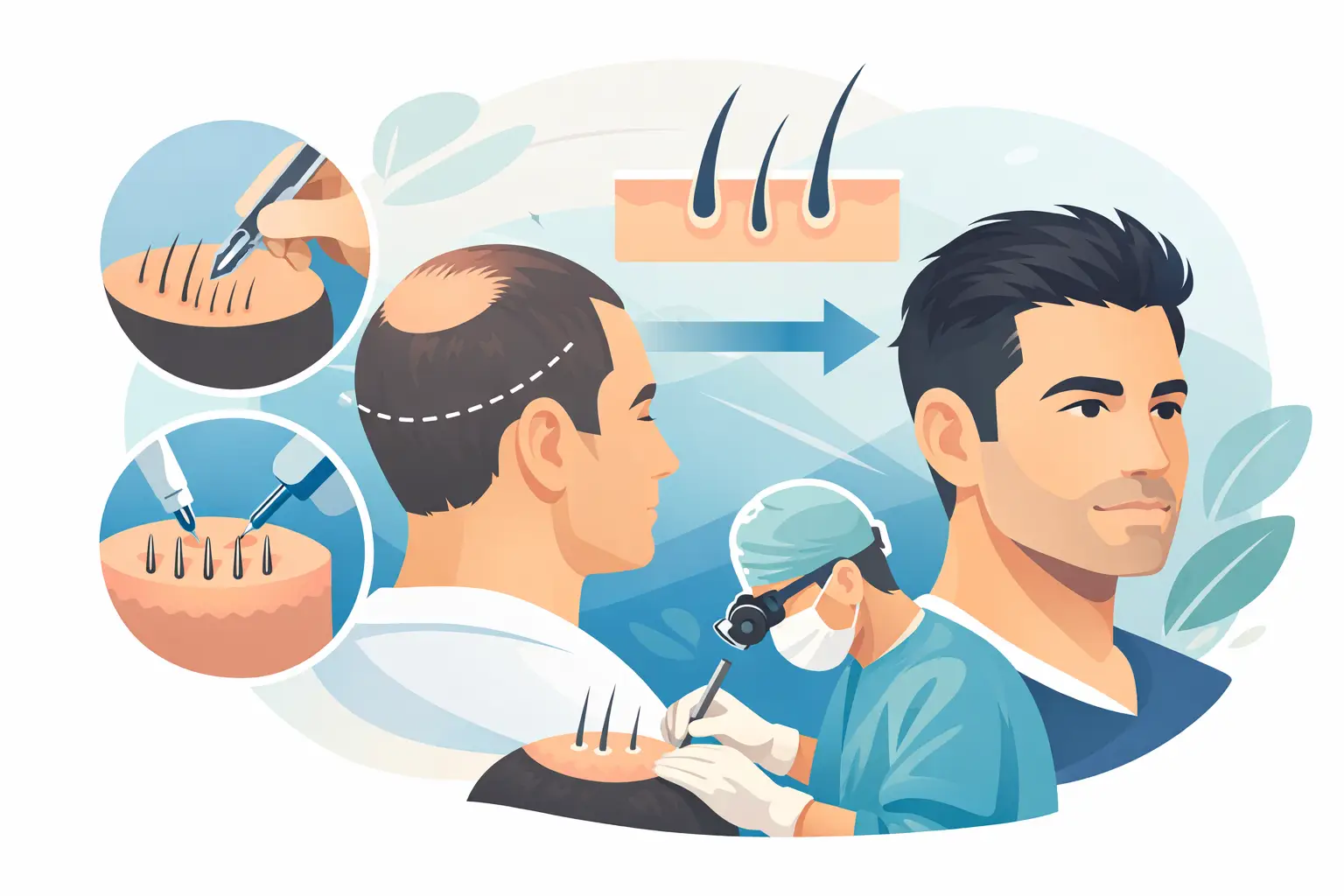
Both options are intended to stimulate follicles that are still viable. Neither creates new follicles in areas where hair has been absent for years, and neither can guarantee a particular result. That distinction matters when deciding whether medication alone is likely to meet your expectations or whether it should support another solution, such as regenerative treatments or FUE hair transplantation.
How Topical Minoxidil Fits Into a Hair Loss Routine
Topical minoxidil remains a sensible starting point for many patients. It has a long clinical history, does not require a prescription in its standard over-the-counter forms, and delivers treatment directly where it is needed.
The challenge is consistency. Depending on the product and treatment plan, topical minoxidil may need to be applied once or twice daily. Hair should be dry before application, and the product needs time to dry before styling, sleeping, or wearing a hat. For busy professionals, that routine can become difficult to maintain, especially with longer hair or frequent styling.
Some patients also develop scalp dryness, flaking, itching, redness, or irritation. The liquid formula can be particularly bothersome for sensitive scalps because of its inactive ingredients. Foam is often better tolerated, though it is not the right answer for every patient.
Topical treatment can be especially appealing if you prefer to avoid systemic medication or have a medical history that makes oral treatment less appropriate. It can also work well for patients with early thinning who are comfortable with a daily scalp-care routine.
What results can you expect?
Minoxidil works gradually. Increased shedding can occur during the first several weeks as older hairs cycle out, which can be unsettling but is not always a sign the treatment is failing. Meaningful changes often require several months of consistent use, and results vary based on genetics, the extent of thinning, and whether other treatments are being used.
The goal is often stabilization first: reducing ongoing miniaturization and preserving the hair you have. Visible thickening may follow, but expectations should remain realistic. If treatment is stopped, hair supported by minoxidil may gradually return to its previous growth pattern.
Why Some Patients Consider Oral Minoxidil
Low-dose oral minoxidil can be an appealing option for patients who cannot tolerate topical products, find application inconvenient, or have struggled to stay consistent. One tablet can eliminate the mess, residue, and styling limitations associated with scalp application.
Because oral minoxidil works systemically, some patients may notice improvement across broader areas of the scalp. It may be considered for diffuse thinning, including thinning that affects the top of the scalp more generally rather than one isolated area. Women with diffuse shedding and men with early to moderate pattern hair loss are among the patients who may discuss this option with a qualified physician.
Convenience, however, should never be mistaken for a lower-stakes treatment. Oral minoxidil enters the bloodstream, so it requires a thoughtful medical review. A prescription should follow a discussion of your health history, current medications, blood pressure, heart history, and potential risks.
Oral minoxidil side effects and monitoring
Possible side effects of low-dose oral minoxidil include unwanted hair growth on the face or body, fluid retention, ankle swelling, headaches, dizziness, rapid heartbeat, or changes in blood pressure. Although serious reactions are uncommon at low doses, they require attention. Patients should contact their prescribing clinician promptly if they experience chest pain, shortness of breath, fainting, significant swelling, or a racing heartbeat.
Oral minoxidil is not appropriate for everyone. People with certain cardiovascular conditions, low blood pressure, kidney concerns, or a history of medication-related swelling may need a different approach. Pregnancy and breastfeeding also require special consideration. Your prescriber may recommend checking blood pressure and following up after starting treatment or adjusting the dose.
This is where personalized care matters. A medication that is effective and well tolerated for a friend, coworker, or online reviewer may not be the right medication for you.
Effectiveness: Is One Better Than the Other?
There is no universal winner. Both oral and topical minoxidil can be effective for appropriate candidates, and both require continued use to maintain their benefits. Oral minoxidil may offer a practical advantage for someone who repeatedly misses topical applications. Topical minoxidil may be the preferable choice for someone who wants to limit systemic exposure and has no trouble following the routine.
Adherence often influences the outcome as much as the format. A theoretically excellent treatment cannot help if it stays in the bathroom cabinet. Conversely, a patient who applies topical minoxidil reliably for months may see better results than someone who stops an oral prescription after a few weeks because of unwanted side effects.
Your underlying diagnosis also changes the discussion. Pattern hair loss, telogen effluvium, traction-related loss, autoimmune conditions, nutritional deficiencies, and scarring hair loss do not all respond the same way. Before beginning either form of minoxidil, a scalp evaluation can help identify whether miniaturization is present and whether another issue needs to be addressed first.
Choosing Based on Your Lifestyle and Goals
Topical minoxidil may be a better fit if you want an accessible, nonprescription option, prefer a localized treatment, or have medical reasons to avoid oral medication. It is also a reasonable option for patients who are comfortable committing to regular application.
Oral minoxidil may be worth discussing if topical products irritate your scalp, interfere with styling, or have been difficult to use consistently. It can be particularly useful when a physician believes the potential benefit outweighs the systemic risks and can provide proper follow-up.
For many patients, minoxidil is only one part of a larger plan. Prescription medications may be considered when appropriate. Low-level laser therapy, regenerative hair loss injections, nutritional support, and diagnostic testing can address different aspects of hair thinning. When loss is advanced or the hairline requires lasting cosmetic restoration, an FUE transplant can redistribute healthy follicles into areas that medication alone cannot rebuild.
At Austin Hair Clinic, treatment planning begins with understanding what your hair loss is doing now and what you want your appearance to look like in the years ahead. A personalized recommendation should account for safety, convenience, future hair loss, and the natural-looking result you want to protect.
Questions to Ask Before Starting Minoxidil
Before choosing a treatment, ask whether your hair loss diagnosis has been confirmed, how long you should use the medication before evaluating progress, and what side effects should prompt a call to your clinician. If oral treatment is being considered, ask how your dose will be selected, whether blood pressure monitoring is recommended, and how it may interact with your existing medications.
Also ask what happens if minoxidil is not enough. Knowing the next step prevents months of uncertainty and helps you make decisions with confidence rather than reacting to every shed hair or social media claim.
Hair loss treatment is rarely about finding a single miracle product. It is about choosing a medically sound plan you can sustain, then giving that plan enough time to work. A professional consultation can turn the oral-versus-topical question into a clearer path toward stronger coverage and renewed confidence.