Is Robotic FUE Better? What Patients Should Know

A receding hairline can make a person feel older than they are, even when everything else about their appearance says otherwise. When researching modern restoration options, many patients ask, is robotic FUE better than traditional FUE? The honest answer is that robotic technology can be an excellent tool for the right candidate, but it is not automatically the best choice for every scalp, hair type, or aesthetic goal.
ARTAS® robotic FUE brings advanced imaging and automated assistance to one of the most delicate parts of hair transplantation: selecting and harvesting donor follicles. The technology may improve consistency and efficiency, but a natural-looking outcome still depends on physician oversight, a thoughtful hairline design, and a treatment plan built around your long-term pattern of hair loss.
Is Robotic FUE Better Than Traditional FUE?
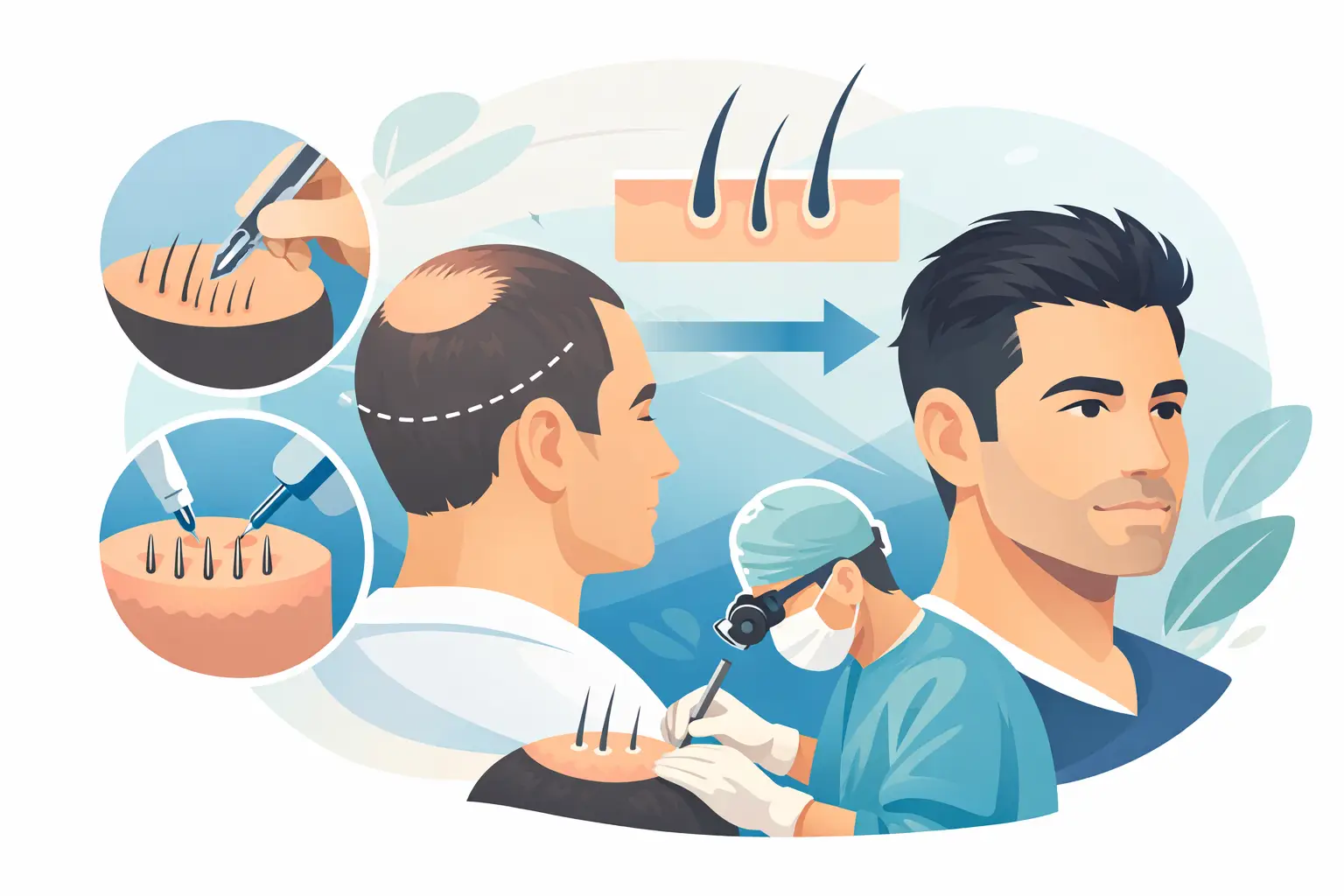
Robotic FUE may be better when a patient is a strong candidate for the technology and values a highly consistent, technology-assisted approach to donor harvesting. During follicular unit extraction, individual follicular units are removed from the donor area, usually at the back and sides of the scalp, and placed into thinning areas. Because follicles are extracted one by one, FUE does not leave the linear scar associated with FUT strip surgery.
With robotic FUE, the ARTAS system uses digital imaging to identify and select suitable grafts within the donor zone. It can assist with the angle, direction, and spacing of extractions, helping the care team harvest efficiently while distributing removal across the donor area. This can be especially appealing to patients who prefer a minimally invasive approach and want to avoid a linear incision.
Still, “better” is not synonymous with “more automated.” A hair transplant is both a medical procedure and an aesthetic procedure. The robot does not replace the physician’s judgment about whether you are a candidate, how many grafts should be taken, where a mature hairline should sit, or how future hair loss could affect your appearance. Those decisions shape whether results look natural not only after growth begins, but years later.
What Robotic FUE Can Offer
The most meaningful benefit of robotic FUE is precision during donor harvesting. The ARTAS system analyzes the donor area and helps identify follicular units based on parameters set by the physician and clinical team. This technology-assisted selection can support a consistent extraction pattern and help avoid overharvesting one concentrated area.
For some patients, robotic assistance can also make larger FUE sessions more efficient. That may matter when restoring a broad frontal hairline, adding density through the midscalp, or addressing more advanced pattern baldness. Efficient harvesting does not mean rushed care. It means technology can support the repetitive, detail-intensive portion of the process while the medical team remains focused on graft quality and patient safety.
Robotic FUE also preserves the core advantages patients associate with FUE: tiny extraction sites, no linear donor scar, and the ability to wear hair shorter after healing. Most patients experience temporary redness, swelling, and scabbing during the early recovery period. The exact timeline varies, but many return to non-strenuous daily activities within several days while following their post-procedure instructions carefully.
Where Traditional FUE May Be the Better Fit
Standard manual FUE remains a highly advanced and effective procedure. In skilled hands, it gives the physician and surgical team substantial flexibility in how each graft is evaluated and harvested. For some patients, that individualized control may be particularly valuable.
Hair characteristics matter. Curly or tightly curled hair, very fine hair, light-colored hair, certain donor patterns, and differences in scalp characteristics can affect whether robotic technology is ideal. ARTAS candidacy has expanded over time, but not every patient benefits equally from the same device or technique. A thorough scalp analysis is more useful than assuming one method is superior based on a general description online.
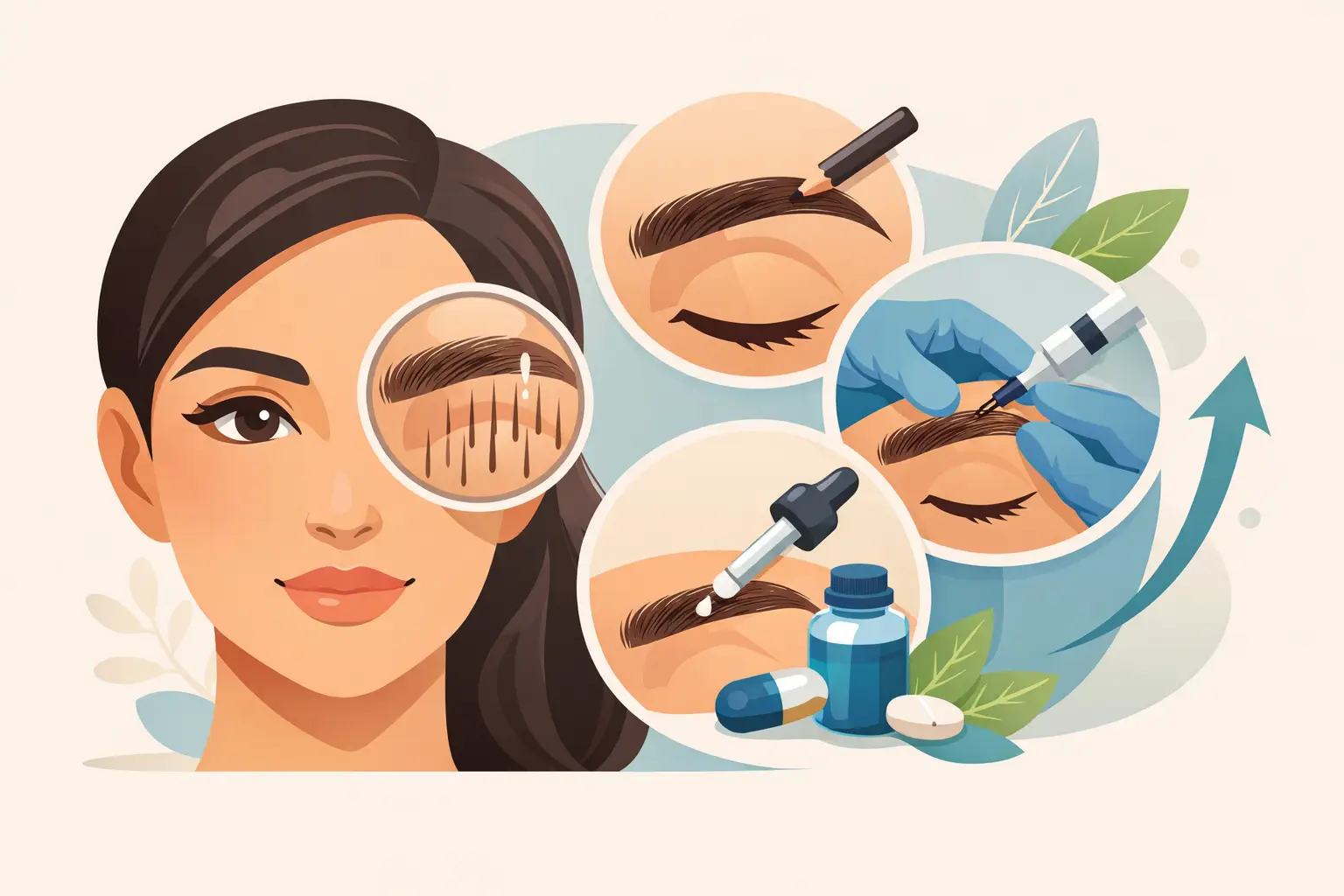
Manual FUE may also be preferred when a patient needs a highly customized extraction strategy, has limited donor supply, or is having a procedure focused on a smaller, detail-driven area. Beard and eyebrow restoration, for example, demand careful attention to direction, angle, and placement. The best technique should be selected for the treatment area and the aesthetic objective, not simply because it is the newest option.
The Technology Does Not Design Your Hairline
A convincing hair transplant should look like it belongs to you. That means respecting facial proportions, existing hair direction, age, family history, and the possibility of continued hair loss. A very low, dense hairline may seem appealing in the moment, but it can use too much donor hair and look unnatural as a patient ages.
This is where direct physician involvement matters. Dr. Sanjeev Dubey and the Austin Hair Clinic team evaluate more than the visible thinning area. They consider donor density, hair caliber, scalp health, future loss patterns, and whether medical therapies may help protect existing hair. A personalized plan may include FUE alone, or it may combine transplantation with medication, regenerative hair loss injections, low-level laser therapy, or other supportive treatments.
The placement phase is equally critical. Grafts must be handled carefully and placed at natural angles. Single-hair grafts are often used along the leading edge of a hairline to create softness, while multi-hair grafts can provide density behind it. No harvesting technology can compensate for an artificial hairline design or poor graft placement.
Who Is a Good Candidate for Robotic FUE?
The strongest candidates generally have stable enough donor hair, realistic expectations, and a pattern of loss that can be addressed without exhausting the donor area. Men and women can both be candidates, although the cause and pattern of thinning should be diagnosed before scheduling any surgical procedure.
A consultation should clarify whether your hair loss is genetic, hormonal, inflammatory, medication-related, stress-related, or connected to another medical concern. Transplanting into an actively unstable pattern of loss without a broader strategy can leave patients chasing thinning areas over time. For some people, non-surgical treatment should come first. For others, surgery can be part of a well-planned confidence-restoring solution.
Patients should also understand the growth timeline. Transplanted hairs typically shed after the procedure before new growth begins. Early growth may appear around three to four months, with more visible change developing over subsequent months. Final maturation commonly takes close to a year, sometimes longer depending on the individual and the treatment area.
Questions to Ask Before Choosing Robotic FUE
Rather than asking only whether a clinic offers a robot, ask how the treatment plan will protect your donor hair and support a natural result. It is reasonable to ask who designs the hairline, who performs each part of the procedure, how graft counts are determined, and what options are available if hair loss continues.
You should also ask whether robotic FUE is specifically recommended for your hair characteristics or simply presented as a premium upgrade. A reputable medical hair restoration practice will explain both the benefits and limitations in clear language. The goal is not to sell a device. The goal is to choose the approach that gives you the most appropriate path toward lasting, natural-looking coverage.
Cost is another practical consideration. Pricing may vary based on the number of grafts, the complexity of the case, the technique used, and whether additional treatments are recommended. Financing options can make treatment more manageable, but the quality of planning and medical oversight should remain central to the decision.
A Better Question Than “Which Method Is Best?”
The better question is: which approach is best for your donor supply, hair loss pattern, lifestyle, and goals? Robotic FUE can be a valuable option for patients who fit the technology well. Traditional FUE can be equally appropriate, and sometimes more appropriate, when a different harvesting strategy offers greater customization.
A detailed scalp evaluation can replace uncertainty with a plan that reflects your own hair, not a one-size-fits-all promise. If restoring your hair would help you feel more like yourself again, start by choosing a medical team that treats every graft and every long-term decision with the care it deserves.