Receding Hairline Treatment Options That Work

A receding hairline rarely starts with a dramatic moment. More often, it shows up in photos, under bright bathroom lighting, or when styling your hair takes more effort than it used to. If you are researching receding hairline treatment options, you are probably not looking for hype. You want to know what actually works, what results are realistic, and which approach makes sense for your stage of hair loss.
That is the right way to think about it. A receding hairline is not one-size-fits-all, and the best treatment depends on why it is happening, how far it has progressed, your age, your hair characteristics, and how aggressive you want to be.
What causes a receding hairline?
In most men, the most common cause is androgenetic alopecia, also called male pattern hair loss. This usually begins at the temples and can slowly reshape the frontal hairline over time. Some men keep a mature hairline that stabilizes. Others continue to lose density and see the corners move farther back.
Women can also experience frontal thinning, though it often looks different. Instead of a classic M-shaped recession, women may notice widening, reduced density near the front, or diffuse thinning that makes the hairline appear less defined.
There are other possibilities too. Traction from tight hairstyles, hormonal changes, stress-related shedding, inflammation, and certain medical conditions can all affect the front of the scalp. That is why a professional evaluation matters. Treating the wrong problem wastes time and usually leads to disappointment.
Receding hairline treatment options: what actually helps?
The strongest treatment plans usually fall into two categories: slowing future loss and restoring what has already been lost. In many cases, the best results come from combining both.
Medications to slow progression
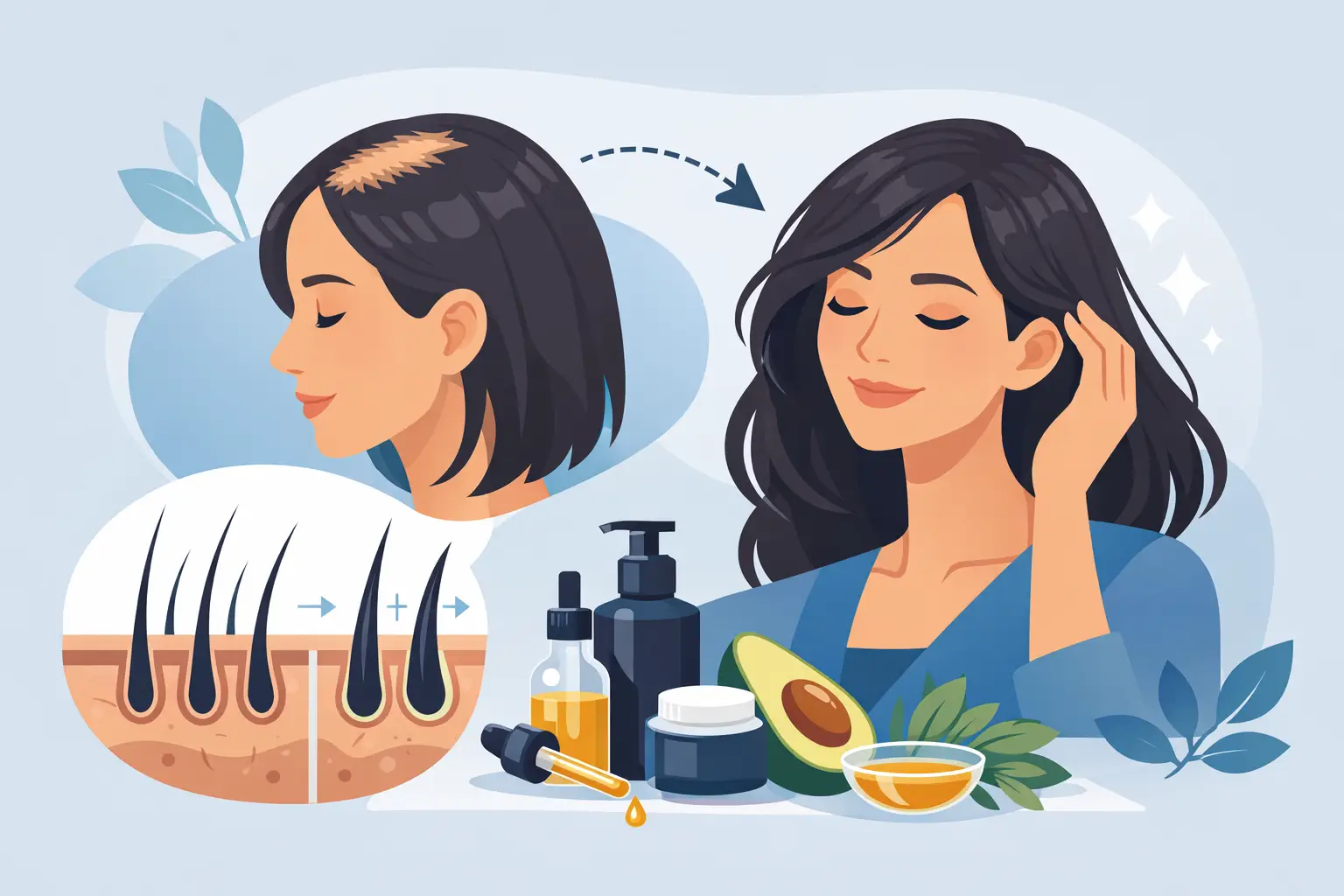
For patients in the earlier stages of recession, medication is often the first step. The goal is not to create a brand-new hairline overnight. The goal is to preserve vulnerable follicles, slow ongoing miniaturization, and in some cases improve density.
Finasteride is one of the most established options for men with pattern hair loss. It works by reducing DHT, the hormone most responsible for shrinking susceptible hair follicles. Many men see stabilization, and some see thickening over time. The trade-off is that consistency matters, and results are gradual. It also is not the right fit for everyone, so medical guidance is important.
Minoxidil is another common option. It can help support blood flow and prolong the growth phase of hair. Some patients use topical forms, while others may be candidates for oral minoxidil under physician supervision. Minoxidil can be helpful for both men and women, but again, it works best when expectations are realistic. It can improve density and help maintain hair, but it usually does not rebuild a significantly receded hairline by itself.
For many patients, medications are less about dramatic cosmetic change and more about protecting the investment in the hair they still have.
Regenerative treatments for support
Some patients want a non-surgical treatment that goes beyond at-home medication. This is where regenerative hair loss injections may come into the conversation. These treatments are designed to support scalp health and stimulate weakened follicles in patients who still have active hair in the treatment area.
They are most useful for thinning, not for slick bald areas where follicles are no longer viable. That distinction matters. If the temples are only starting to thin, regenerative treatment may help support stronger growth. If the hairline has been gone for years, restoration usually requires transplantation.
This category can be a strong complement to medication or a transplant plan, especially for patients focused on long-term maintenance.
Low-level laser therapy
Low-level laser therapy is another non-surgical option that can support hair growth in some patients. It is typically used as part of a broader treatment strategy rather than a stand-alone fix for a receding hairline.
Laser therapy may help improve the environment around weakened follicles, but it requires ongoing use and patience. It is best viewed as supportive care. Patients who do well with it are usually those who still have thinning hairs to strengthen, not those with advanced frontal loss.
Supplements and personalized planning
Not every hairline problem is purely genetic. Nutritional support, stress, scalp health, and individual biology can all influence outcomes. Supplements may be helpful in selected cases, particularly when they are part of a broader physician-guided plan.
Some clinics also use diagnostic tools to better understand how a patient may respond to specific therapies. That can be valuable when someone has tried generic solutions without success and wants a more personalized strategy.
When a hair transplant becomes the best option
If your hairline has clearly moved back and the goal is to restore shape, density, and framing around the face, surgery may be the most effective answer. This is especially true when follicles in the receded area are no longer producing meaningful hair.
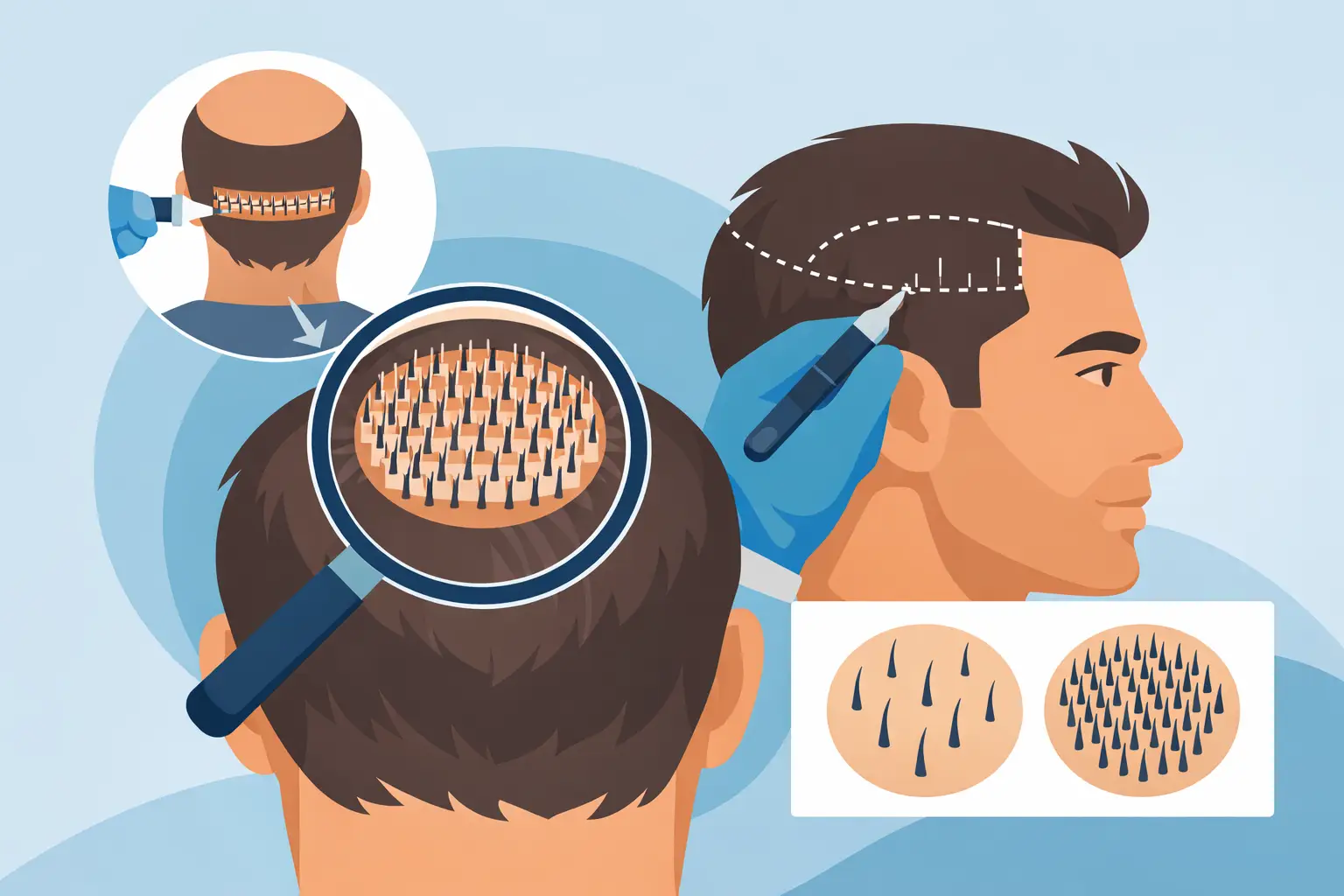
FUE hair transplantation is one of the most popular choices for this reason. With Follicular Unit Extraction, individual grafts are harvested and placed into the hairline with careful attention to direction, density, and natural design. Done well, the result should not look like plugs or a painted-on line. It should look like your hairline, only stronger and better positioned.
This is where expertise matters more than marketing. A hairline is the most visible part of a transplant. If the angle is off, the density is poorly distributed, or the design is too low or too straight, the result can look unnatural. The best surgical work respects your facial structure, age, ethnicity, donor supply, and the likelihood of future loss.
For some patients, robotic-assisted FUE can also be part of the conversation. Advanced systems can improve efficiency and consistency in harvesting, but the technology is only one part of the equation. Planning, artistry, and physician oversight still drive the outcome.
Surgical vs non-surgical receding hairline treatment options
Patients often ask which route is better. The honest answer is that it depends on what you are trying to fix.
If you are in the early stages and still have miniaturizing hairs at the front, non-surgical treatment may be enough to stabilize the problem and improve the look of density. That can buy time, preserve options, and in some cases help you avoid surgery for years.
If the hairline has already receded to the point that bare scalp is visible, non-surgical options will usually have limits. They may help protect surrounding hair, but they are unlikely to recreate a defined frontal edge. That is where FUE tends to offer the clearest cosmetic improvement.
Many of the best plans combine both. Transplantation restores the missing hairline. Medication, regenerative therapy, or laser treatment helps maintain the native hair behind it. That combination often gives patients the most natural-looking and durable result.
What to expect from results
This is where patients appreciate a straight answer. Hair restoration takes time.
With medication or laser therapy, improvements may take several months to become noticeable. Some patients first notice less shedding before they notice visible thickening. With a transplant, the newly placed grafts typically shed before growing again, so patience is part of the process. Early growth can begin within a few months, but fuller results usually develop over 9 to 12 months, sometimes longer.
Results also depend on donor quality, hair caliber, scalp contrast, and the amount of loss you started with. Someone with thick, coarse dark hair and a strong donor area may see a different cosmetic impact than someone with fine hair and advanced recession. A reputable clinic will talk through those variables before recommending treatment.
Choosing the right provider for a receding hairline
A receding hairline is a small area anatomically, but it has an outsized effect on appearance. That is why treatment should never be reduced to price alone.
Look for a practice that offers more than one solution, because the right recommendation is not always surgery. You want medical evaluation, honest candidacy guidance, and a plan that accounts for future hair loss rather than just the next few months. You also want to know who is designing the hairline, who is involved in the procedure, and how natural results are achieved.
At Austin Hair Clinic, patients often begin with a scalp analysis and consultation to understand whether they are best served by maintenance therapy, FUE transplantation, or a combined approach. That kind of personalized planning is what helps good results age well.
The right treatment is not always the most aggressive one. It is the one that fits your pattern of loss, your goals, and your timeline. If your hairline has started to change, getting a clear diagnosis early gives you more options, better control, and a better chance of keeping the result looking natural for years. A thoughtful plan today can save you a lot of frustration later.