What Makes a Natural Looking Hair Transplant?

A natural looking hair transplant is rarely about one dramatic moment in the mirror. It is usually the result of dozens of small, precise decisions made well before the first graft is placed. Patients often come in focused on density, but what they really want is something more specific – a result that does not look transplanted.
That difference matters. A full hairline that sits too low, angles the wrong way, or ignores how your hair naturally grows can draw attention for the wrong reasons. The best outcomes restore hair in a way that fits your age, facial structure, donor supply, and long-term pattern of loss.
What a natural looking hair transplant really means
When people use the phrase natural looking hair transplant, they are usually describing a few things at once. They want a hairline that suits their face. They want growth that blends with existing hair. They want enough density to make a visible improvement without creating an artificial wall of hair. And they want the result to age well over time.
Natural does not always mean aggressive. In fact, one of the most common mistakes in hair restoration is chasing a hairline that looks good in a sketch but not on a real person five or ten years later. Strong results come from restraint as much as skill. The goal is not to recreate your teenage hairline at any cost. The goal is to create believable coverage that looks like it belongs to you.
The hairline is where everything starts
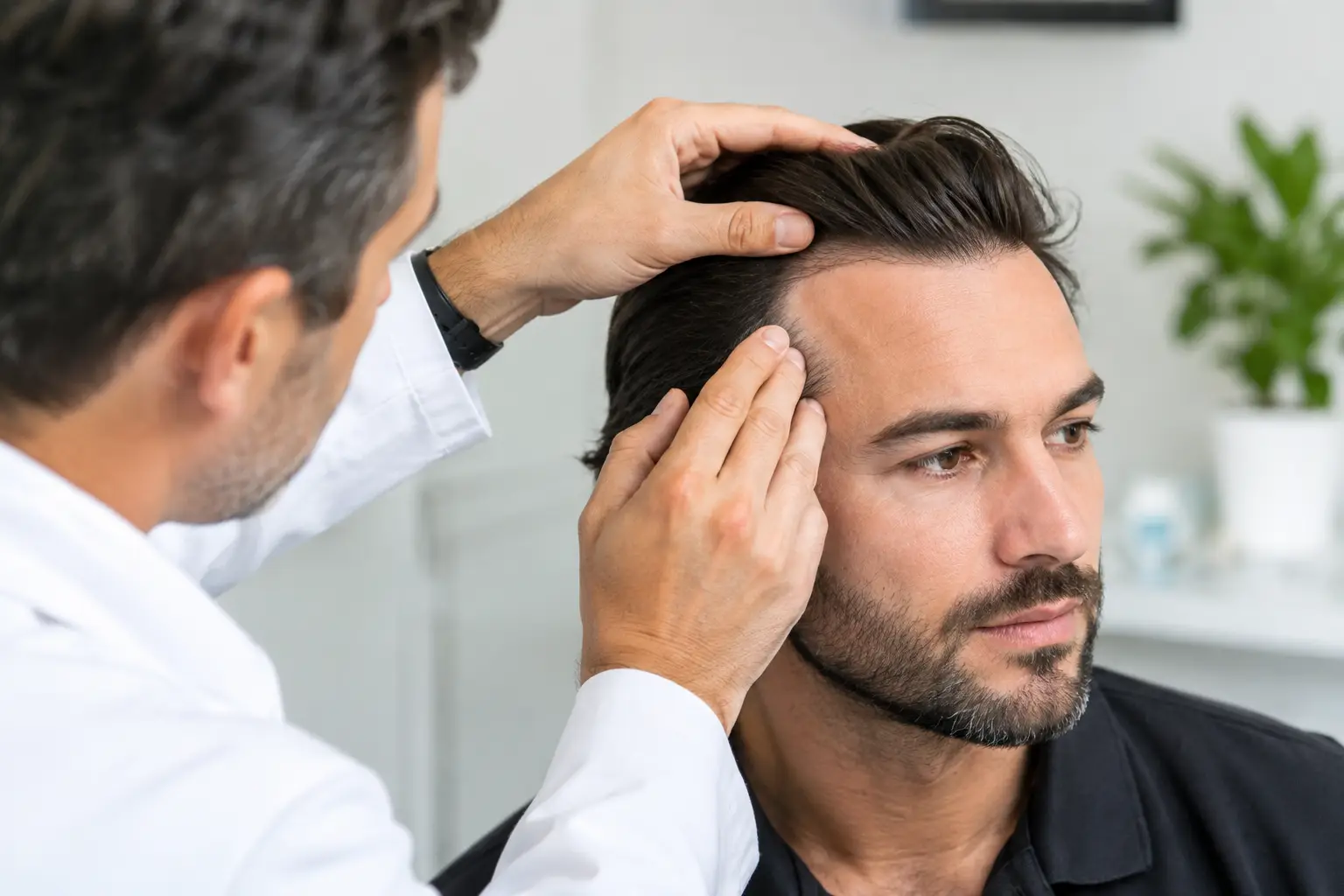
If there is one area that determines whether a transplant looks convincing, it is the hairline. This is the part everyone sees first, and it has to be designed rather than simply drawn.
A natural hairline is not perfectly straight. It has subtle irregularity, soft transitions, and a shape that matches your forehead, temples, and facial proportions. It also needs the right placement. Too low can look unnatural and consume valuable grafts. Too high may be conservative to the point of disappointment. The right approach depends on your age, ethnicity, hair characteristics, current loss, and likely future loss.
This is where physician judgment matters. A well-designed hairline should look appropriate now and still make sense later. For many patients, especially men with progressive thinning, planning for the future is just as important as filling in the present.
Single-hair grafts create softness
The front edge of a natural hairline should usually be built with single-hair follicular units. That creates a softer transition and avoids the pluggy look associated with older transplant techniques. Multi-hair grafts are typically placed farther behind the hairline where added fullness is needed.
This level of detail is easy to overlook during research, but it has a major impact on realism. Natural hair does not emerge in uniform rows or identical groupings. The distribution has to mimic nature closely enough that the eye does not catch a pattern.
Angle, direction, and density matter as much as graft count
Many patients ask how many grafts they need. That is a reasonable question, but graft count alone does not determine whether a transplant looks good. Placement is just as important.
Hair grows at specific angles and in specific directions across the scalp. Along the temples, it tends to lie flatter. In the frontal hairline, it moves forward with slight variation. In the crown, it follows a spiral pattern. If transplanted grafts ignore those natural directions, the result can look off even when the growth is strong.
Density also needs balance. Too little can leave the area see-through. Too much packed into the wrong zone can look harsh, compromise blood supply, or use donor hair inefficiently. An experienced team knows where density creates the most visual impact and where a softer distribution actually looks more believable.
Why FUE is often chosen for natural-looking results
Follicular Unit Extraction, or FUE, has become a preferred option for many patients who want minimal downtime and discreet healing. Individual follicular units are harvested and placed into thinning areas with careful attention to hairline design, angle, and density.
FUE does not automatically guarantee a natural outcome. Technique still matters. But when performed well, it allows for refined graft selection and placement, which can support very realistic results. It also avoids the linear scar associated with strip harvesting, which is important for patients who wear shorter hairstyles.
For some patients, robotic-assisted harvesting can add another layer of consistency during the donor extraction process. The right method depends on your goals, donor quality, hair characteristics, and treatment plan.
Donor hair sets the boundaries
One of the most important parts of planning a natural result happens in the donor area, usually the back and sides of the scalp. This is where permanent hairs are taken from for transplantation.
Every patient has a limited donor supply. That means your plan has to be smart, not just ambitious. If too many grafts are used too early, there may be fewer options later if hair loss continues. If the donor area is overharvested, the back of the scalp can look thin, which defeats the purpose of treatment.
A responsible clinic will talk openly about donor management. That includes what is realistic now, what may be needed later, and whether combining surgery with non-surgical therapies could help preserve existing hair and protect your overall result.
Natural results are rarely one-size-fits-all
The best transplant for a receding hairline is not always the best transplant for diffuse thinning, crown loss, or eyebrow restoration. Hair caliber, curl pattern, contrast between hair and scalp, and skin tone all affect how full the result appears.
For example, a patient with coarse, wavy hair may achieve the appearance of density with fewer grafts than someone with very fine, straight hair. A woman with diffuse thinning may need a different strategy than a man seeking temple restoration. Facial hair transplants also require distinct planning because beard and eyebrow hairs have their own growth patterns and aesthetic rules.
This is why a personalized consultation matters. The treatment has to fit the person, not the other way around.
Healing influences the final look
Patients sometimes judge their transplant too early. In the first weeks, redness, crusting, and shedding are normal parts of the process. The newly transplanted hairs often shed before regrowth begins, which can be unsettling if you are not expecting it.
Natural looking outcomes take time. Early growth may begin around three to four months, with more visible improvement over the following months. Full maturation can take up to a year, sometimes longer depending on the area treated. Texture can also evolve as the hairs settle in.
Following aftercare instructions is part of protecting the final appearance. Gentle washing, avoiding trauma to the grafts, and attending follow-up visits all support the healing process.
A natural looking hair transplant often works best with other treatments
Transplant surgery restores hair to areas that need coverage, but it does not stop ongoing hair loss in native hair. That is why many patients benefit from a more comprehensive plan.
Medications, regenerative hair loss injections, low-level laser therapy, and diagnostic tools can all play a role depending on the cause and pattern of thinning. In some cases, these options help stabilize loss before surgery. In others, they help maintain the surrounding hair so the transplant continues to look balanced.
At Austin Hair Clinic, treatment planning often includes this broader view because good cosmetic outcomes depend on both restoration and preservation. For patients who want a result that still looks natural years from now, that matters.
How to evaluate whether a clinic can deliver natural results
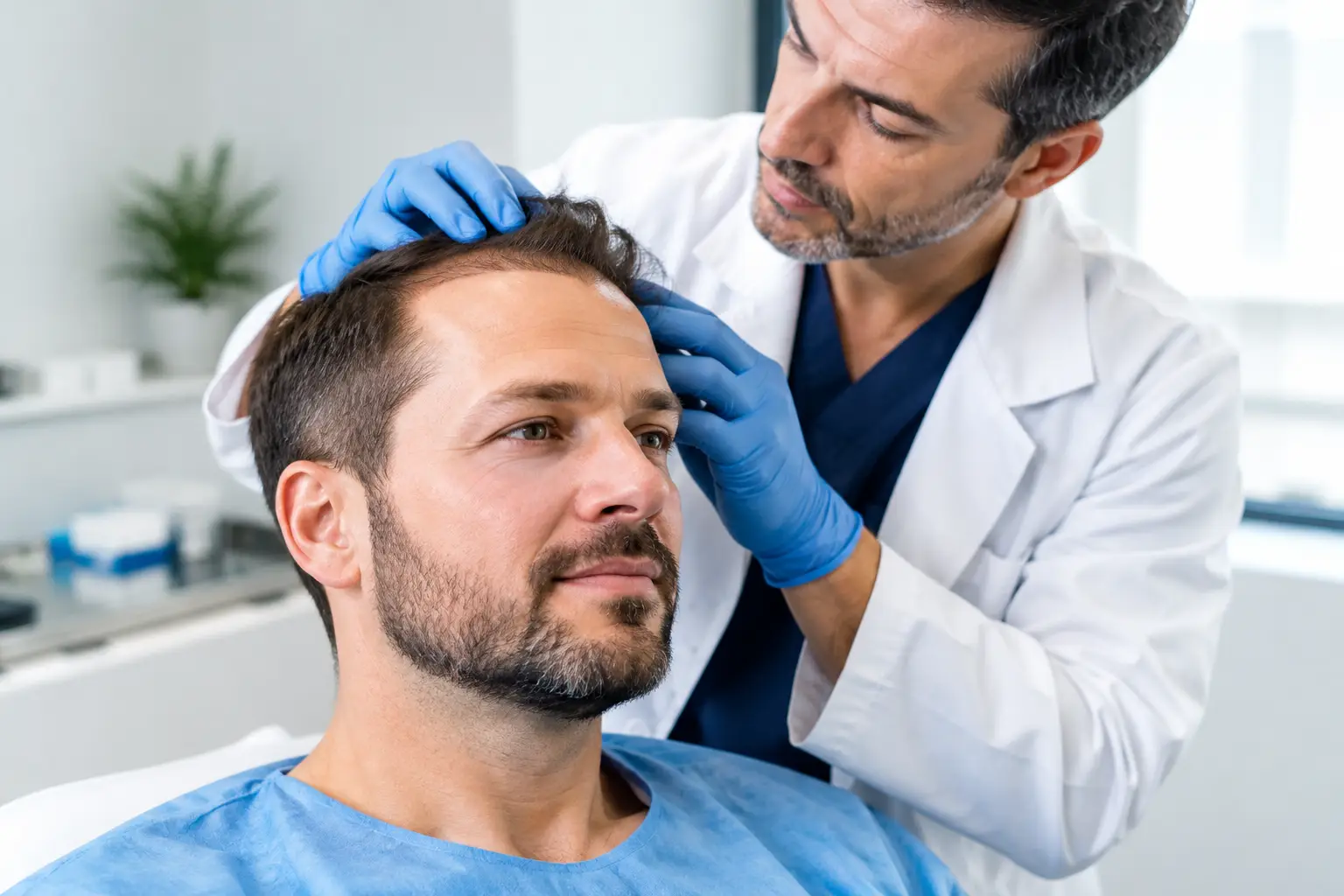
Photos matter, but they should not be the only factor. When you meet with a provider, ask how they design hairlines, how they decide graft distribution, and who is involved in the procedure. Ask what happens if your hair loss progresses. Ask how they protect the donor area.
You should also pay attention to whether the consultation feels personalized. A natural result comes from individualized planning, not a standard package. If every patient seems to get the same hairline or the same graft recommendation, that is a reason to pause.
Confidence in the provider matters, but so does honesty. The right team should be able to explain what is achievable, where caution is needed, and what trade-offs may exist between density, coverage, and donor conservation.
The best result is the one nobody questions
Most patients are not looking for compliments on their transplant technique. They want friends, coworkers, or family to notice that they look better rested, younger, or more like themselves without being able to pinpoint why. That is the standard worth aiming for.
A natural looking hair transplant is built on planning, medical judgment, technical precision, and a clear understanding of how hair loss evolves over time. If you are considering treatment, look for a team that values subtlety as much as density and long-term strategy as much as immediate change. The right result should restore more than hair – it should restore ease every time you catch your reflection.