What Does an FUE Hair Transplant Cost in Texas?
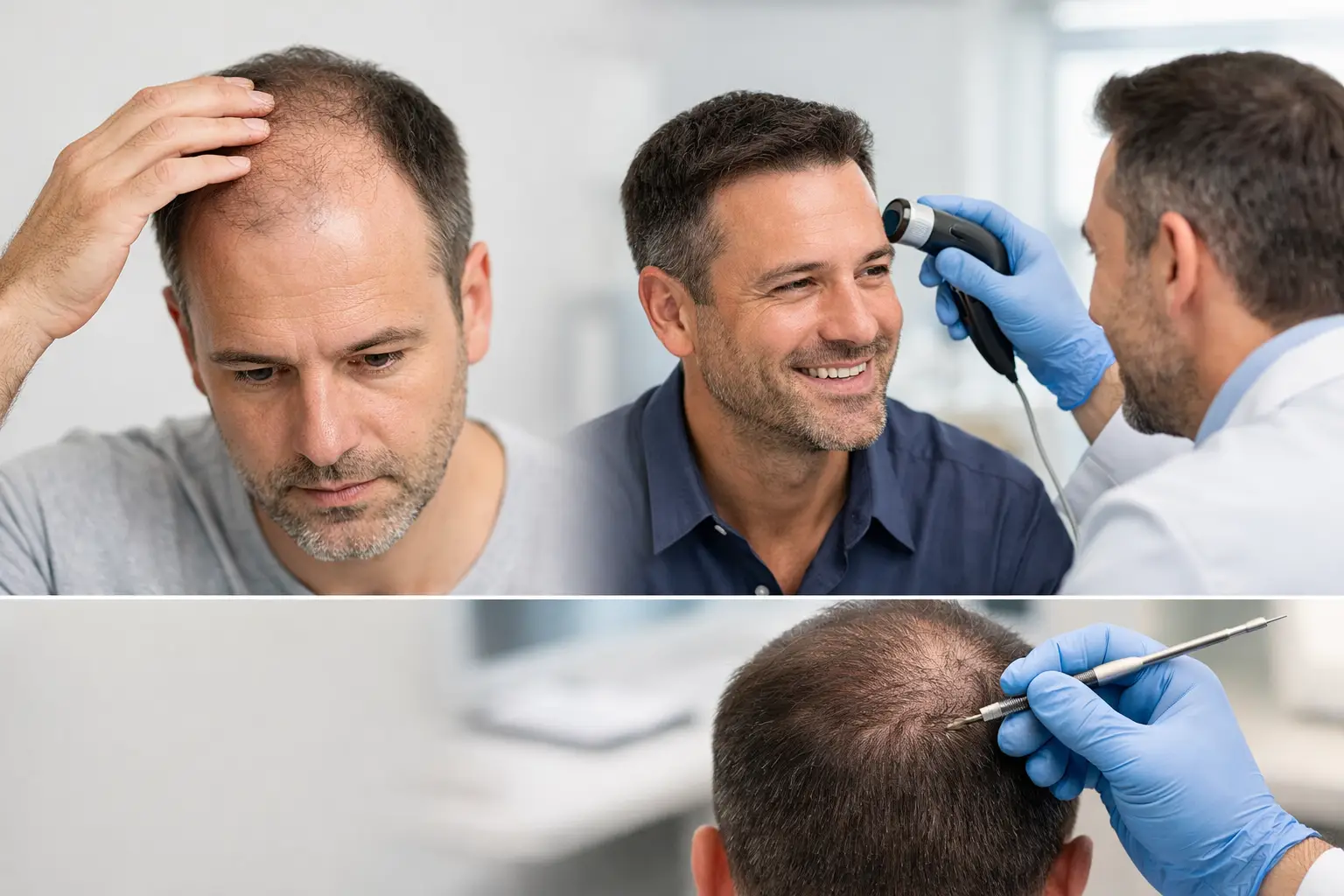
A hair transplant quote can feel surprisingly broad until you understand what is being priced. The FUE hair transplant cost is not simply a charge for moving hair from one area to another. It reflects the number of grafts needed, the skill required to design a natural hairline, the technology used, and the level of medical oversight behind a result you may wear for decades.
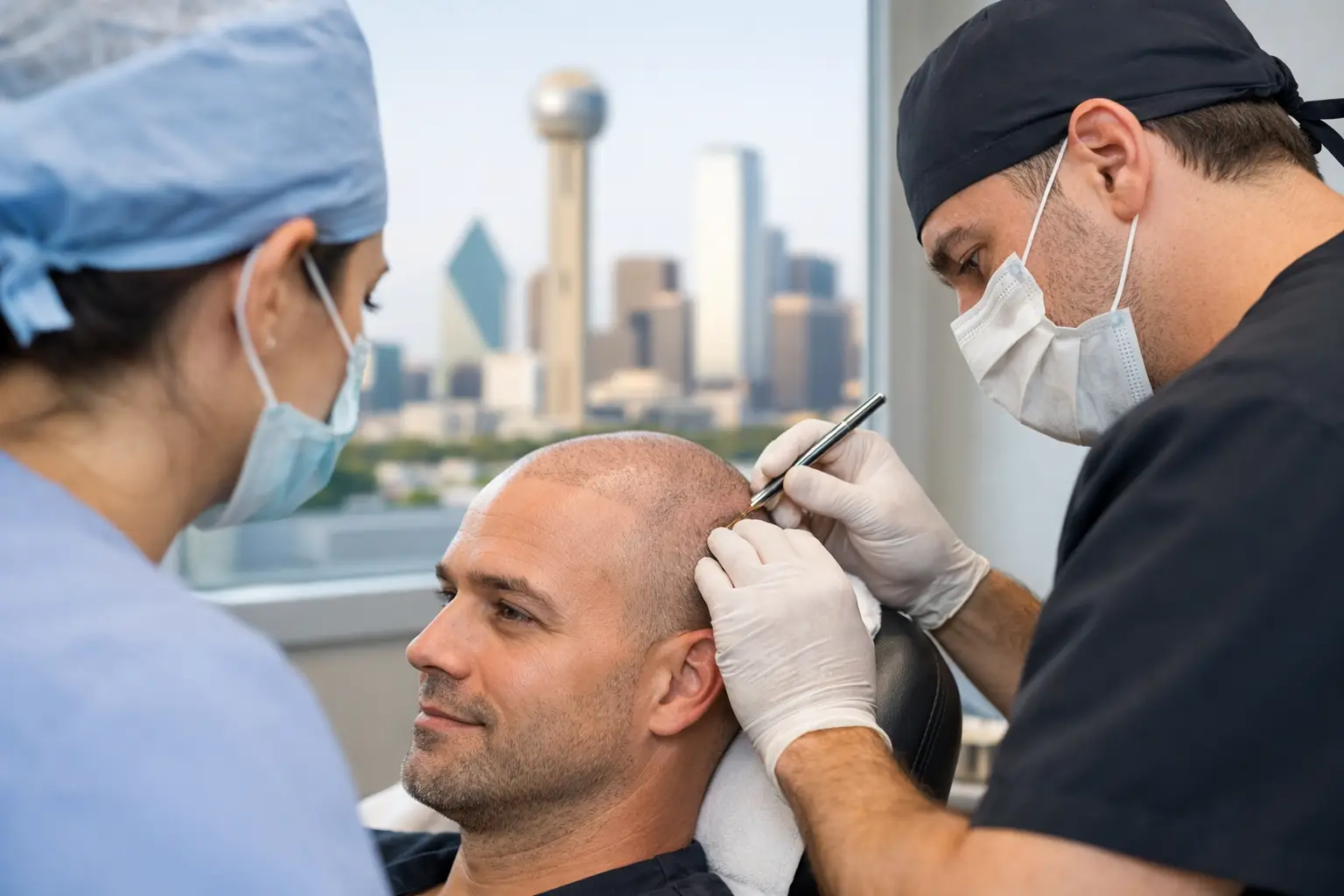
For patients in Austin, San Antonio, and across Texas, a realistic FUE investment often falls between roughly $6,000 and $15,000 or more. Smaller procedures may cost less, while extensive restoration, repair work, facial hair transplantation, or advanced robotic technology can raise the total. The right question is not only, “What is the price?” It is, “What plan will give me the most natural-looking, sustainable result for my pattern of hair loss?”
What Determines FUE Hair Transplant Cost?
FUE, or Follicular Unit Extraction, removes naturally occurring groups of one to four hairs from the donor area, usually the back and sides of the scalp. Those grafts are then placed in thinning or bald areas with careful attention to direction, angle, density, and hairline design.
Most clinics price an FUE procedure according to graft count. A graft is not the same as a single hair. Because one graft may contain multiple hairs, the number of grafts needed depends on your existing density, hair characteristics, desired coverage, and long-term goals.
A patient seeking early recession correction may need 800 to 1,500 grafts. Restoring a receding hairline and frontal zone may require 1,500 to 2,500 grafts. More advanced thinning across the front, mid-scalp, and crown can require 2,500 to 4,000 grafts, sometimes completed in stages to protect the donor supply and create balanced coverage.
The graft count matters, but it should never be treated as a sales target. Using too many grafts too soon can compromise the donor area. Using too few can leave a result that does not match your expectations. An experienced physician plans for both the change you want now and the possibility of future hair loss.
Why Two FUE Quotes Can Be Very Different
A lower quote can be appealing, especially when online advertisements make hair transplantation sound interchangeable. It is not. FUE is a detailed aesthetic medical procedure, and the differences in planning and execution can be visible in the final result.
The physician’s involvement is one of the biggest variables. Natural-looking results depend on more than extracting viable follicles. The hairline must fit your face, age appropriately over time, and transition softly into existing hair. Grafts also need to be placed at the correct angle and direction so they blend with your natural growth pattern.
The team, facility, and surgical protocols also affect cost. A well-run procedure includes donor-area assessment, anesthesia, graft handling, precise site creation, sterile technique, and follow-up care. Each stage protects graft survival and reduces the chance of avoidable complications.
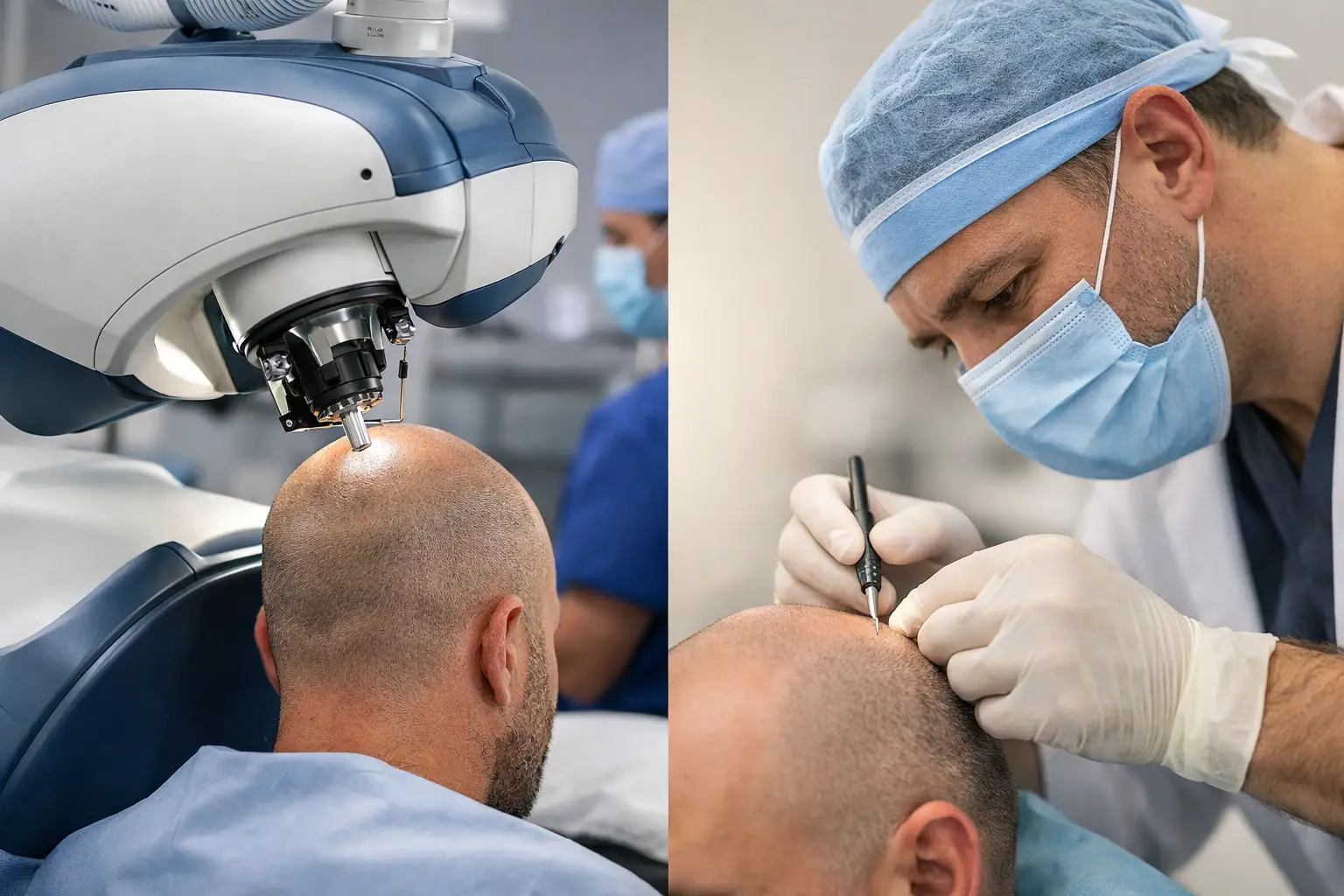
Technology may factor into your estimate as well. Standard manual FUE and ARTAS robotic FUE can both be appropriate options depending on your hair type, donor characteristics, and goals. ARTAS technology can support consistent graft harvesting in suitable candidates, but technology does not replace medical judgment or artistic design. The best approach is the one that fits your individual anatomy and treatment plan.
The Cost of FUE Versus FUT and Non-Surgical Care
FUE is often compared with FUT, or Follicular Unit Transplantation. FUT removes a strip of donor tissue and typically leaves a linear scar, while FUE removes grafts individually and creates tiny extraction sites. Patients who prefer shorter hairstyles or want to avoid a linear scar often favor FUE, though both methods can be effective in the right hands.
FUE may carry a higher per-graft cost because individual extraction is labor-intensive. That does not automatically make it the best option for every patient. The decision should be based on donor supply, scalp laxity, hairstyle preferences, the amount of restoration needed, and your physician’s recommendation.
Non-surgical treatments have a different cost structure. Medications, low-level laser therapy, regenerative hair loss injections, and targeted supplements may help slow progressive thinning, strengthen existing hair, or support transplant results. They generally do not create the same coverage as transplanting follicles into a bald area, but they can be valuable for preserving the native hair around a transplant.
For some patients, the most cost-effective plan is not surgery alone. It is a personalized combination of medical therapy and FUE that addresses current thinning while helping protect against future loss.
What Should Be Included in Your Quote?
Before comparing providers, ask what the quoted price actually covers. A meaningful estimate should be clear about the procedure itself and the care surrounding it. This may include the consultation, scalp and donor assessment, surgeon-designed hairline, extraction and placement, local anesthesia, post-procedure instructions, and scheduled follow-up visits.
You should also ask whether the quote includes additional medications, platelet-rich plasma or regenerative treatments, laser therapy, or future touch-up sessions. These may be useful recommendations, but they should be explained as part of your individualized plan rather than added without context.
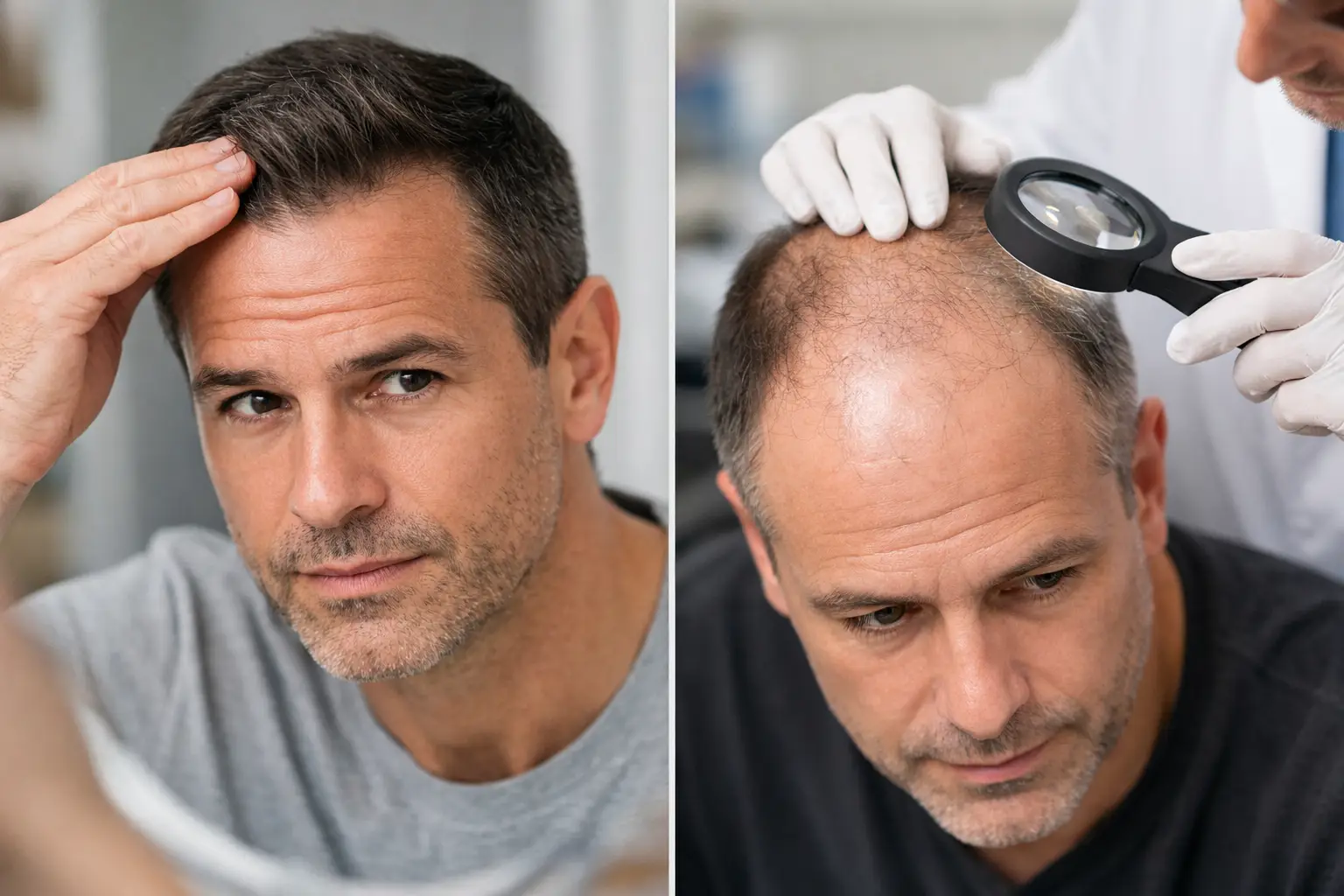
Be cautious with unusually low per-graft pricing, vague “all-inclusive” packages, or promises of an exact number of grafts before anyone has evaluated your scalp. A responsible consultation considers hair caliber, curl pattern, donor density, scalp contrast, the stability of your hair loss, and whether you have enough available donor hair to meet your goals.
Is a Higher FUE Hair Transplant Cost Worth It?
The answer depends on what the higher price represents. Paying more for a recognizable name alone is not a guarantee of a better outcome. Paying for board-certified physician oversight, thoughtful design, an experienced surgical team, advanced technology when appropriate, and attentive follow-up can be a meaningful investment in quality and peace of mind.
Hair restoration is particularly unforgiving of shortcuts because a poor hairline or overharvested donor area can be difficult to correct. Repair procedures often require more grafts, more planning, and more expense than getting the original work right.
At the same time, the most expensive plan is not automatically the right one. A trustworthy provider will explain when a smaller procedure, a non-surgical treatment, or waiting until hair loss is more stable may serve you better. The goal is not to sell the largest procedure. It is to create natural improvement that still looks right years from now.
Planning for the Financial Side of Treatment
Hair transplantation is generally considered an elective cosmetic procedure, so health insurance usually does not cover it. Many patients plan for treatment through savings or financing options that allow the cost to be spread into manageable monthly payments.
When considering financing, look beyond the monthly number. Review the total cost, interest rate, repayment period, and whether all parts of your treatment plan are included. A clear financial conversation should feel straightforward, not pressured.
It can also help to think about timing. If your hair loss is progressing quickly, medical treatment may be recommended before or alongside surgery. If you are planning a major event, remember that transplanted hairs commonly shed in the first weeks after surgery before new growth begins. Early growth often appears around three to four months, with more visible development continuing through 12 months and sometimes longer.
Questions to Ask at an FUE Consultation
A consultation should give you more than a number. It should help you decide whether the procedure, provider, and treatment timeline are right for you. Ask how many grafts are recommended and why, how your donor area will be protected, who will perform each stage of the procedure, and what results are realistic for your hair type and degree of loss.
Ask to see before-and-after results from patients with a similar hair pattern, hair texture, and treatment goal. Also ask how the clinic approaches ongoing hair loss after the transplant. A natural result is not just about the day of surgery. It is about planning for the years ahead.
At Austin Hair Clinic, patients can begin with a scalp analysis and consultation designed to clarify candidacy, graft needs, available treatment options, and the expected investment before committing to a procedure.
A well-planned FUE transplant can be more than a cosmetic change. It can restore the confidence of seeing a familiar, natural-looking version of yourself in the mirror. Start with a detailed evaluation, ask direct questions, and choose a plan built around your long-term hair health rather than the lowest initial quote.