Beard Transplant Preparation Steps That Matter
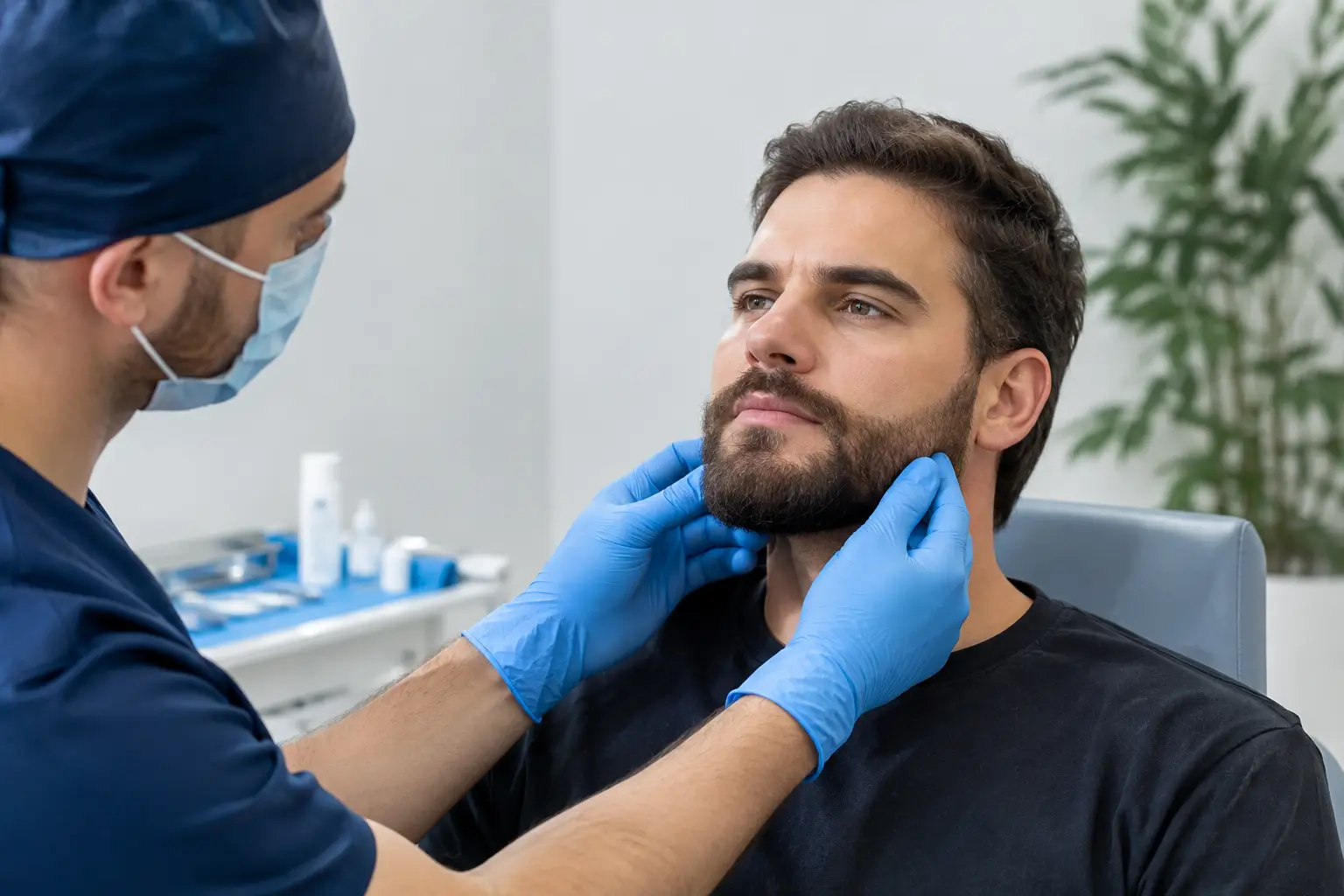
A beard transplant is designed around details most people will never notice: the angle of each graft, the direction of growth, the transition from a denser chin to softer cheek coverage. The best results begin well before procedure day. Following the right beard transplant preparation steps helps protect your health, preserve graft quality, and give your physician the clearest path to a natural-looking outcome.
For most patients, preparation is not difficult. It does require honesty about your health history, a willingness to pause a few routines, and a plan for the first days of recovery. Your individualized instructions should always take priority, since medication use, skin conditions, and the size of the procedure can change the plan.
Start With a Detailed Beard Design Consultation
A facial hair transplant is not simply about placing more hair in the beard area. It is about creating facial balance. During your consultation, your physician will evaluate the areas you want to improve, whether that means filling patchy cheeks, rebuilding a goatee, connecting the mustache and beard, increasing density along the jawline, or restoring hair in a scarred area.
Bring clear examples of beard styles you like, but be open to medical guidance. A beard that looks strong on one face may not complement another person’s bone structure, natural density, or hair characteristics. The goal is a design that looks believable now and continues to look appropriate as you age.
Your donor area also deserves careful review. In FUE beard transplantation, grafts are typically taken from the back or sides of the scalp, where hair is genetically more resistant to thinning. Hair caliber, curl pattern, color contrast, and available donor density all influence what can be achieved in one session. A responsible plan prioritizes natural placement over promising unrealistic density.
Complete Your Medical Review Honestly
Before your procedure, provide a complete health history and list every prescription medication, over-the-counter product, vitamin, and supplement you use. This includes treatments that may seem unrelated to hair restoration, such as blood pressure medication, acne medication, testosterone therapy, or medications used for autoimmune conditions.
Your medical team needs to know about previous surgery, allergies, bleeding concerns, diabetes, heart conditions, active skin infections, and a history of poor wound healing or abnormal scarring. These details do not automatically disqualify you from treatment. They allow the physician to determine whether a beard transplant is appropriate, whether timing should change, and what safety measures are needed.
If you have acne, folliculitis, eczema, or irritation in the beard area, mention it early. Healthy recipient skin supports better healing. Sometimes a skin condition should be treated and stabilized before graft placement rather than rushed through for the sake of a calendar date.
Review Medications, Supplements, and Nicotine Use
One of the most meaningful beard transplant preparation steps is reviewing products that can affect bleeding, anesthesia, inflammation, or healing. Do not stop prescribed medication on your own. Instead, ask the prescribing clinician and your hair restoration team for specific instructions.
Depending on your health profile, you may be asked to avoid certain anti-inflammatory medications, blood-thinning products, or supplements in the days before surgery. Common examples can include aspirin-containing products, some herbal supplements, high-dose vitamin E, and fish oil. The appropriate timeline varies, which is why generic advice from online forums is not a substitute for physician guidance.
Nicotine is especially relevant. Smoking, vaping, nicotine pouches, and other nicotine products can restrict blood flow and interfere with healing. Your team may ask you to stop nicotine well before the procedure and remain nicotine-free during early recovery. That temporary change can make a meaningful difference for newly placed grafts.
Alcohol may also increase bleeding and dehydration, so patients are commonly instructed to avoid it before surgery. Follow the timeline provided by your clinic, not a one-size-fits-all rule.
Prepare Your Skin, Hair, and Procedure-Day Routine
Your clinic will provide instructions for washing your scalp and face before the appointment. In many cases, this means arriving with clean hair and clean facial skin, free of styling products, beard oils, makeup, concealer, or heavy moisturizers. The goal is to reduce contamination and allow the treatment areas to be evaluated clearly.
Avoid aggressive exfoliation, chemical peels, waxing, or new skincare products in the beard area close to your procedure unless your physician specifically approves them. A facial rash or irritation can delay treatment. If you develop a cold sore, fever, significant breakout, or illness shortly before your appointment, contact the clinic right away.
The night before, prioritize sleep and hydration. On procedure morning, eat a normal, balanced meal unless you have been given different instructions. Many FUE procedures use local anesthesia, and arriving well-rested and fed can help you feel more comfortable throughout the day.
Wear a button-front or zip-front shirt. You will not want to pull a tight T-shirt over your face after grafts have been placed. Choose comfortable clothing and leave valuable jewelry at home.
Arrange Transportation and Protect Your Recovery Time
Even when a beard transplant is minimally invasive, it is still a medical procedure. You may receive medication that affects alertness, and your face can feel tender or numb afterward. Arrange for a trusted adult to drive you home if instructed to do so. Do not assume rideshare transportation is an adequate substitute if your clinic requires a responsible escort.
Set aside a few low-key days after the procedure. Many people return to desk-based work relatively quickly, but social comfort is personal. Redness, tiny scabs, and temporary swelling are normal parts of early healing. If you have an important presentation, wedding, photo shoot, or travel plans, discuss timing during your consultation rather than scheduling treatment immediately before the event.
Prepare your home before procedure day. Have soft foods, water, prescribed medications, clean pillowcases, and any post-procedure supplies your clinic recommends ready to use. Some patients find that sleeping with their head elevated for the first few nights helps minimize swelling. Your team will explain the specific sleeping position and aftercare routine that best protects the grafts.
Know What You Must Avoid After Graft Placement
Preparation includes understanding the restrictions that follow. Newly transplanted beard grafts need time to settle securely into the skin. Rubbing, scratching, shaving, friction from helmets or masks, and strenuous exercise too soon can interfere with healing.
Your physician will give you a schedule for washing your face, resuming exercise, trimming or shaving, and returning to sun exposure. Do not rely on the appearance of the area alone to decide you are healed. Grafts may look settled before they are fully secure.
Plan to avoid direct sun on the treated area unless your team gives you a safe way to protect it. Be cautious with crowded activities, contact sports, and environments where the face may be bumped or exposed to dirt and sweat. If your work requires a tight respirator, helmet, or uniform that contacts the beard area, raise that concern before booking so your recovery plan can be coordinated around it.
Set Realistic Expectations for Growth
A beard transplant is a long-term aesthetic investment, not an overnight change. The transplanted hairs often shed in the weeks after the procedure. This is expected and does not mean the transplant failed. The follicles remain beneath the skin and gradually begin producing new growth over the following months.
Early growth can be uneven, fine, or slower in certain areas. Maturation takes time, and the final appearance develops progressively. Your natural hair characteristics and the number of grafts placed influence how dense the beard looks. Some patients who want substantial coverage may benefit from a staged approach rather than trying to place every possible graft in one session.
At Austin Hair Clinic, beard restoration planning is centered on precision, donor-area stewardship, and a result that fits your face rather than a trend. Ask direct questions about graft estimates, expected density, recovery milestones, and what the physician believes is realistically achievable for you.
Questions Worth Asking Before Your Appointment
Before procedure day, make sure you understand who will perform the key steps of your treatment, what anesthesia will be used, how long the appointment may take, and how to reach the clinic after hours if you have a concern. You should also know which medications or supplements to pause, when you can wash your face, and when it is safe to shave again.
A good consultation should leave you feeling informed, not pressured. Beard restoration can be confidence-changing, but the strongest results come from a plan built around your health, your donor supply, and the beard pattern that looks natural on you. Give preparation the same attention you give the final design – it is the first step toward seeing a stronger, more complete beard in the mirror.