Can Laser Therapy Regrow Hair? What to Expect
A widening part, more scalp showing under bright office lighting, or a hairline that looks less defined in photos can make hair loss feel personal very quickly. So, can laser therapy regrow hair? For the right person, low-level laser therapy can help support thicker-looking hair and may improve growth in follicles that are still active. It is not a cure for every form of hair loss, and it cannot bring back follicles that have been permanently lost.
That distinction matters. The most successful hair restoration plans begin with an accurate diagnosis, not a one-size-fits-all device. Laser therapy can be a useful non-surgical option, particularly for early thinning, but its value depends on the cause and stage of your hair loss.
Can Laser Therapy Regrow Hair for Pattern Hair Loss?
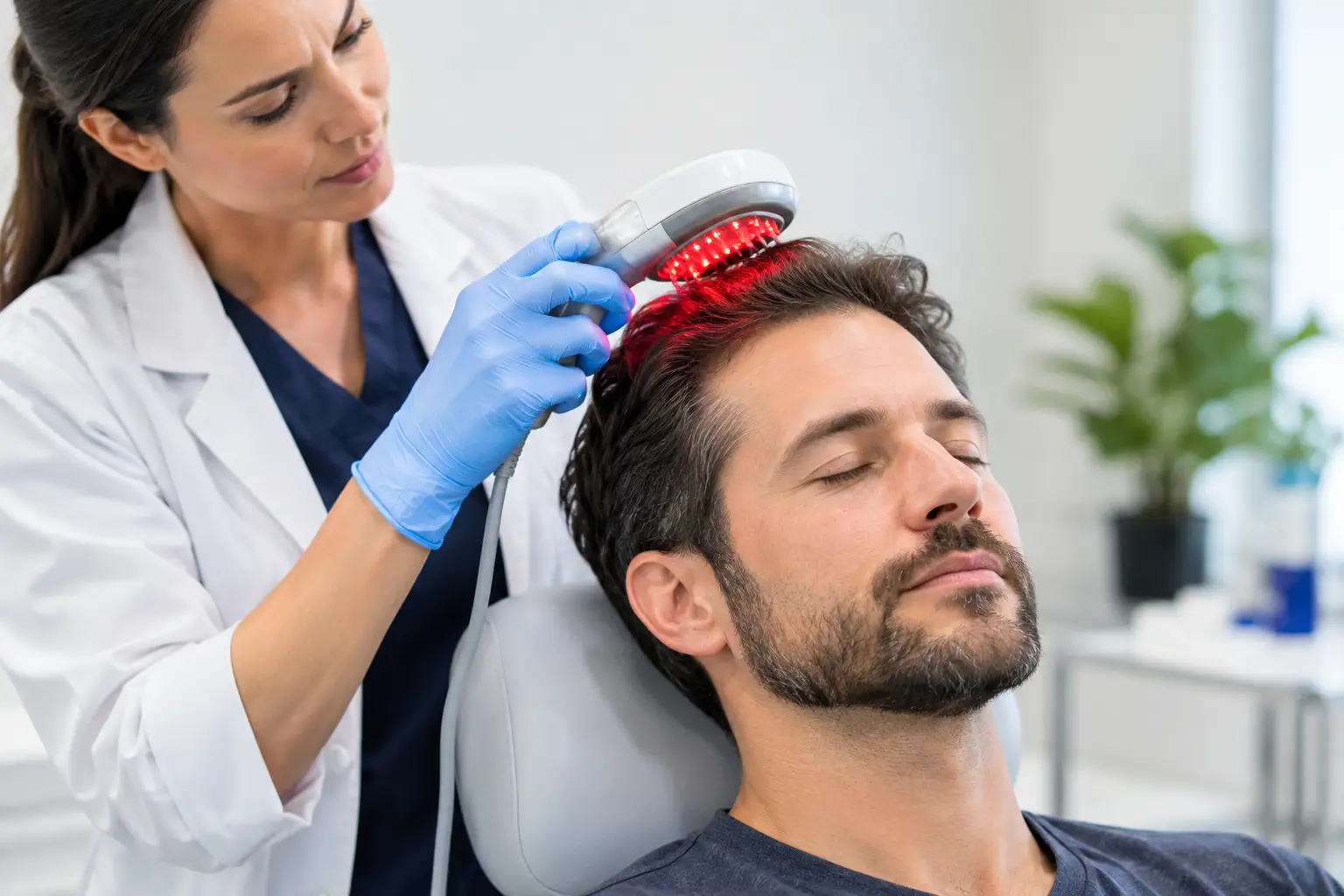
Low-level laser therapy, often called LLLT or red-light therapy, uses specific wavelengths of light delivered at a low intensity to the scalp. The goal is not to heat or damage the skin. Instead, this form of photobiomodulation is intended to support cellular activity around the hair follicle, improve local circulation, and help follicles remain in or return to the active growth phase.
Research and real-world clinical experience suggest that FDA-cleared low-level laser devices may improve hair density and hair shaft thickness for some men and women with androgenetic alopecia, also known as male- or female-pattern hair loss. This is the gradual, genetically influenced thinning that commonly affects the hairline, crown, or part line.
The word “some” is essential. Results vary based on how long hair loss has been progressing, the degree of miniaturization in the follicles, consistency of use, hormone and health factors, and whether laser therapy is used alone or as part of a broader plan. A patient with mild crown thinning and viable follicles may see a meaningful improvement in coverage. Someone with a smooth, long-bald area is unlikely to regrow substantial hair from laser treatment alone.
What Laser Therapy Can and Cannot Do
Laser therapy is best viewed as a follicle-support treatment. It may reduce shedding, help existing hair appear fuller, and preserve vulnerable follicles over time. For many patients, that can be valuable. Slowing progression while improving the appearance of density can make a real difference in confidence and may delay the need for more involved treatment.
However, laser therapy does not create new follicles. It does not replace the density lost in advanced baldness, reconstruct a significantly receded hairline, or reliably treat every cause of shedding. Hair loss caused by scarring conditions, untreated thyroid disease, nutritional deficiency, autoimmune illness, recent major stress, or certain medications requires a different approach. Treating the underlying issue comes first.
It is also wise to be cautious with dramatic product promises. A laser cap or helmet that is FDA-cleared has generally met standards related to safety and may have evidence supporting its intended use, but clearance is not a guarantee of dramatic regrowth for every user. A medical evaluation helps set expectations that are realistic and personal to you.
Who Tends to Be a Good Candidate?
The strongest candidates are usually adults with early to moderate pattern thinning who still have visible, miniaturized hairs in the affected area. Men noticing thinning at the crown or a gradually receding hairline may be candidates. Women with diffuse thinning or a widening part may also benefit, especially when a clinician has ruled out other causes of hair loss.
Consistency is a major part of candidacy. At-home laser devices require regular use, often several times per week depending on the specific device and treatment protocol. Skipping sessions regularly makes it harder to judge whether the therapy is helping. Patients who want a non-invasive option and are willing to follow a long-term schedule often find laser therapy easier to incorporate than they expected.
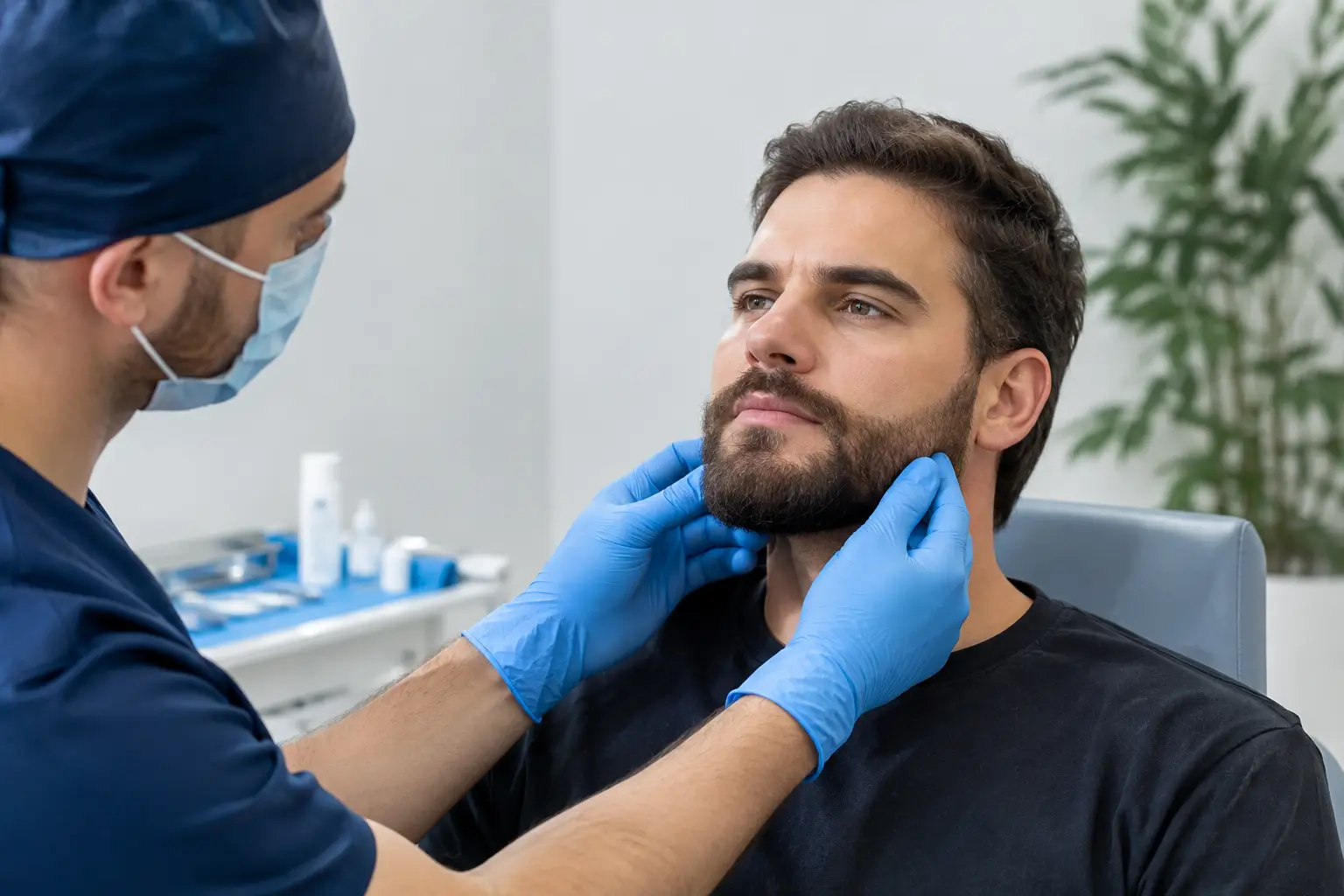
A scalp analysis can reveal details that a mirror cannot. It can help identify whether follicles are still present, whether there is excessive inflammation or buildup, and whether the pattern suggests a medical issue that deserves further testing. This information helps determine whether laser therapy makes sense or whether another treatment should take priority.
When Will You See Results From Low-Level Laser Therapy?
Hair grows slowly, and meaningful change is measured in months rather than days. Most patients who respond to low-level laser therapy need at least three to six months of consistent treatment before they notice less shedding or a change in texture and coverage. More visible improvement may take six to 12 months.
Early changes can be subtle. Hair may feel stronger, style more easily, or reveal less scalp in a particular area. Standardized photos taken in the same lighting and from the same angles are far more reliable than day-to-day mirror checks. Hair has natural growth cycles, so a good plan accounts for gradual progress instead of promising an overnight transformation.
If you stop treatment, any benefit may gradually fade because the underlying tendency toward pattern hair loss is still present. That is why laser therapy is commonly treated as a maintenance option, similar to other non-surgical hair-loss therapies.
Laser Therapy Works Best as Part of a Personalized Plan
For many patients, laser therapy is not the entire answer. It can complement physician-guided medications, targeted nutritional support when appropriate, regenerative hair loss injections, and scalp care. Combining evidence-based therapies may improve the odds of preserving existing hair because each option addresses hair loss differently.
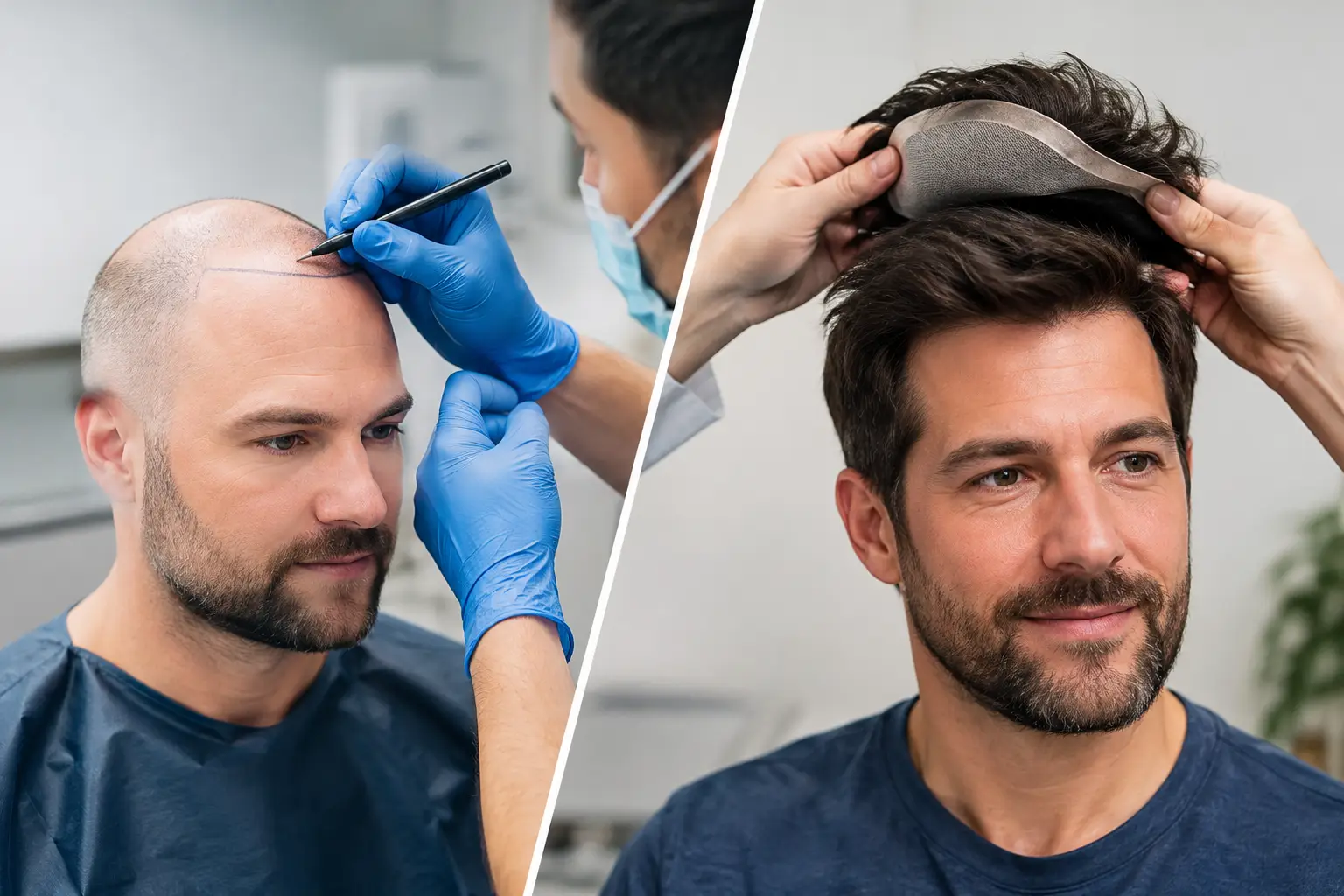
Medication may be especially helpful when hormonal sensitivity is driving ongoing follicle miniaturization. For patients with a stable donor area and more advanced loss, an FUE hair transplant can restore density where follicles no longer grow. Laser therapy may still play a role before or after a transplant by supporting the native hair around the restored area, but it does not replace the strategic planning required for a natural-looking surgical result.
The right combination depends on your goals. Some patients want to maintain what they have without surgery. Others want to strengthen existing hair while planning a future transplant. Patients with facial hair gaps may need an entirely different strategy than someone concerned about a thinning crown. A personalized recommendation should reflect your hair characteristics, medical history, lifestyle, and the amount of change you hope to see.
Safety, Side Effects, and Device Selection
Low-level laser therapy is generally well tolerated when used as directed. Because the light is low intensity, treatment should not feel painful or burn the scalp. A small number of users report temporary scalp irritation, itching, headache, or increased shedding early in treatment. If you experience persistent discomfort or unusual shedding, stop using the device and speak with a medical professional.
Not every device is built to the same standard. The market includes caps, helmets, bands, combs, and in-office systems with different coverage areas, light sources, power settings, and treatment schedules. The device that looks most convenient is not automatically the best choice for your degree or pattern of thinning. Medical guidance can help you avoid investing in a device that does not suit your needs.
It is also sensible to discuss laser therapy with a clinician if you take photosensitizing medications, have a scalp condition, or are receiving treatment for another medical concern. Hair restoration should always support your overall health, not compete with it.
A Clearer Path Forward for Thinning Hair
Hair loss is progressive for many people, which is why waiting until thinning feels severe can narrow the non-surgical options available. An early evaluation gives you better information about what is happening beneath the surface and whether your follicles are still capable of responding.
At Austin Hair Clinic, a personalized consultation can help distinguish between a treatment that may preserve and improve your existing hair and a plan designed to restore lost density more directly. The most helpful next step is not choosing a device based on an advertisement. It is understanding your pattern of loss, your available options, and the path that gives you the best chance of feeling confident when you see yourself in the mirror.