Hair Loss Medication for Women: What Works
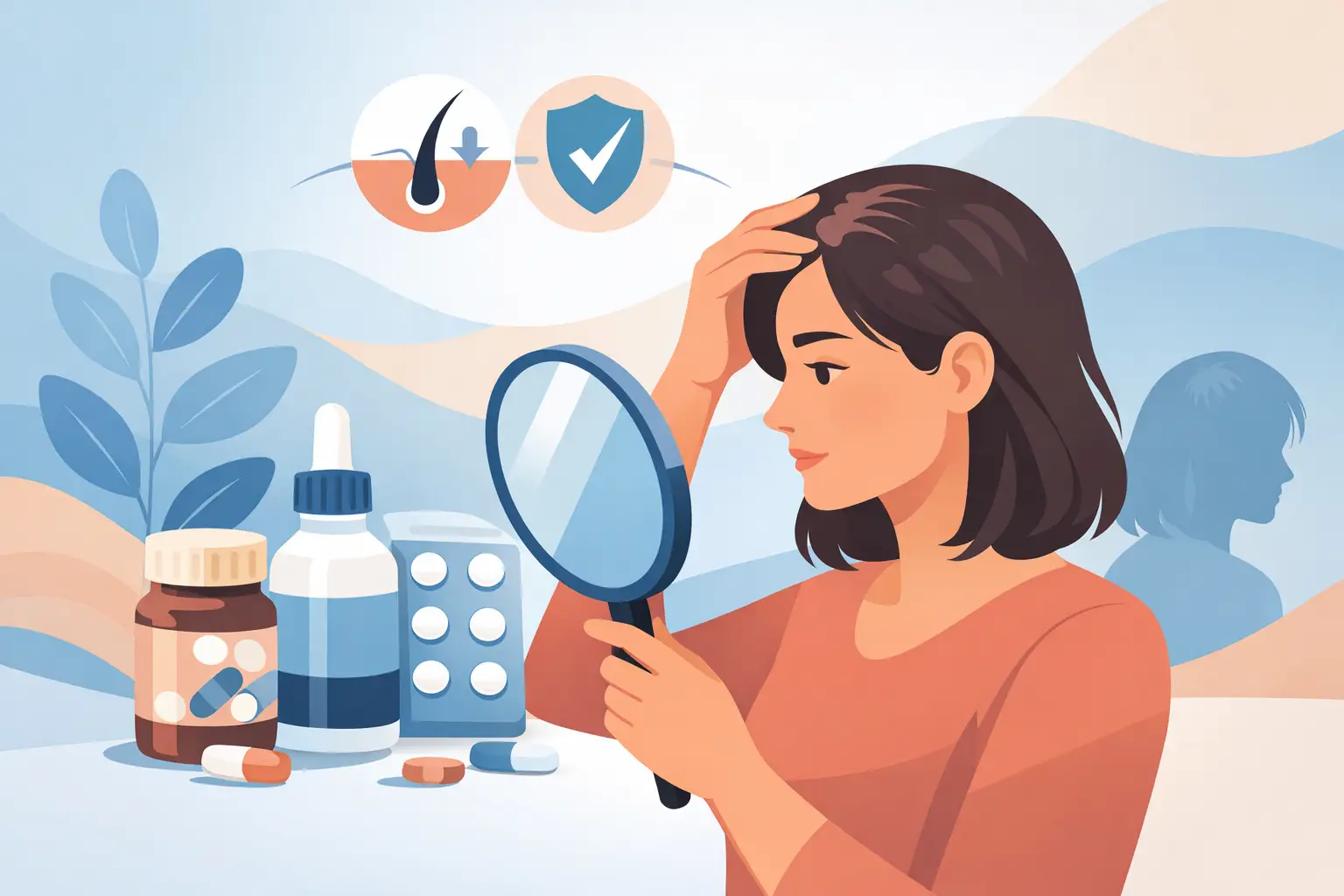
Seeing more hair in the shower drain than usual can change the way you feel about your appearance fast. For many patients, the search for hair loss medication for women starts after months of trying to hide thinning with a new part, more volume spray, or strategic styling. The good news is that effective treatment does exist, but the right choice depends on why your hair is thinning in the first place.
Hair loss in women is rarely one-size-fits-all. Some women notice gradual widening at the part, some experience diffuse thinning all over, and others go through sudden shedding after stress, illness, hormonal changes, or weight loss. Medication can be a very effective part of treatment, but it works best when it is matched to the underlying cause and started before thinning becomes more advanced.
When hair loss medication for women makes sense
Medication is often a strong option when hair follicles are still active but shrinking. That is especially common in female pattern hair loss, where the hair becomes finer over time and overall density starts to drop. In cases like this, treatment is not about creating instant volume. It is about slowing the process, protecting existing hair, and giving weakened follicles a better chance to produce stronger strands.
It is also important to understand when medication may not be enough on its own. If shedding is driven by iron deficiency, thyroid changes, recent childbirth, major stress, or certain medications, the first step may be identifying and correcting the trigger. If there is significant miniaturization or areas where density has already been lost for a long time, medication may help preserve surrounding hair but may not fully restore what is gone.
That is why a medical evaluation matters. Hair thinning can look similar from one person to the next, but the treatment strategy can be very different.
The main medications used for female hair loss
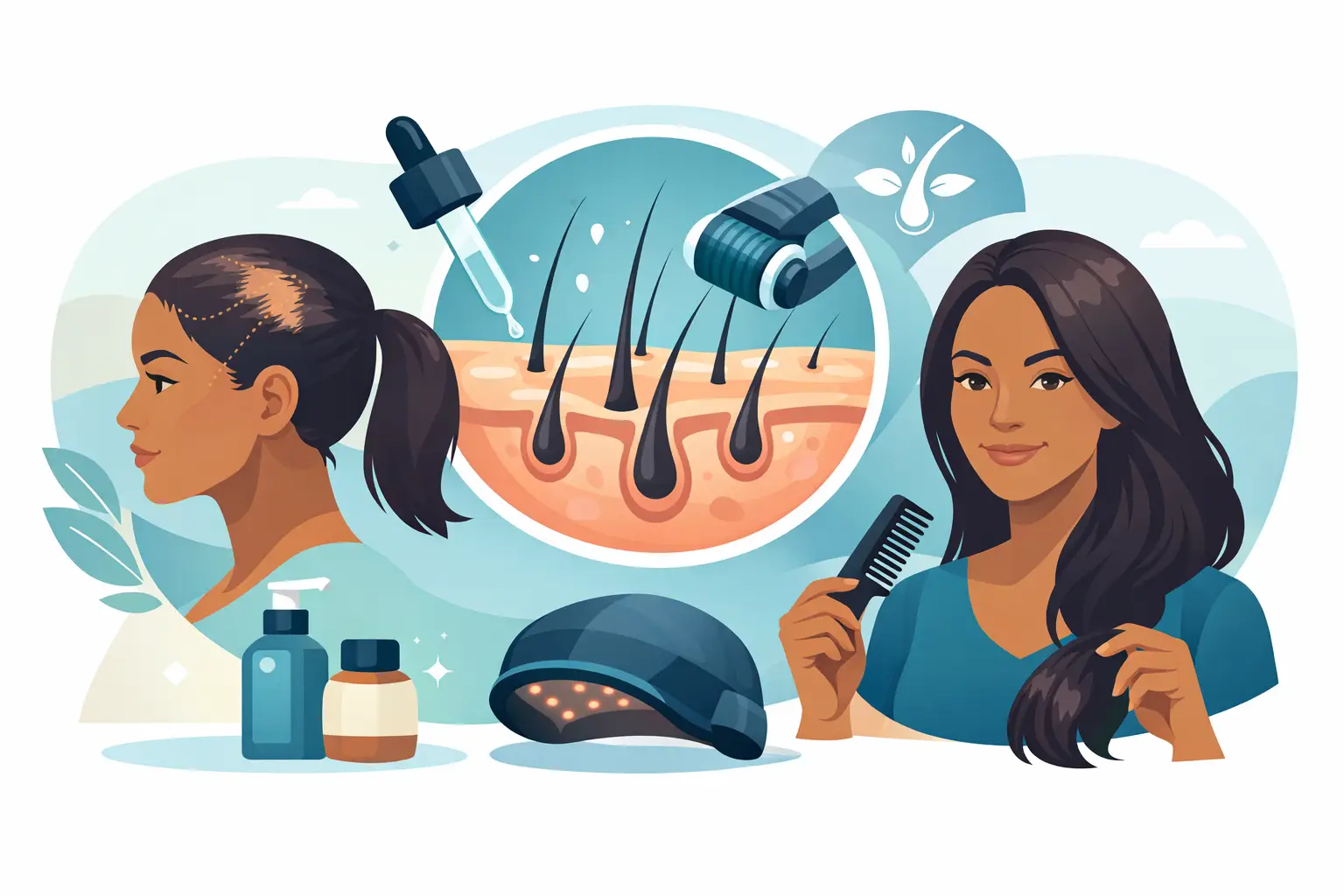
The most widely used medication for women is topical minoxidil. This is often the first-line treatment because it is FDA-approved for female pattern hair loss and has a long track record. It works by extending the growth phase of the hair cycle and improving follicle activity. For many women, it helps reduce shedding and gradually improve density over several months.
Minoxidil is available in different strengths and formats, usually as a liquid or foam. Some women prefer foam because it can be easier to apply and may cause less irritation. The trade-off is consistency. It only works if you use it regularly, and stopping treatment usually means the benefits fade over time.
Oral minoxidil is another option that has gained attention in recent years. This is a low-dose prescription approach used off-label under physician supervision. It can be helpful for women who struggle with scalp irritation from topical formulas or find daily application difficult to maintain. That said, it is not right for everyone. It may cause side effects such as fluid retention, increased body hair growth, or changes in blood pressure, so careful screening is important.
For women whose hair loss is influenced by hormones, anti-androgen medications may be considered. Spironolactone is a common example. It can be useful in women with pattern thinning, especially when there are signs of androgen sensitivity such as acne, irregular cycles, or excess facial hair. Spironolactone does not work overnight, and it requires medical oversight, but it can be an effective part of a broader treatment plan.
In some cases, finasteride or dutasteride may be discussed, particularly in postmenopausal women. These medications are better known for male pattern hair loss, but select female patients may benefit from them. The key issue is safety and candidacy. These are not casual over-the-counter options, and they require a thoughtful discussion of risks, benefits, and reproductive considerations.
What results really look like
One of the biggest frustrations with hair loss treatment is timing. Most women want to know how soon they will see a difference, and the honest answer is that medication takes patience. Early changes are often subtle. You may first notice less shedding, then improved texture, then gradual filling in over several months.
A typical timeline is three to six months for early improvement and closer to nine to twelve months for a more meaningful visual change. Even then, medication usually offers improvement rather than perfection. If you started treatment early, results tend to be better. If thinning has been progressing for years, medication may be more about stabilization than dramatic regrowth.
There can also be a temporary increase in shedding when treatment begins, particularly with minoxidil. This can be alarming, but it is often part of the hair cycle shifting. It does not necessarily mean the medication is making things worse. Still, that kind of change is easier to manage when you know it may happen and have a physician guiding the process.
Why over-the-counter advice often falls short
Online advice about women’s hair loss tends to swing between two extremes. One side promises miracle regrowth from supplements and serums. The other makes medication sound simple enough to self-prescribe based on social media before-and-afters. Neither approach serves patients well.
Hair restoration is more nuanced than that. A woman in her thirties with postpartum shedding does not need the same plan as a woman in her fifties with long-term pattern thinning and menopause-related changes. Even within the same diagnosis, scalp sensitivity, health history, lifestyle, and treatment goals matter.
This is where a specialized hair restoration practice can offer real value. Instead of guessing, patients can be evaluated for the type of loss they are experiencing and whether medication should stand alone or be combined with other therapies.
Medication often works better as part of a broader plan
For many women, the strongest outcomes come from combination treatment. Medication can stabilize loss and support regrowth, while other therapies help improve the scalp environment or stimulate follicles more aggressively.
That may include regenerative hair loss injections, low-level laser therapy, or targeted nutritional support when appropriate. Some patients also benefit from genomic or diagnostic testing to identify how likely they are to respond to certain medications. When treatment is personalized, the process feels less like trial and error and more like a strategy.
This matters because female hair loss often has both medical and cosmetic dimensions. You want the biology addressed, but you also want results that look natural and support your confidence. A treatment plan should respect both.
When medication is not the whole answer
There are women who do everything right with medication and still feel disappointed by the amount of density they have lost. That does not mean treatment failed. It may mean the follicles in certain areas can no longer produce enough viable hair to create the fullness they want.
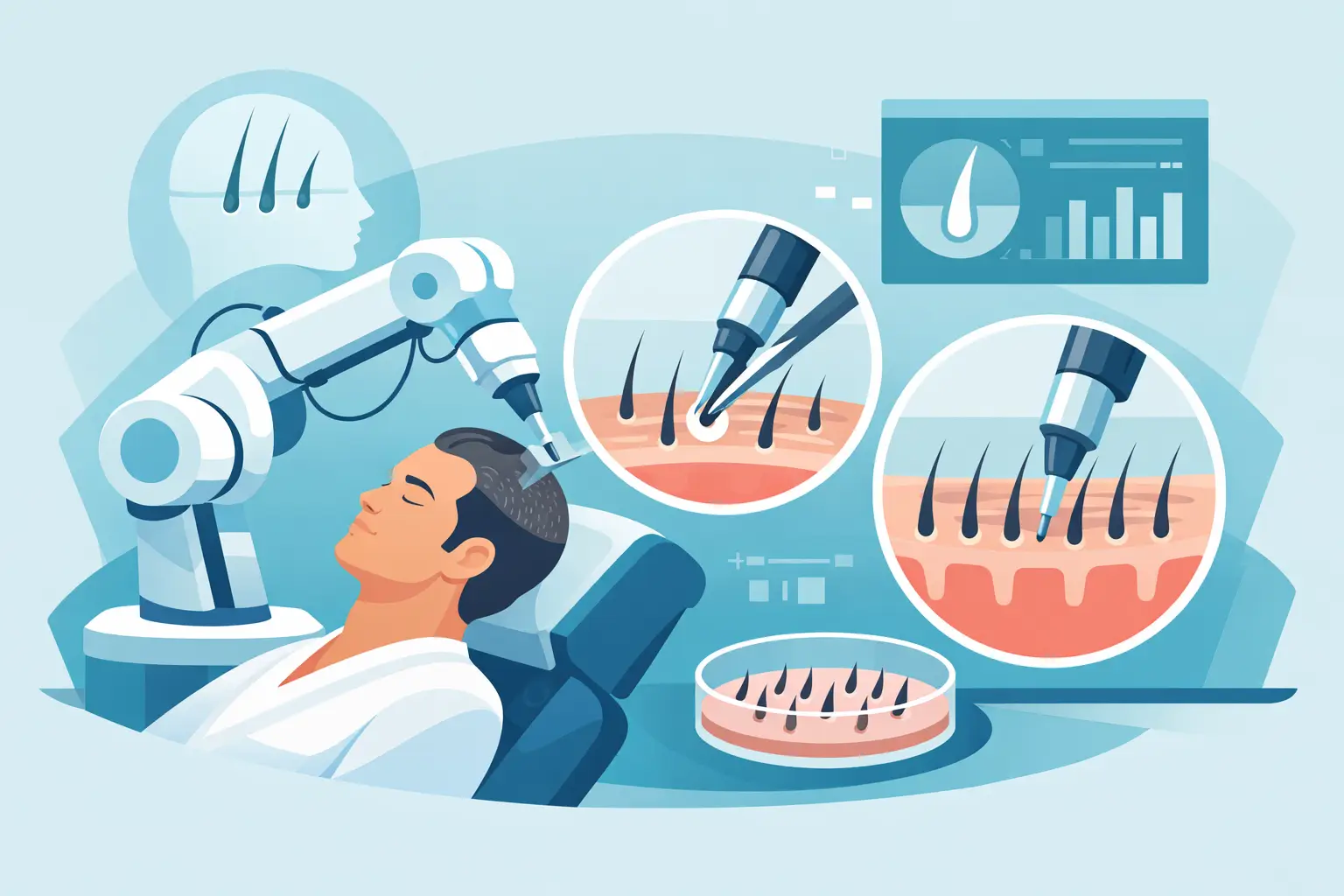
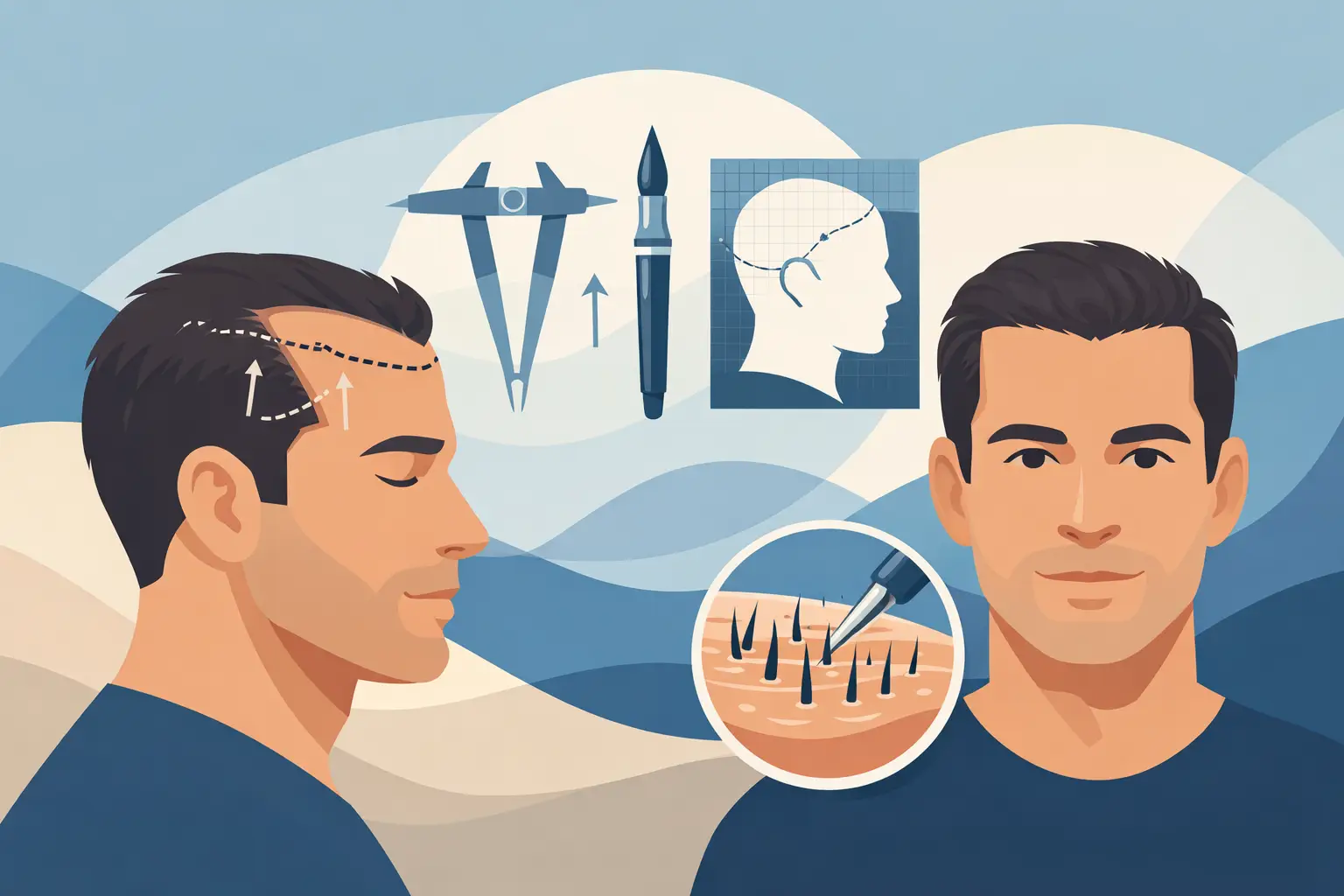
In those cases, procedural treatment may be worth discussing. Modern FUE hair transplantation can be a solution for select women with stable donor hair and localized areas of thinning. It is not the first step for everyone, but for the right candidate, it can restore density in a way medication cannot.
The most effective long-term plans often combine both approaches. Transplantation can rebuild density where hair has been lost, while medication helps protect the surrounding native hair. That combination can produce more complete and more lasting improvement.
How to choose the right next step
If you are considering hair loss medication for women, the smartest move is not choosing a product off a shelf. It is finding out what is actually causing your thinning and what level of treatment your hair loss now requires.
A good consultation should look at pattern, history, scalp health, family history, hormone factors, and progression. It should also leave room for your goals. Some women want the least invasive option possible. Others are ready for a more comprehensive plan if it gives them a better chance at visible improvement. Both are valid.
At Austin Hair Clinic, that kind of personalized approach matters because successful hair restoration is rarely about pushing one treatment. It is about choosing the right one at the right time, with realistic expectations and medical guidance you can trust.
Hair loss can make you feel like you are losing control of something deeply personal. The right treatment plan can change that. When medication is matched to the cause, monitored properly, and combined with expert care when needed, it can do more than support regrowth. It can help you feel like yourself again.