Traction Alopecia Treatment Methods That Work
That tight ponytail, braid style, sew-in, or extension routine may have looked polished for years before your hairline started sending a different message. Traction alopecia treatment methods work best when they match the stage of hair loss, because early damage can often be reversed, while long-term tension can leave permanent thinning.
What traction alopecia is really doing to your hairline
Traction alopecia is hair loss caused by repeated pulling on the hair shaft and follicle. It often shows up along the temples, frontal hairline, behind the ears, or anywhere a style places constant stress. We see it in patients who wear tight braids, locs, buns, ponytails, glue-in pieces, extensions, head coverings with friction, or frequent heat-styled tension looks.
The key issue is not one hairstyle on one day. It is chronic mechanical strain over time. In the early phase, follicles become inflamed and weakened but may still be alive. In the later phase, prolonged injury can lead to scarring and permanent loss. That difference matters because it changes which treatment path has the best chance of success.
A common early warning sign is soreness after styling. You may also notice small bumps, broken hairs, thinning edges, or a widening part. If the area has become shiny, very smooth, or bare for a long time, regrowth is less predictable and may require procedural restoration.
Traction alopecia treatment methods by stage
The most effective traction alopecia treatment methods start with removing the cause. If the tension continues, even excellent medical care is working uphill. That means loosening styles, reducing extension weight, avoiding adhesives when possible, and giving the scalp recovery time between protective styles.
Early-stage treatment
When traction alopecia is caught early, conservative treatment can make a real difference. The first step is a styling reset. Looser hairstyles, lower-tension braids, wider part placement rotation, and reduced use of heavy extensions help stop ongoing follicle stress. Patients often improve simply by changing habits before permanent damage sets in.
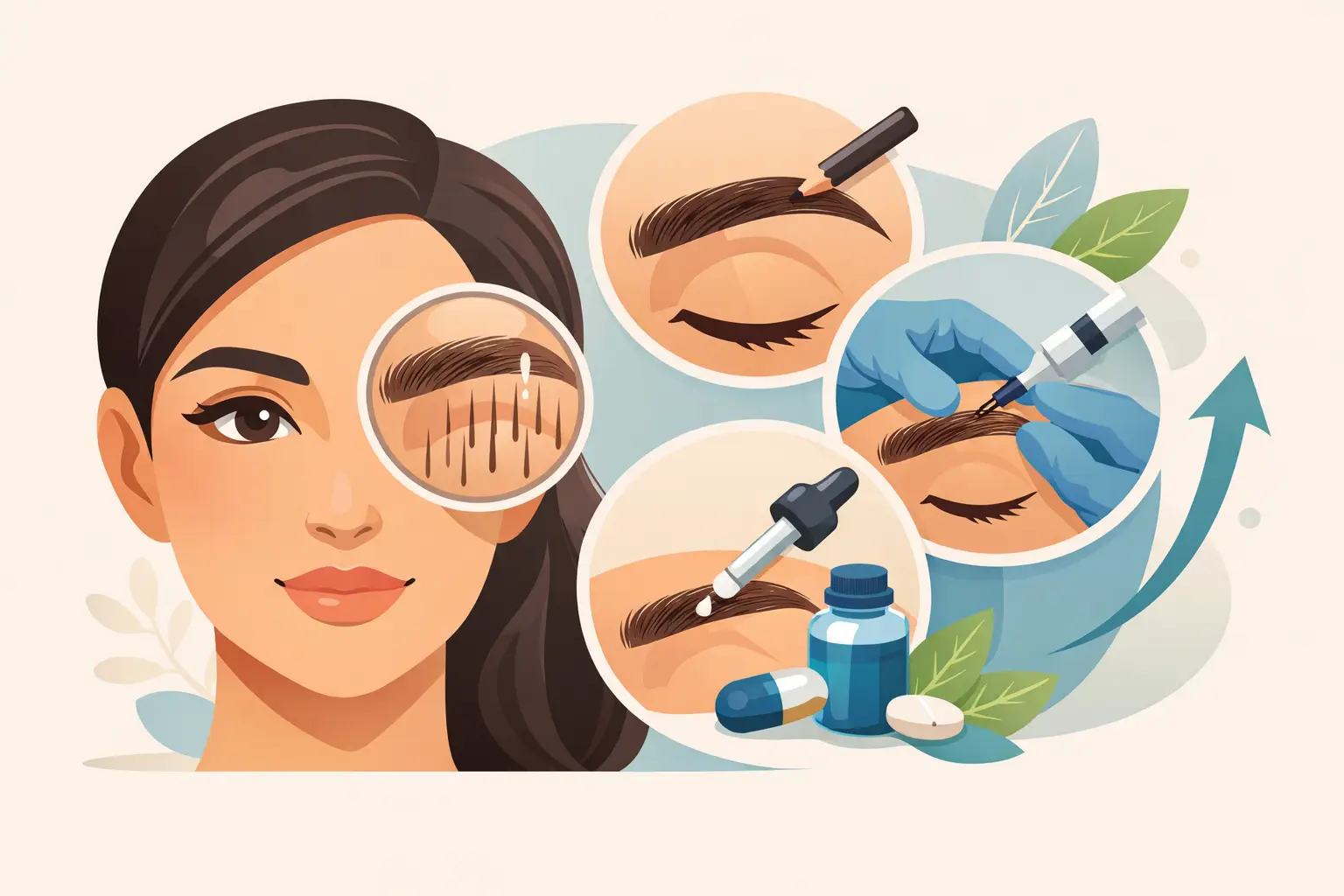
Medical therapy may also be appropriate. Depending on the scalp findings, a physician may recommend topical treatments to support regrowth, reduce inflammation, and improve follicle function. In some cases, oral medications are considered as part of a broader hair restoration plan, especially if traction alopecia overlaps with genetic thinning or hormonal hair loss.
If there is scalp irritation, tenderness, flaking, or visible inflammation, that needs attention too. An inflamed scalp is not an ideal environment for recovery. Treatment may include prescription anti-inflammatory options or other targeted therapies based on what is driving the irritation.
Moderate or long-standing hair loss
When thinning has been present for a long time, treatment becomes more nuanced. Some follicles may still recover, while others may be permanently damaged. This is where an in-person scalp evaluation is valuable. Magnified assessment of the scalp can help determine whether you are dealing with miniaturized hairs that can be improved or scarred areas that are unlikely to regrow on their own.
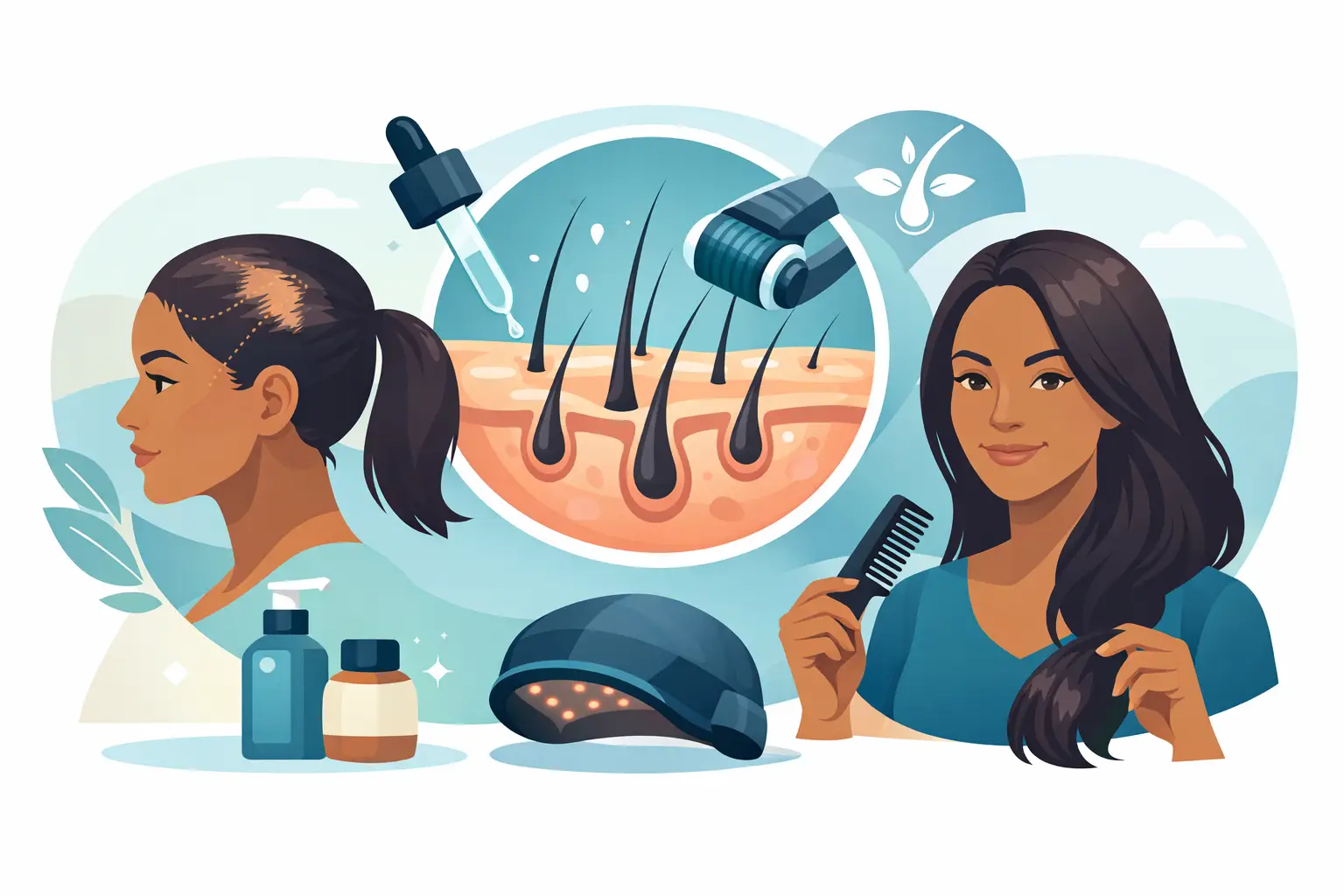
Patients in this category often benefit from combination care. That may include medical hair loss therapy, regenerative treatments, and low-level laser therapy to support the healthiest remaining follicles. The goal is to preserve existing hair, improve density where recovery is still possible, and decide realistically whether transplant restoration will eventually be needed.
Permanent traction alopecia
If the follicle has been destroyed and scar tissue has replaced it, no serum, vitamin, or shampoo can bring that follicle back. This is the point where many people waste months or years trying products that are not designed for the problem they actually have.
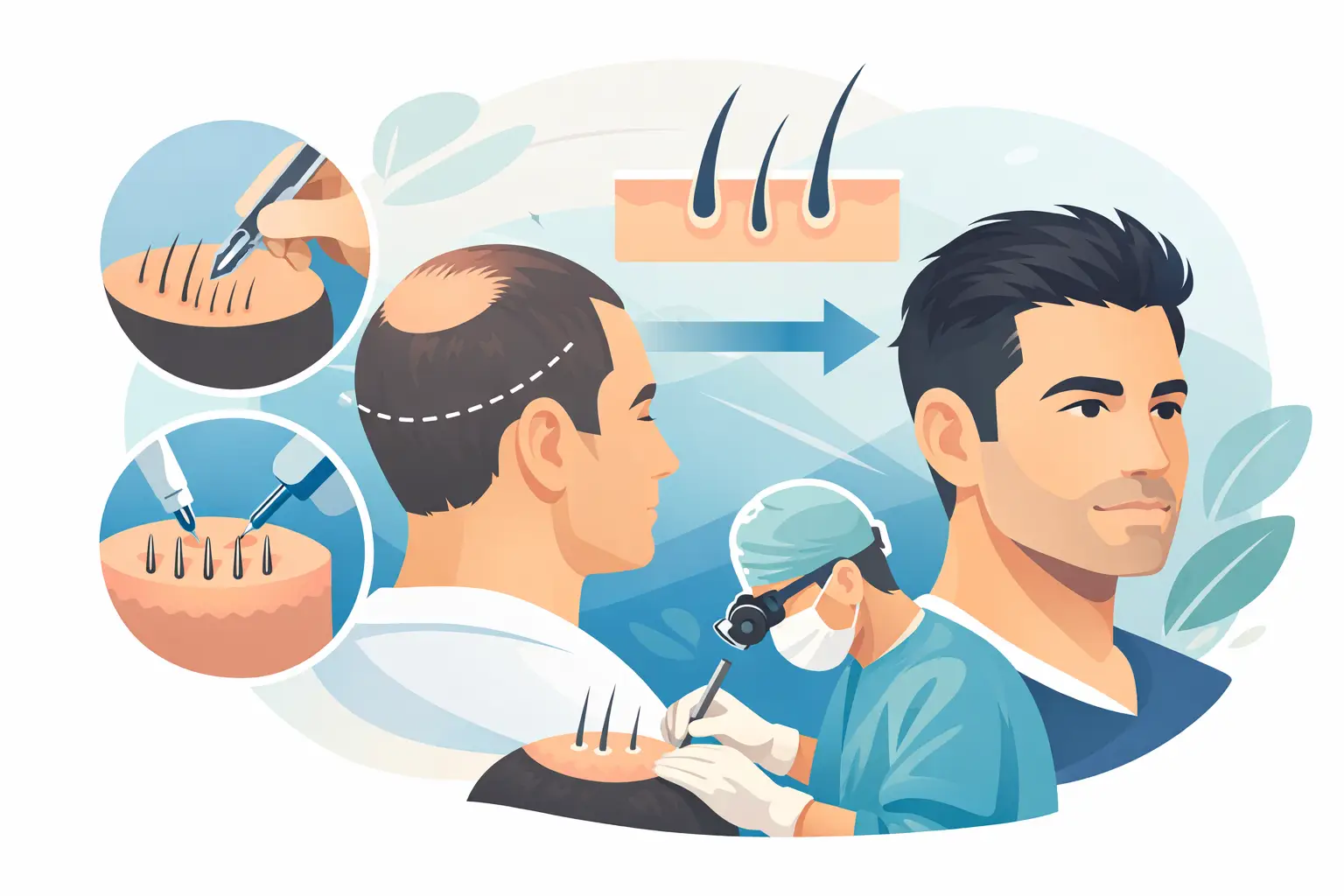
For permanent traction alopecia, hair transplantation can be the most effective option when the scalp is stable and the patient has a suitable donor area. FUE is often preferred for restoring the hairline or thinning edges because it allows for precise placement and natural-looking density in cosmetically important zones.
Non-surgical options that may help
Not every case needs surgery, and not every patient is ready for it. Non-surgical treatment is often the right first move, especially when there is still a chance for regrowth.
Topical minoxidil is commonly used to help stimulate hair growth in weakened follicles. It is not a cure for traction itself, but it can support recovery after the source of tension has been removed. Results vary, and consistency matters. Some patients respond well, while others need a broader strategy.
Prescription medications may be considered in select patients, especially if another type of hair loss is happening at the same time. That overlap is more common than many people realize. A patient may think the issue is only from styling, while underlying pattern hair loss is also contributing to temple recession or generalized thinning.
Low-level laser therapy can be helpful as a supportive treatment. It is not a standalone answer for advanced traction alopecia, but it may improve scalp health and help preserve compromised follicles. Regenerative hair loss injections may also be recommended in certain cases to support the scalp environment and strengthen existing hair.
Supplements can play a supportive role if nutritional issues are involved, but they should not be viewed as the main solution to mechanical hair loss. If the problem is chronic traction, the best supplement in the world will not offset ongoing tension.
When a hair transplant makes sense
Hair transplantation is not the first answer for every patient with thinning edges, but it can be an excellent option when traction alopecia has stabilized and the loss is permanent. Timing matters. If a patient continues wearing the same high-tension styles after transplant surgery, the newly restored follicles can also be put at risk.
FUE is especially well suited for traction-related hairline restoration because it allows individual follicular units to be placed with careful angle, direction, and density control. That level of precision matters around the temples and frontal hairline, where naturalness is everything.
A good candidate usually has stable hair loss, enough donor supply, and a clear commitment to changing the styling habits that caused the problem. During consultation, the physician should evaluate scalp condition, donor strength, and whether any medical treatment should come first.
At a specialized hair restoration practice such as Austin Hair Clinic, that planning process may include scalp analysis and a customized recommendation that combines medical support with procedural restoration when needed. For many patients, the right answer is not one treatment. It is a staged plan.
What results to expect
This is where honesty matters. Early traction alopecia can improve significantly, but regrowth is not always immediate. Hair cycles take time, so visible change may take several months after reducing tension and starting treatment. Patients often notice less shedding and fewer broken hairs first, then gradual filling in.
If the loss is advanced or scarred, improvement from non-surgical care may be limited. In those cases, treatment is still useful because it can stabilize the scalp, protect surrounding hair, and prepare for restoration. But realistic expectations are essential. The right plan should be hopeful, not exaggerated.
It also depends on location. The edges and temples can be stubborn because they are exposed to repeated styling stress and often have finer hair to begin with. That does not mean treatment cannot work. It means precision and patience matter more.
How to protect your hair going forward
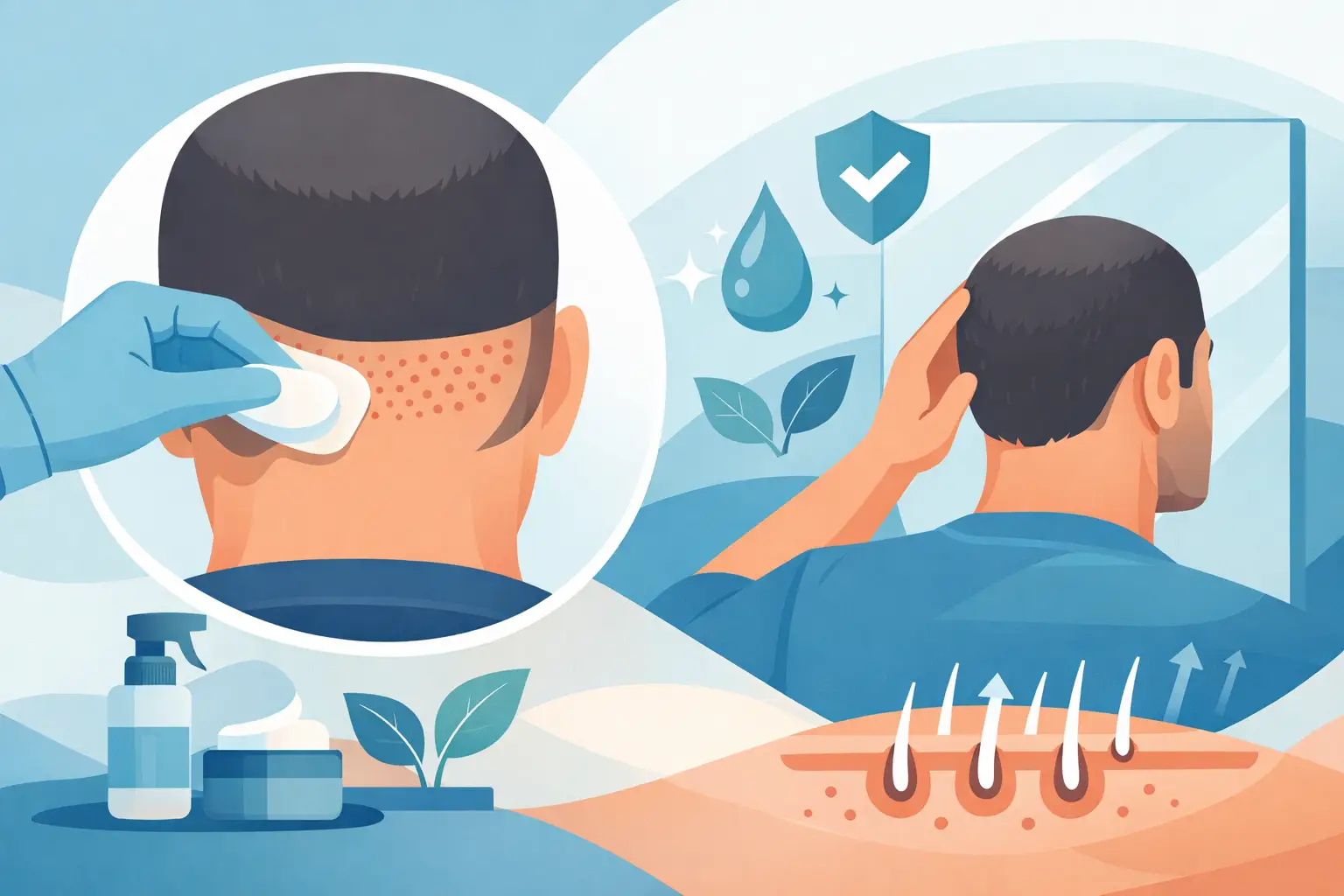
Preventing recurrence is part of treatment. If you have had traction alopecia once, your styling choices from here on out matter. Aim for styles that do not create pain, scalp tenderness, or prolonged pulling. Rotate styles instead of stressing the same areas repeatedly, and be cautious with heavy extensions or tight finishing around the hairline.
If a style hurts during the appointment, that is a warning sign, not something to ignore for the sake of a cleaner look. The scalp has a way of telling you when the hair follicle is under too much stress.
The earlier you address thinning edges, the more options you usually have. Waiting until the area has been bare for years narrows the path and often makes treatment more expensive, more involved, and less predictable.
If your hairline is changing and you suspect styling tension is the reason, the most helpful next step is a medical evaluation that identifies whether the follicles are injured, dormant, or gone. Once you know which stage you are in, the right treatment plan becomes much clearer and your confidence has a much better place to start growing back.