How to Prepare for Hair Transplant Surgery

The week before a hair transplant tends to bring two competing thoughts: excitement about finally addressing hair loss, and anxiety about doing something wrong before surgery. If you are getting ready to prepare for hair transplant surgery, the good news is that most of what matters is straightforward. The right prep helps protect grafts, supports healing, and makes your procedure day feel much easier.
Hair restoration is not just about what happens in the treatment chair. It starts before the first graft is extracted. Good preparation gives your medical team the best possible conditions to create a natural-looking result, and it gives you more confidence walking into the procedure.
Why preparation matters before hair transplant surgery
A hair transplant is a minimally invasive procedure, but it is still a medical procedure. Your scalp needs to be in good condition, your body needs to be ready to heal, and your surgeon needs a clear picture of your health, medications, and goals.
Preparation affects more than comfort. It can influence bleeding during the procedure, the quality of the donor area, how well grafts are placed, and how smoothly recovery goes afterward. Patients sometimes assume the surgery itself is the only thing that matters. In reality, the days leading up to your appointment can shape the experience just as much.
There is also an emotional side to preparation. When patients know what to do and what to expect, they tend to feel calmer and more in control. That matters, especially for people who have been thinking about hair restoration for months or even years.
How to prepare for hair transplant surgery in the weeks before
The first step is to follow your clinic’s instructions exactly. Every patient is different. The right plan depends on your age, health history, current medications, type of hair loss, and whether you are having standard FUE, robotic FUE, or facial hair transplantation.
That said, there are several prep steps that commonly apply.
Review medications and supplements honestly
Your surgeon needs a complete list of what you take, including prescriptions, over-the-counter products, vitamins, herbal supplements, and workout aids. This is not paperwork for the sake of paperwork. Certain medications and supplements can increase bleeding, affect blood pressure, or interfere with healing.
Patients are often surprised that common items like fish oil, vitamin E, some anti-inflammatory medications, and certain herbal products may need to be paused before surgery. Do not stop prescription medications on your own, though. Your physician should guide those decisions.
If you use hair loss medications, ask whether you should continue them before and after surgery. In many cases, these treatments remain part of the long-term plan, but timing can vary.
Stop smoking and reduce nicotine exposure
If you smoke or use nicotine, this is one of the most important conversations to have before your procedure. Nicotine can reduce blood flow and make healing less predictable. Since transplanted grafts depend on a healthy blood supply, that matters.
Ideally, patients stop smoking well before surgery and stay away from nicotine during early recovery. If that feels difficult, be upfront about it. Your care team would rather help you plan around a real habit than work from incomplete information.
Limit alcohol before the procedure
Alcohol can contribute to dehydration and may increase bleeding risk. Many clinics ask patients to avoid alcohol for a period before surgery. It is a simple step, but an important one.
This is also not the time for crash dieting, late nights, or anything that leaves you run down. Your body heals better when you are rested, hydrated, and eating normally.
Take care of your scalp, but keep it simple
Patients often ask if they should use special shampoos, oils, masks, or scalp treatments before surgery. Usually, simple is better. Keep your scalp clean and avoid harsh chemical services or anything irritating in the days leading up to your appointment.
If you color your hair, ask your clinic about timing. In some cases, coloring before surgery is acceptable if done far enough in advance. Immediately before the procedure is usually not ideal, especially if it causes scalp sensitivity.
Sunburn is another issue that gets overlooked. A sunburned scalp can lead to discomfort and may interfere with scheduling, so protect your head if you spend time outdoors.
Plan for procedure day, not just the procedure itself
Many patients focus so much on the surgery that they forget to plan the practical details around it. That can create avoidable stress.
Wear comfortable clothing, especially a button-down or zip-up top so you do not need to pull anything over your head afterward. Arrange transportation if your clinic recommends it, particularly if you will receive medication that makes driving a poor choice.
You should also clear your schedule. A hair transplant is not something to squeeze in between meetings. Even if you feel physically fine afterward, you will want time to go home, rest, and follow your post-op instructions carefully.
Eat and sleep well the night before
Get a full night’s sleep if possible. Being rested helps with stress, comfort, and recovery. Your clinic will tell you whether to eat before the procedure, and those instructions matter. Many FUE patients are told to eat a normal meal, but you should always follow the guidance specific to your case.
If you are anxious, that is normal. Write down your questions in advance so you do not forget them on procedure day. A good surgical team expects those questions and should welcome them.
What to expect on the day of surgery
On the day of your procedure, your team will review the plan, confirm your hairline design or treatment zones, and go over any last details. This is where experience and communication matter. Natural-looking results depend on precision, but also on alignment between your expectations and the surgical plan.
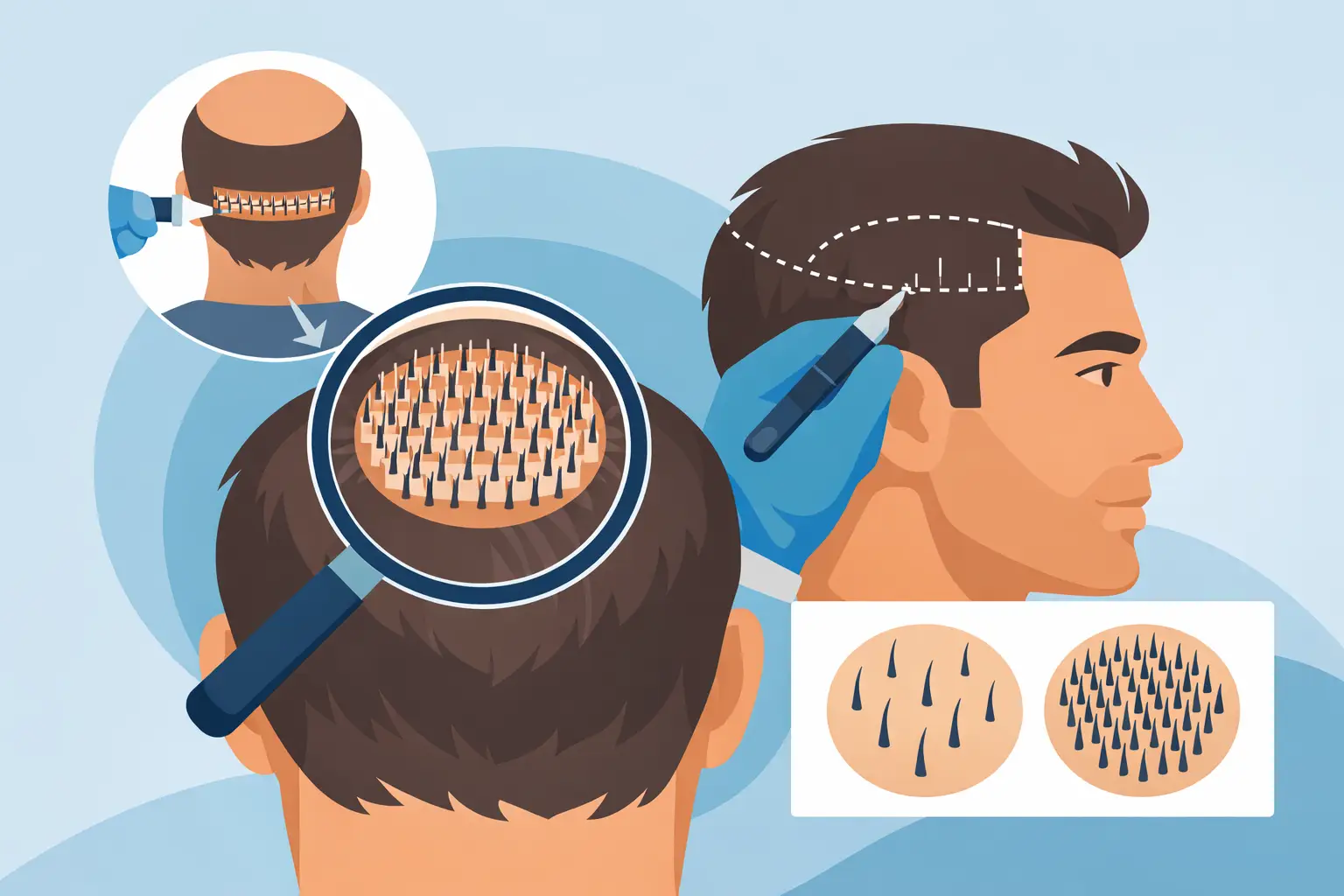
For FUE, the donor area is prepared, follicles are extracted, and then grafts are placed into thinning or balding areas. The process can take several hours depending on the number of grafts and the areas being treated.
Most patients describe the procedure as more manageable than they expected. You may feel pressure or mild discomfort at certain points, but local anesthesia is used to keep you comfortable. The bigger challenge for many people is simply being patient through a long appointment.
Prepare your home for recovery
If you want an easier recovery, set things up before surgery. That means having your post-op supplies ready, planning a clean place to rest, and adjusting your schedule so you are not forced back into normal routines too quickly.
Your clinic will give you aftercare instructions, and those are just as important as the pre-op ones. Some patients need a travel neck pillow for sleeping upright, gentle shampoo for washing at the right time, and ice packs for forehead swelling if advised. The exact list varies, but the principle is the same: make recovery as low-stress as possible.
It also helps to think about work and social plans. Some patients return to desk work quickly. Others prefer several days of privacy while redness, scabbing, or swelling improves. There is no universal answer. It depends on the extent of the procedure, your comfort level, and how public-facing your job is.
Realistic expectations are part of how you prepare for hair transplant surgery
Preparation is not only physical. It is mental.
A transplant does not create overnight density. The newly placed grafts need time to settle, heal, and begin their growth cycle. It is common for transplanted hairs to shed before new growth starts. That can be unsettling if you were not prepared for it, but it is often a normal part of the process.
Visible improvement usually comes gradually. Some patients notice early changes within a few months, but stronger cosmetic results typically take longer. The exact timeline depends on the area treated, your hair characteristics, and your body’s growth cycle.
This is also where a personalized treatment plan matters. Surgery may be the centerpiece, but long-term hair restoration sometimes includes medications, regenerative treatments, or laser therapy to help preserve and strengthen existing hair. The right approach depends on your pattern of loss and future goals.
Questions worth asking before surgery
A strong consultation should leave you feeling informed, not rushed. Before your procedure, make sure you understand how many grafts are planned, what type of transplant you are having, what recovery will look like, and what timeline is realistic for results.
You should also know who is performing key parts of the procedure, what role the physician plays, and what support is available if you have questions afterward. Patients choosing a clinic are not just choosing a procedure. They are choosing the medical judgment, aesthetic approach, and follow-through behind it.
For many patients in Texas, that trust is a major part of the decision. A practice like Austin Hair Clinic can make preparation feel more manageable because the process is built around education, personalized planning, and physician-led care rather than a one-size-fits-all sales pitch.
If you are getting ready for surgery, the best thing you can do is keep it simple: follow instructions closely, ask honest questions, and give your body the best conditions to heal well. Confidence starts before the first graft is placed, and a calm, well-prepared start often leads to a better overall experience.