How to Maintain Transplanted Hair for Lasting Results
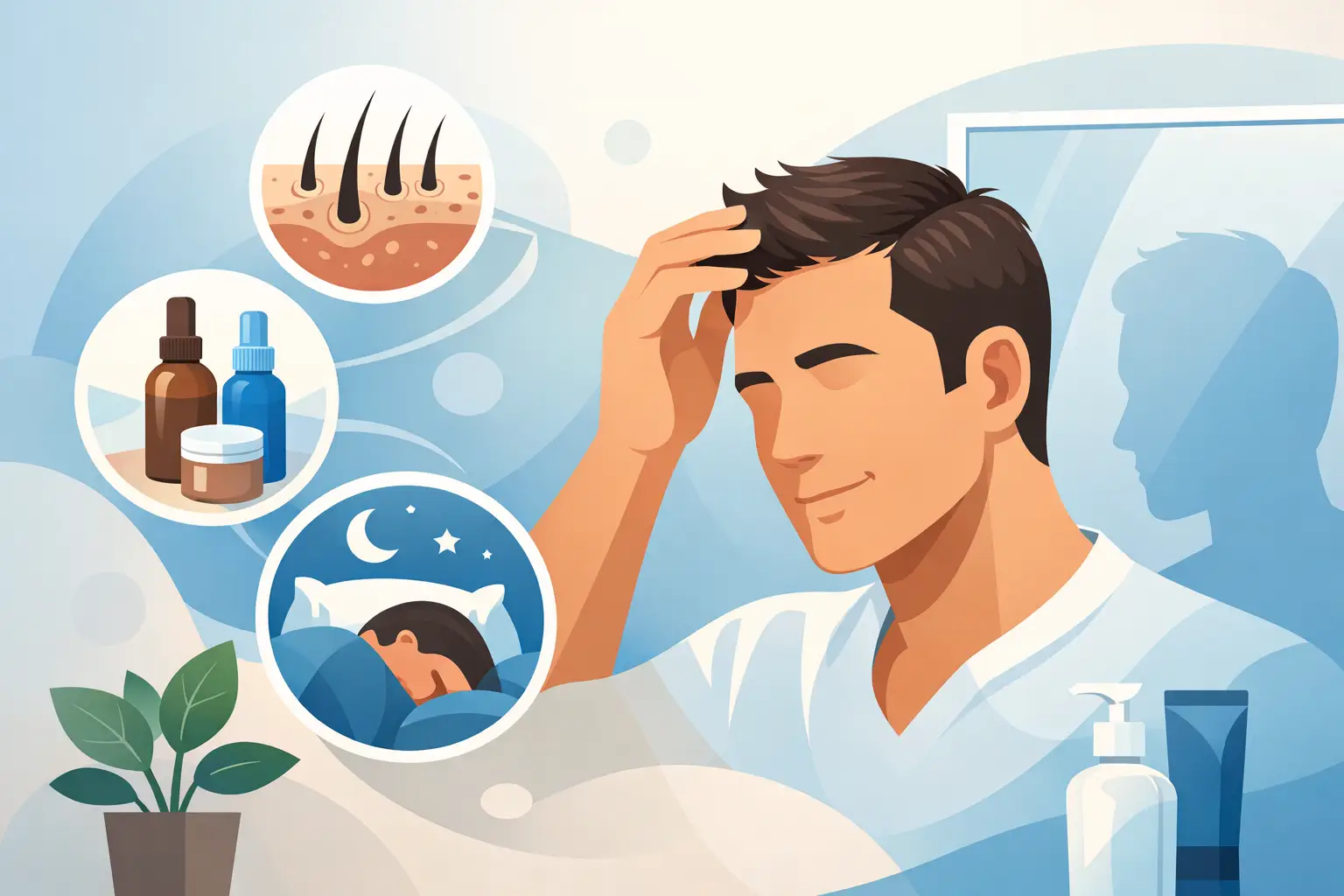
The day after a hair transplant, the goal is not to make your scalp look normal. It is to protect newly placed follicles while they establish a blood supply and begin their long-term growth cycle. Knowing how to maintain transplanted hair means following your surgeon’s recovery instructions closely, treating the recipient area gently, and creating a plan to preserve the non-transplanted hair around it.
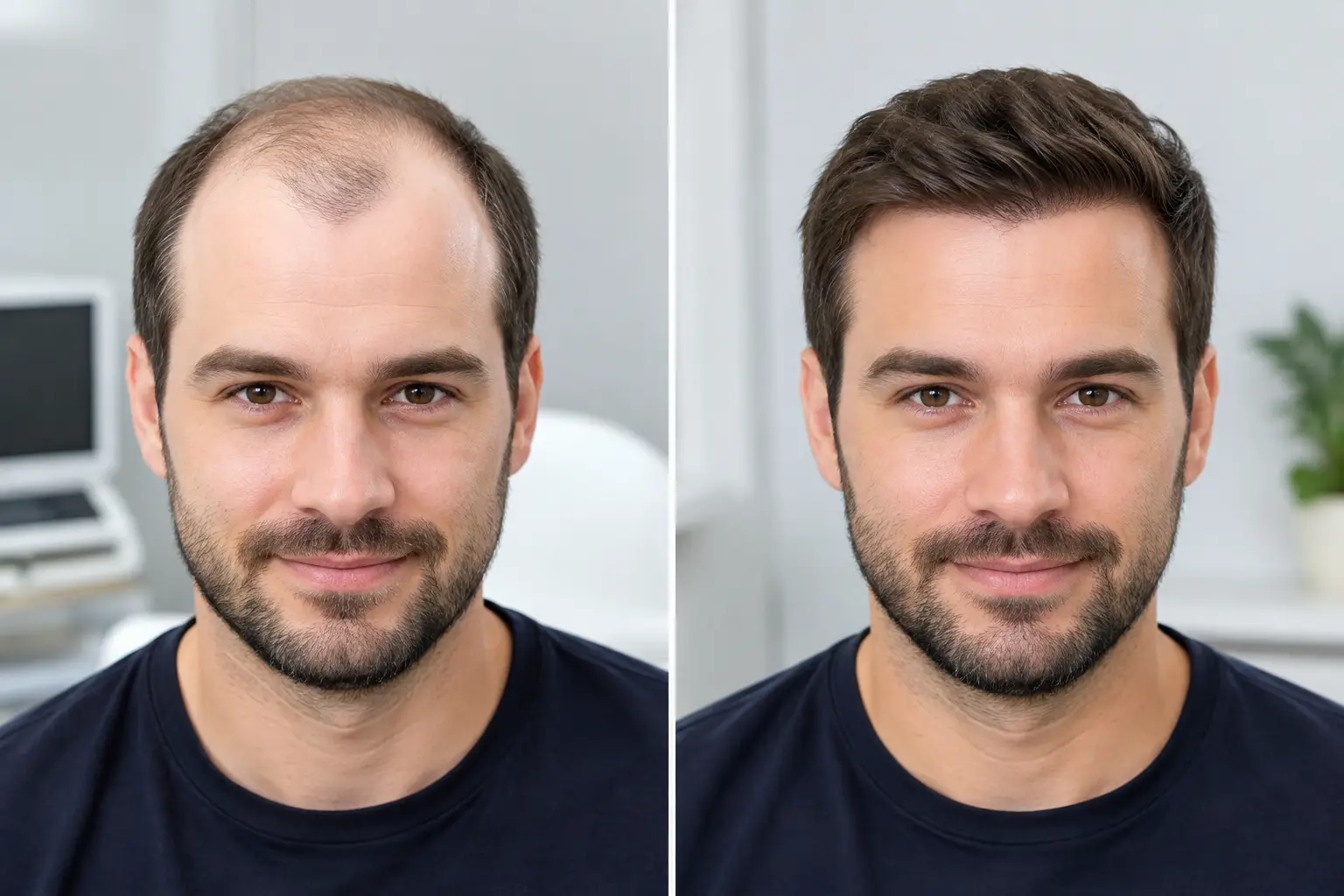
A well-performed FUE transplant can produce natural-looking, permanent growth from the transplanted follicles. But the results still depend on healing, time, and the ongoing management of progressive hair loss. The care you give your scalp in the first two weeks matters greatly. The care you give your native hair over the years matters just as much.
The First 10 Days: Protect the Grafts
During the earliest stage of recovery, transplanted grafts are delicate. They should not be rubbed, picked, scratched, or exposed to direct pressure. Even if scabbing or itching is frustrating, avoid trying to remove crusts with your fingernails. This can disturb a graft before it has fully anchored.
Your surgical team will provide a specific washing protocol. In many cases, patients begin gentle rinsing and use a mild shampoo as directed, allowing water and lather to run over the scalp rather than scrubbing. The exact timing varies by procedure, the size of the transplant, and your physician’s protocol, so personal instructions always take priority over general advice.
Sleeping position also matters for the first few nights. Keeping your head elevated can help limit swelling, and a travel pillow may prevent accidental pressure on the recipient area. If your forehead or upper face appears puffy after surgery, this is usually temporary. Contact your clinic promptly if you experience worsening pain, excessive redness, drainage, fever, or swelling that does not improve as expected.
Avoid strenuous exercise, heavy lifting, saunas, steam rooms, and swimming during the period recommended by your physician. Sweat, friction, elevated blood pressure, and exposure to bacteria or pool chemicals can interfere with comfortable healing. Most patients can return to light activity relatively soon, but hard workouts should wait until the scalp is ready.
How to Maintain Transplanted Hair After Healing
Once the grafts are secure, the focus shifts from protection to healthy growth and long-term preservation. Transplanted hair is usually taken from the donor area at the back or sides of the scalp, where follicles are more resistant to pattern hair loss. That resistance is a major advantage, but it does not mean every hair on your head is immune to future thinning.
The native hair surrounding your transplant may still be affected by androgenetic alopecia, also called male or female pattern hair loss. If that hair continues to miniaturize, the contrast between transplanted and non-transplanted areas can become more noticeable over time. A thoughtful maintenance plan helps protect density and keep your result looking balanced.
Use medications only when they fit your plan
For many patients, physician-guided medication is one of the most effective ways to slow further thinning. Options may include topical minoxidil, oral minoxidil, finasteride, or other treatments selected based on your medical history, hair-loss pattern, goals, and tolerance for potential side effects.
Medication is not mandatory for every transplant patient, and it is not a one-size-fits-all decision. Some people have stable hair loss and a strong donor supply. Others have active thinning and benefit substantially from medical therapy. A qualified hair restoration physician can explain the trade-offs clearly and help you decide whether treatment is appropriate.
If you are prescribed a hair-loss medication, consistency matters. Stopping and starting treatment without guidance can make it harder to evaluate what is helping. Let your provider know if you experience side effects, have changes in health, or are considering adding supplements or other therapies.
Treat your scalp with the same care as your skin
After your physician clears you to resume normal grooming, wash regularly with products suited to your scalp. Clean hair does not cause hair loss. In fact, managing oil, flaking, inflammation, or seborrheic dermatitis can make the scalp more comfortable and support a healthier environment for existing hair.
Choose a gentle shampoo when possible, especially if your scalp is sensitive. Avoid aggressive towel drying, repeated scratching, and very hot water. Styling products are generally fine after healing, but use them thoughtfully. Tight hairstyles, frequent traction, and harsh chemical processing can damage the hair shaft and contribute to breakage, even when they do not affect the follicle itself.
Sun protection deserves special attention. A healing scalp can burn easily, and prolonged sun exposure may increase redness or discoloration. Wear a loose, clean hat only when your surgeon says it is safe, and use scalp-friendly sun protection after the incision sites have healed.
Support growth with realistic lifestyle habits
No vitamin can replace a transplant, and no supplement can overcome untreated genetic hair loss. Still, your general health influences hair quality and shedding. A diet with adequate protein, iron, zinc, vitamin D, and other nutrients supports normal hair production. Crash dieting, rapid weight loss, major illness, and unmanaged stress can trigger temporary shedding that complicates the appearance of your result.
If you suspect a nutritional issue, do not guess. Blood work and a medical evaluation can identify deficiencies or hormonal factors that deserve treatment. Supplements such as Nutrafol may be useful for some patients, but they work best as part of a personalized plan rather than a substitute for diagnosis.
Sleep, hydration, and stress management also have a role. They will not change your genetic predisposition to hair loss, but they can support recovery and reduce the likelihood that avoidable shedding makes your hair look thinner.
Expect Shedding Before New Growth
One of the most common concerns after FUE is shock loss. In the weeks following surgery, many transplanted hairs shed from their follicles. This can look alarming, particularly when a patient expected immediate density. In most cases, it is a normal part of the process: the follicle remains beneath the scalp and enters a resting phase before beginning new growth.
Some patients also notice temporary shedding of nearby native hair. This is more likely when existing hair is already fine or miniaturized. It often recovers, but it is one reason a comprehensive treatment plan can be valuable for patients with active hair loss.
New transplanted growth commonly begins around three to four months after surgery. At first, the hairs may be fine, uneven, or slower than expected. Visible improvement builds over subsequent months, with many patients seeing a meaningful change between six and nine months. Final maturation can take 12 months or longer, especially in the crown, where growth cycles can be slower.
Patience is part of maintenance. Avoid judging the result too early or comparing your progress too closely with someone else’s timeline. Hair growth is biologic, not instant, and individual healing patterns vary.
Keep Follow-Up Visits on the Calendar
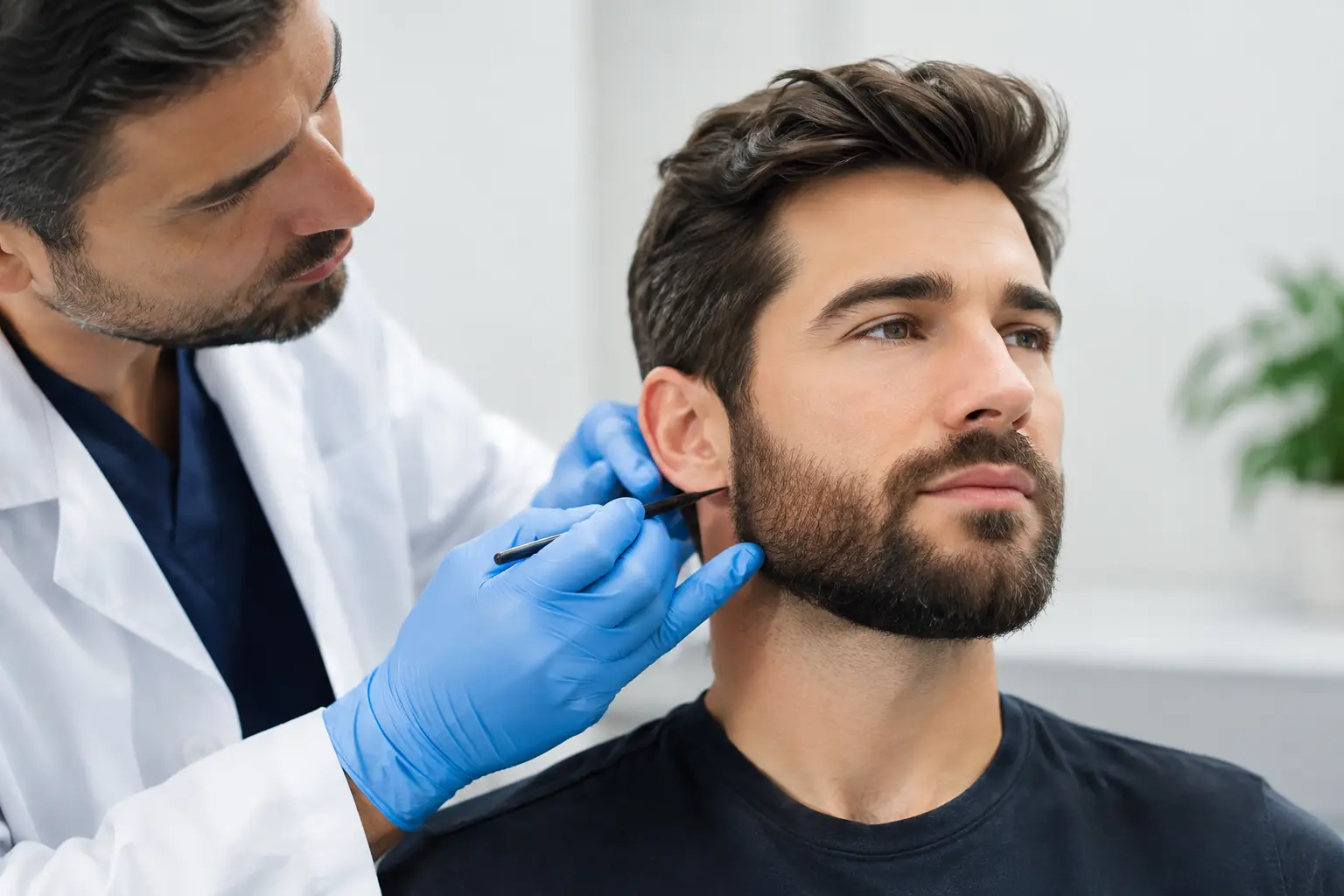
Follow-up appointments give your medical team a chance to check healing, document growth, and address concerns before they become larger problems. They are also an opportunity to reassess your native hair. Your goals may change after you see the new hairline take shape, or you may benefit from additional support for crown density, diffuse thinning, or facial hair restoration.
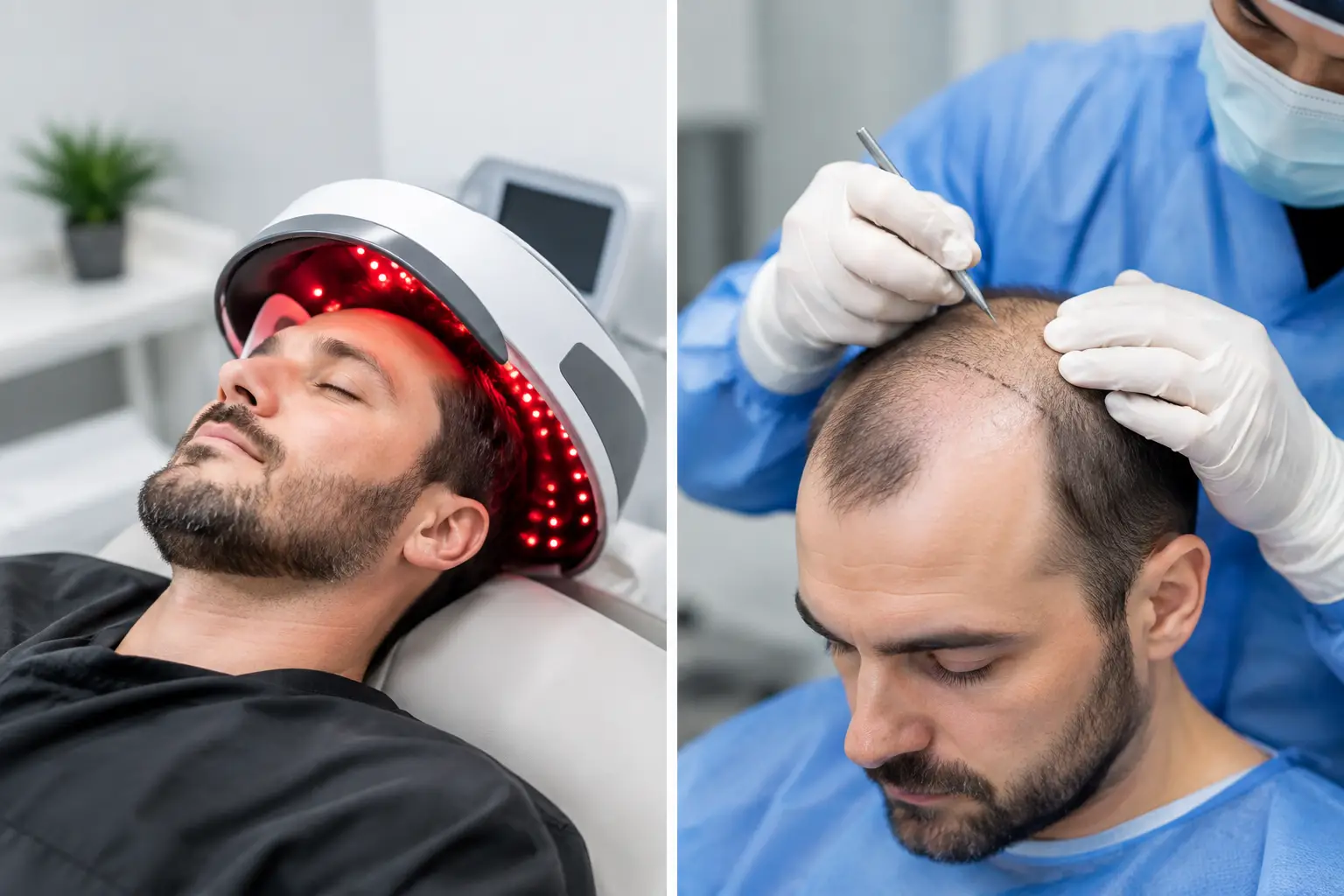
At Austin Hair Clinic, long-term care begins with understanding the full picture: donor availability, the pattern and pace of loss, scalp health, and the result you want to maintain years from now. Treatments such as regenerative hair loss injections, low-level laser therapy, and diagnostic testing may be considered when they genuinely fit the patient, not simply added to a plan.
When to Call Your Hair Restoration Team
Most redness, scabbing, tightness, and mild itching improve steadily during recovery. Reach out to your clinic if symptoms become more severe rather than better, or if you notice significant drainage, spreading redness, fever, persistent bleeding, or sudden pain. It is always better to ask than to make a change to your care routine on your own.
You should also schedule a review if you see ongoing thinning outside the transplanted area. This does not mean the transplant has failed. More often, it means your underlying hair loss is continuing and your maintenance plan needs to evolve.
A hair transplant is a meaningful investment in how you see yourself. Protect it with careful recovery, realistic expectations, and ongoing medical guidance that keeps the result looking natural as the years pass.