Does Finasteride Stop Shedding? What to Expect
If you are seeing more hair in the shower, on your pillow, or around your hairline, the question is understandably urgent: does finasteride stop shedding? For many men with androgenetic alopecia, finasteride can reduce the ongoing hair loss process that causes progressive shedding and thinning. It is not an overnight switch, though, and the first few months can feel uncertain when you are watching every strand.
The most useful way to think about finasteride is as a treatment designed to protect vulnerable follicles over time. It can help slow or stabilize pattern hair loss, preserve existing density, and in some patients support visible thickening. The key is understanding what type of shedding you are experiencing and giving the medication enough time to work.
How finasteride helps reduce hair shedding
Male pattern hair loss is largely driven by dihydrotestosterone, commonly called DHT. In genetically susceptible follicles, DHT gradually shortens the growth phase of the hair cycle and causes hairs to grow back finer, shorter, and less pigmented. Over years, this miniaturization can make the scalp increasingly visible, especially at the crown, temples, and frontal hairline.
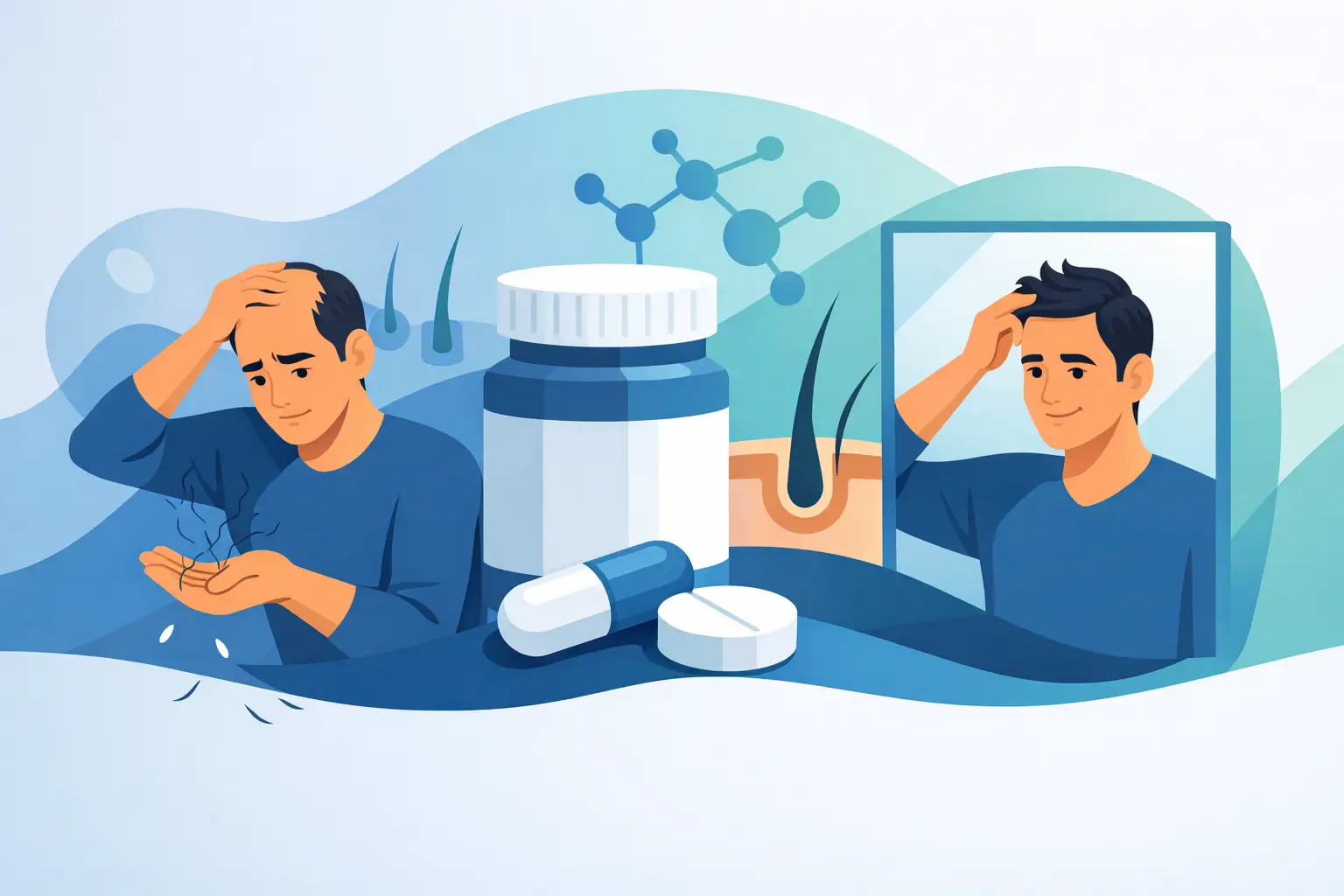
Finasteride lowers the conversion of testosterone into DHT. With less DHT affecting susceptible follicles, the miniaturization process may slow. That is why finasteride is often used to help men maintain the hair they still have rather than waiting until the loss becomes more advanced.
For the right patient, this can mean less shedding over time. It can also mean that shed hairs are gradually replaced by stronger hairs during later growth cycles. Results vary according to genetics, age, the extent of hair loss, treatment consistency, and whether another condition is contributing to the shedding.
Does finasteride stop shedding completely?
Usually, no. Everyone sheds hair as part of a normal hair cycle. Losing some hairs each day is expected, and finasteride does not eliminate normal shedding. Its purpose is to address the hormone-driven process behind male pattern thinning, not to make every follicle permanent or prevent every hair from falling out.
For many patients, the more realistic goal is a clear reduction in excessive shedding and a slower rate of visible thinning. Some men notice that their hair appears more stable after several months. Others first recognize success when comparison photos show that their crown or hairline has changed far less than it would have without treatment.
Finasteride is also less likely to reverse a fully slick or long-bald area than it is to protect miniaturizing hair that is still present. Starting treatment while follicles are active generally offers the best chance of maintaining natural-looking density.
Can finasteride cause an initial shed?
Some people report increased shedding after starting finasteride, but this is not as consistently associated with finasteride as it is with topical or oral minoxidil. Hair growth cycles naturally fluctuate, and a person may begin treatment during a period when shedding was already accelerating.
In some cases, a temporary increase in shedding may reflect follicles shifting through the cycle before healthier growth emerges. But prolonged or dramatic shedding should not simply be dismissed as a positive sign. A medical evaluation can help determine whether the issue is pattern hair loss, telogen effluvium, scalp inflammation, nutritional deficiency, thyroid dysfunction, recent illness, stress, medication changes, or another cause.
The bottom line: a short period of fluctuation does not automatically mean finasteride is failing. At the same time, persistent worsening deserves professional guidance rather than guesswork.
When should you expect results from finasteride?
Hair follicles work on a slow biological timeline. Most patients should plan to use finasteride consistently for at least three to six months before looking for early changes, with a fuller assessment closer to 9 to 12 months. Taking photos in the same lighting, from the same angles, is far more reliable than relying on day-to-day mirror checks.
Early signs can include less hair coming out during washing or styling, easier coverage at the crown, or a slower change in the hairline. Visible regrowth can occur, but it should be viewed as a potential benefit rather than a promise. Maintaining existing hair is often a meaningful result, particularly for patients who have noticed steady progression.
Consistency matters. Missing an occasional dose is unlikely to erase progress, but stopping treatment altogether can allow DHT-related miniaturization to resume. Hair preserved with finasteride generally depends on continued treatment. If the medication is discontinued, patients may gradually lose the hair that was being maintained over the following months.
Why shedding may continue despite finasteride
Finasteride treats one important cause of hair loss, but it is not a universal solution. If shedding continues, the first step is identifying whether the pattern and timeline match androgenetic alopecia.
A sudden, diffuse increase in shedding across the entire scalp may point to telogen effluvium, which can occur after a high fever, surgery, rapid weight loss, major stress, hormonal changes, or certain medications. In that situation, finasteride alone may not address the trigger. Likewise, itching, scaling, tenderness, or patchy hair loss may signal a scalp or autoimmune concern that needs a different approach.
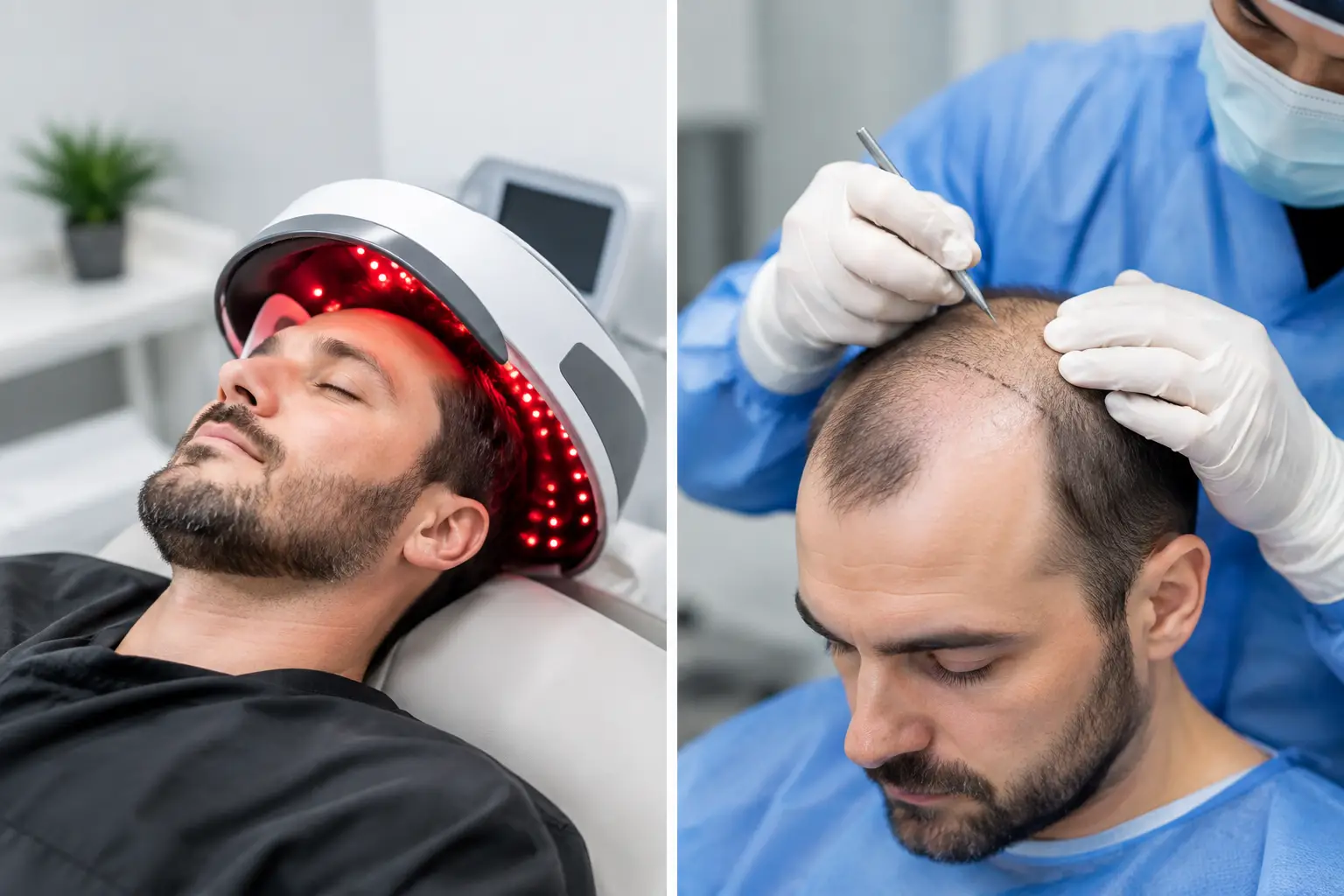
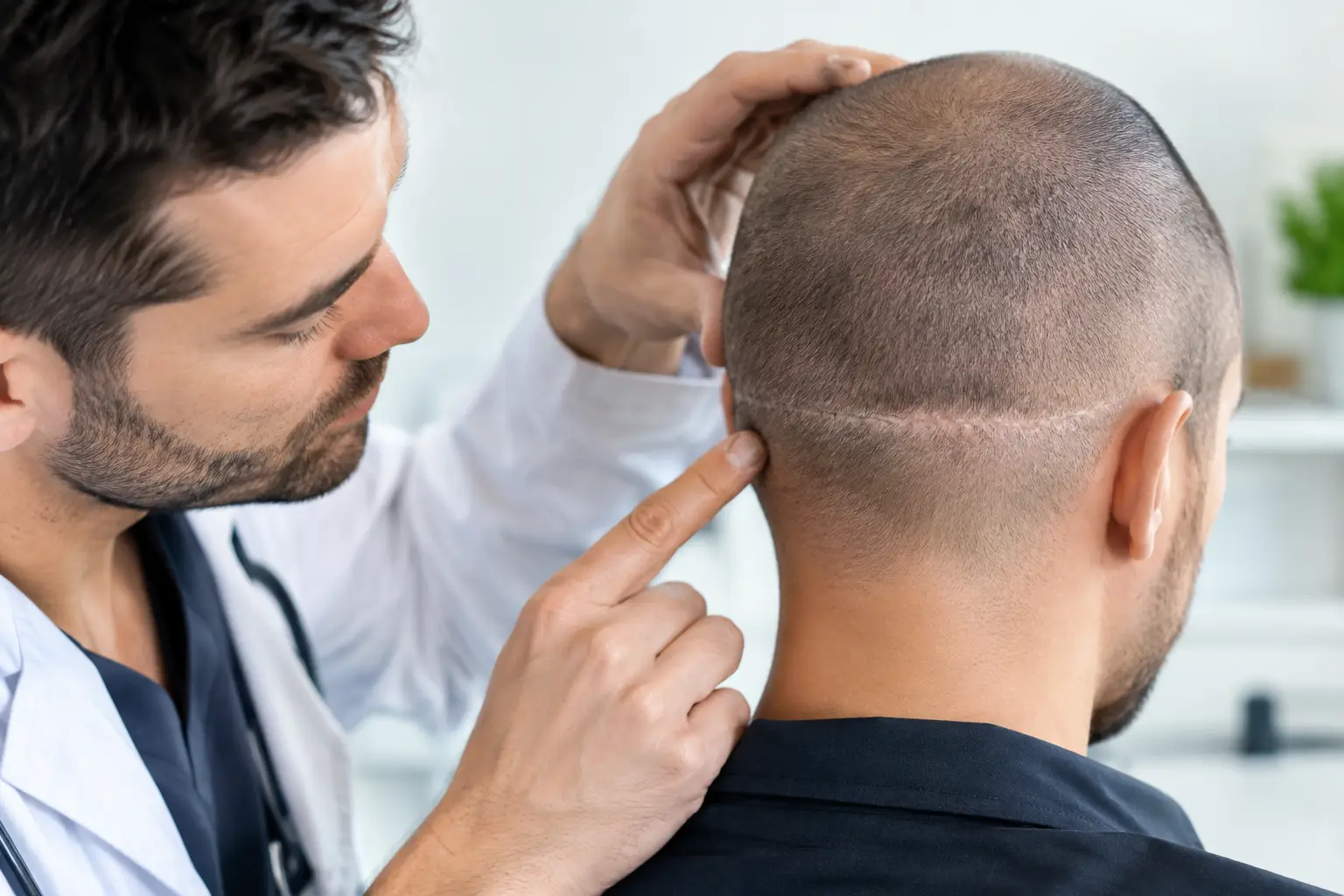
There is also the question of treatment intensity. A patient with early temple recession may be well served by medication and monitoring. Someone with advanced crown thinning, a receding hairline, and limited remaining density may benefit from a more comprehensive plan that combines medical treatment with low-level laser therapy, regenerative options, or a carefully designed FUE hair transplant.
Medication can help preserve native hair around a transplant, while transplantation can restore areas where follicles are no longer producing adequate growth. These approaches often work best together when the plan is based on the patient’s current hair loss pattern and future risk of progression.
Finasteride side effects and who should consider it
Finasteride is a prescription medication, and the decision to use it should be made with a qualified medical provider. Potential side effects can include changes in libido, erectile function, ejaculatory volume, mood, or breast tenderness. These effects are not experienced by every patient, but they should be discussed openly before treatment begins.
Finasteride is most commonly prescribed for adult men with pattern hair loss. It is generally not appropriate for women who are pregnant or may become pregnant because of potential risks to a developing male fetus. Women experiencing thinning hair need an individualized evaluation, since female hair loss can have different hormonal, nutritional, medical, and genetic causes.
A consultation should also include a review of your medical history, current medications, family pattern of hair loss, and long-term goals. The best treatment is not necessarily the strongest option. It is the one you can use safely and consistently while achieving a result that protects your confidence.
Building a plan for healthier-looking density
At Austin Hair Clinic, treatment planning begins with a close look at the scalp, the pattern of loss, and the quality of the hairs still present. That distinction matters. Fine, miniaturized hairs may be worth protecting with medical therapy, while areas with little remaining growth may require a restorative solution for meaningful coverage.
For some patients, finasteride is the foundation of a conservative plan. For others, it may be paired with minoxidil, laser therapy, regenerative hair loss injections, or future FUE restoration. There is no benefit to chasing every treatment at once. A personalized plan should balance likely results, side-effect considerations, lifestyle, and the natural appearance you want to maintain.
If your shedding is making you avoid photographs, change your hairstyle, or question whether your hair loss is accelerating, you do not have to wait for the answer to become obvious. A professional scalp and hair loss assessment can clarify what is happening now and help you choose the next step with confidence.